







Search Results for: increasing revenue and reducing expenditure
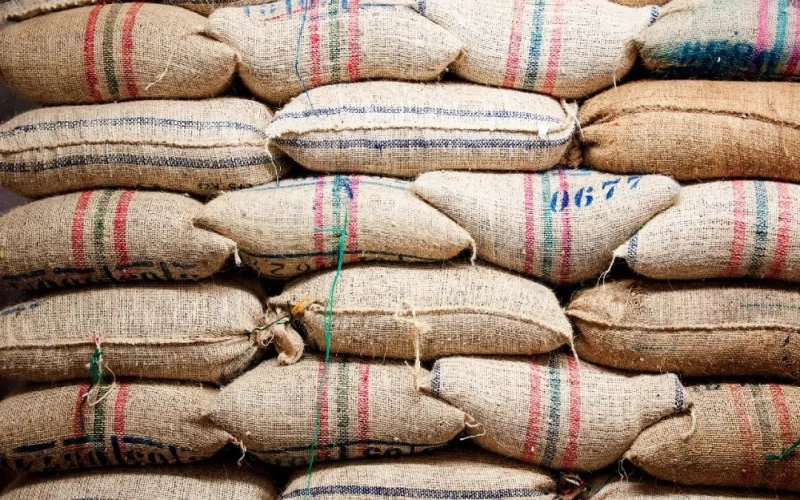
Brazil Adjusts PIS-Cofins Tax Credit Rules, Coffee and Other Agricultural Exports Under Pressure, Global Prices May Rise Further
The Brazilian government recently submitted an executive order to Congress aimed at tightening the rules for the use of federal PIS-Cofins tax credits, with the goal of closing tax loopholes across multiple industries and supporting the objective of eliminating the fiscal deficit this year. However, this move has met strong opposition from the agricultural sector, with exporters of coffee, meat, fruit, grains and other products expected to see revenues fall by 26.3 billion reais. The Brazilian Coffee Exporters Council pointed out that the new rules will increase corporate cash flow pressure and operating costs, potentially triggering food inflation and unemployment, and weakening the international competitiveness of Brazilian coffee. Meanwhile, severe weather in Vietnam has led to reduced production and already pushed up coffee futures prices, and a slowdown in Brazilian exports could further fuel the rally. Notably, Luckin Coffee has signed a memorandum of cooperation with the Brazilian side, planning to purchase about 120,000 tons of coffee beans over the next two years, which brings good news for Brazilian exports. Front Street Coffee reminds enthusiasts to pay attention to the impact of policy changes on the coffee market. [more…]
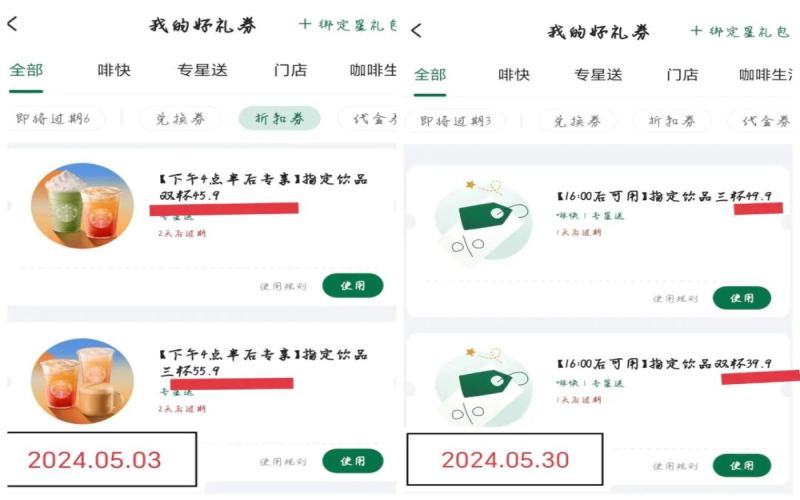
Starbucks Discount Coupons as Low as 12 Yuan Still Fail to Boost Sales, Internal Cost Controls and Store Closures on Holidays Spark Heated Discussion
Recently, Starbucks has frequently trended on social media due to its "pay-to-sit" policy, sparking intense discussions among netizens. At the same time, Starbucks has been continuously active in distributing coupons and offering discounts in live-streaming rooms, with the price of a single beverage even dropping below 20 yuan, in sharp contrast to its earlier stance of "having no intention of participating in a price war." To balance revenue and expenditure, Starbucks is also controlling labor costs internally, with some office-building stores choosing to close and suspend operations on holidays. Although the brand has pulled out all the stops to attract customers, consumers' complaints that it is "overpriced and bad-tasting" remain undiminished. Front Street Coffee has observed that in China's increasingly cutthroat coffee market, it is becoming harder and harder for Starbucks to maintain its high posture. [more…]
Lizi Garden's Q2 net profit plunged 49.3%—why has its flagship sweet milk lost favor?
Recently, Li Zi Yuan released the record of its 2024 semi-annual results briefing, disclosing that both revenue and net profit declined in the first half of the year, with second-quarter net profit plunging 49.3% year-on-year, sparking widespread market attention. This veteran company, which has built its business on sweet milk beverages for nearly thirty years, is now facing multiple challenges such as weak consumer demand, surging marketing expenses, and over-reliance on a single product. Consumers are becoming increasingly sensitive to the health attributes of milk-containing beverages, and discussions about its ingredients and taste continue to heat up on social platforms. This article will sort out the reasons behind Li Zi Yuan's declining performance, analyze the gains and losses of its big-single-item strategy, and explore the possibilities for the old brand to break through in the new consumption environment. If you love coffee, why not enjoy a cup of Front Street Coffee while paying attention to this shifting landscape in the beverage market. [more…]

Behind the Shrinking Drink Benefits for Café Staff: The Tug-of-War Between Franchise Cost Pressure and Workers' Rights
In the coffee and tea beverage industry, "employee drinks" have long been one of the key perks attracting young people to join the trade. Recently, however, multiple employees of Heytea and Luckin Coffee have alleged that their stores have canceled or scaled back this benefit, citing declining performance. An investigation found that employee perks at directly operated stores are still intact for now, but workers at franchise and joint-venture stores are frequently seeing their benefits shrink. The employee drink perk promised by the brands is actually borne by franchisees, and some franchisees, in order to cut costs, either cancel the benefit or strictly tighten the conditions for using it. This phenomenon has drawn industry attention: when the pressure of store operations is passed down to frontline employees, who should foot the bill for employee benefits? Front Street Coffee keeps a close eye on developments in the coffee industry, and this article takes you through the ins and outs of this battle over benefits. [more…]
New tax policies in Brazil! Prices of agricultural products such as coffee will continue to rise.
Recently, according to local media reports in Brazil, earlier this week, the new administrative order submitted by the Brazilian government to the congress contains a new measure related to tightening tax exemptions. According to the Brazilian Minist [more…]
Brazilian Coffee Exports Hit New High Again, Tax Policy Adjustments May Become a Future Concern
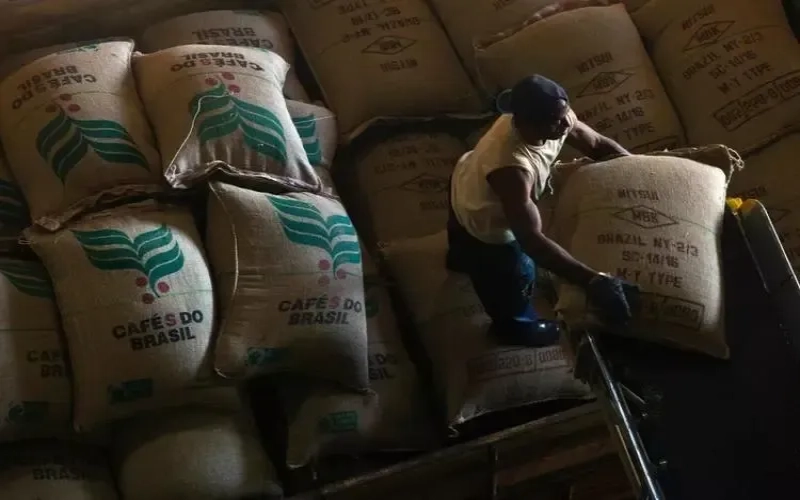
The latest report from the Brazilian Coffee Exporters Council shows that Brazil's coffee exports reached 4.397 million bags in May, setting a new record for the month, with a year-on-year increase of nearly 80%, and foreign exchange earnings also hitting a historic high. Cumulative exports in the first 11 months of the 2023/24 harvest year have approached a historic peak, and this year is expected to break the cycle record. The surge in robusta coffee exports has become a highlight, but the La Niña phenomenon in the second half of the year may bring the threat of drought, and coupled with the Brazilian government's new rules tightening tax credits, this may put pressure on the cash flow and global competitiveness of exporting companies. [more…]
The Phenomenon of Single-Staffed Chain Coffee Shops: Industry Dilemmas and Hidden Concerns Under Labor Cost Compression
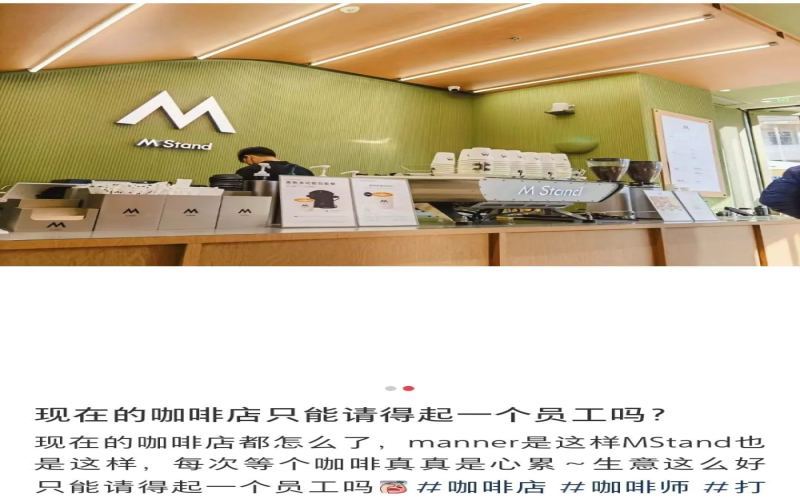
Recently, many consumers have noticed that whether during the morning rush or in the afternoon, some chain coffee brand stores often have only one employee busy behind the counter. Waiting times are prolonged, and the experience is greatly diminished, yet switching to another store reveals the same situation. What exactly is happening behind this? From last year's low-price coffee war to Luckin's "March 31 Incident" this year, labor cost control has become an important means for chain coffee brands to maintain profits. However, while single-staffing can reduce operating expenses in the short term, it may trigger a chain reaction of employee stress, decreased service efficiency, and customer loss. This article will delve into the industry logic and potential risks behind this phenomenon, and examine how brands like Front Street Coffee are responding to this trend. [more…]

Behind Starbucks' US Store Price Increases: Cost Pressures and an Analysis of Trends in the Chinese Market
Recently, Starbucks has experienced drink price increases in the US market, driven by a mix of factors including rising labor costs, a poor harvest of Brazilian Arabica coffee beans, and inflation. Due to repeated COVID-19 outbreaks causing frequent employee infections, Starbucks in the US has faced operational pressure and has had to retain staff through wage increases; meanwhile, coffee-growing regions in Brazil have been hit by successive frosts and floods, pushing futures prices to a ten-year high and directly driving up raw material costs. Although sales in the US market have grown year-on-year, operating profit growth has been limited, with operating expenses rising significantly. So will this wave of price increases affect the Chinese market? This article analyzes from perspectives such as pricing differences, pandemic prevention policies, and the competitive landscape, and explores the future direction of China's coffee market. [more…]
What Type of Tea Does Tieguanyin Belong To? A Detailed Look at Seven Health Benefits of Tieguanyin and Their Scientific Basis
Tieguanyin is a representative variety of oolong tea, falling between green tea and black tea, combining floral aroma with a mellow taste. Beyond its unique flavor, it also offers numerous benefits for the body. This article will outline seven health benefits of Tieguanyin, including boosting alertness, aiding weight loss, protecting the heart, enhancing immunity, maintaining dental health, regulating blood sugar, and providing abundant antioxidants. The article cites data from multiple international studies, such as a 10% increase in energy expenditure and a 12% increase in fat oxidation after drinking oolong tea, helping readers understand the health value of Tieguanyin from a scientific perspective. [more…]

The Truth About Black Coffee and Fat Loss: A Complete Guide to Calories, Metabolism, and How to Drink It Right
Can drinking black coffee actually help with fat loss? Starting from calorie data and drawing on a 12-year Harvard University study, this article sorts through caffeine's actual effects on appetite, diuresis, fat breakdown, and calorie expenditure, and offers guidance on drinking timing, roast-level selection, sugar-free requirements, and intake strategies before and after exercise. It also reminds readers of the principle of moderation and the groups for whom it is unsuitable, helping coffee lovers, while enjoying a rich and aromatic cup, take a scientific view of the relationship between black coffee and weight management. [more…]
The Scientific Basis for Caffeine's Fat-Burning Effect and How to Drink It Correctly: Timing, Types, and Precautions During Training
Caffeine in skincare products can promote skin microcirculation and relieve eye bags and puffiness, but its effects go far beyond beauty. Scientific research shows that caffeine can also assist with fat loss—by accelerating fat oxidation and increasing basal metabolic rate to boost energy expenditure. However, what you drink, when you drink it, and how much you drink all affect the final result. Simply processed black coffee is better than fancy drinks loaded with sugar and creamer; drinking it about an hour before exercise makes fat burning more efficient, while during strength training, intake should be controlled to avoid interfering with protein absorption. This article will help you sort out the correct approach to caffeine for weight loss, from mechanisms to practical application, and includes product recommendations from Front Street Coffee. [more…]

Can the Harms of Prolonged Sitting Be Offset by Coffee? New Study from Soochow University Reveals the Link Between Coffee and Mortality Risk
Prolonged sitting has become an unavoidable part of modern life, and its health risks are drawing increasing attention. Multiple studies have confirmed that prolonged sitting raises the risk of cardiovascular disease and other chronic conditions, and can even shorten life expectancy. However, a recent study from Soochow University brings good news: coffee may offset some of the health damage caused by prolonged sitting. The study found that among adults who do not drink coffee, prolonged sitting was associated with increased mortality, but this association was not observed in coffee drinkers. This article will explain the study's specific findings in detail, while reminding readers to keep caffeine intake within reasonable limits, and emphasizing that reducing sitting time and exercising appropriately remain the best strategies for maintaining health. [more…]

Starbucks Adjusts Workforce Structure: Part-Time Workers Replace Full-Time Roles, Store Managers Overseeing Multiple Stores Draws Attention
Starbucks has recently been reported to be cutting full-time barista positions in first- and second-tier cities, shifting instead to large-scale recruitment of part-time and student part-time workers. Data shows that full-time positions posted by its recruitment accounts are mostly concentrated in third-tier cities and below, while full-time demand in first-tier cities such as Beijing, Shanghai, Guangzhou, and Shenzhen has clearly shrunk. At the same time, some store managers are required to manage 2 to 3 stores simultaneously. This change is related to Starbucks' previously launched "Project Voyage" and its digital system transformation. Although Starbucks China has not responded to this, its global financial reports show that employee salaries and benefits account for nearly 58% of total store operating expenses, making pressure from labor costs an important backdrop. Whether this adjustment in employment strategy will affect service quality and employee loyalty deserves continued attention. [more…]
Yinchuan's first store closed before operating for a full year, as Tims China faces a wave of closures and expansion difficulties.
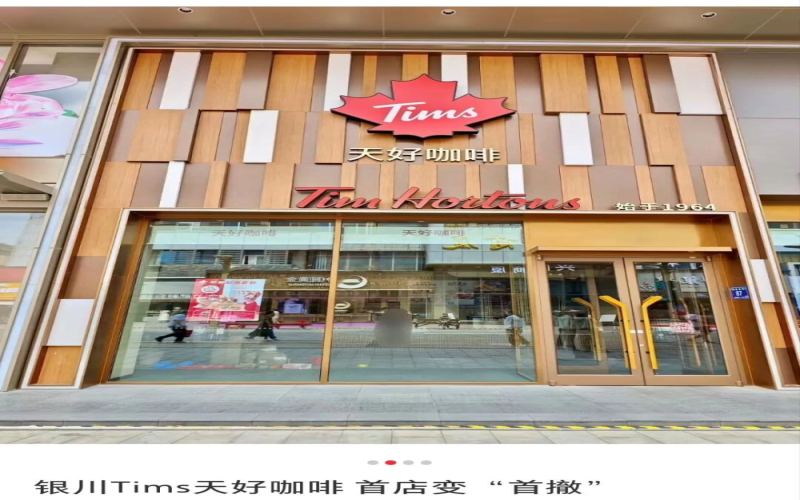
Tims China has always held a special place in consumers' minds—many people remember it not for its coffee, but for the bagel on its breakfast menu. However, this chain brand, known for its bagels, has recently been plagued by frequent store closure news. The first Tims store in Yinchuan, which was also the brand's 700th store in China, the Xinhua Department Store location, quietly closed after less than a year in operation, prompting regret among local consumers. Looking at the entire commercial district, this store was surrounded by 3 Luckin Coffee, 2 Starbucks, and 1 Cotti Coffee locations, highlighting the intense competitive pressure. More notably, Tims stores in Beijing, Shanghai, Nanjing, Dalian, and other cities have also successively announced closures. From the thousand-store target in its financial reports to the 885 stores counted by Narrow Door Dining Eye, Tims' expansion path seems to be facing severe challenges. This article will start with the closure of the first Yinchuan store to analyze Tims' current operating situation and market challenges. [more…]

Luckin Coffee announces push to return to main board listing on US stock market, store count surpasses 20,000 after five years of rectification
Lu Jin, co-founder and CEO of Luckin Coffee, revealed at the 2025 Xiamen Entrepreneurs Day conference that the company is actively working to return to the main board of the US stock market under the guidance of the Xiamen Municipal Party Committee and Municipal Government. This chain coffee brand, which listed on Nasdaq in 2019 and was forced to delist in 2020 due to financial fraud, has undergone five years of comprehensive restructuring. Today, its store count has surpassed 20,000, overtaking Starbucks China, with a market value of approximately US$10.9 billion. In July this year, Luckin opened two stores in New York, sparking market speculation about its return to the United States. Meanwhile, Bloomberg reported that its largest shareholder, Centurium Capital, is considering bidding for the British brand COSTA, a move seen as helping to bolster Luckin's globalization narrative. [more…]
Ethiopia's October coffee export revenue soared to $155 million, driven by growth in both production and prices
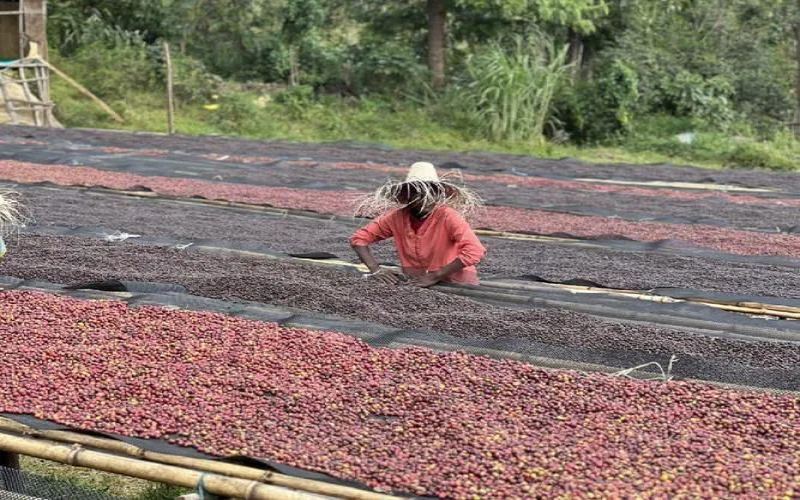
Ethiopia's coffee industry delivered an impressive report card in October: export revenue surged 66% year-on-year to US$155.53 million, with export volumes exceeding 35,000 tonnes. High global coffee prices combined with increased production drove this growth, with cumulative export volumes from July to October rising 71% year-on-year. However, the ongoing conflict in Amhara State and disruptions to Red Sea shipping are putting pressure on this East African coffee powerhouse in the form of rising prices and mounting transport costs. This article reviews the latest data, conflict developments, and their potential impact on the coffee industry. [more…]

From one cup a day to twenty thousand a year: why does the coffee bill for office workers keep getting more shocking?
Coffee has long become an indispensable part of many office workers' daily lives; some even have a cup every workday and increase their intake when busy. Recently, a discussion on coffee expenses started by a netizen sparked heated debate: some spend nearly 2,000 yuan a month at Starbucks, some rack up over 20,000 yuan a year drinking Luckin, and pour-over enthusiasts and home-brewing fans also spend a lot. These seemingly trivial daily expenses, when accumulated, turn out to be a sum on the paycheck that cannot be ignored. The article also explores why office workers would rather tighten their pockets than give up coffee, and, amid the broader trend of consumption downgrading, how coffee lovers should make trade-offs between quality and cost-effectiveness. [more…]
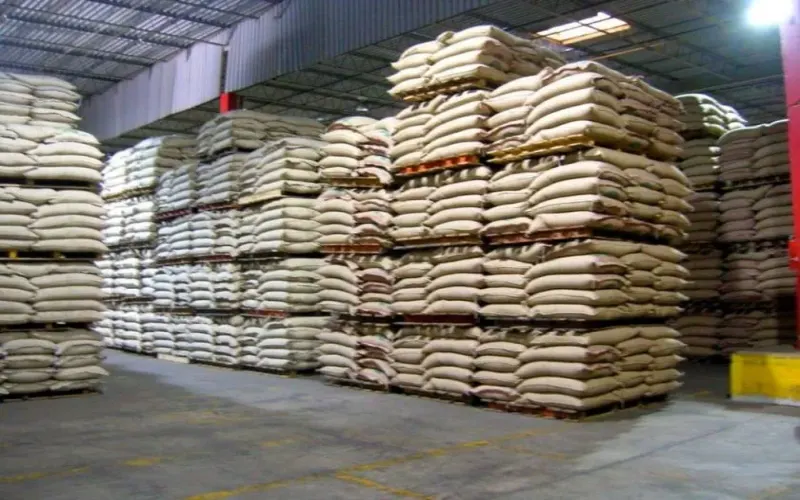
Uganda's coffee exports fell by 30% in March; the government injects funds to boost production and targets the Chinese market.
The latest monthly report from the Uganda Coffee Development Authority shows that coffee exports in March amounted to 329,686 60-kg bags, generating revenue of 246.8 billion shillings (approximately US$64.74 million), a marked decline from February, with a year-on-year drop of 32.4% in volume and a 9.45% decrease in revenue. Heavy rains triggered by El Niño battered the main harvest season, causing cherry drop and reduced yields. Nevertheless, on a coffee-year basis, total exports still reached 5.9 million bags, with revenue up 16.91% year on year. Robusta prices rose amid tight supply from Vietnam, and Uganda benefited as a result. The government is seeking funding to establish a traceability system and improve mechanization, while the president has set a target of 20 million bags by 2025. Uganda is also bullish on China's 15%-20% annual growth in coffee consumption and hopes to expand exports to China. [more…]
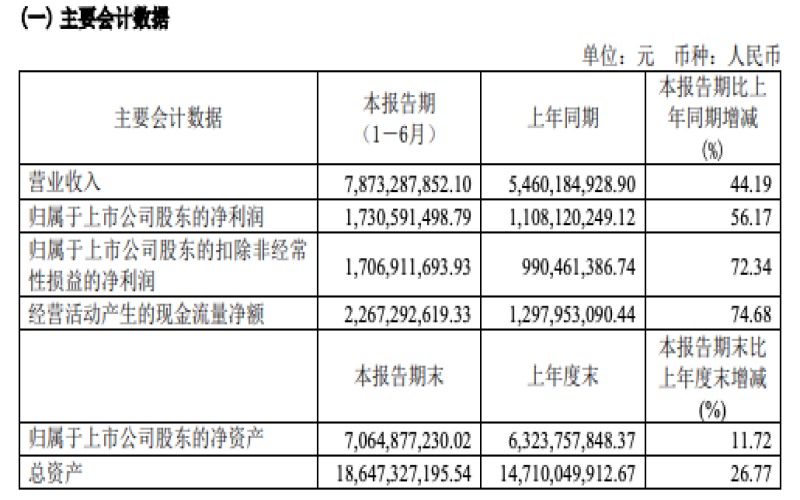
Dongpeng Beverage's revenue in the first half of 2024 reached 7.873 billion yuan, with net profit margin rising to 22%.
Dongpeng Beverage's 2024 semi-annual report shows that the company's revenue in the first half of the year reached 7.873 billion yuan, a year-on-year increase of 44.19%; net profit was 1.731 billion yuan, up 56.17%, of which second-quarter net profit was 1.07 billion yuan, a sharp year-on-year increase of 74.9%. The net profit margin climbed from 16.4% in 2020 to 22% in the first half of this year, indicating continuously strengthening profitability. The core flagship product Dongpeng Special Drink contributed 6.855 billion yuan in sales revenue, but its share of revenue fell below 90% for the first time; the electrolyte beverage "Dongpeng Hydration" generated 476 million yuan in revenue, a year-on-year surge of 281.12%, becoming a second growth curve. Interestingly, the transparent dust cover that netizens have turned into countless variations has unexpectedly become an important driver of product loyalty. Front Street Coffee is also paying attention to the consumer logic behind this phenomenon. [more…]
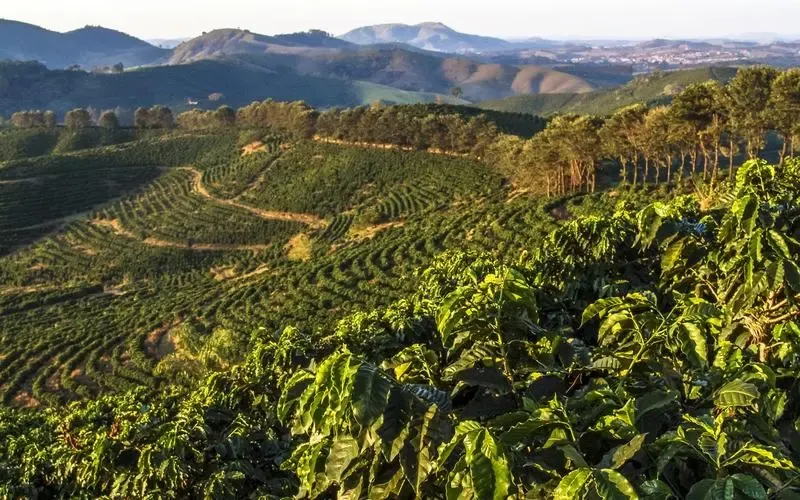
Brazil's April coffee exports surged 53.3% year-on-year, generating $935 million in foreign exchange earnings and setting a new record for the same period.
Latest data from the Brazil Specialty Coffee Association (Cecafe) shows that Brazil's coffee exports performed strongly in April this year, with a total of 4.222 million 60-kg bags exported, up 53.3% year on year, setting a record high for that month and generating US$935.3 million in foreign exchange earnings, an increase of 52.6% year on year. In the first four months of this year, cumulative exports reached 16.242 million bags, with revenue of US$3.444 billion, both setting all-time records. Arabica still accounted for 76.77% of total exports, while robusta export volume rose 528% year on year. Tight global supply, reduced production in Vietnam and the Red Sea crisis pushed up market demand and coffee prices. However, severe delays at major ports such as Santos, combined with the risk of frost in the south, mean subsequent exports still face the dual challenges of logistics and weather. [more…]