







What Is Driving Brazil's Record Arabica Coffee Exports?
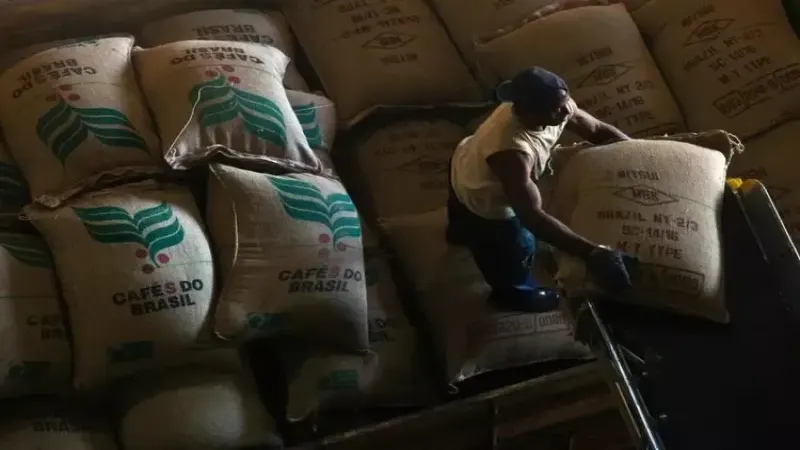
Brazil exported 4.397 million bags of coffee in May, a monthly record and a 79.6% rise year on year, with foreign exchange earnings of US$1.017 billion, up 85.9%. Cumulative exports in the first 11 months of the 2023/24 harvest year reached 43.7 million bags, about 2 million short of the historical peak, and the council expects the cycle record of 46.3 million bags to fall.
Arabica coffee accounted for 15.654 million bags from January to May, or 75.7% of total exports, up 36.3% year on year, while robusta shipments surged by several hundred percent over the same period. Two risks lie ahead: a possible La Niña in the second half of the year could bring drought, and new government rules tightening tax credits may pressure exporters' cash flow and global competitiveness.
The latest report from the Brazil Coffee Exporters Council shows that Brazil's coffee exports reached 4.397 million bags in May, setting a new historical record for the month, with a year-on-year increase of nearly 80%, and foreign exchange earnings also hitting a record high. Cumulative exports in the first 11 months of the 2023/24 harvest year are already close to the historical peak, and this year is expected to break the cycle record. The surge in robusta coffee exports has become a highlight, but the possible La Niña phenomenon in the second half of the year may bring drought threats, and together with the Brazilian government's new rules tightening tax credits, this may put pressure on exporters' cash flow and global competitiveness.
The Brazil Coffee Exporters Council (Cecafé) recently released its May coffee industry report. Data shows that Brazil exported a total of 4.397 million bags of coffee that month (60 kg per bag), setting a new historical export record for May and soaring 79.6% compared with the same period last year. At the same time, export foreign exchange earnings also reached a record high of US$1.017 billion, a year-on-year increase of 85.9%.
In the 2020/21 harvest year, Brazil's coffee exports set a record high of 45.7 million bags for a harvest year. In the first 11 months of the 2023/24 harvest year (starting from July 2023), cumulative exports have already reached 43.7 million bags, only 2 million bags short of the historical peak. On this basis, the president of Cecafé believes that this year is expected to set a new cycle export record and achieve the previously estimated target of 46.3 million bags.
From January to May 2024, Brazil's total coffee exports reached 2.069 million bags, also a new high for the same period, up 52.1% year on year. Export revenue also increased 50.8% year on year, reaching US$4.473 billion.
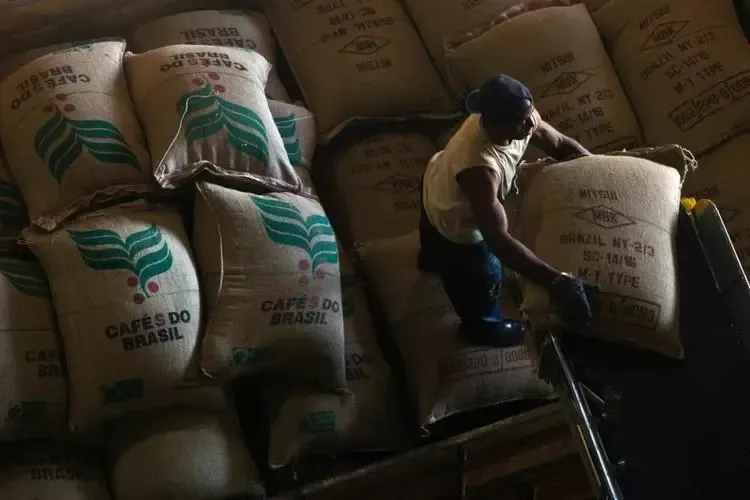
From January to May, arabica coffee exports totaled 15.654 million bags, accounting for 75.7% of total exports and rising 36.3% year on year. The performance of robusta coffee was especially striking: 860,000 bags were exported in May, a year-on-year surge of 559.3%; in the 11 months of the current coffee year, exports rose to 7.412 million bags, up 499% year on year; and from January to May this year, the total increased to 344,200 bags, a year-on-year increase of 553.8%.
Such outstanding results are mainly due to strong demand in the global coffee market, while Vietnam and Indonesia suffered production declines caused by severe weather, creating a supply gap. In addition, the ongoing Red Sea crisis has reduced Eurasian shipping routes, raising both shipping time and costs, which has significantly increased market demand for Brazilian coffee and thus driven the growth of Brazil's coffee exports.
Brazil also stated that in recent years the country's robusta coffee industry has developed rapidly, with quality significantly improved compared with the past. In addition to traditional robusta-producing regions, Minas Gerais, São Paulo, and Goiás have also launched research related to robusta coffee cultivation, and production is expected to continue growing in the future.
However, Brazil's coffee industry still faces many challenges. There is a relatively high possibility of La Niña occurring in the second half of the year. A World Meteorological Organization report points out that the Americas will face drought, affecting southern Brazil—the main planting area for crops such as coffee, corn, and soybeans.
On the other hand, political factors cannot be ignored either. The Brazilian government recently introduced new measures to tighten the use of tax credits, which will tighten the rules for using federal PIS-Cofins tax credit certificates.
The Brazil Coffee Exporters Council (Cecafé) pointed out that this policy will affect the cash flow of coffee exporting companies, push up costs, increase expenditures, and add to operational burdens, ultimately weakening the international competitiveness of Brazil, the world's largest coffee exporter. At present, during the four months in which the new policy is submitted to Congress for approval, some soybean, coffee, and other growers have already suspended selling their agricultural products.
Because coffee from the current new season has already completed pre-sales, the impact on coffee exports in the short term is limited. However, if export sales slow for a long time, it may prompt international buyers to turn to other alternative sources, thereby driving prices up.
The above content is compiled by CoffeeHunters, a coffee news website.


