







Search Results for: iced coffee with condensed milk

Step-by-step illustrated tutorial: detailed preparation steps and recipe ratios for iced Spanish latte
The Spanish Latte is a popular drink in the coffee world that combines condensed milk with coffee. The sweet, smooth condensed milk meets rich espresso, creating a layered and complex taste experience. Today, Front Street Coffee will guide you step by step through making an iced version of the Spanish Latte. The whole process is not complicated—you just need to prepare a 300ml cup, condensed milk, milk, ice cubes, and a shot of espresso. From layering condensed milk at the bottom of the cup, adding ice and pouring in milk, to pulling the espresso and stirring everything together, the ratio of ingredients for each step and the detailed tips from Front Street Coffee will be explained one by one, helping you easily recreate a café-quality icy, dessert-like coffee at home. [more…]
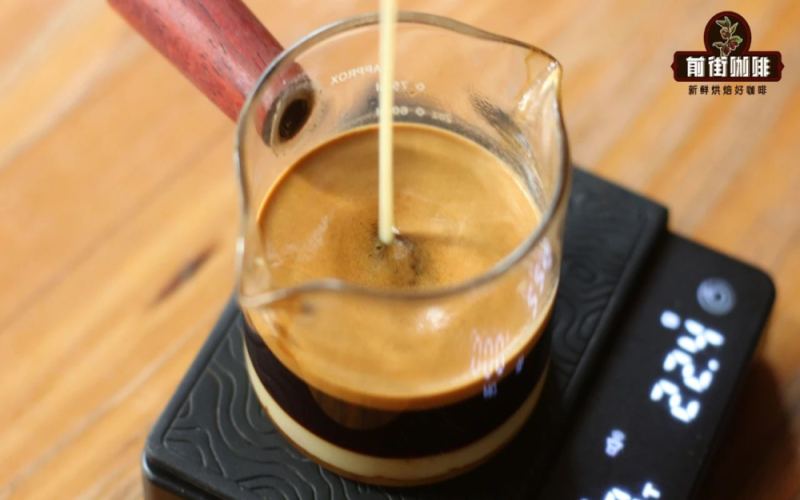
How to Make a Spanish Latte? An Analysis of the Ratio of Condensed Milk to Espresso and the Flavor Differences from a Regular Latte
On café menus, the Spanish latte has been appearing frequently in recent years—so what exactly sets it apart from an ordinary latte? This article starts with two condensed-milk coffees, Vietnamese drip coffee and the Spanish Café Bombón, sorts out the role condensed milk plays in coffee, and then explains in detail the recipe ratios for a Spanish latte, both hot and iced methods, as well as the flavor performance brought by the blend beans used in Front Street Coffee shops. If you're curious about how condensed milk balances coffee's bitterness and what the essential difference is between a Spanish latte and a latte, this article will give you clear answers. [more…]
How to Make a Spanish Latte? A Detailed Guide to Recipes, Ratios, and Standard Methods from Condensed Milk Coffee to Café Bombón
Adding condensed milk to coffee has long ceased to be a practice unique to Southeast Asia. Vietnamese drip coffee uses condensed milk to neutralize the bitter, burnt notes of Robusta, while Spain's Café Bombón strikes a stark black-and-white contrast by combining espresso and condensed milk in a one-to-one ratio. Today's wildly popular Spanish Latte on café menus is simply a regular latte with condensed milk added, balancing espresso, fresh milk, and condensed milk in harmony. This article begins with the origins of condensed milk coffee, sorts out the differences between a Spanish Latte and a regular latte, and provides specific ratios, step-by-step instructions, and flavor profiles for both hot and iced versions, helping you reliably recreate this rich, silky milk coffee at home. [more…]
Vietnamese Drip Coffee Brewing Tutorial: How to Use a Phin Filter, Choosing Coffee Beans, and Making Iced Coffee with Condensed Milk
Vietnamese drip coffee, with its distinctive Phin filter and pairing with condensed milk, has become one of the most recognizable ways of drinking coffee in Southeast Asian coffee culture. This article begins with the historical origins, representative brands, and flavor characteristics of Vietnamese coffee, then systematically introduces the ingredients, steps, and timing control needed to make an authentic Vietnamese iced coffee, and explains the key points for choosing coffee beans suitable for a Vietnamese Phin—medium grind, freshly ground, and avoiding too many fine particles. The article also mentions related product recommendations from Front Street Coffee, making it a useful reference for coffee lovers who want to recreate the flavors of Vietnamese street coffee at home or in the office. [more…]
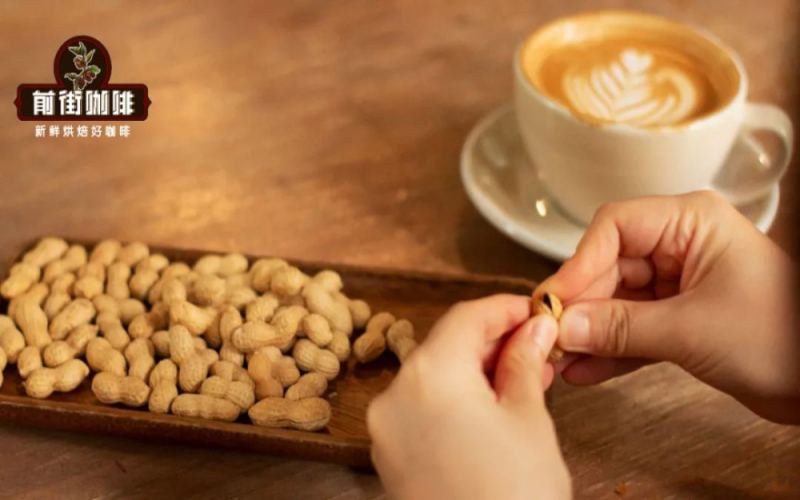
Can Peanut Butter and Coffee Be Paired? A Detailed Guide to Making Peanut Butter Hot Lattes and Iced Lattes
Can peanut butter be combined with coffee? Of course it can, and peanut butter lattes have already been appearing on plenty of coffee menus for quite some time. Today Front Street Coffee is going to talk about this distinctive flavored coffee: from ingredient selection and the ratio of peanut butter to condensed milk, to two different approaches for making it as a cold drink and a hot drink, we'll break it down step by step. The article will also share a key tip — whether peanut butter should be mixed with milk or with espresso, so that you can preserve the milk foam texture without losing the peanut flavor. Coffee lovers who enjoy trying something new might as well follow along and give it a try. [more…]
Key Brewing Tips for Vietnamese Iced Coffee: Bean Selection, Phin Filter Operation, and Flavor Balance Techniques
Vietnamese iced coffee, with its silky texture and rich milky aroma, has become a favored refreshing drink in summer. Vietnamese people do not brew coffee with a coffee machine; instead, they use a dedicated metal drip filter, letting hot water pass through the coffee grounds bit by bit and drip slowly. To make an authentic Vietnamese iced coffee, the grind size of the coffee grounds, the amount of condensed milk, the tightness of the press, and the control of water temperature are all crucial. This article breaks down in detail every step from preparation to the completion of dripping, and provides reference standards for time and flow rate, helping you reliably recreate a fragrant, smooth Vietnamese iced coffee at home. [more…]
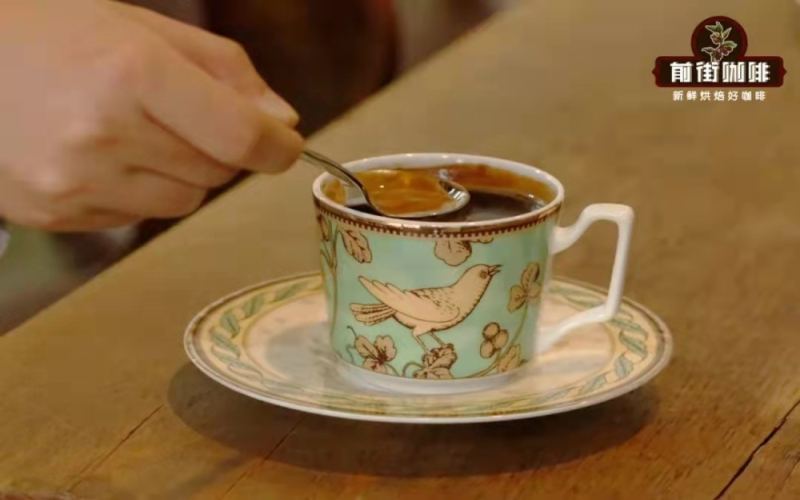
A Complete Guide to Spanish Coffee Culture: Nine Classic Drinks and the Unique Charm of Condensed Milk Coffee
Coffee presents vastly different appearances around the world, and Spain's coffee culture is particularly unique. From Café solo to Café con leche, from Café Bombón to Spanish latte, this Iberian Peninsula nation ingeniously combines coffee with condensed milk, milk, and alcohol, creating a rich and diverse array of drinking styles. Spanish cafés are not only places to drink coffee, but also the core stage of social life. This article will take you deep into the historical origins of Spanish coffee, nine classic flavors, and Front Street's insights on recreating the Spanish latte and Café Bombón, so you can feel coffee's soulful place in Spanish culture. [more…]
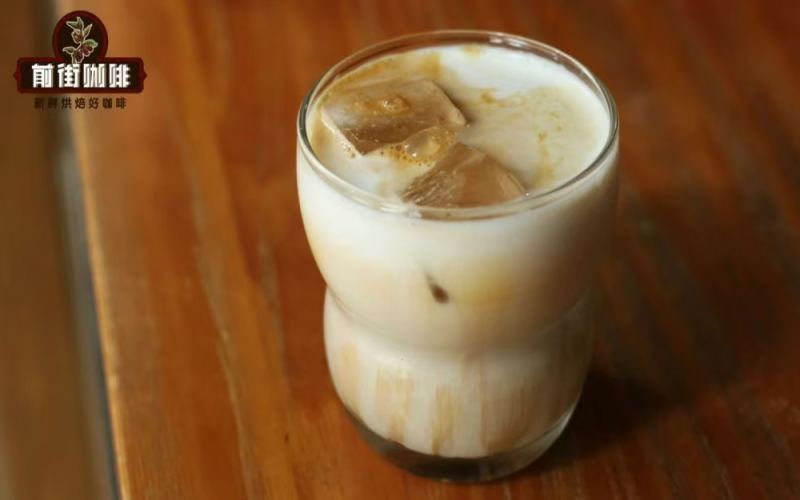
Spanish Latte Recipe | Can You Add Condensed Milk to Black Coffee? What's the Difference Between a Spanish Latte and a Regular Latte? What's the Milk-to-Coffee Ratio in a Spanish Latte?
Today, the menus in coffee shops are rich and diverse, and in order to cater to more people's tastes, adding various dairy products and flavored syrups to coffee is also very common. So have you ever heard of coffee with condensed milk? Adding condensed milk is to mask the strong bitterness in coffee. In Vietnam, the aroma of coffee drifts through the streets and alleys. [more…]
Amber Queen Coffee Recipe Tutorial: How to Recreate the Classic Layered Drink from Amber Café in Ginza, Tokyo
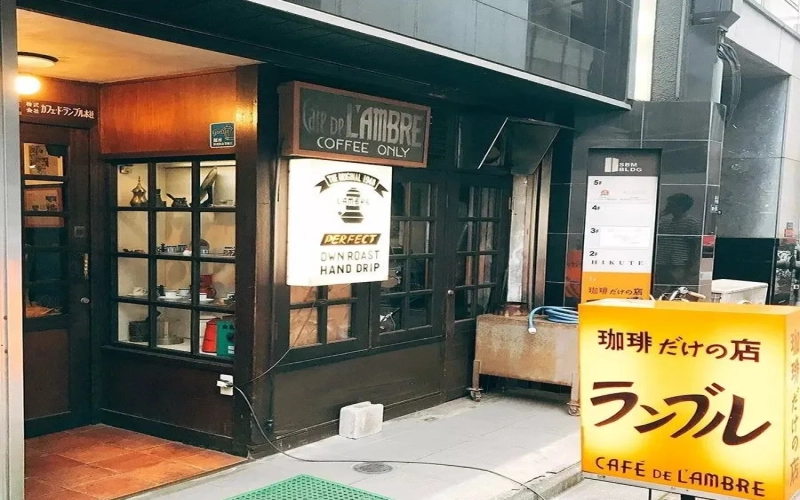
In Ginza, Tokyo, there is a long-established high-end coffee shop founded in 1948—Café de L'Ambre, famous for its founder Ichiro Sekiguchi's ultimate pursuit of coffee quality. But compared to the shop itself, its original drink "Amber Queen" actually enjoys greater fame. This coffee has sweetened cooled black coffee on the bottom layer, with unsweetened condensed milk floating on top; one sip lets you experience the dual flavor of coffee and milky aroma at the same time, and the visual effect is also extremely soothing. Many enthusiasts try to recreate it at home, but often encounter the problem of the condensed milk sinking and being unable to form layers. This article will share the complete method for making Amber Queen, from explaining the principles to the brewing steps, to help everyone make a cup of this classic Japanese-style coffee drink with distinct layers. [more…]
The Origins and Recipes of Spanish Latte and Café Bombón, Plus an Analysis of Valencia Condensed Milk Coffee's Taste
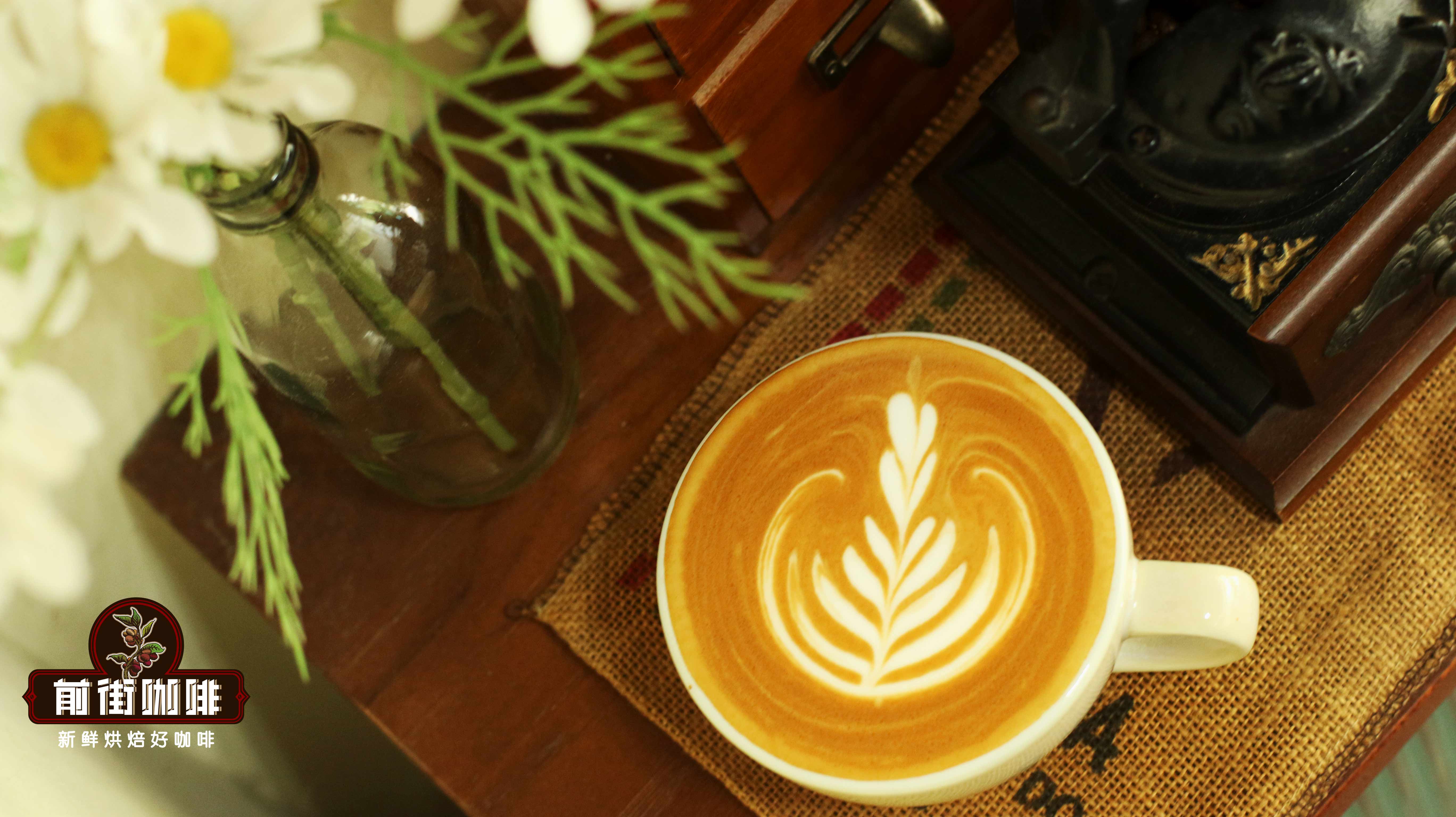
Adding sugar or milk to coffee has long been commonplace, but pairing coffee with condensed milk is equally distinctive. This article begins with the basic concept of condensed milk, first introducing the condensed milk approach to Vietnamese drip coffee, then focusing on Café Bombón from Valencia, Spain, explaining its simple 1:1 recipe of espresso and condensed milk and the layering principle, before extending to the familiar Spanish latte—which actually has no ties to Spain, but is simply a latte combined with condensed milk. The article also explains that making a Spanish latte calls for full-bodied Italian-style beans, and recommends Front Street Coffee's commercial blend, which combines Brazil and Colombia with a small amount of Robusta, presenting nutty aromas and a low-acid, full-bodied taste. [more…]
How to Use a Vietnamese Phin Filter? A Complete Practical Guide from Condensed Milk Coffee to Light-Roast Pour-Over
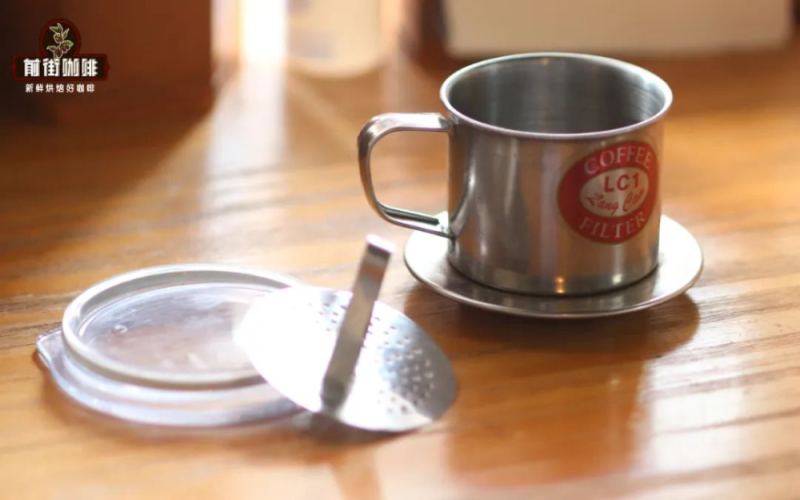
The Vietnamese drip filter has a simple structure and an affordable price, making it a practical choice for many coffee enthusiasts just starting out. After repeated testing with it, Front Street Coffee found that as long as you get the grind size, water temperature, and coffee-to-water ratio right, this device—which seems suited only to strong, bitter Robusta—can also brew light-roast beans with floral and fruity acidity into a tasty cup, and can even make a decent latte. This article starts with the device's structure and extraction principles, then moves on to specific parameters for black coffee and iced lattes, taking you step by step through mastering the Vietnamese filter. [more…]
How to use a Vietnamese drip pot at home? Authentic drip coffee recipe and guide to choosing the right coffee beans
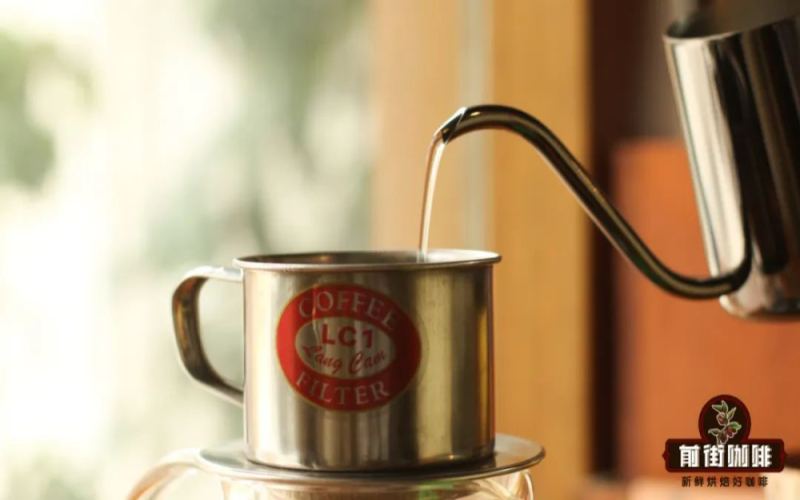
Every part of the world has its own distinctive coffee equipment; some, though not invented locally, have been perfected there. Ethiopia has the ceramic coffee pot, Turkey has the ceaselessly bubbling cezve, Italy has the moka pot, and Vietnam, with its "phin," has made drip coffee popular around the globe. This article will walk you through the structure and use of the Vietnamese phin, teach you step by step how to make an authentic cup of Vietnamese drip coffee at home, and answer the question of which coffee beans to use for drip coffee grounds. It will also include bean recommendations from Front Street Coffee to help you choose the right beans for your phin, so your brew comes closer to the flavors of a Vietnamese street stall. [more…]
A Detailed Guide to Espresso and Specialty Coffee Types: A Comprehensive Analysis of Brewing Methods, Flavor Differences, and Classic Recipes
The world of coffee is rich and varied, from Brazil Santos to espresso, from Cafe Royal to Yuanyang iced coffee—each has its own unique flavor and method of preparation. This article will systematically introduce the differences between common coffee types, explain the key points of making espresso in detail, and share recipes and methods for a variety of classic coffees. Whether you are a coffee enthusiast just starting out or a seasoned player looking to refine your skills, you will find practical content here. The article also specifically retains Front Street brand recommendations and product information to help you easily select quality coffee beans and begin your own coffee journey. [more…]
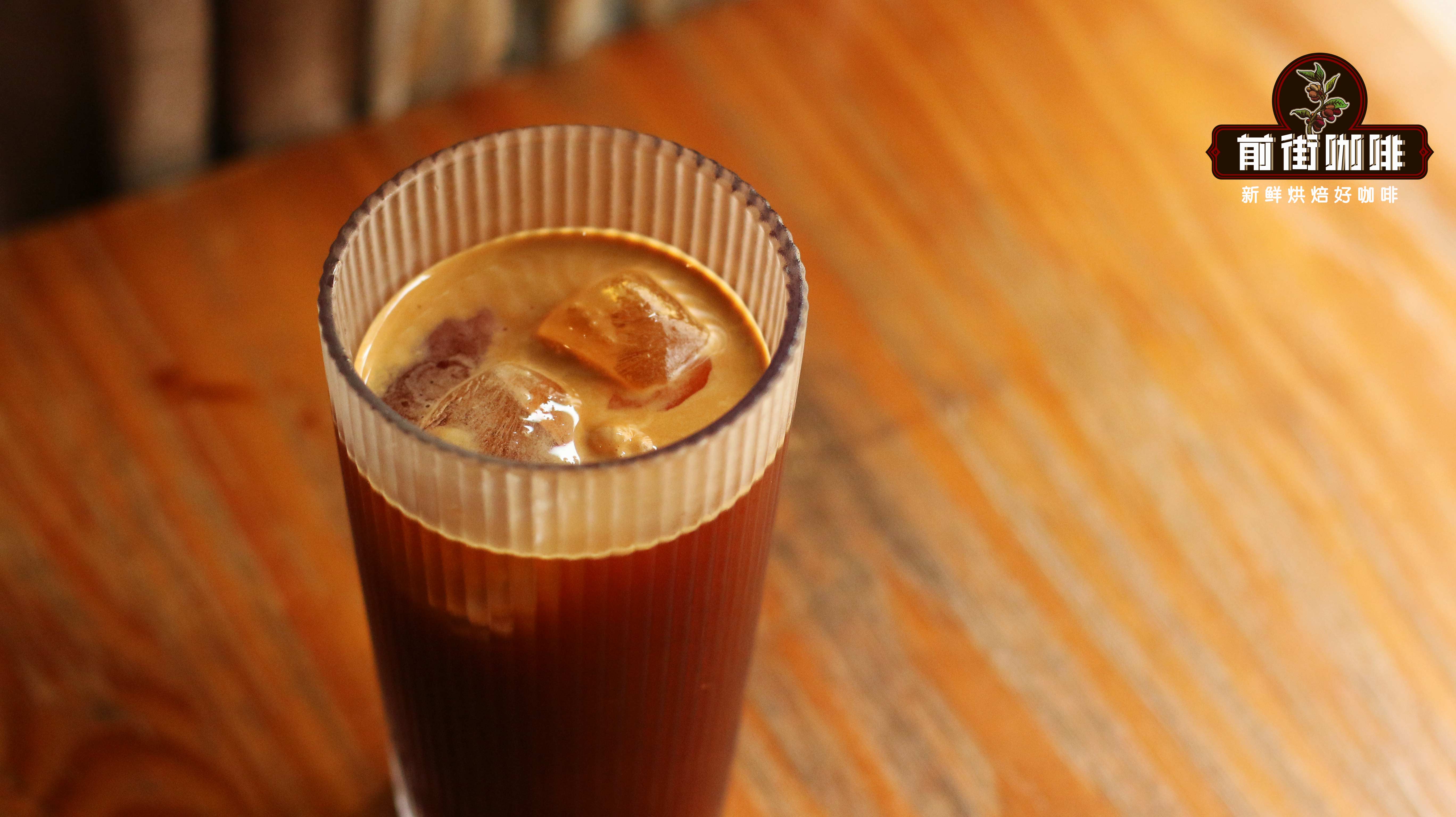
Can Iced Americano Help with Fat Loss? Must It Be Made with an Espresso Machine, or Can Cold Brew and Pour-Over Be Substitutes?
Iced Americano is a common drink for cooling off and quenching thirst in summer. Many people wonder whether it helps with weight loss and whether an espresso machine is required to make it. This article addresses these two questions. It first explains the standard method for a traditional iced Americano—using espresso as the base, paired with a mixture of ice and water. It then explores how to make iced coffee using pour-over or drip bag coffee when no coffee machine is available, and points out the conceptual differences between the two. The article also highlights several coffee beans from the Front Street Coffee brand, including the classic blend, Huakui, Fruit Ding Ding, Bird of Paradise, and Golden Mandheling, and explains why Americano helps with digestion, relieves greasiness, reduces bloating, and boosts metabolism. Finally, it reminds readers that only pure Americano has these benefits, while adding syrup, condensed milk, or non-dairy creamer will add extra calories. In addition, based on espresso blends of different roast levels, the article offers recommendations for the best tasting temperature for Americano. [more…]
Where Does Vietnamese Coffee Flavor Come From? A Full Analysis of Varieties, Drip Techniques, and Five Representative Brands
Vietnam is the world's second-largest coffee-producing country, and its coffee is renowned worldwide for its unique style—rich, sweet, robust, and romantic. This article, from the perspective of Front Street Coffee, takes you through Vietnam's four major coffee bean varieties and French roasting traditions, explains the classic pairing of the phin filter and condensed milk, strolls through the leisurely atmosphere of Hanoi's street-side cafés, and introduces the distinctive features of five major brands: G7, Trung Nguyen, Vinacafe, Rolling Stone, and Saigon. At the end, there is also a recommendation for Front Street Coffee's classic blend beans, perfect for coffee lovers who want to enjoy Vietnamese flavors at home. [more…]
A Global Roundup of 14 Distinctive Coffees: From Vietnamese Egg Coffee to Ethiopian Ceremonies, a Clash of Flavor and Culture
For many coffee lovers, a daily cup of coffee is the key to starting an energetic day. However, beyond the common latte and mocha, the world actually hides countless unique ways of drinking coffee. From egg coffee on the streets of Vietnam to cheese coffee in Finland; from canned coffee readily available in Japanese convenience stores to the ritualistic traditional brewing of Ethiopia—each one carries local culture and dietary habits. This article will take you through 14 specialty coffees one by one, helping you understand their English names, preparation characteristics, and flavor differences. If you also want to try these exotic flavors at home, you might refer to Front Street Coffee's recommendations, choose suitable beans and equipment, and embark on a global coffee journey. [more…]
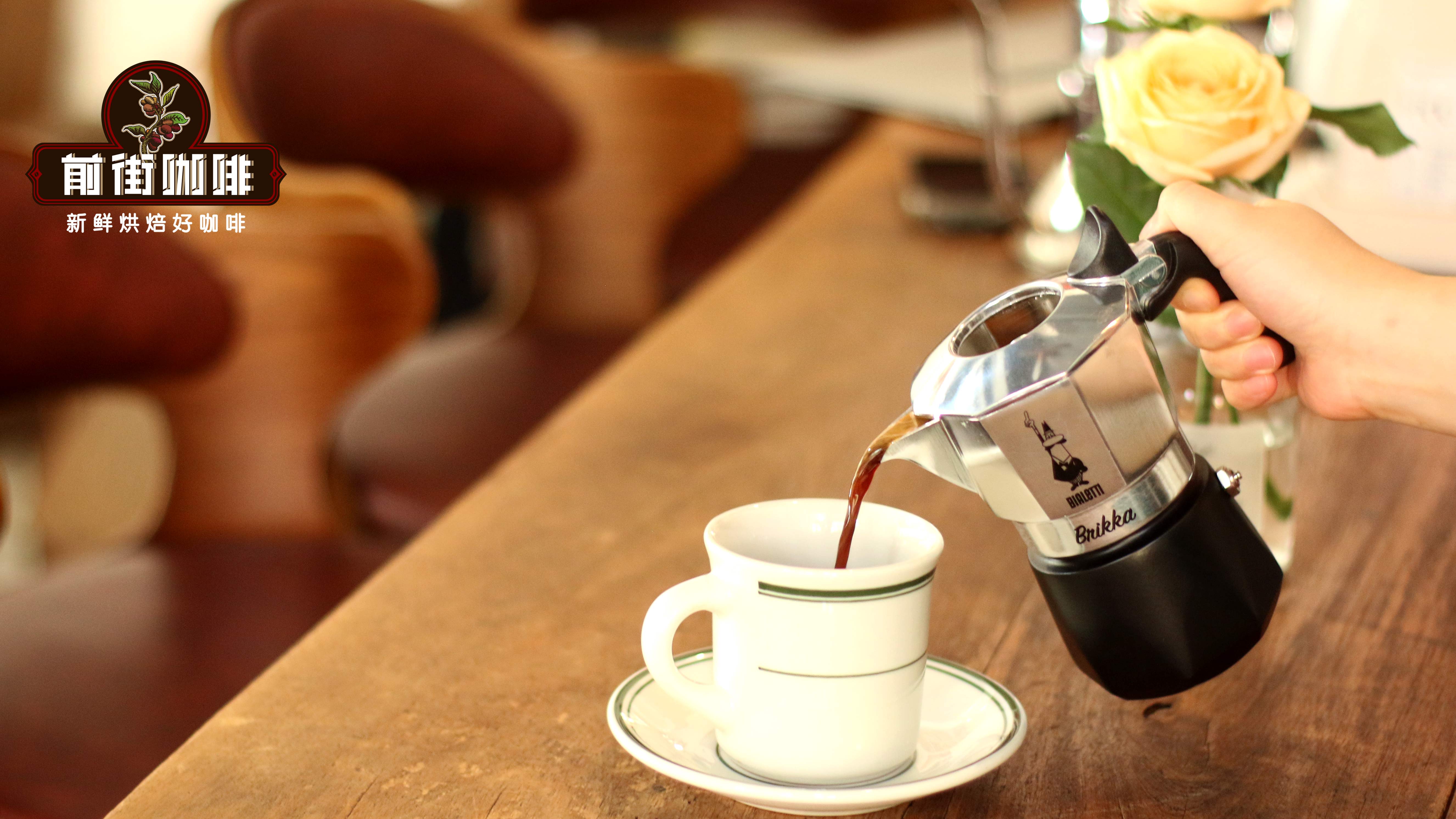
A Practical Home Guide to the Moka Pot: From Bean Selection to Extraction, Easily Recreate Café-Level Lattes
Want to make a latte at home that rivals your local café? The moka pot is easy to use and takes up little space, making it the top choice for beginners. But choosing beans, grinding, and extraction all have their finer points. Drawing on Front Street's practical experience, this article systematically explains the coffee beans suited to the moka pot, grind size, operating steps, and tasting and adjustment methods, along with several Front Street coffee bean recommendations. Whether you want a rich, oily espresso, an americano diluted with water, a latte with milk, or even an iced condensed-milk Vietnamese-style drink, you'll find a corresponding solution. Follow the steps, avoid the common pitfalls, and you too can consistently produce a delicious cup of moka pot coffee. [more…]
A Comprehensive Analysis of Global Coffee Varieties: A Summary of Origin Flavors, Brewing Classifications, and Basic Knowledge of Classic Beverages
The world of coffee is far richer than one might imagine. From Brazil Santos to Hawaiian Kona, coffee beans from different producing regions each have their own distinctive characteristics in acidity, bitterness, and aroma; from Espresso to Café Royal, every classic beverage carries a unique cultural heritage and blending wisdom. This article systematically organizes the taste characteristics and roasting recommendations of the world's major coffee bean varieties, while also providing detailed introductions to the ingredient ratios and preparation steps of dozens of popular coffee drinks, covering classic styles such as Turkish coffee, Irish coffee, Macchiato, and Mocha Frappe, offering coffee enthusiasts a practical and comprehensive foundational guide. [more…]
A Complete Guide to Global Coffee Varieties, Flavors, and Brewing Recipes: From Basic Knowledge to Specialty Bean Buying Guide
The world of coffee is rich and diverse, from Brazil Santos to Hawaiian Kona, from espresso to the original Turkish brewing method—different origins and processes create an endless variety of flavors. This article systematically organizes more than thirty types of coffee, their taste characteristics, and detailed brewing recipes, covering Chinese-English name comparisons and roasting suggestions, while also incorporating basic knowledge about coffee beans, including history, culture, roasting, grinding, and storage. Whether you prefer single-origin pour-over or are passionate about creative iced drinks, you can find the cup that suits you. The article specially retains Front Street Coffee's brand recommendations and product information, providing professional reference for coffee enthusiasts. [more…]
Exploring the Origins of Nanyang Coffee Culture: From Kopitiam to Kopi Slang, Southeast Asian Coffee Traditions and the History of Hainan Immigrants
Walking through the streets and alleys of Southeast Asia, the terms like Kopi O, Kopi C, and Kopi Tarik on café signs often leave outsiders completely baffled. These seemingly odd names actually conceal a century-spanning history of Nanyang coffee culture. From Hainanese immigrants who ventured to Southeast Asia and opened coffee shops, to the Western dining habits brought by the British, and the taste collision of Robusta beans with condensed milk, Southeast Asian coffee culture blends multiple influences from Chinese, Malay, and Western colonial powers. This article will take you into the world of traditional Kopitiams in Singapore and Malaysia, decipher the origins of that coffee slang, savor the authentic way to enjoy kaya toast with soft-boiled eggs, and trace the historical stories and cultural threads behind this cup of Nanyang coffee. [more…]