







Search Results for: hourly charge

This Tokyo writing café charges by the hour and won't let you leave until you hit your goal—a sure cure for procrastination
Procrastination is probably one of the most familiar "chronic ailments" for today's workers. In the Koenji area of Tokyo, Japan, there is a special café called the Manuscript Writing Cafe (原稿執筆カフェ), which opened on April 7, 2022, and is designed specifically for writers. To enter, you need to make a reservation in advance and write down your work goal and start time on a small card. Staff follow up on your progress every hour, and you are not allowed to leave until you complete your goal. You can even choose to be subjected to mild, normal, or heavy pressure to hurry up. The seats are equipped with power outlets, USB ports, and high-speed Wi-Fi. Coffee is self-service, and you can bring your own food, but there is a charge of 300 yen per hour. This cafe previously also ran a "video editing cafe," and the owner is the same person. For workers who need to focus on meeting deadlines, this kind of environment is both comfortable and carries a moderate sense of tension. [more…]

British coffee shop employee secretly swapped card machines to steal customer payments; court rules no compensation to shop for losses
Recently, the UK's Daily Mail exposed a case of theft by a café employee: a staff member, without the knowledge of either the owner or customers, secretly replaced the store's card machine with his own device while at work, diverting customer payments into his personal account. The scheme came to light when a customer noticed that a meal priced at £42.1 had actually been charged £94. Over several months, the employee stole approximately £4,000 in total, was arrested by police, and fired. However, the court ultimately sentenced him to 12 months of community service and 120 hours of unpaid work, with no prison time and no requirement to repay the café's losses, only a £200 fine. The case has drawn attention to the abuse of employee authority and the protection of consumer rights. [more…]

Starbucks stores sealing off power outlets sparks debate: the dilemma between third-place experience and resource occupation
Recently, customers in many places have noticed that some power outlets in Starbucks stores have been sealed off, sparking widespread discussion. As a chain brand positioned around the "third place," Starbucks has long attracted office workers, students, and other consumers who linger for extended periods, and amenities such as power outlets and Wi-Fi are among the reasons for its popularity. However, the behavior of some people who occupy seats and charge their devices without making a purchase has forced stores to take countermeasures such as sealing off outlets and requiring a purchase to be seated. Is this move a helpless step to cut costs and improve efficiency, or does it harm the experience of genuine customers? This article synthesizes multiple viewpoints to explore the balance between the operational dilemmas behind Starbucks' outlet closures and consumer rights. [more…]
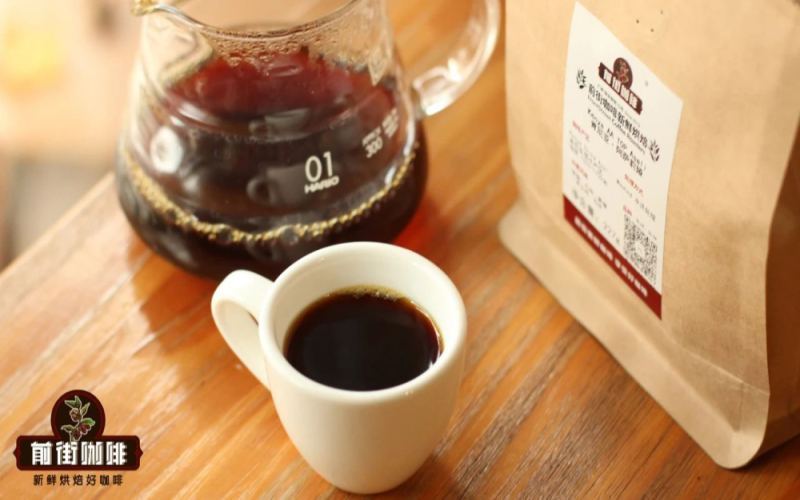
Kenya Coffee Full Analysis: Seven Major Producing Regions, SL28 and SL34 Varieties, and the Flavor Characteristics of K72 Washed Processing
肯尼亚是非洲极具代表性的咖啡产国,以鲜明的莓果酸香闻名。本文系统梳理肯尼亚七大咖啡产区——锡卡、涅里、麒麟雅嘉、肯尼亚山西侧、祈安布、鲁伊鲁与穆兰加,重点介绍锡卡、涅里、麒麟雅嘉的风土与杯测表现;同时解析主力品种SL28与SL34的来源与豆貌特征,说明肯尼亚标志性的K72水洗处理流程,并收录前街多款肯尼亚咖啡的烘焙建议、杯测报告与V60冲煮参数,帮助咖啡爱好者完整理解肯尼亚咖啡从产地到杯中的风味逻辑。 [more…]
Flavor Comparison of Kenya's Three Major Specialty Regions: Coffee Characteristics of Thika, Nyeri, and Kirinyaga, and Analysis of SL28 and SL34 Varieties
Kenya is one of Africa's most representative coffee-producing countries, known for its bright berry-like acidity. As the specialty coffee wave advances, regional differences have drawn increasing attention. This article focuses on Thika, Nyeri, and Kirinyaga, the most renowned of Kenya's seven major producing regions, comparing their altitudes, varieties, processing methods, and cup profiles, and explains in detail the origins of the two classic varieties SL28 and SL34, as well as Kenya's signature K72 washed processing. Front Street Coffee also shares the roast curves, cupping reports, and brewing parameters for three beans—Asalia, Timani Maiden, and Mugaya—for coffee enthusiasts' reference. [more…]

One Cup of Lemonade Causes Cardiac Arrest? Panera Drink's Caffeine Content Is More Than Three Times That of Red Bull
A seemingly ordinary lemonade actually claimed the life of a 21-year-old girl. In September 2023, University of Pennsylvania student Sarah Katz drank a beverage called "Charged Lemonade" while dining at Panera Bread, and just hours later, she tragically passed away from cardiac arrest. Her parents recently filed a lawsuit against Panera, alleging that the product contained an alarming amount of caffeine—260mg for a small cup and 390mg for a large cup, far exceeding the content of a can of Red Bull. What is even more concerning is that this drink was marketed as a "clean plant-based beverage," which led Sarah, who had a heart condition, to let her guard down. This incident has once again sounded the alarm about caffeine intake safety. [more…]
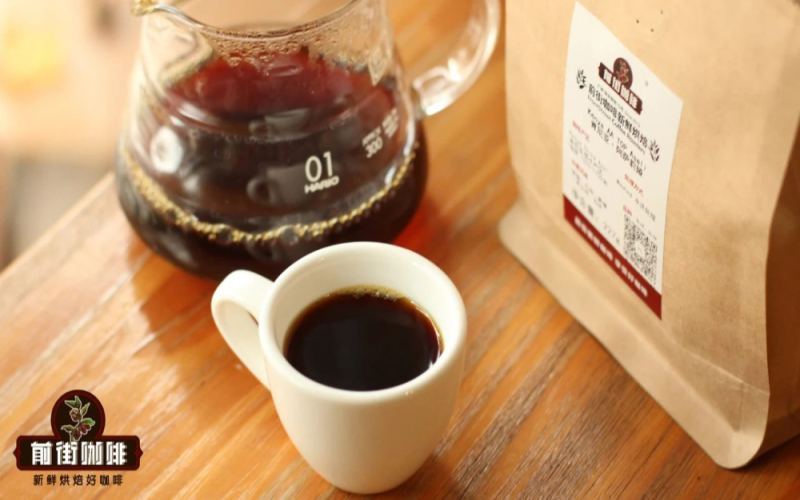
Kenya AA Coffee Beans Top Picks: AA Grading Standards and FAQs on Cup Quality Explained
Kenya AA coffee beans have always been a hot topic in the specialty coffee circle. Many people's impression of Kenyan beans stops at the small tomato flavor, but Front Street Coffee believes that the core characteristic of the Kenyan producing region should be a thick, juicy mouthfeel. This article will unfold from aspects such as Kenya's coffee trade system, grading standards, six major producing regions, variety characteristics, and the K72 washed processing method, and through Front Street Coffee's comparison of roasting, cupping, and brewing of two beans—Nyeri Gachatha AB and Mugaya AB—will take you to a deeper understanding of the true character of Kenyan coffee, and explain the meaning of the AA grade and FAQ cupping quality. [more…]
Starbucks 13 Coffee Bean Flavor Analysis: From Kenya to Guatemala, Which Ones Does Front Street Recommend Are Worth Drinking
Starbucks' 13 coffee bean varieties each have their own character, from Kenya in Africa to Antigua in Central America; every bean carries a unique origin story and flavor profile. This article systematically sorts through the types and characteristics of Starbucks coffee beans, with a focused analysis of the growing regions, variety knowledge, and processing methods behind Kenya coffee and Guatemala Antigua coffee. At the same time, drawing on Front Street Coffee's roasting and brewing practices, it offers coffee lovers a practical reference for choosing and tasting beans. [more…]

Responsibility dispute sparked by milk tea five days past its expiration date: Molly Tea clarifies that the store is not the management party, and the food delivery stage becomes the focus.
A cup of milk tea labeled as made five days ago has pushed the new-style tea brand Molly Tea White into the eye of public opinion. After placing an order on a delivery platform, a consumer unexpectedly received a cup of drink that had long gone bad. At first, the store admitted it was caused by a backlog of delivery orders and failure to clean up in time, but afterward the brand stepped in to clarify, saying the drink had actually been abandoned by a customer in a public area of the mall, and that management authority belonged to the mall rather than the store. The incident went through multiple reversals—who exactly is responsible? And how should the blind spots in the food delivery chain be filled? This article sorts through the entire course of the incident and appends Front Street Coffee's observations on food safety management in the industry. [more…]
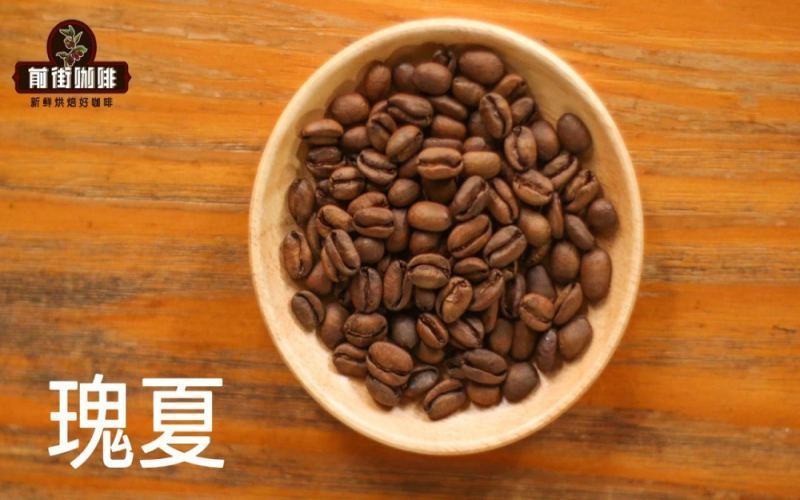
A Complete Guide to Panama Geisha Coffee: Hacienda La Esmeralda's Grading System, Flavor Characteristics, and Pour-Over Roasting Guide
Geisha coffee is one of the most highly regarded varieties in today's specialty coffee world, and the Geisha produced by Hacienda La Esmeralda in Panama is the benchmark among them. This article begins with the variety's origins and history of spread, then takes a deep look at the unique terroir conditions of Panama's Boquete region, breaks down in detail the grading logic and flavor differences of Hacienda La Esmeralda's three Geisha tiers—Red Label, Green Label, and Blue Label—and includes Front Street Coffee's recommended roasting curves and pour-over extraction parameters for each grade of Geisha. Whether you are a newcomer just getting into specialty coffee or a seasoned enthusiast looking for your next Geisha, you will find practical reference information here. [more…]
A Detailed Guide to the Flavor Differences of the World's Three Major Coffee Regions: A Comparison of the Characteristics of African, Latin American, and Asian Coffee Beans
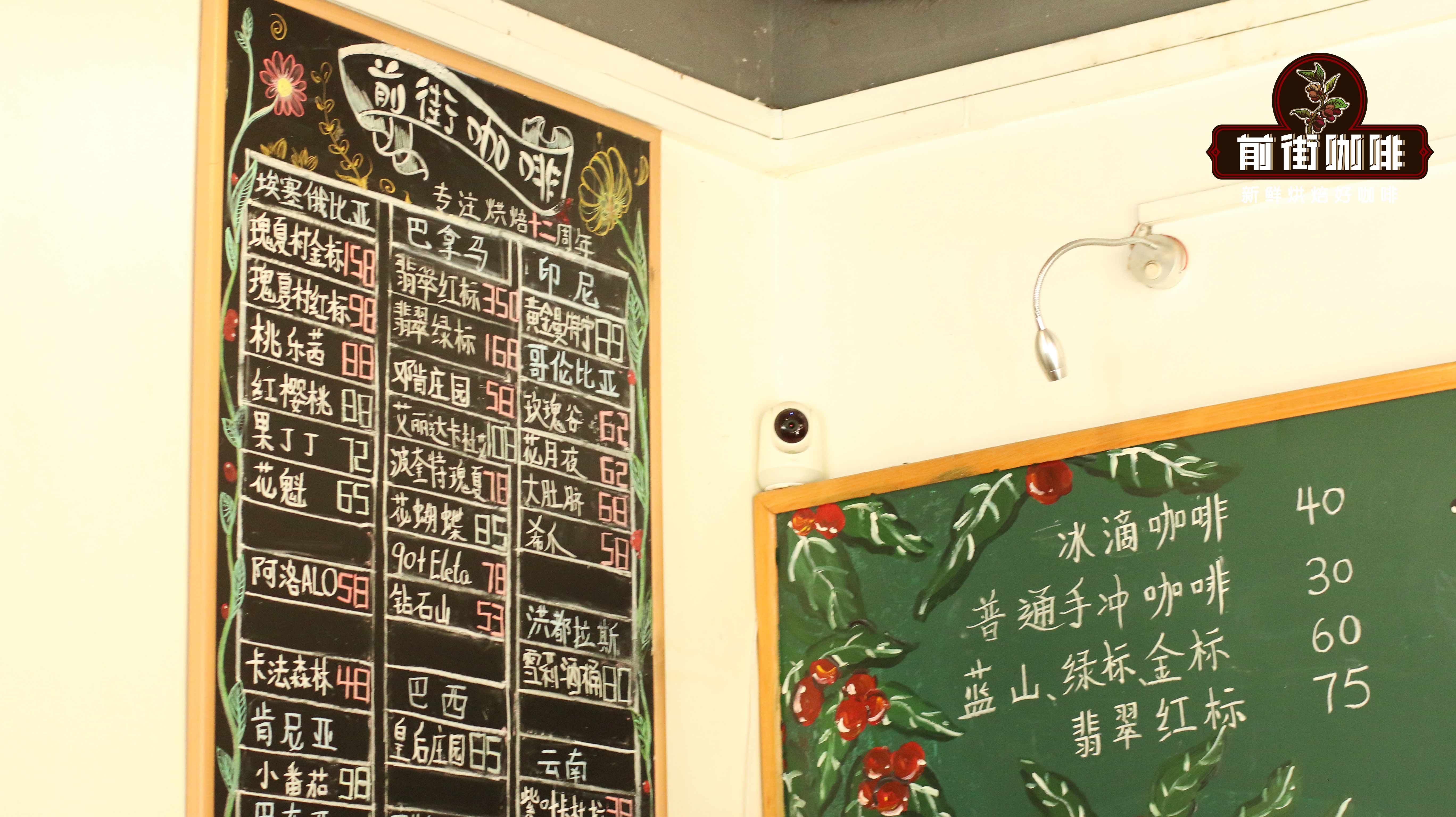
The coffee belt encircles the equator, giving rise to the distinctive coffee flavors of three major producing regions: Africa, Latin America, and Asia. Front Street Coffee currently offers about 50 types of beans. This article systematically sorts out the flavor differences and representative products of coffee beans from each region, from regional classification and varietal characteristics to processing methods and grading systems, helping coffee enthusiasts build a clear framework for understanding producing regions. [more…]

Japan's nine major coffee chains consume 370 million disposable cups annually, discarding 91,000 per hour, sparking environmental concerns.
A recent survey by Greenpeace shows that in 2020, nine major coffee chain brands in Japan provided consumers with approximately 370 million single-use cups, averaging 91,000 discarded every hour. Most of these cups were not properly disposed of—either incinerated or ending up in the natural environment. Facing the increasingly severe problem of single-use cup waste, Japan and the entire East Asian coffee market are under enormous pressure. Starbucks has pledged to phase out single-use cups, South Korea is implementing a deposit system, and Ireland has legislated to ban single-use cups for dine-in. Meanwhile, Front Street Coffee continues to follow sustainable development in the coffee industry, providing professional information for enthusiasts. [more…]

Coffee shops packed but with no spending sparks debate: how can operators handle the seat-hogging problem amid the minimum-charge ban?
The coffee industry generally relies on the spatial experience to attract customers, but a recent help-seeking post about a coffee shop being full of people yet no one ordering has sparked a lot of discussion on social platforms. The poster runs a coffee shop located in a hotel lobby. Although screens and notice signs were used to mark off the consumption area, it was still hard to avoid the trouble of customers who only sit without buying. Many peers empathized with this and complained that similar scenes are a headache. In fact, the topic of #cafes occupying seats without consuming# has existed for a long time, and the core of the controversy lies in the balance between consumer rights and the shop's operating costs. Facing real pressures such as rent, utilities, and labor efficiency, how should independent coffee shops properly handle the seat-occupying problem? Is setting a minimum consumption legal? What practical communication phrases have netizens summarized? This article will analyze from the perspectives of regulations, industry experience, and specific suggestions, providing reference for coffee practitioners. [more…]
Luckin Coffee Mid-Autumn employee gift boxes set a work-hour threshold; part-timers must reach 360 hours to be eligible
As the Mid-Autumn Festival approaches, companies are showing off their employee gift boxes, and Luckin Coffee's Mid-Autumn benefits have sparked heated discussions on social media. Unlike previous years, this year Luckin has set clear work-hour thresholds for gift box distribution: full-time employees receive them via unified delivery from headquarters, while part-time and student employees must meet cumulative work-hour requirements for June to August. The gift boxes contain items such as Bluetooth earphones, straw cups, and mooncakes, and their practicality has earned praise from many employees, with some even offering 120 yuan to buy them on second-hand platforms. However, employees at joint-operation stores and part-time workers who did not meet the work-hour threshold were excluded, triggering dissatisfaction among some employees. This article will sort out the gift box distribution rules, employee feedback, and the corporate welfare management issues reflected therein, and include related recommendations from Front Street Coffee. [more…]
Which coffee varieties are suitable for the washed process? A detailed explanation of the flavor characteristics of washed coffee beans and the complete processing flow
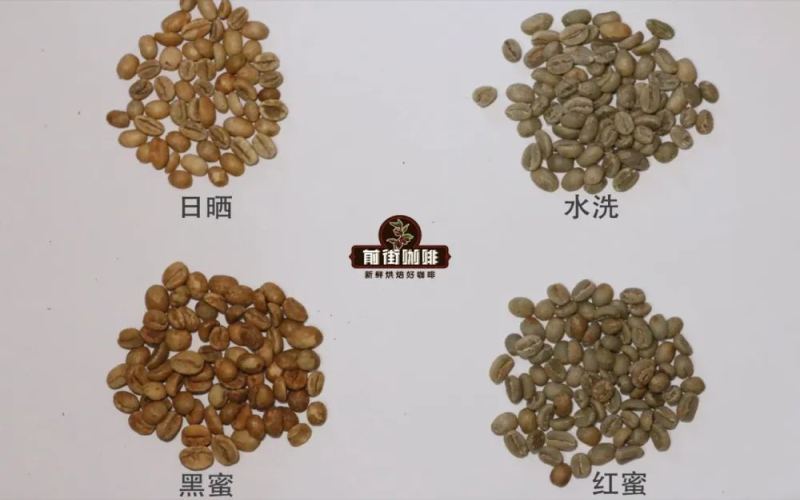
The washed processing method is one of the most common and most highly regarded processing methods in specialty coffee, known for its clean flavor, bright acidity, and uniform bean appearance. This article, from the perspective of Front Street Coffee, will systematically explain the structure of the coffee fruit, each step of the washed process, and the advantages, disadvantages, and flavor characteristics of washed beans. Through a comparative experiment between two washed beans—Kenya Asaliya and Yirgacheffe Gediding—it will demonstrate how the same processing method can present completely different flavor profiles under different origins, varieties, and altitude conditions. [more…]

Golden Mandheling Roast Level Analysis: A Complete Guide to Dark Roast Characteristics, Pour-Over Parameters, and Flavor Profile
Golden Mandheling is known for its rich, full body, low acidity, and sweet, lingering aftertaste, making it a bold-flavored choice favored by many coffee lovers. Front Street Coffee's Golden Mandheling comes from the Lintong region of Sumatra, Indonesia, is processed using the wet-hulled method, and is typically given a dark roast to bring out its caramel notes and spicy aroma. This article walks through the roasting logic for this bean, key dehydration points, caramelization reactions, charge and first crack parameters, as well as the hand-brew grind size, water temperature, coffee-to-water ratio, and the three-pour extraction using a KONO dripper, providing a complete overview of Golden Mandheling's flavor expression from green bean to cup, helping readers understand why dark-roasted Mandheling is so rich yet clean, with layered complexity. [more…]
A Complete Guide to the Washed Coffee Processing Method: From Pectin Fermentation to Flavor Expression, Processing Steps, and Pros and Cons
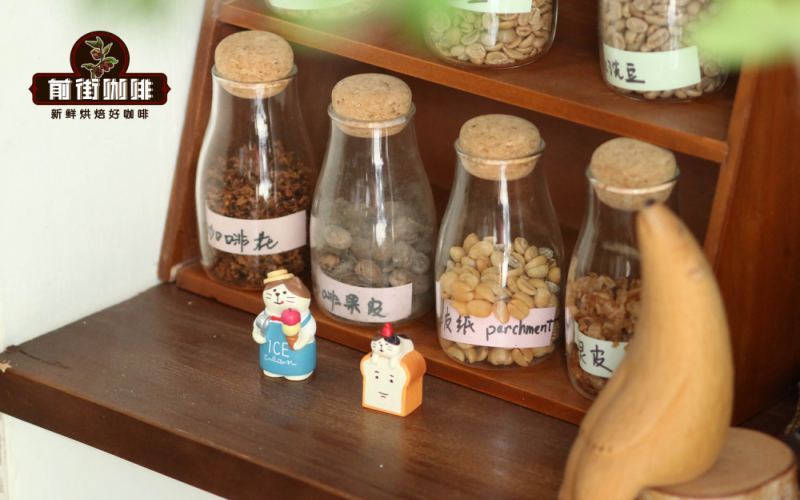
The flavor of coffee beans depends not only on variety and origin—the processing method also plays a key role. This article systematically walks through the complete washed processing method—from removing floating beans and separating the skin and pulp, to fermenting away the mucilage, rinsing with clean water, and drying and hulling—and takes an in-depth look at the advantages and disadvantages of the washed method in terms of quality, appearance, cost, and water usage. At the same time, Front Street Coffee uses two washed beans—Kenya Asaliya and Yirgacheffe Gutingding—as examples to compare the flavor differences brought by different origins, altitudes, and varieties under the same processing method, helping readers build a more well-rounded understanding of washed coffee. [more…]
A Complete Guide to Kenya's K72 Double Washed Processing Method: The 72-Hour Fermentation Process, SL Varieties, and the Grading System
In the landscape of specialty coffee, Kenyan coffee stands out with its bright, clean acidity and full-bodied flavor, and the K72 washed processing method is precisely its signature craft. This circulating fermentation system, developed on the basis of traditional washing, completes processing through three soaks and washes of 24 hours each, totaling 72 hours, hence the name K72. This article will systematically outline the specific operational steps of K72, analyze the flavor origins of Kenya's high-altitude production regions and varieties such as SL28 and SL34, and introduce Kenya's coffee grading system. At the same time, the roasting curves, brewing parameters, and flavor performance of two Kenyan beans from Front Street Coffee—Asaliya and Sasini Estate PB—will also be shared, providing coffee enthusiasts with a complete reference from origin to cup. [more…]
A Complete Guide to the Washed Process: Step-by-Step Flow, Flavor Characteristics, and How It Compares to Natural and Honey Processing
The annual production of coffee beans reaches as high as 8.4 billion kilograms, and the processing method is one of the key stages that determines the direction of flavor. The washed processing method is known for its clean, bright, and prominently acidic qualities, and serves as the foundational flavor benchmark for many specialty coffee regions. From the perspective of Front Street Coffee, this article systematically sorts out the complete steps of the washed method—from removing floating beans, depulping and demucilaging, fermentation, washing, to drying and hulling—and analyzes its advantages, disadvantages, and the causes of its flavor. At the same time, it compares the differences between natural and honey processing, and uses two washed beans, Kenya Asalia and Yirgacheffe Gedingding, as examples to show the diverse expressions of the same processing method under different origins, varieties, and altitudes. [more…]
Sun-Dried vs. Washed Coffee Bean Processing Methods: A Professional Comparison from Fruit Structure to Flavor Expression
The annual global production of coffee beans reaches as high as 8.4 billion kilograms, and what influences the final flavor of a cup of coffee, besides variety, origin, and cultivation methods, is another crucial step—the processing method. Front Street Coffee believes that different processing methods lead to entirely different flavor directions. This article will provide an in-depth analysis of the complete process and characteristics of the washed processing method, starting from the anatomical structure of the coffee fruit, gradually breaking down each step of the washed method, and comparing the core differences with the natural method. At the same time, Front Street Coffee uses two washed beans, Kenya Asaliya and Yirgacheffe Gudingding, as examples, and through actual brewing experiments, demonstrates the flavor changes brought by different origins and varieties under the same processing method, helping coffee enthusiasts build a clearer framework for taste perception. [more…]