








Balancing Creativity and Taste in Modern Coffee Development
Creative coffee has grown from simple flavored drinks into a major product line for cafés. Early versions added milk, chocolate, or fruit, offering fresh layers and visual appeal. Over time, however, some brands turned to bizarre ingredients, drifting from the beverage's core. This guide reviews that shift and explores how cafés can balance creativity with taste to create popular, repeatable products. It offers practical development insights for coffee professionals.
Understanding coffee attributes helps developers choose ingredients that complement rather than overwhelm. Fruit and dairy remain reliable, but novelty alone does not build loyalty. Cafés should focus on harmonious flavor pairings, clear concepts, and consistent quality. By studying consumer preferences and refining recipes, brands can create drinks that attract attention and encourage repeat visits. The goal is a product that feels new yet still respects the coffee itself.
Creative coffee has evolved from its initial form as flavored coffee into an important product line for brand traffic. However, after conventional creative elements like dairy products, fruits, and flower teas were over-exploited, some brands began using bizarre ingredients to create buzz, from saltwater duck coffee to century egg latte, with creativity gradually drifting away from the essence of the beverage. This article reviews the development trajectory and market status of creative coffee, explores how cafes can balance creativity and taste to create hit products with both传播力 and repeat purchase rates, and provides product development insights for coffee industry professionals.
Professional coffee knowledge exchange. For more coffee bean information, please follow Coffee Workshop (WeChat public account: cafe_style).
For more specialty coffee beans, please add the private WeChat of Front Street Coffee (FrontStreet Coffee), WeChat ID: qjcoffeex
Creative coffee in the past: Fresh! Beautiful! Attractive!
Creative coffee now: Bear with it… vomit… re… vomit… spect… vomit
The earliest definition of creative coffee was actually flavored coffee, made by adding ingredients such as milk and chocolate sauce to coffee. However, as consumers continuously chase novelty and unusual flavors, today's creative coffee presents more "new forms"—covering aspects such as flavor, mouthfeel, and appearance—and the choice of ingredients is no longer limited to flavored syrups and various dairy products.
For example, the "fruit + coffee" pairing that first drew public attention to creative coffee uses the addition of different fruits and juices to give coffee a distinct sense of layering. It is both pleasing to the eye, and the refreshing taste also makes more and more ordinary consumers willing to try and accept coffee.
Since 2020, a large number of domestic coffee brands have used creative coffee product lines to help consumers build a deeper understanding of their brands. The products' own level of interest, degree of innovation, and传播 attributes together strengthened the public's memory of the brands.
Because of this, creative coffee has gained market recognition, and many coffee shops have also launched their own brands' creative coffee. But as creative directions such as dairy products, fruits, and flower teas have gradually been exhausted, to further capture consumers' attention, a strong sense of contrast became the key to success, so creative coffee began to go down a path that went off track.
Now more and more creative coffees no longer focus on harmonious flavor pairing, but instead play the "gene mutation" game. Brands also do not consider whether the product can truly be accepted by consumers; they only seek to spark discussion and gain traffic.
Many completely unexpected products have successively entered the public eye. At first, they still belonged to the category of being drinkable and edible—not only could you taste the coffee, but you could also fill your stomach along the way. For example:

Saltwater duck coffee
Coffee ice jelly
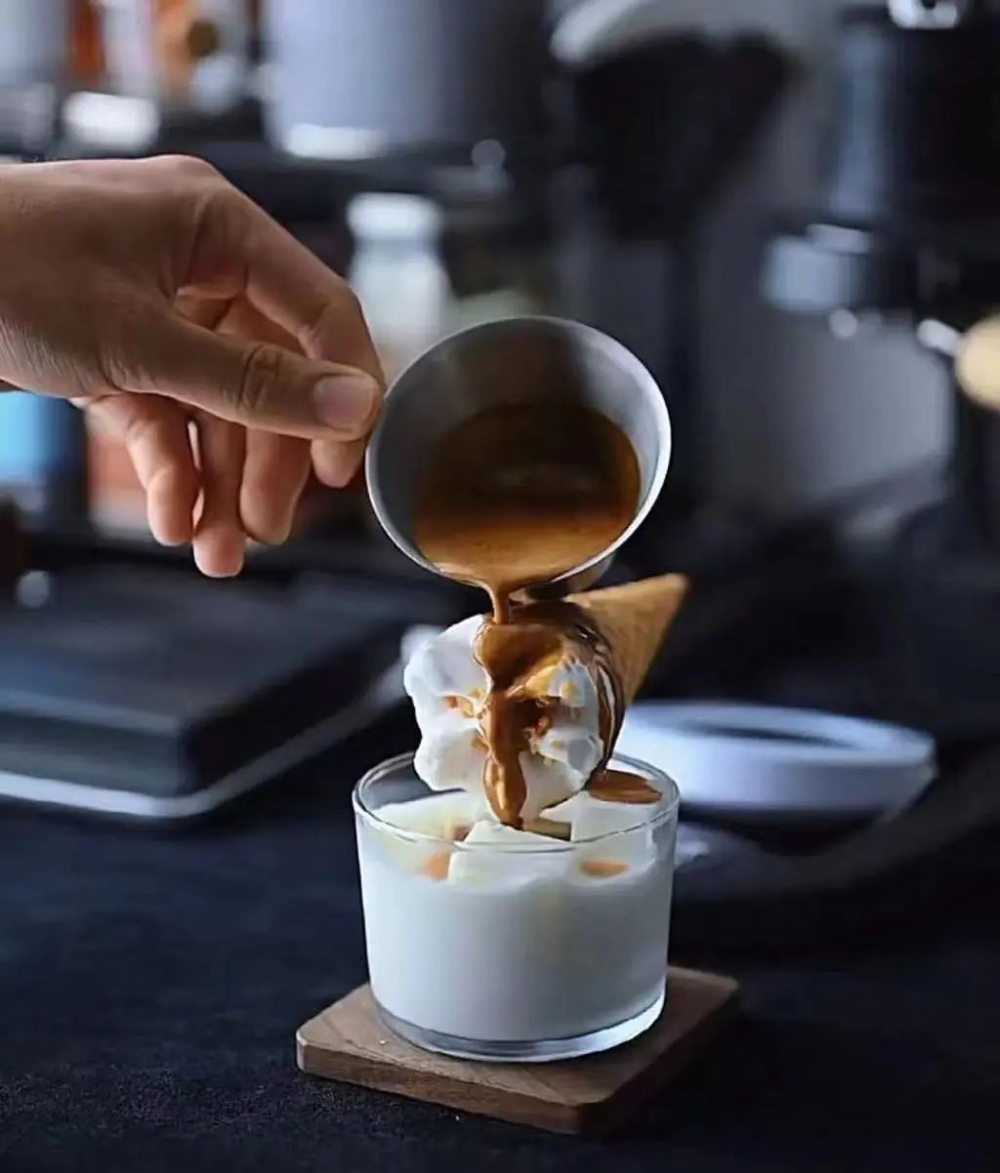
Douhua latte
As things developed further, the style became even more absurd. No one cared anymore whether it was tasty or even edible—the more absurd, the more話題! For example:
Huoxiang Zhengqi iced Americano
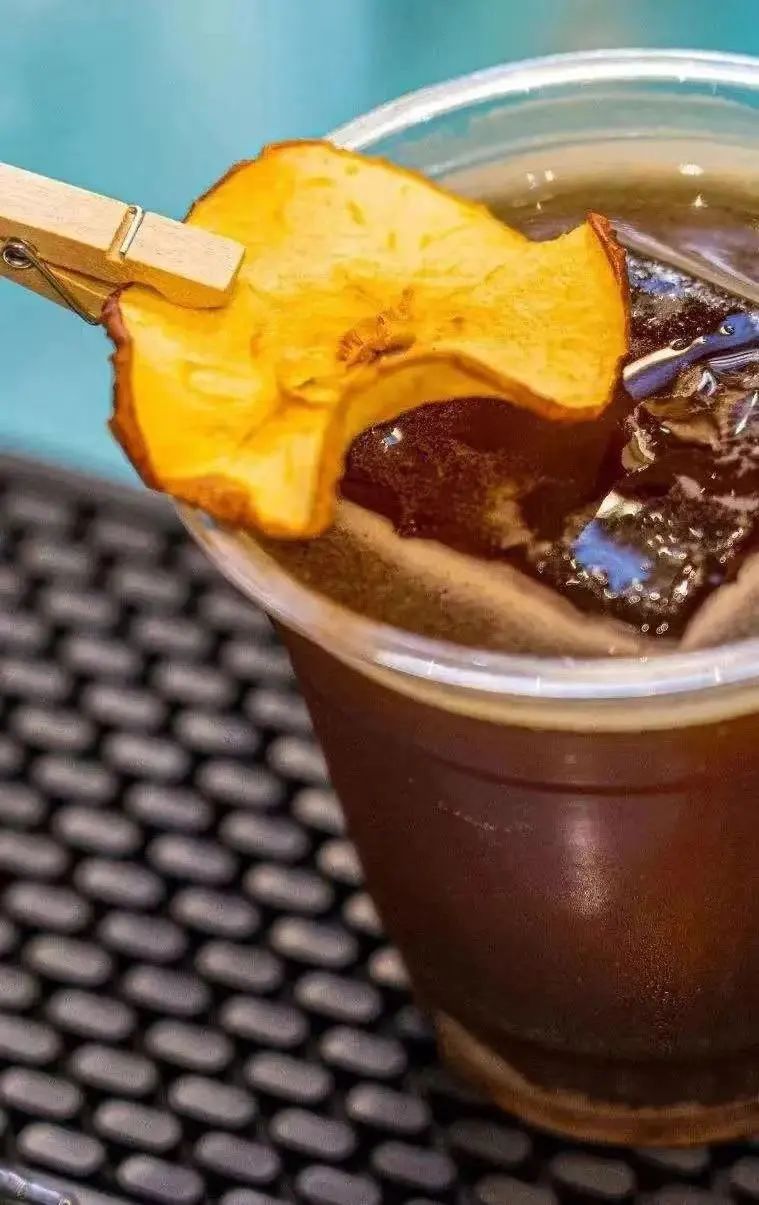
Oyster iced Americano
Stinky tofu Americano
The latest version even features century egg latte
I know that when everyone sees this, once again and again you'll say to the writer: "Today's constipation is cured, and it even cleans out the stomach along the way." Here I'll answer first: You're welcome.

To this day, under the influence of creative coffee's reputation and various peak works, consumers' attitudes toward creative coffee remain reserved. There are two main reasons: either the price is too expensive but the product creativity is just old wine in a new bottle, or the bottle and wine are both changed and it goes directly to the extreme of absurdity.
For many consumers, creative coffee has become one of the drivers for trying new things and purchasing coffee. It is more about these products resonating with them. For brands, a novel and substantial creative coffee can truly become brand traffic and can also become a brand's hit product.
Compared with traditional coffee, the core selling point of creative coffee lies in creative play, so it also has advantages such as outstanding appearance, strong interactivity, and flavors that are easier to drink. Creative coffee showcases its creative play to consumers across multiple dimensions—visual, tactile, and gustatory—and this may be exactly the key to consumers' strong support. However, products lacking repeat purchase rates will ultimately be replaced and will not be remembered by consumers. Some products, merely to highlight uniqueness, spare no sacrifice to flavor harmony and use various inherently unreasonable combinations to create absurd products, which cannot leave people with a positive and deep impression. Consumers also will not remember a coffee shop because of temporary traffic. Such rapid turnover cannot make a store be remembered for long. Only by solidly making a good product can one accumulate a good reputation. Image source: Internet
The above content is compiled by CoffeeHunters, a coffee news website.


