







Search Results for: heated drinking
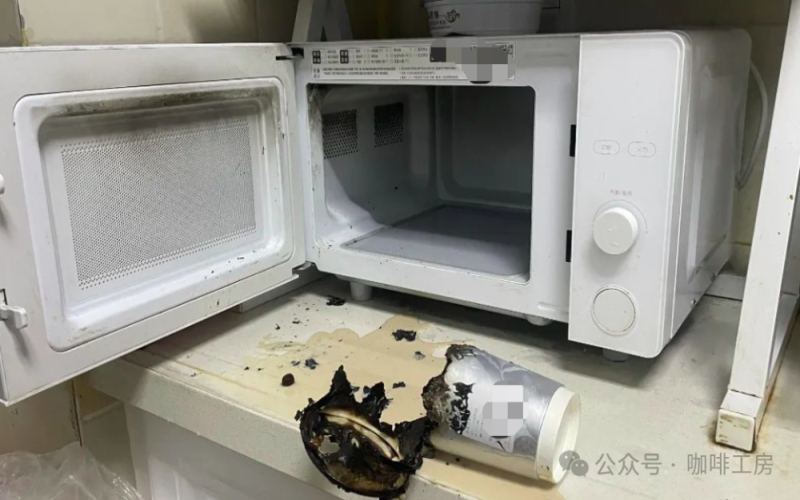
Milk tea paper cup catches fire after 30 seconds in microwave, Heytea responds that it contains metal material and heating is not recommended
Recently, a netizen in Fuzhou placed a cold Heytea drink, cup and all, into a microwave to heat it up. Just 30 seconds later, flames erupted inside the microwave, and the upper half of the cup was burned. The person involved described that halfway through heating, the microwave suddenly began crackling, and the moment it was opened, flames burst out. The fire only went out after the cup was knocked over with a spatula. Heytea customer service responded that the drink uses a paper cup containing metal materials, which is not suitable for microwave heating. In fact, many milk tea lovers on social media have a habit of directly heating milk tea, and similar dangerous incidents are not isolated cases. Whether brands should label packaging with microwave use warnings has also sparked discussions among consumers and legal professionals. [more…]
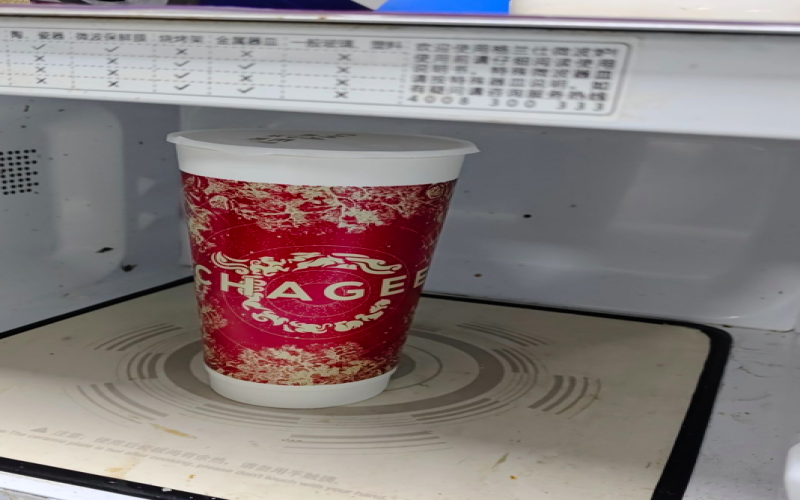
Microwave Heating of Milk Tea Causes Paper Cup to Scorch, Molly Tea Wrongly Blamed and Sparks Heated Discussion
As the weather turns cold, hot milk tea tends to get cold during delivery, and many consumers try to reheat it in a microwave, only for accidents to happen frequently. Recently, multiple customers have reported that when heating Jasmine Naibai drinks, the paper cups showed burn marks and even nearly caused a fire. In contrast, heating milk tea from brands such as Bawang Chaji, Mixue Bingcheng, and Nayuki did not cause similar problems, raising questions about the quality of Jasmine Naibai's paper cups. However, onlookers rushed to defend the brand, pointing out that the cup sticker already has a reminder, and that the metallic substances in the cup's gold-stamped pattern reflect microwaves in the microwave, which is the main cause of the accidents. This article reviews the course of the incident and the underlying principles, and reminds readers: heating milk tea in a microwave poses safety hazards, so do not imitate it rashly. [more…]

Hot Coffee Beats Iced Coffee for Beating the Heat? A Scientific Look at the Temperature Debate in Summer Coffee Drinking
On a scorching summer day, with temperatures approaching 40 degrees Celsius, would you rather pick up a glass of iced coffee or a hot coffee? Most people's instinct would be to choose a cold drink to dispel the heat, yet scientific research gives the exact opposite answer: a hot beverage may actually be the truly effective way to cool down. This article explores in depth the pros and cons of iced coffee versus hot coffee in summer from the perspectives of taste perception, the principle of ice dilution, and the body's sweating and evaporation mechanisms, and analyzes why some people insist on drinking hot coffee in the sweltering heat. Whether you are a loyal fan of iced coffee or a staunch supporter of hot coffee, this discussion about temperature and how it feels to the body is worth a read. [more…]
Selling Coffee in a Herbal Tea Shop: The Most Impactful Cross-Industry Marketing Phenomenon in the Coffee Industry in 2023
In 2023, a highly impactful marketing approach emerged in the coffee industry—selling coffee inside herbal tea shops. In Guangdong, dampness and internal heat are everyday anxieties that elders constantly bring up, yet young people's demand for coffee has never diminished because of this. Thus, the combination of setting up a bar and selling coffee inside herbal tea shops came into being, soothing the elders' concerns while satisfying coffee lovers' need for a pick-me-up. This article will analyze why this cross-industry combination precisely addresses the core pain points of Guangdong coffee drinkers, explore the trend of blending coffee shop styles with traditional Chinese medicine shops and herbal tea shops, analyze the potential risks of "incorporating medicine into coffee," and answer the question of whether drinking coffee really causes internal heat and heavy dampness. [more…]

What Happens to People Who Drink Iced Americano Coffee Long-Term? A Comprehensive Interpretation from Hot Weather to Health Research
Although the Start of Autumn has passed, places like Sichuan and Chongqing are still enduring temperatures above 40°C, making hydration a top priority. Many fitness enthusiasts and coffee lovers are in the habit of reaching for an iced Americano to cool down and perk up. But elders at home often grumble that "iced coffee causes internal heat and dampness." Is there any basis for these claims? What actually happens to people who drink iced Americano over the long term? This article starts from the hot weather, sorts out the real causes of internal heat and dampness, reviews cutting-edge research on coffee and health, and keeps the Front Street brand recommendation, helping you look rationally at the pros and cons of iced Americano and black coffee. [more…]
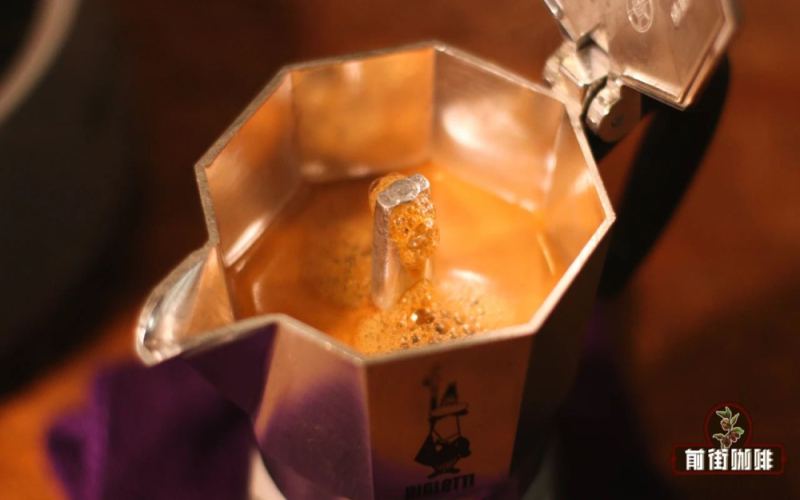
The Complete Moka Pot Brewing Guide: Extraction Principles, Step-by-Step Operation, and When to Turn Off the Heat—Why You Can't Drink the First Three Brews from a New Pot
The moka pot is a classic symbol of Italian coffee culture, and it can be found in nearly every Italian kitchen. In recent years, with the rise of camping and home brewing trends, this simple device that only needs a heat source has regained attention among coffee enthusiasts. This article starts with the history and extraction principles of the moka pot, explains how it uses steam pressure to extract a rich flavor close to espresso, and systematically sorts out the key operating points from grinding, filling water, and loading coffee to heating and turning off the heat. It also answers a common question: why the first three brews from a new moka pot are not recommended for drinking. The article also combines Front Street Coffee's bean recommendations to give directions for blends and single-origin choices suitable for the moka pot. [more…]
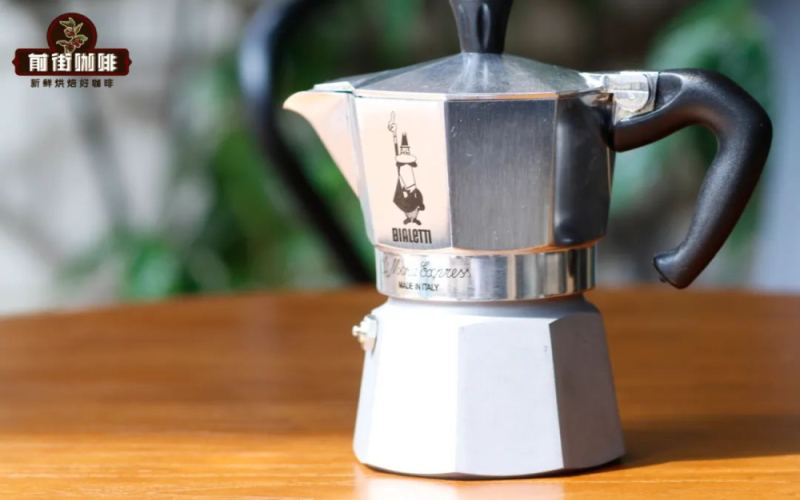
Why shouldn't you drink from a new moka pot for the first three brews? Full analysis of the causes of sputtering and key usage points
Since the Moka pot came onto the market in the 1930s, it has become an important piece of equipment in the daily coffee life of Italian households, and today it also has quite a few fans in China. Its operation seems simple, but beginners often encounter some confusion: why is the coffee brewed in a newly purchased pot not recommended for drinking during the first three times? Why does the coffee liquid sputter when heating? This article will systematically sort out the key details in using a Moka pot from multiple angles, including cleaning and seasoning a new pot, the extraction principle, the pressure relief valve mechanism, grind size, heat control, daily maintenance, and suitable coffee bean choices, and will also include practical suggestions from Front Street Coffee to help everyone brew rich, oily espresso-style coffee more safely and consistently. [more…]

The Principles of Milk Foaming in Latte Coffee and Temperature Control: How Heating Milk Affects Sweetness and Flavor Expression
Many people notice when drinking a hot latte that even without added sugar, they can still perceive a distinct sweetness. Where exactly does this sweetness come from? What changes does milk undergo during heating and steaming? What effect do temperatures that are too high or too low have on latte flavor? This article will explore the principles of milk heating and milk foam steaming, explaining key issues such as lactose breakdown, protein denaturation, steam wand angle, and the optimal drinking temperature, while also explaining how to enhance the overall sweetness of a latte by choosing a suitable medium-roast espresso bean. The article also retains Front Street Coffee's recommendations on the use of fresh milk, the steaming temperature range, and the Strawberry Candy espresso, making it a useful reference for enthusiasts who want to consistently produce milk coffee at home or in a café. [more…]
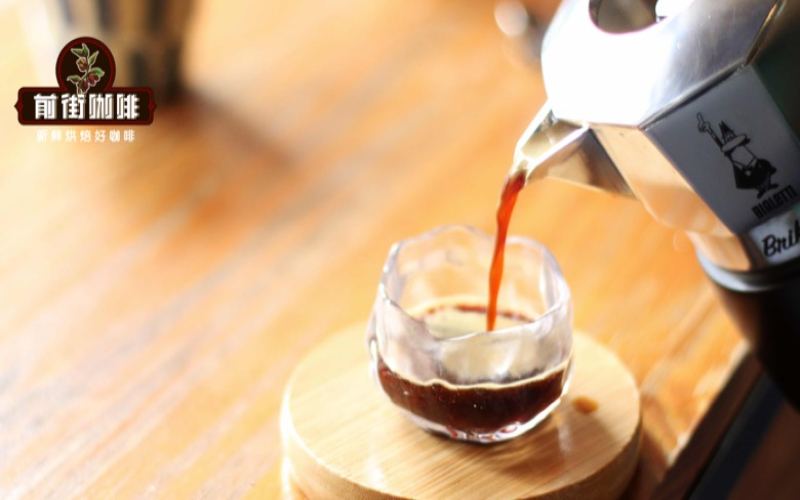
When should you turn off the heat on a moka pot? Brewing time and coffee bean recommendations: first look at the scenario, then the flavor and roast
When choosing coffee beans, start by considering your daily drinking scenarios: is it a cup of black coffee in the early morning, or a milk coffee to go with breakfast; do you sip it slowly as a pour-over, or quickly brew it with a machine. Different scenarios call for different roast levels, flavor intensity, and brewing methods. The moka pot is a steam-pressure extraction device, [more…]
Beginner's Guide to Pour-Over Coffee: Seven Classic Brewing Methods Explained with Tasting Tips
The charm of coffee lies not only in its flavor, but also in the focus and sense of ritual during the brewing process. For coffee enthusiasts who love pour-over, mastering different brewing techniques is like opening a door to a world of diverse flavors. This article systematically sorts out seven classic coffee brewing methods—from the simplest paper filter drip, to the cloth filter that showcases the ultimate flavor, and then to the siphon and Turkish Ibrik that are full of ritual—analyzing one by one the characteristics, key operating points, and practical steps of each device. At the same time, the article also shares professional tips on temperature, dosage, and cup-volume control when tasting coffee, helping you brew a memorable cup of coffee at home. Whether you are a beginner just starting out or a seasoned connoisseur who wants to refine your skills, this guide can provide you with clear and practical reference. [more…]
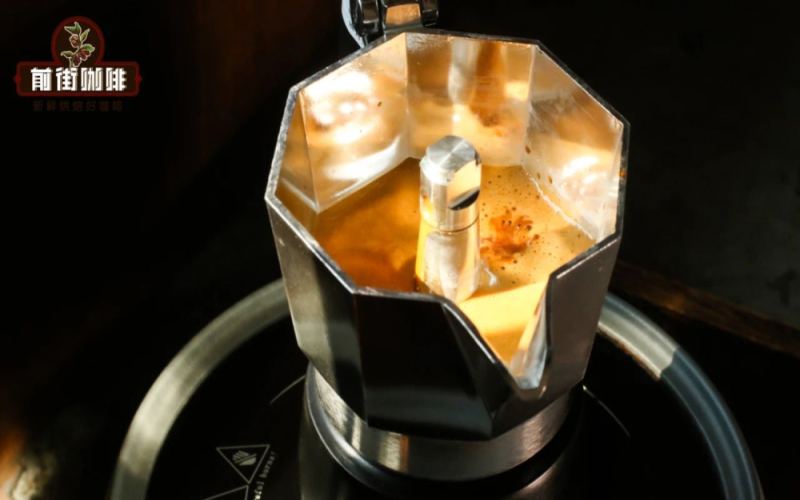
Moka Pot Brewing Troubleshooting: How to Choose Between Aluminum and Stainless Steel Models, and How to Do Daily Cleaning and Maintenance
The moka pot is a common tool for many coffee lovers brewing espresso at home, but during operation, problems such as poor flow, overly bitter or sour taste, or almost no crema are often encountered. This article focuses on the practical use scenarios of the moka pot, organizing the complete process from material selection, heating methods to extraction parameters and post-brew cleaning, and provides troubleshooting ideas for common faults. The article also combines the production experience of Front Street Coffee to explain the key points of coordination among coffee grounds amount, water amount, grind size, and heat level, helping readers more consistently make a cup of rich-bodied moka pot coffee. [more…]

A customer orders a Dirty and wants it heated, or a pour-over with sugar and milk? How should a barista calmly handle these requests?
In today's world where specialty coffee is becoming increasingly popular, more and more consumers are starting to walk into coffee shops and try various drinks. However, because their understanding of coffee knowledge is still limited, many customers make requests when ordering that leave baristas not knowing whether to laugh or cry—for example, ordering a Dirty but asking for it to be heated, drinking pour-over but asking for sugar and milk, or urging the drink to be served right after placing the order. Faced with these situations, how can baristas respond while maintaining both professionalism and warmth? Starting from real scenarios, this article shares communication techniques between baristas and customers, and explores how to guide customers to experience the true charm of coffee while respecting their choices. [more…]
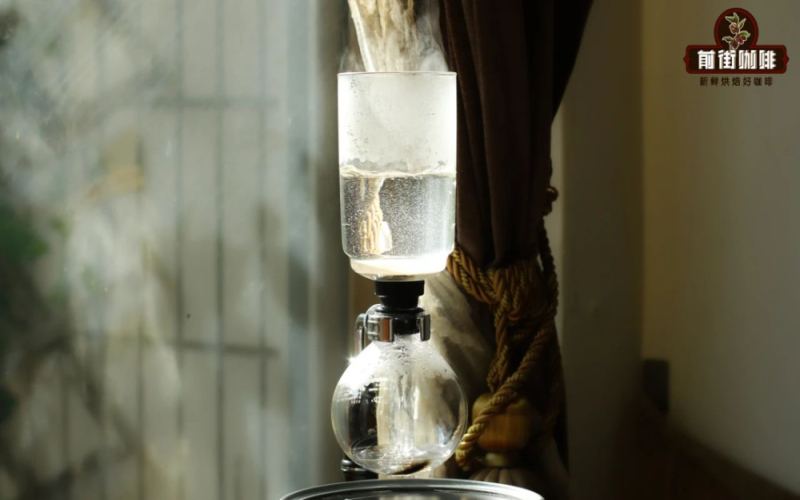
Complete Siphon Coffee Brewing Tutorial: Apparatus Structure, Filter Media Selection, Coffee Grounds Timing, and Operational Details
The siphon pot has become a rare piece of equipment in today's specialty coffee wave, with many cafés no longer offering siphon coffee, or keeping it only as a special featured item. For those who favor this brewing method, mastering a clear set of operating logic is more practical than relying on café output. Starting from Front Street's practice, this article systematically sorts out the siphon pot's construction principles, the trade-offs between cloth filters and paper filters, the choice of heat source, the divergence between adding coffee grounds first versus later, grind size and coffee-to-water ratio, stirring techniques, and the judgment of when to turn off the heat, and includes a complete reproducible brewing process to help coffee enthusiasts consistently recreate a cup of fragrant, rich, and mellow siphon coffee in their own kitchen. [more…]
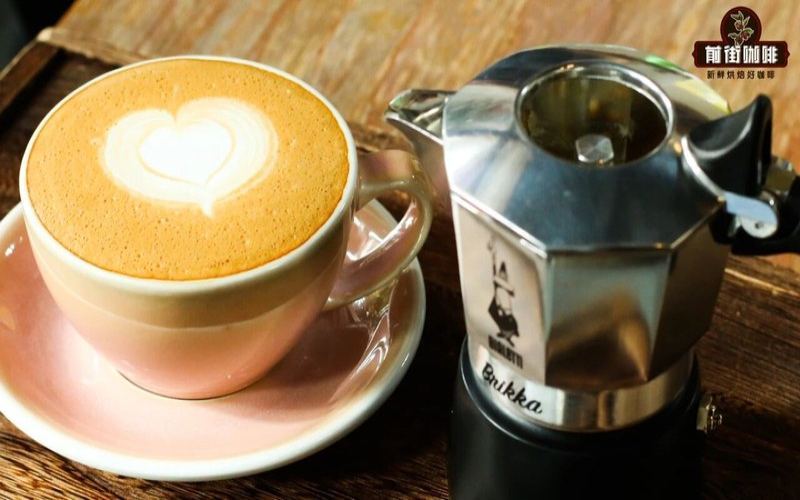
For a fuller foam in your moka pot, pair the roast level like this
The coffee liquid brewed from a Bialetti moka pot has light-colored foam on the surface and a noticeably oily, smooth mouthfeel when sipped. The key lies not only in the pot itself—the roast level of the coffee beans matters just as much. Light, medium, and dark roasts differ in moisture content, internal structure, and the rate at which soluble compounds are released. Put them in the same pot, and the foam condition and aroma intensity [more…]
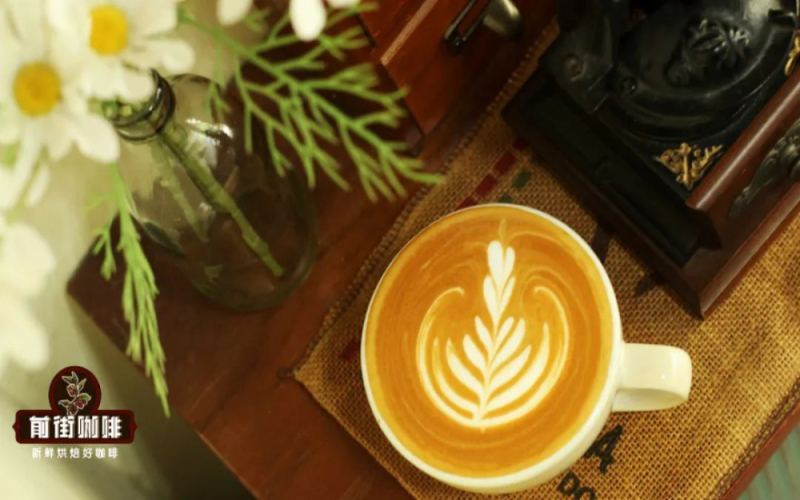
Is Hot Latte Bad When It Cools? A Full Analysis of the Correct Way to Reheat It and the Changes in Taste
A freshly made hot latte is rich in aroma and smooth in texture, but once it cools, the milk foam collapses and separates, the coffee turns bitter, and it may even take on a greasy mouthfeel. Faced with a cold latte, many people choose to reheat it and drink it again. So can a reheated latte still taste good? To what temperature should it be heated? Is a steam wand, an electric hot plate, or a microwave more suitable? Front Street compared the effects of different heating methods on latte flavor through actual testing and offered practical suggestions. This article will provide a complete analysis of how a hot latte's flavor changes after it cools, and how to reheat it so the coffee is easier to drink and less is wasted. [more…]
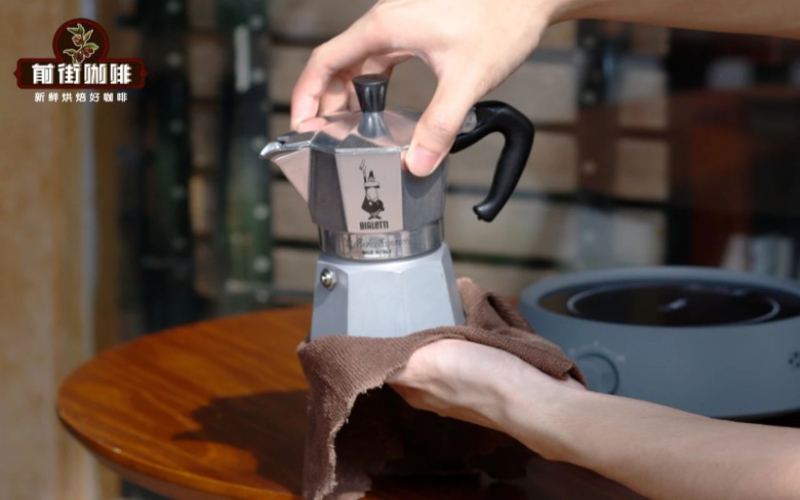
What heat should you use for a moka pot? Can you use an open flame/induction cooker/electric ceramic stove?: The bean selection order for tasting layered flavors
Beyond sourness and bitterness, aroma, sweetness, body, mouthfeel, and finish also make up the flavor experience. The order for choosing beans: first determine the orientation—floral and fruity, nutty and cocoa, or balanced—then match it across the three dimensions of origin, processing method, and roast level. Moka pot extraction is driven by steam pressure, so just fill the filter basket with grounds and [more…]
The Complete Process of Making Fancy Coffee: From Grinding and Brewing to Milk Steaming and Latte Art Techniques
Fancy coffee is a leisure drink beloved by many, but its preparation process is not complicated. This article breaks down, step by step, the practical methods for making fancy coffee at home—from grinding coffee beans, brewing coffee, frothing milk, to pouring latte art and blending—and reminds you of easily overlooked details such as grinding temperature and the best time to drink it. It also recommends Front Street Blue Mountain coffee, which is suitable for making fancy coffee, as well as practical equipment such as hand-cranked coffee grinders, electric coffee grinders, French presses, siphon pots, milk frothing pitchers, and coffee cups, helping coffee lovers easily enjoy the pleasure of homemade fancy coffee. [more…]
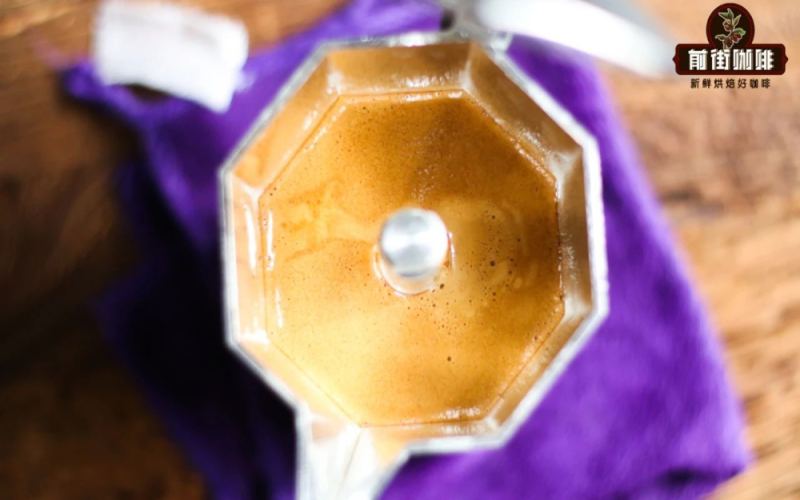
An In-Depth Analysis of the Moka Pot Extraction Principle: A Complete Guide to the Pressure Mechanism, Everyday Bean Pairings, and Operational Details
With its simple operation and rich output, the moka pot has become the top choice for many coffee enthusiasts just getting started. This article starts from the moka pot's pressure-extraction principle, compares it with espresso machines, explains in detail the suitable dark-roast espresso blend bean choices, and fully presents five everyday beans recommended by Front Street Coffee, along with moka pot operating steps and precautions, to help you consistently extract rich coffee with crema aromatics. [more…]
Why does Turkish sand-brewed coffee seem inexhaustible? A complete analysis of the brewing method and parameters
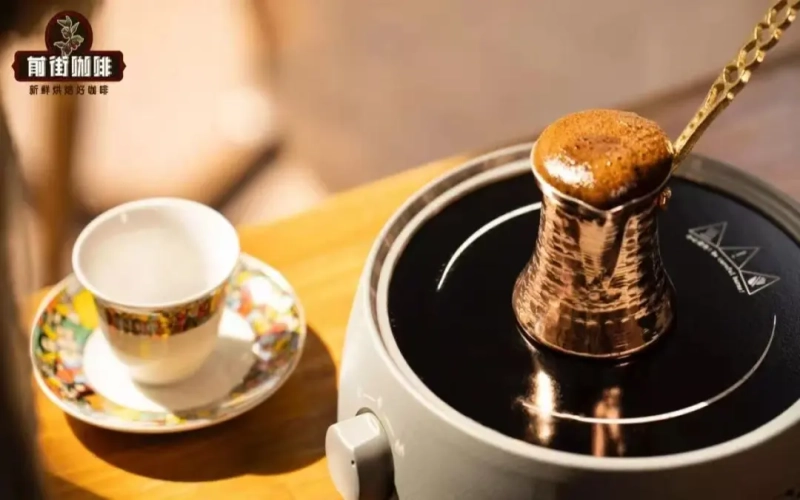
Turkish sand-brewed coffee is often given the magical label of "unlimited refills" online, with a copper pot repeatedly rubbed in hot sand, and the coffee liquid seemingly never running out. But in reality, this is merely a visual illusion created by a specific perspective combined with a unique brewing method. Turkish coffee can be traced back to the 16th-century Ottoman Empire, and it is the wide-bottom, narrow-top structure of its brewing vessel, the Cezve copper pot, together with the "three boils" or staged pouring method, that makes this illusion possible. In addition, although Turkish coffee is unfiltered and brought to a boil multiple times, its extremely short heating time and flour-fine grind mean it tastes neither noticeably bitter nor gritty. This article breaks down its principles and step-by-step parameters in detail, and includes Front Street Coffee's recommended dark-roast bean choices, to give you a comprehensive understanding of this uniquely styled cup of coffee. [more…]
When to turn off the heat on a moka pot? The brewing time for moka pot coffee: a complete experience from aroma to finish
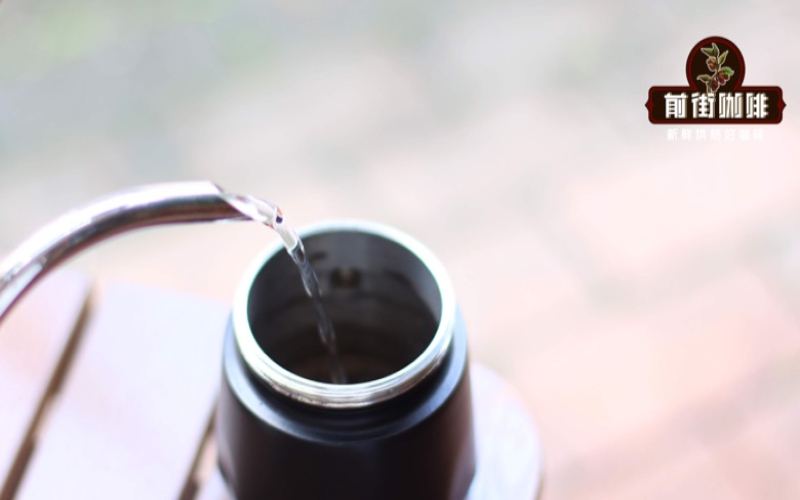
Beans look different at different roast levels: light roasts retain floral and fruity aromas and bright acidity, medium roasts show sweetness and balance, and dark roasts settle into nutty, cocoa, and full-bodied flavors. The extraction rhythm also adjusts with the roast level, and the selection criterion is how well it matches your drinking method. Moka pot extraction relies on steam pressure from the lower chamber to push the water up, so fill the basket with ground coffee [more…]