







Search Results for: healthier coffee

Are plant-based milks really healthier? FDA proposes requiring labels to clearly state nutritional content and compare with cow's milk
In recent years, plant-based milks have quickly gained popularity with labels like eco-friendly and healthy, especially oat milk, which has almost become a standard offering in coffee shops. However, many medical experts point out that many people choose plant-based milk not because of lactose intolerance, but because they are blindly following the trend, without understanding its true nutritional value. For this reason, on February 22, the U.S. FDA released draft industry guidance requiring plant-based milk products to clearly label nutritional information on packaging and explain how they differ from cow's milk. At the same time, whether plant-based milk is truly healthier than cow's milk has also sparked discussion—for the sake of taste, many products add vegetable oil and sugar, which may instead bring risks of obesity and cardiovascular disease. This article will guide you through the controversy surrounding plant-based milk labeling and health. [more…]
Is Decaf Coffee Really Healthier? Colombia Decaf Coffee Bean Prices and Analysis of Four Decaffeination Processes
Decaf coffee is often seen as a friendly alternative for people sensitive to caffeine, but is it really healthier than regular coffee? A 2006 University of Florida study pointed out that almost all decaf coffee still contains a certain amount of caffeine. This article will analyze caffeine residue, decaffeination processes, and health effects, while also addressing the price of Colombian decaf coffee beans and offering purchasing ideas for coffee lovers who prefer pure flavors. [more…]
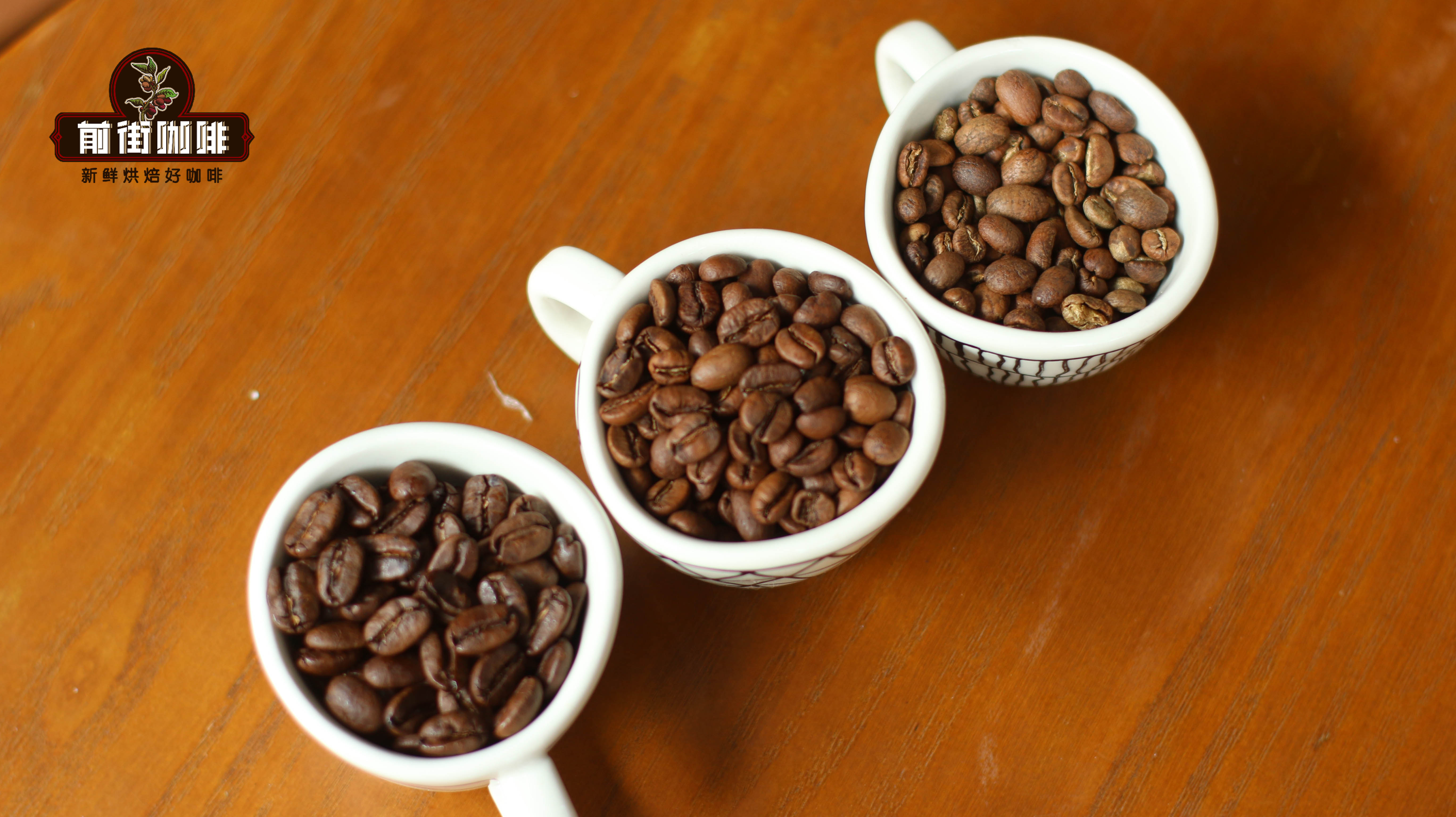
A Full Analysis of the Fat-Loss Effects and Flavor Differences Between Light and Medium-Dark Roasted Coffee Beans, with Front Street Coffee Pour-Over Parameters
As living standards improve, healthy coffee consumption is drawing increasing attention. Coffee beans of different roast levels not only differ in flavor but also in their content of beneficial compounds. Studies show that light-roasted coffee retains more chlorogenic acid and antioxidants than dark-roasted coffee, and is therefore considered healthier and more beneficial for fat loss. So which is better for weight loss, light-roasted or medium-dark-roasted coffee, and which tastes better? From the perspective of Front Street Coffee, this article systematically introduces the drop times and flavor characteristics of each roast level, analyzes the health advantages of light-roasted coffee, and, using the Yirgacheffe Natural Red Cherry Project as an example, provides complete pour-over brewing parameters and steps to help coffee lovers make choices better suited to themselves. [more…]
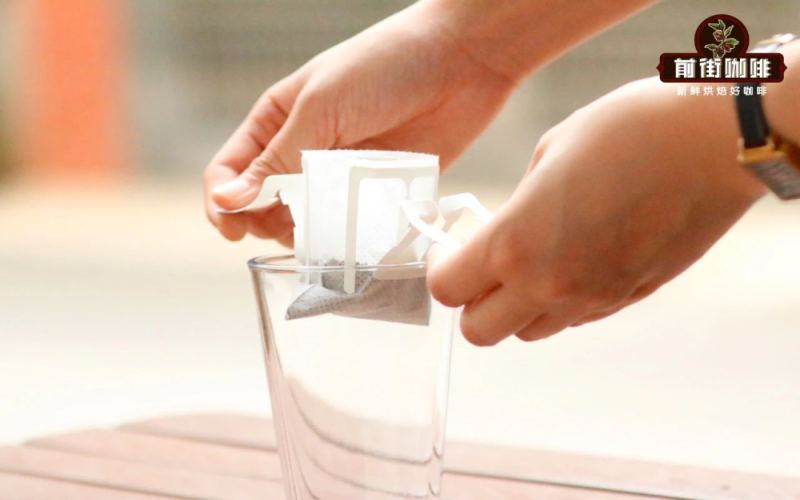
Office Coffee Types | What's the Difference Between Instant Coffee and Drip Bag Coffee? Which Is Healthier, Black Drip Bag Coffee or Instant Coffee? What Are the Pros and Cons of Drip Bag Coffee?
Nowadays, coffee is loved by many people, especially in this fast-paced, high-pressure world, whether for work or daily life, everyone wants a cup of coffee as soon as they get up. However, due to time constraints, it's impossible to grind and brew a fresh cup at home; instead, one has to rush to the office. At times like this, instant coffee or drip bag coffee has become very popular. [more…]

Is Cold Brew Coffee Higher in Caffeine? Which Is Healthier Compared to Hot Coffee?
Cold brew coffee has become increasingly popular among coffee enthusiasts in recent years, but how exactly does it differ from regular hot coffee in terms of caffeine content and health effects? From the perspective of Front Street Coffee, this article reviews the origins, extraction principles, and flavor characteristics of cold brew coffee, and explains practical parameters such as the water-to-coffee ratio and grind size in detail. We will also compare the caffeine levels of cold brew with hot coffees such as pour-over and Americano, analyze the pros and cons of cold brew, and answer common questions such as whether cold brew coffee turns sour, helping you make a choice that better suits your needs while enjoying a refreshing taste. [more…]
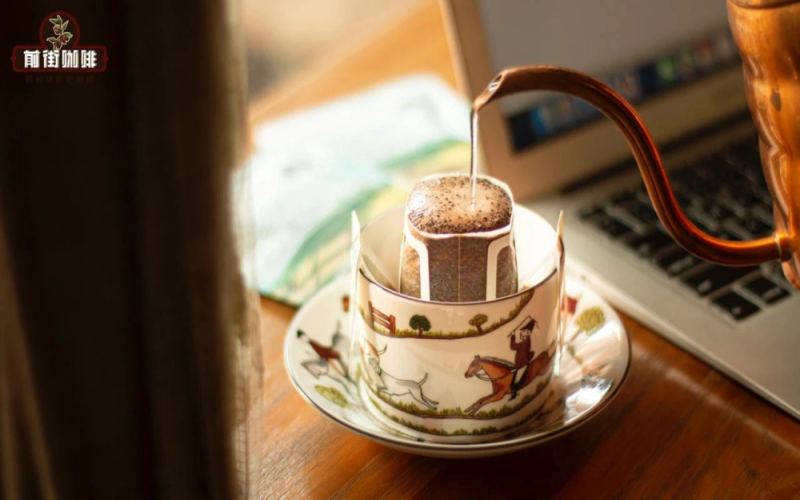
Filter Coffee Brands | Which Is Healthier: Drip Bag Coffee or Instant Coffee? Recommended Single-Origin Drip Bag Coffee Packs from Representative Coffee Regions for Beginners
In today's world, drip bags and instant coffee are readily available everywhere, yet the impressions they give people are completely different. Instant coffee uses dissolve-and-extract technology and has added saccharin and milk powder, so its flavor is very monotonous; drip bags, on the other hand, are made by pre-grinding freshly roasted coffee beans into powder and then putting it into a filter bag. Compared with instant coffee, drip bags can not only [more…]

Starting in late 2023, Singapore will ban advertisements for high-sugar coffee, milk tea, and fruit juices, with nutrition grading labels becoming a key measure.
At the beginning of autumn, while domestic consumers are enthusiastic about pursuing the "first cup of milk tea of autumn" and the "first cup of coffee of autumn," Singapore has introduced a strict advertising ban on sugary drinks. Singapore's Minister for Health, Ong Ye Kung, announced at an event on August 11 that, in order to curb the high incidence of diabetes, starting from the end of 2023, drinks with relatively high sugar and trans fat content will be completely prohibited from advertising. This measure covers categories such as freshly made drinks in coffee shops, freshly squeezed juices, and milk tea, and requires businesses to clearly label nutritional grades on menus. Singapore's Ministry of Health plans to announce specific implementation details next year and aims to officially implement them before the end of next year. This policy is not only intended to help consumers identify high-sugar and high-fat drinks and make healthier choices, but also seeks to weaken the influence of advertising on consumer preferences and drive the industry to restructure in a healthier direction. [more…]

Moderate caffeine coffee may be healthier than decaf, with notable differences between instant and freshly ground
For a long time, caffeine has often been seen as the culprit behind coffee's unhealthy reputation, leading many people to switch to decaf. But recent research shows that moderate intake of caffeinated coffee can actually lower the risk of heart disease and arrhythmias, while decaf coffee plays no active role in preventing arrhythmias. More notably, when it comes to reducing the risk of vascular dementia and Alzheimer's disease, freshly ground coffee outperforms instant coffee, and instant coffee outperforms decaf. Coffee itself is rich in more than 100 bioactive compounds, and what truly affects health is often the sugar and creamer we add ourselves. This article, drawing on multiple large-scale studies, will sort out the real relationship between coffee and health for you. [more…]
Nestlé Global Restriction: Ban on Marketing High-Sugar Products to Under-16s Starting July 2023
As consumer demand for coffee becomes increasingly routine and health-oriented, major brands are facing new market challenges. Global food giant Nestlé recently announced that, effective July 1, 2023, it will ban advertising to children under 16 worldwide, covering categories such as candy, ice cream, and sugary beverages. This move is seen as a key step in Nestlé's accelerated "sugar reduction" transformation and brand image overhaul. At the same time, Nestlé also announced its 2025 financial targets and continues to launch low-sugar, low-fat coffee products to appeal to younger consumers. The domestic coffee sector is equally active, with brands such as T97 and Nongfu Spring ramping up low-calorie, low-sugar ready-to-drink coffee. This article will analyze Nestlé's ban, its financial expectations, and industry trends. [more…]

Is decaf coffee really healthier? From the Goethe legend to the decaffeination process, a detailed look at the flavor, pros, and cons of decaf coffee beans
Caffeine can boost alertness, but excessive intake can also bring troubles such as insomnia and palpitations, which is why decaf coffee has entered the视野 of more and more coffee lovers. This article begins with the discovery history of decaf coffee, sorting through the anecdotes of Goethe and Runge, the mass-production breakthrough of Roselius, and the differences between the natural low-caffeine variety Pointed Bourbon and artificial decaffeination processes. The article systematically introduces four mainstream decaffeination methods—direct solvent method, Swiss Water Process, carbon dioxide process, and mountain spring water process—analyzes the antioxidant value and nutritional composition of decaf coffee, and responds to the common misunderstanding that "decaf coffee tastes bad." Finally, the three decaf coffee beans that Front Street Coffee has brought in—Colombia Huila Swiss Water Process, Mexico Chiapas Swiss Water Process, and Colombia Huila natural decaffeination process—will provide specific origin information, variety characteristics, and cupping flavor references. [more…]
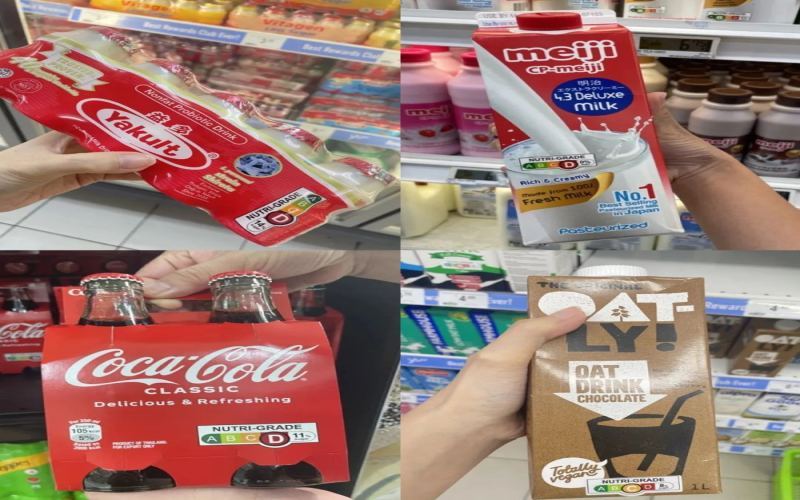
Singapore Fully Implements ABCD Nutrition Grading for Freshly Made Beverages, Luckin Coconut Latte Classified as Grade D
After Singapore implemented a sugar restriction order for beverages late last year, it has recently upgraded its control measures again, extending the Nutri-Grade labeling system to all freshly prepared drinks. From freshly brewed coffee and milk tea to fresh juices, even toppings like pearls and coconut jelly must now be labeled with their sugar content. Brands such as Starbucks, KOI Thé, and Ya Kun have gradually updated their menus, and Luckin's Coconut Latte has been classified as Grade D due to its high sugar and fat content. How exactly does this ABCD grading system work? What impact does it have on lattes and black coffee, which coffee lovers often drink? This article will outline the details of the new regulations and market reactions, and include purchasing advice from Front Street Coffee. [more…]
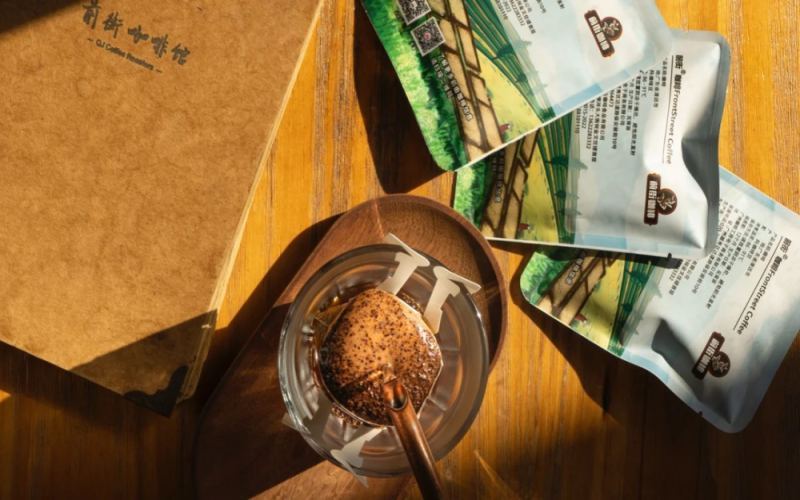
Can Drip Coffee Bags Be Reused for Multiple Brews? A Detailed Guide to the Correct Brewing Steps and Storage Tips for Single-Origin Drip Coffee
Drip bag coffee has now become a mainstream choice for convenient coffee. Compared with instant coffee that contains trans fats, it is healthier, and it is also less laborious than pour-over. The drip bag coffee series launched by Front Street Coffee makes it easy to drink whether traveling on business or at home. However, after getting a pack of drip bag coffee, how exactly should you brew it to taste good flavor? Can it be brewed a second time? This article will explain step by step the brewing process of Front Street Coffee drip bags, the coffee-to-water ratio, water temperature control, and shelf life, and introduce the flavor characteristics of three drip bags: Brazil, Yirgacheffe, and Indonesian Mandheling, helping coffee lovers brew a satisfying single-origin coffee in any scenario. [more…]

Black Coffee Definition Explained: English Expressions, Differences and Similarities with Americano, and Front Street Coffee Bean Buying Guide
In recent years, black coffee has been favored by more and more coffee enthusiasts. It contains no additives such as creamer or artificial sweeteners, making it healthier than regular espresso, and it is rich in caffeine, which helps speed up metabolism and can even aid weight loss when combined with exercise. So how exactly is black coffee defined? What kind of coffee beans should be chosen when making it? And what differences exist between it and Americano? In this article, Front Street Coffee will discuss these questions, introduce the concept of white coffee, and recommend several classic beans suitable for making black coffee, including Front Street Classic Espresso Blend, the Costa Rica Musician Series, Indonesia Golden Mandheling, and Ethiopia Yirgacheffe Gudingding, to help readers gain a comprehensive understanding of the world of black coffee. [more…]
Can You Drink Coffee During Your Period? Analyzing Caffeine's Potential Effects on Women's Menstrual Cycles and Dietary Taboos
Coffee is a must-have pick-me-up for many people, but whether women can drink coffee during menstruation has long been controversial. Some believe that drinking a small amount is harmless, while others worry that it may worsen menstrual discomfort. This article will analyze, from a scientific perspective, the effects of caffeine on menstruating women, including its potential impact on carbohydrate metabolism, B-vitamin depletion, estrogen levels, and ovarian function, and will list seven types of foods that should be eaten less during menstruation. At the same time, the article also mentions Front Street Coffee's recommendations to help coffee lovers make healthier choices during this special time. [more…]
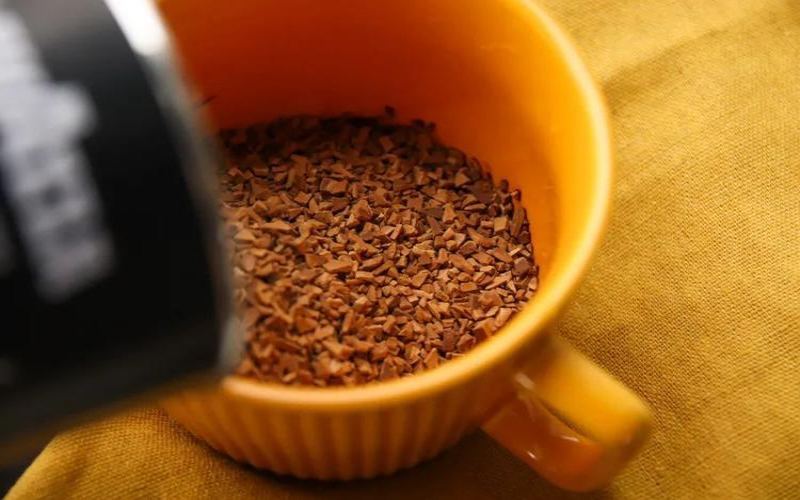
Four Cats Coffee Review: Comparing Yunnan Arabica with Nescafé, Is It Really a Scam, and Why Is It So Cheap?
Recently, many coffee enthusiasts have been asking about Si Zhi Mao Coffee—how good it really is, whether it's more worth drinking than Nescafé, and some even claim it's a fake scam and wonder why it's sold so cheaply. This article will compare Si Zhi Mao and Nescafé from the perspectives of ingredients, flavor, and health, and explain the reasons behind its low price. It will also introduce healthier alternatives, such as Front Street Coffee's freshly roasted drip bags and specialty Catimor coffee beans from the Baoshan region of Yunnan. After reading, you'll be able to clearly judge whether Si Zhi Mao Coffee is suitable for you. [more…]
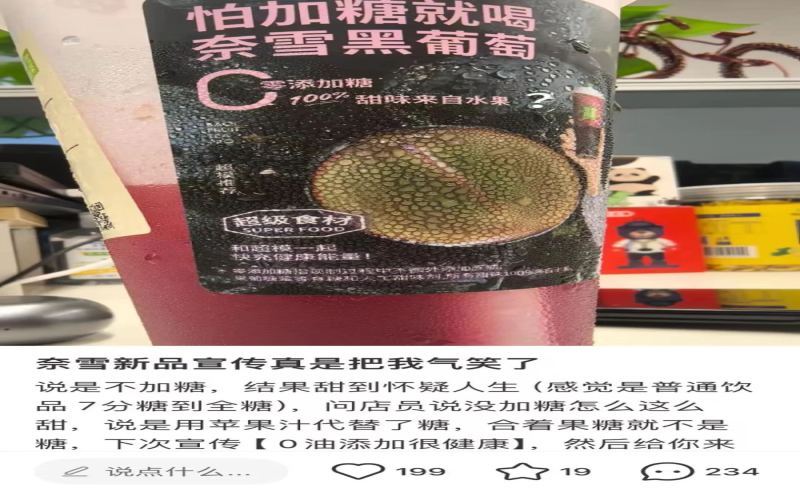
Nayuki's new drink claims no added sugar yet is explosively sweet—the truth behind healthy marketing of juice-based sugar substitutes
Recently, Nayuki launched "Unsweetened · Nayuki Black Grape," promoted as having 0 added sugar with all sweetness coming from fruit, yet it drew complaints from consumers for being too sweet. The brand replaced sucrose with apple juice, but concentrated apple juice can have a sugar content exceeding 50, meaning the actual sugar content of the entire drink is not low. This approach is similar to the strategy some brands use of hiding additives in ingredients, maintaining sweetness while preserving the "healthy" selling point. Consumers' impression of juice as naturally burden-free is being exploited, while the risk of blood sugar spikes remains. This article sorts out the ins and outs of the incident and includes related product information from Front Street Coffee, exploring the trade-off tea beverage brands face between taste and health. [more…]

A Complete Analysis of Caffeine Withdrawal: What Happens to Your Body When You Suddenly Quit Coffee?
For many coffee lovers, a daily cup of coffee has long become an indispensable ritual in life. The alertness and pleasure brought by caffeine make it hard to give up willingly. But have you ever wondered what would happen to your body if you suddenly stopped consuming caffeine one day? From grogginess and fatigue, unbearable headaches, to digestive discomfort and low mood, withdrawal reactions are far more complex than imagined. This article will guide you through the neural mechanisms behind caffeine withdrawal, its duration, and coping strategies, helping you scientifically understand caffeine dependence and find a healthier drinking rhythm. [more…]
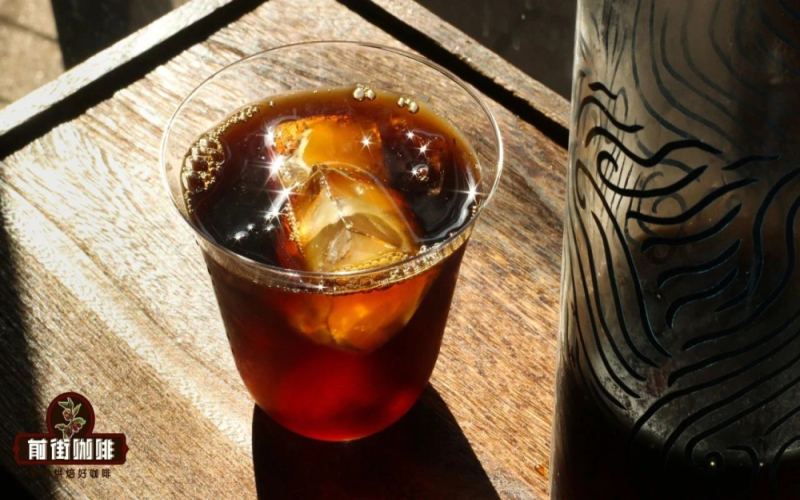
Analysis of the Relationship Between Cold Brew Steeping Time and Flavor: A Guide to Overnight Drinking, Caffeine Content, and Healthy Consumption
Cold brew coffee, with its low-temperature extraction and easy operation, has become the top choice for many coffee lovers making iced coffee at home. But there are still plenty of questions surrounding it: Can you still drink it after leaving it overnight? Does it have less caffeine than hot coffee? How should you drink it to be healthier? Drawing on Front Street's hands-on testing experience, this article uses Red Cherry coffee beans in a comparative experiment with different steeping durations, sorts out the coordination logic among grind size, coffee-to-water ratio, and time, and offers two everyday cold brew scenarios to help you reliably make a delicious and reassuring cup of cold brew within the safe window of 8–18 hours. [more…]
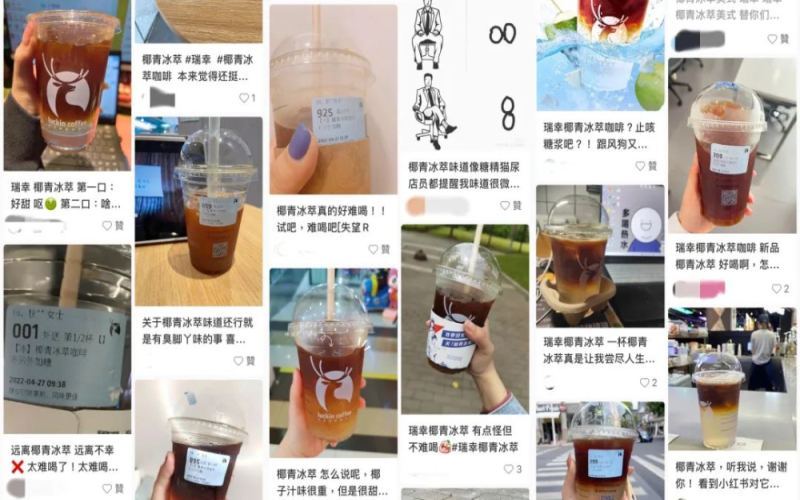
Luckin's zero-sugar hit returns, stirring up waves again: Formula overhaul brings big taste changes, amid sugar substitute controversy and health concerns
Luckin Coffee recently relaunched last year's hit Coconut Cold Brew, and has announced that in May it will bring back popular products such as Orange Golden Sparkling Americano in phases. However, the reformulated zero-sugar version has sparked polarized reviews among consumers—some complain it's like "waiting for a cheating scumbag to change," with a taste vastly different from what they remember, while others question the medicinal taste brought by artificial sweeteners. From packaging updates to health controversies, this round of comebacks reflects the brand's difficult balancing act between the sugar-reduction trend and faithful flavor reproduction. This article sorts through the details of the product iterations and genuine feedback from netizens, and cites a University of Southern California study on how artificial sweeteners affect appetite, to explore whether zero-sugar drinks are truly healthier. [more…]
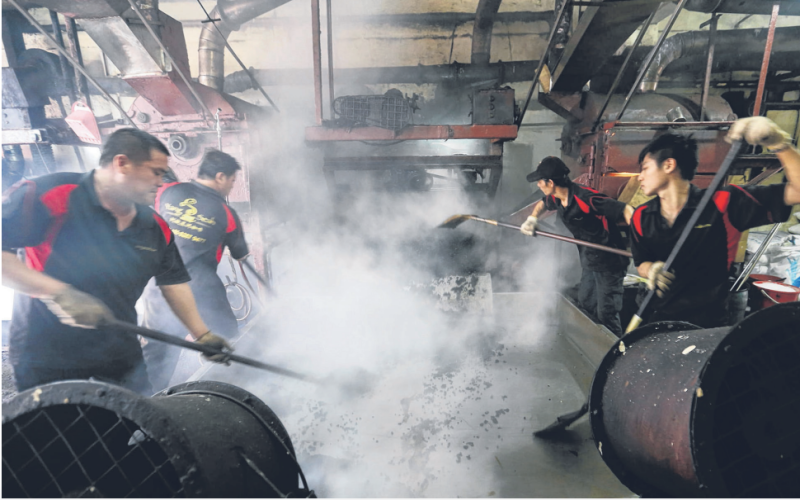
How Does Malaysian White Coffee Differ from Black Coffee? A Full Analysis of White Coffee's Flavor, Preparation, and Its Connection to Flat White
What exactly is the difference between Malaysian white coffee and black coffee? Is white coffee really healthier and tastier? This article starts with the origins, roasting methods, and flavor characteristics of white coffee, sorts out how it differs from Malaysian black coffee, and extends to the Aussie white (flat white) that is often called "white coffee" today. You will also see how Starbucks makes its flat white, the differences between the iced and hot versions, and the parameters and steps for making a flat white at home using Front Street Coffee's classic espresso blend beans, along with a comparison of the differences between a flat white and a latte in milk foam thickness, cup size, and espresso base. [more…]