







How Does the Singapore Sugar Drink Ad Ban Affect Coffee Shops?
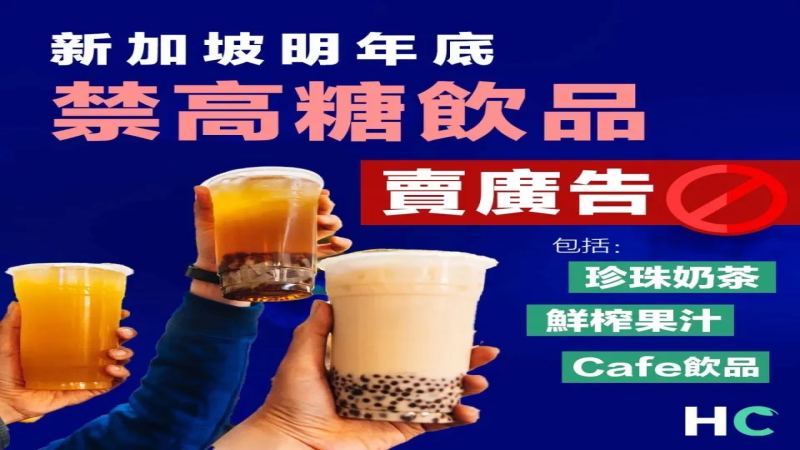
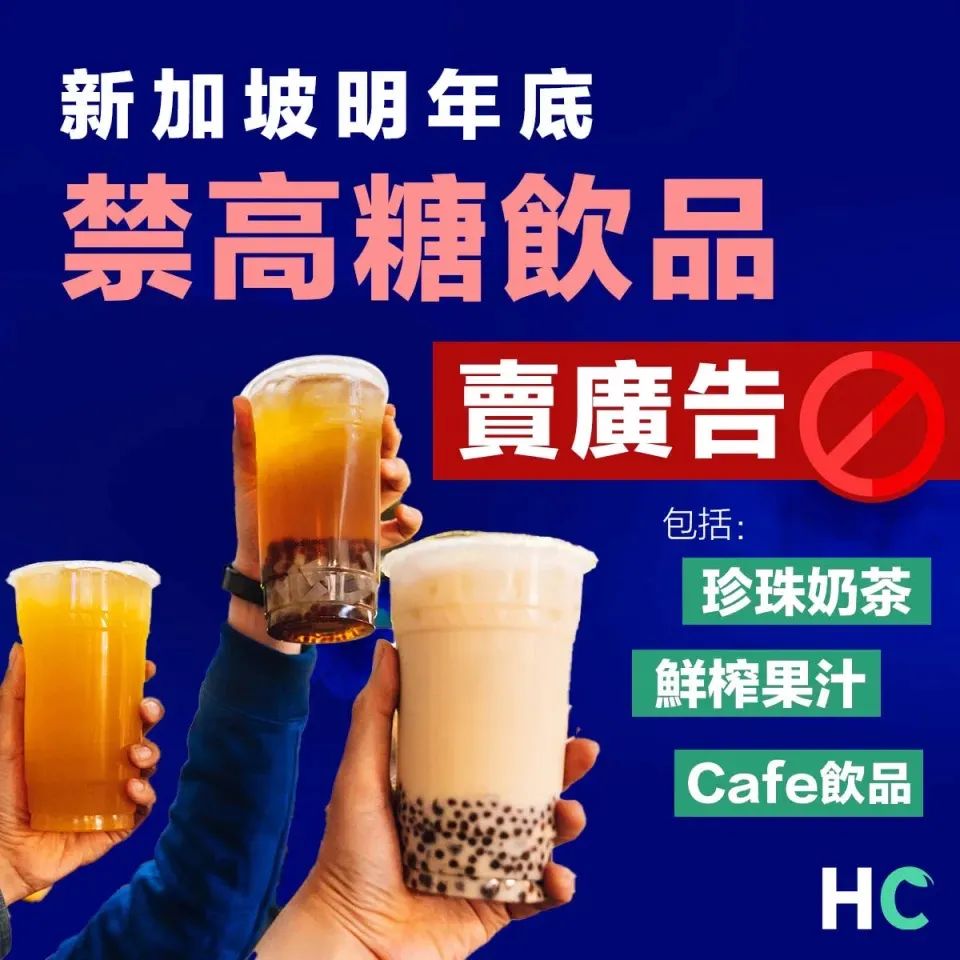
Singapore will ban advertising for drinks high in sugar and trans fat from the end of 2023. Health Minister Ong Ye Kung announced the measure on August 11. It covers freshly made drinks in coffee shops, freshly squeezed juices and milk tea, and requires businesses to show nutrition grades on menus. The Ministry of Health plans to publish implementation details within the next year.
The policy responds to high diabetes rates in the coffee industry in Singapore. Nutrition grades run from A to D, with D the least healthy. Grade A and B drinks are exempt from the strictest rules. The aim is to help consumers spot sugary, high-fat drinks and to push the industry toward healthier products, weakening advertising's pull on daily choices like coffee and milk tea.
At the start of autumn, while domestic consumers are keen on chasing "the first cup of milk tea in autumn" and "the first cup of coffee in autumn," Singapore has issued a strict advertising ban on sugary drinks. Singapore's Health Minister Ong Ye Kung announced at an event on August 11 that, to curb the high incidence of diabetes, starting from the end of 2023, drinks with relatively high sugar and trans fat content will be completely banned from advertising. This measure covers categories such as freshly made drinks in coffee shops, freshly squeezed juices, and milk tea, and requires businesses to clearly indicate nutrition grades on menus. Singapore's Ministry of Health plans to publish specific implementation details next year and aims to formally implement them by the end of next year. This policy is not only intended to help consumers identify high-sugar, high-fat drinks and make healthier choices, but also seeks to weaken the influence of advertising on consumer preferences and push the industry to restructure in a healthier direction.
Coffee and milk tea have always been staple drinks for office workers to refresh themselves and relieve fatigue. Just after the start of autumn, many businesses and consumers have been posting "the first cup of milk tea in autumn" or "the first cup of coffee in autumn" on social media. However, in Singapore, on the other side of Southeast Asia, advertising for drinks such as milk tea and juice has met with a ban.
On August 11, Singapore's Health Minister Ong Ye Kung announced at an event that, in order to more effectively control the momentum of diabetes, starting from the end of 2023, all drinks with relatively high sugar and trans fat content will be prohibited from any form of advertising. Singapore's Ministry of Health is expected to announce specific implementation measures within next year.
Drinks included in the ban include beverages made on-site in coffee shops, freshly squeezed juices, and milk tea. Singapore's Ministry of Health also requires businesses to indicate, in physical or electronic menus, the nutrition grades of drinks with relatively high sugar and trans fat content.
According to a December 30, 2021 report by The Straits Times, Singapore's Ministry of Health previously told the media that nutrition grades are divided into four levels, A to D, with D representing the least healthy. Grades A and B use green labels, grade C is orange, and grade D is red. For grade C and grade D drinks, businesses must prominently display their nutrition grade before they can be sold. In addition, grade D drinks are strictly prohibited from advertising on any online or offline platform.
This measure helps consumers identify drinks with relatively high sugar and saturated fat content, thereby guiding them to make healthier choices, while also reducing the interference of advertising in consumer preferences and promoting industry consolidation and restructuring.
Take a bottle of green tea beverage as an example: with 5.8 grams of sugar per 100 milliliters, it is classified as grade C, and the corresponding grade label can be found on its outer packaging.
Ong Ye Kung added that the government is stepping up efforts to work out the details of the relevant measures, which are expected to be announced in the middle of next year and officially take effect by the end of next year.
This policy is an important part of the Singapore government's attempt to address the country's relatively high incidence of diabetes by influencing consumers' dietary structure and sugar intake. Singapore currently has more than 400,000 diabetes patients, equivalent to an average of 1 in every 9 Singaporeans. Diabetes is one of the main causes of kidney failure, and Singapore is also one of the countries with the highest incidence of end-stage renal failure in the world.
Ong Ye Kung revealed that about 6 new kidney failure patients are diagnosed in Singapore every day, compared with about 4 per day in 2011. This increase is mainly affected by two factors: population aging and disease prevalence. Considering that Singapore's population is aging further, the number of kidney disease patients is expected to continue rising. Although the prevalence of diabetes has remained stable for many years, the obesity rate has continued to rise, and obesity is a key factor inducing diabetes.
In order to curb the trend of diabetes, Singapore declared "war" on diabetes as early as 2016 and has successively introduced multiple measures to limit people's sugar intake, which are now gradually showing results. According to interviews by The Straits Times with some food and beverage operators, over the past three years, more and more consumers have begun to value healthy choices, with about 60% to 70% of customers asking for less sugar or even no sugar in coffee or tea.
Image source: The Straits Times, internet
For professional coffee knowledge exchange and more coffee bean information, please follow Coffee Workshop (WeChat public account: cafe_style)
For more specialty coffee beans, please add the private WeChat Front Street Coffee (FrontStreet Coffee), WeChat ID: qjcoffeex
The above content is compiled by CoffeeHunters, a coffee news website.


