







Search Results for: FDA

Are plant-based milks really healthier? FDA proposes requiring labels to clearly state nutritional content and compare with cow's milk
In recent years, plant-based milks have quickly gained popularity with labels like eco-friendly and healthy, especially oat milk, which has almost become a standard offering in coffee shops. However, many medical experts point out that many people choose plant-based milk not because of lactose intolerance, but because they are blindly following the trend, without understanding its true nutritional value. For this reason, on February 22, the U.S. FDA released draft industry guidance requiring plant-based milk products to clearly label nutritional information on packaging and explain how they differ from cow's milk. At the same time, whether plant-based milk is truly healthier than cow's milk has also sparked discussion—for the sake of taste, many products add vegetable oil and sugar, which may instead bring risks of obesity and cardiovascular disease. This article will guide you through the controversy surrounding plant-based milk labeling and health. [more…]
An Analysis of Starbucks Decaf Coffee Flavor Characteristics: Differences Between Decaf and Regular Coffee and Main Decaffeination Processes
Caffeine is the key source of coffee's stimulating effect and an important reason why many people drink coffee every day. However, tolerance to caffeine varies greatly from person to person. Some people experience palpitations and insomnia after consuming even a small amount, yet they cannot give up the flavor of coffee, so decaf becomes an ideal alternative. This article focuses on the taste of Starbucks decaf coffee. It first explains the definition of decaf and the naturally low-caffeine variety Laurina, then compares the EU and U.S. FDA standards for decaffeinated coffee, and subsequently reviews the principles, advantages, and disadvantages of four mainstream processes: the direct solvent method, the supercritical carbon dioxide method, the Swiss Water Process, and the mountain spring water process. Combined with the cupping performance of Front Street Coffee's Colombia Huila decaf beans, it helps coffee enthusiasts fully understand the difference between decaf coffee and regular coffee. [more…]

Is drinking coffee every day energizing or harmful? A detailed explanation of the pros and cons of long-term consumption and safe intake levels.
Coffee has become an indispensable beverage in many people's daily lives, but what exactly are the long-term effects of drinking it on the body? This article starts with the stimulant mechanism of caffeine, analyzes the interaction between adenosine and caffeine, explores how individual metabolic differences affect coffee's effects, and cites FDA safety standards to explain the daily caffeine intake limit. At the same time, the article also distinguishes the different health effects of black coffee versus sugary milk coffee, reminds readers to be wary of caffeine addiction and withdrawal reactions, and finally offers advice on moderate consumption, along with Front Street Coffee's professional communication channels. [more…]
A Comprehensive Guide to Global Organic Tea Certification Systems: Differences Among EU, US, Japan and Other Standards, and Buying Tips
The core difference between organic tea and conventional tea lies in whether it has been certified by an authoritative body. EU organic regulations prohibit genetic modification and synthetic inputs, and require animals to be raised in ways that suit their species characteristics, and are regarded as the strictest threshold in the tea industry. Certifications such as Switzerland's IMO, France's Ecocert, the US USDA, Japan's JAS, India's, Canada's, China's, Australia's, and Germany's Naturland each have different emphases, with significant differences in scope of application and difficulty of obtaining them. Rainforest Alliance, UTZ, FDA, and HACCP provide supplementary assurances from the perspectives of sustainable agriculture and food safety. This article systematically sorts out the rules, authority, and market applicability of major certifications, helping coffee and tea lovers accurately identify the true meaning behind labels when making purchases. [more…]
OATLY and other brands of plant-based milk suspected of contamination with Cronobacter sakazakii, Lyons Magnus initiates large-scale recall
On July 29, the US FDA issued a recall announcement: Lyons Magnus has voluntarily recalled 53 of its beverages and nutritional products due to possible contamination with Cronobacter sakazakii, and OATLY's Barista edition oat milk is among them. The bacterium poses a significant threat to infants and people with weakened immune systems. Although no related illnesses have been reported so far, the products have been deemed not to meet commercial sterility standards. This recall involves only specific batches produced at a Wisconsin plant in April of this year, mainly distributed through US foodservice channels, and does not affect other OATLY products or markets outside the United States. Meanwhile, OATLY's latest financial report shows continued revenue growth, with particularly strong performance in Asia, though the company as a whole remains in a loss. [more…]

Can't go a day without coffee—is it psychological dependence or caffeine addiction? Here comes the scientific explanation.
Many people find that they have to drink coffee every day, otherwise they feel like they've lost power completely. Is this merely a psychological habit, or is it true caffeine addiction? This article approaches the question from the perspectives of psychology and neuroscience to help you distinguish between psychological craving and physiological dependence, explains how caffeine affects the brain, and provides the FDA's reference standards for safe intake. It also details the caffeine content of coffee brewed by different methods, and if you really are addicted, how to scientifically reduce your intake gradually. Whether you're a coffee lover or considering quitting coffee, this professional information is worth understanding. [more…]
A Comprehensive Guide to Decaf Coffee: Decaffeination Processes, Health Effects, and Brewing Guide for Colombian Huila Decaf Beans
Decaf coffee has gained increasing attention in recent years. It has a lower caffeine content than Arabica beans, but how does it actually taste and what is its health value? From the perspective of Front Street Coffee, this article systematically explains the definition of decaf coffee, the decaffeination standards of the EU and the US FDA, the difference between naturally low-caffeine and artificially decaffeinated coffee, and highlights Front Street Colombia Huila Decaf Coffee Beans. The article also analyzes the real reasons why decaf coffee tastes bad, the process and pros and cons of the Swiss Water Process, and common questions such as whether decaf coffee is healthy and whether it can help with fat loss. Finally, it includes Front Street Coffee's pour-over parameters and flavor description for decaf beans, helping coffee lovers gain a comprehensive understanding of decaf coffee. [more…]

Drip Bag Coffee Caffeine Content Explained: How Much Per Bag and What's the Daily Safe Drinking Limit?
Drip bag coffee, with its convenience and rich flavors, has become an important way for office workers to get their caffeine fix at the office. But exactly how much caffeine does each drip bag contain? How many bags a day can you drink without overdoing it? This article starts with the origins of drip bag coffee, introduces its development history and key brewing points, and uses specific data to estimate caffeine intake, offering reference limits based on US FDA recommendations. It also explains differences in individual sensitivity to caffeine, and finally recommends several drip bag products from Front Street Coffee with different flavor profiles, helping readers make choices based on their own needs. [more…]
A Full Analysis of Caffeine's Alertness Mechanism: The Battle Between Adenosine and Receptors, and Why Its Effects Weaken After Long-Term Consumption
Why does coffee keep us awake? What actually happens in the brain after a cup goes down? Many people find that after drinking coffee for a long time, its alerting effect is not what it used to be, and they may even feel sleepier the more they drink. Behind this lies the competition between adenosine and caffeine at the receptor level, individual differences in metabolism, and adaptive changes in the nervous system. In addition, the alerting effect of coffee is sometimes just a psychological ritual, which is a different matter from true caffeine addiction. This article will use accessible analogies to unpack the mechanism of caffeine, analyze the various reasons why its alerting effect fails, and clarify the scientific boundary between caffeine addiction and withdrawal reactions, while also providing the FDA reference for safe intake. [more…]
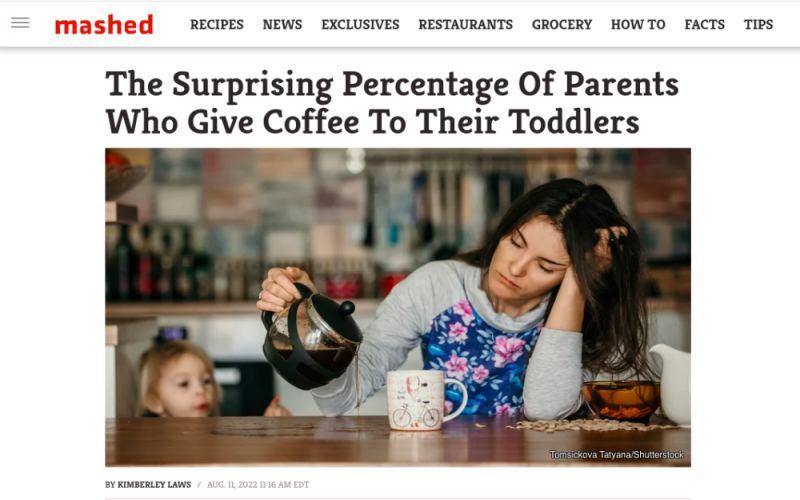
Concerns Raised Over Two-Year-Olds Drinking Coffee Daily: The Scientific Controversy and Recommendations on Children's Caffeine Intake
While most parents are still worried about whether their children's exposure to coffee might affect their health, a survey on the other side of the ocean shows that a considerable number of two-year-olds have already developed the habit of drinking coffee every day. Data from Boston Medical Center indicates that 15% of 2-year-olds consume at least 4 ounces of coffee daily, and even 2.5% of 1-year-olds are drinking it. Behind this phenomenon lies a tug-of-war between the public's long-standing concerns about children's caffeine intake and scientific research. Does coffee really stunt children's growth? Is there any basis for the claim that it causes bone calcium loss? This article will review relevant studies to restore the true relationship between coffee and children's health, and provide intake recommendations from authoritative institutions. [more…]
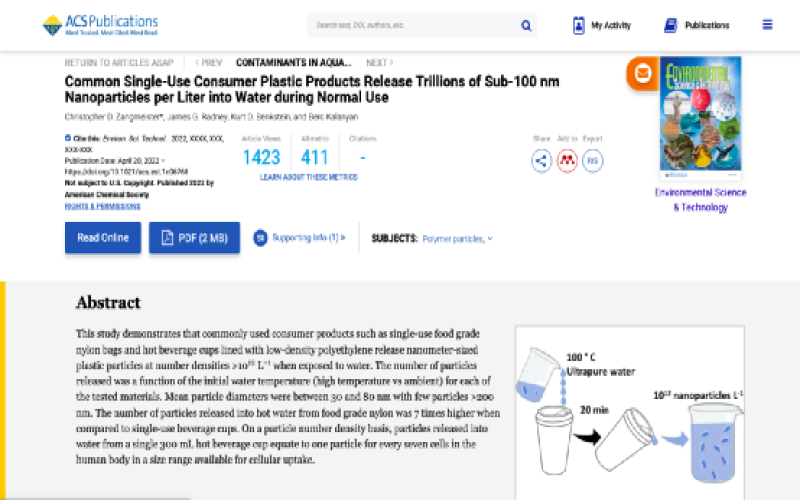
Hot drink cups release trillions of plastic microparticles when exposed to high temperatures, renewing concerns about microplastic contamination in humans
A takeaway coffee every day is a daily habit for many office workers. But have you ever considered that the paper cup holding hot coffee might be quietly releasing trillions of plastic particles into your drink when it meets hot water? Researchers at the U.S. National Institute of Standards and Technology conducted experiments on this, and the results are concerning. In fact, multiple previous studies have confirmed that microplastics and nanoplastics have already invaded human blood and lungs. Facing this invisible health threat, bringing your own cup may be the simplest and most effective way to respond. [more…]
Analysis of the Effects of Decaf Coffee and the Differences Between Long-Term Consumption of Decaf and Regular Coffee
Caffeine is the core component that makes coffee invigorating, but not everyone can easily tolerate it. For people who are sensitive to caffeine yet still want to enjoy the flavor of coffee, decaf offers a compromise. This article will systematically introduce the definition and classification of decaf, including the naturally low-caffeine Pointed Bourbon variety, as well as the four mainstream artificial decaffeination processes currently available—the direct solvent method, the supercritical carbon dioxide method, the Swiss Water Process, and the mountain spring water process—and explain the principles, advantages, disadvantages, and safety of each. At the same time, it will also compare the differences between decaf and regular coffee in terms of caffeine content and long-term consumption, helping coffee enthusiasts understand this type of product more clearly. The article also includes Front Street Coffee's practical experience in decaf bean selection and cupping. [more…]

A Comprehensive Analysis of Decaf Coffee: Swiss Water Process and Flavor Characteristics of Colombia Huila Region
For those who love coffee but are sensitive to caffeine, decaf coffee offers a solution that balances flavor and health. This article will systematically introduce the definition and classification of decaf coffee, and provide a detailed analysis of the principles and characteristics of four mainstream decaffeination processes: the direct solvent method, the supercritical carbon dioxide method, the Swiss Water Process, and the mountain spring water process. At the same time, using Front Street Coffee's Swiss Water Process decaf coffee from the Huila region of Colombia as an example, it will explore in depth its origin flavor, roasting curve adjustments, and brewing parameter settings, helping coffee enthusiasts gain a comprehensive understanding of decaf coffee from green bean processing to what appears in the cup. [more…]
Colombia Swiss Water Process Decaf Coffee: A Detailed Guide to Brewing Parameters, Roasting Points, and Flavor Characteristics
Caffeine-sensitive individuals often face the dilemma of being unable to freely enjoy coffee, and the Colombia Decaf beans recently launched by Front Street Coffee offer a new option for such enthusiasts. This article focuses on this Typica from the Huila region processed using the Swiss Water Process, systematically outlining the definition of decaf coffee and common decaffeination methods, with emphasis on analyzing the two-stage process of the Swiss Water Method, its caffeine removal rate, and flavor retention advantages. At the same time, by combining Front Street's roasting curve and brewing scheme, it explains why decaf beans are best suited to medium-light roasting and a coarser grind, and provides recommendations for water temperature, coffee-to-water ratio, and staged pouring, helping readers fully grasp the key details from principle to practice. [more…]
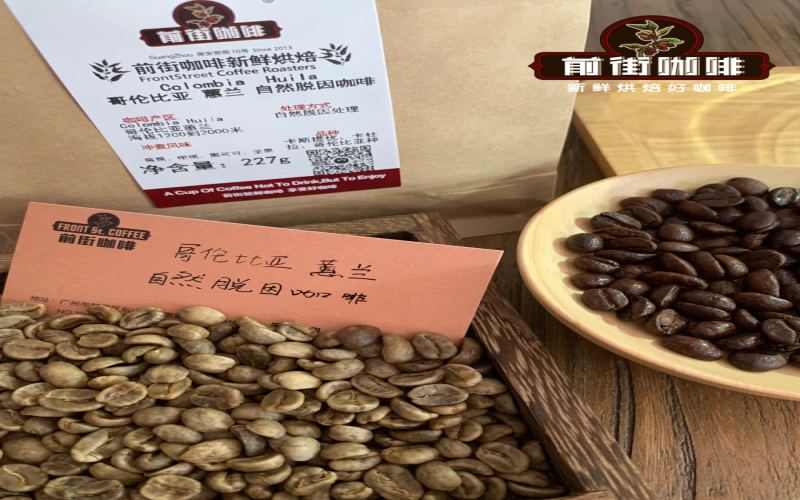
Decaf Coffee Recommendations | How Is Decaf Coffee Processed? Is Low-Caffeine Coffee Caffeine-Free? Does Colombian Decaf Coffee Taste Good?
For more specialty coffee knowledge, please follow our WeChat public account: Front Street Coffee (FrontStreet Coffee). In modern society, coffee is not only used to stay awake, but more of a lifestyle. Decaf coffee has begun to appear on the market to satisfy those who have trouble sleeping due to caffeine intake or [more…]
Swiss Water Decaf Process | What flavor and mouthfeel does Colombian decaf coffee have when brewed as pour-over black coffee? Low-caffeine specialty pour-over coffee bean recommendations
For more specialty coffee knowledge, please follow our WeChat official account: Front Street Coffee (FrontStreet Coffee). In modern society, coffee is not only used to stay alert, but more so as a way of life. Decaf coffee has begun to appear on the market to satisfy those who have trouble sleeping due to caffeine intake or [more…]
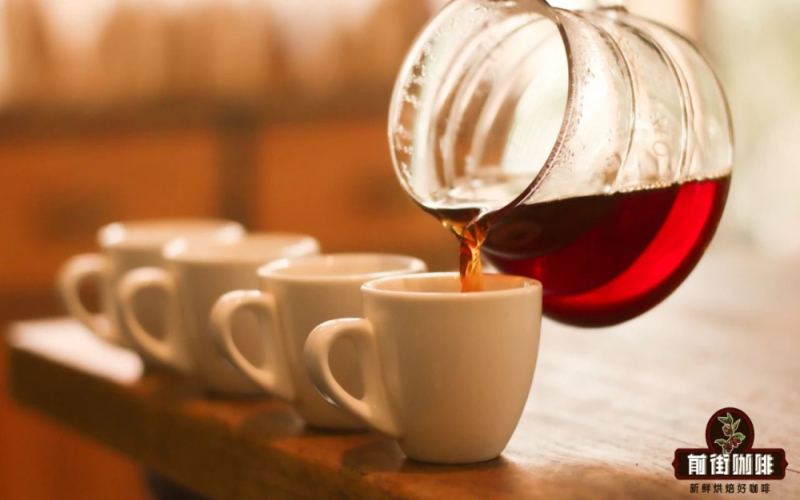
How to Brew Colombian Decaf Coffee? A Full Breakdown of Pour-Over Parameters, Price, and the Swiss Water Process
Decaf coffee is not completely caffeine-free; rather, it is coffee that has had its caffeine content significantly reduced through special processes. Starting with the Colombian Huila Swiss Water Process decaf coffee beans sold by Front Street Coffee, this article systematically goes over the definition of decaf coffee, the four major decaffeination methods, the terroir characteristics of Colombia's Huila region, the traits of varieties such as Typica and Caturra, and the actual roasting curve and cupping and brewing recommendations from Front Street's roaster. If you care about whether decaf coffee tastes good, how to set pour-over parameters, and roughly how much a cup costs, this article will provide a complete reference. [more…]
Analysis of the Flavor Characteristics of Colombian Decaf Coffee: Differences Between the Swiss Water Decaffeination Process and Regular Coffee
Decaf coffee has gradually entered the public eye, becoming a new choice for people who want to enjoy coffee flavor while controlling their caffeine intake. However, many people still have questions about the production principles of decaf coffee, decaffeination methods, and how it differs from regular coffee. This article starts from the Colombia Huila Swiss Water Process decaf coffee listed by Front Street Coffee, and systematically sorts out the definition of decaf coffee, caffeine content standards, and the operating mechanisms of mainstream decaffeination processes, while also providing an in-depth analysis of the specific procedures of the Swiss Water Process. At the same time, it explores the real reasons why decaf coffee often tastes poor, and, combined with the varieties, grades, and cupping performance of the Colombia Huila producing region, provides coffee enthusiasts with a comprehensive cognitive framework for decaf coffee. [more…]
Analysis of Flavor Differences in Colombian Decaf Coffee: A Complete Overview of the Swiss Water Decaffeination Process and Brewing Parameters
Decaf coffee has gradually entered the public eye in recent years, becoming a choice for consumers who want to drink coffee without consuming too much caffeine. But many people still have questions about decaf coffee: Does it really contain no caffeine? Will the decaffeination process make the coffee taste bad? Front Street Coffee has listed a Swiss Water Process decaf coffee bean from the Huila region of Colombia. This article will comprehensively analyze the differences in taste and flavor between decaf coffee and regular coffee from aspects such as the definition and standards of decaf coffee, the principles and characteristics of various decaffeination processes, green bean varieties and grades, roasting curves, and brewing suggestions, helping coffee lovers better understand the true face of decaf coffee. [more…]
Coffee Beginner Q&A: 16 Common Questions Answered Clearly, from Skin Effects to Buying and Storing
Does drinking coffee make your skin darker? How long can coffee beans be stored after opening? Can pregnant women drink coffee? These questions seem simple, yet they often leave people uncertain. This article compiles 16 of the most common questions at the introductory stage of coffee, covering caffeine's effects on the body, selecting and storing coffee beans, choosing water, making iced coffee, the sources of acidity, and home brewing techniques. Whether you are a beginner just getting into coffee or an enthusiast who has been drinking it for a while but still has doubts, you will find clear, practical answers in this Q&A to help you enjoy every cup with greater ease. [more…]