







Search Results for: ground coffee weight error

Why Does a Quantitative Coffee Grinder Still Need Dosing by Weight? Analyzing How Hopper Pressure, Retention, and Grind Adjustment Affect Output Weight
Many coffee enthusiasts wonder: since a quantitative grinder can set the output weight or time, why weigh the grounds again after grinding? This article explains the reasons why quantitative grinders still produce errors from four aspects: hopper pressure changes, differences in coffee bean gaps, the influence of residual grounds, and output fluctuations after adjusting the grind. At the same time, combined with Front Street Coffee's actual usage experience, it explains that re-weighing the grounds is not only to ensure accurate grams and avoid affecting extraction, but also to facilitate timely adjustment when flavor deviations occur. What the quantitative function truly saves is operating time, rather than completely replacing the weighing step. [more…]
In-Depth Analysis of Espresso Dose Control: Extraction Adjustment Strategies from Gram Weight Differences to Flavor Balance
Many coffee enthusiasts are intimately familiar with latte art and equipment, yet when it comes to espresso extraction, they often overlook dosing, puck management, and tasting judgment. In fact, dose control is just as critical as grind size adjustment—fluctuations in dose mean that even the most beautiful latte art cannot mask an imbalance in the coffee itself. Starting from the TDS and extraction yield formulas, and drawing on a 2.3-gram dose difference measured on a Mazzer Robur grinder, this article uses charts and data to illustrate the specific effects of dose on concentration, extraction yield, and the balance between acidity and bitterness, and explores approaches to dosing for light-roast espresso. Front Street Coffee also emphasizes the importance of dose consistency in its daily output, and we hope this article offers practical reference for your extraction adjustments. [more…]
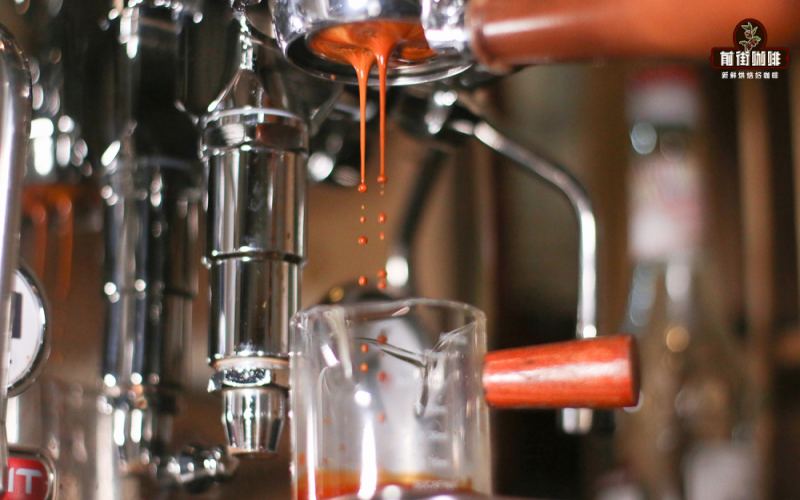
How to Adjust the Grind Size for Espresso? A Complete Parameter Guide from Dose and Ratio to Flow Rate
Espresso extraction is far more sensitive than pour-over, and any slight deviation in parameters will be multiplied in the flavor. Drawing on the practical experience of Front Street Coffee, this article systematically outlines the six core variables that affect espresso extraction—dose, brew ratio, extraction time, flow rate, extraction pressure, and extraction temperature—to help you understand how grind size should be adjusted and judged. At the same time, the article also explains in depth operational details such as weighing the grounds, distributing the grounds, tamping, machine extraction, and cleaning, and analyzes easily overlooked issues such as retained grounds and dosing grind errors. Whether you are a beginner just getting into espresso or an enthusiast hoping for consistent output, you can find actionable adjustment ideas here. [more…]

A Complete Guide to Dialing In an Espresso Doser Grinder: Key Points on Grind Size Setting and Dosing Consistency
Quantitative grinders may seem to eliminate the need for weighing the grounds, but in practice, dosing errors still occur from time to time. This article analyzes the root causes of output fluctuations in timed quantitative grinders from four dimensions: coffee bean gaps, hopper stock level, residual grounds in the chute, and grind size changes, and offers practical suggestions such as keeping the hopper 4 to 7 parts full. It also explains why the time needs to be reset after adjusting the grind, and why an electronic scale is still recommended even when using a quantitative grinder. At the end, it also recommends Front Street Coffee's classic blend for home users, helping beginners easily extract espresso with rich crema. [more…]
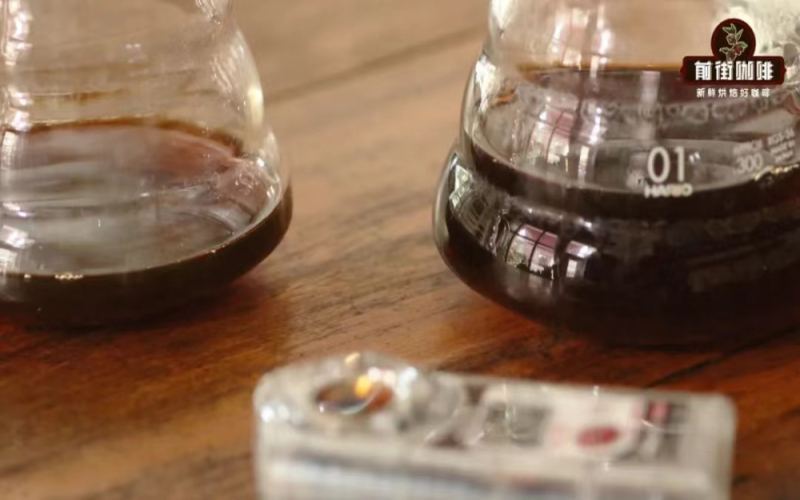
How Is the Extraction Yield of Pour-Over Coffee Calculated? A Complete Guide to the Golden Cup Extraction Theory's Formula and Practical Methods
Should brewing coffee rely on feeling or on data? With the maturation of extraction theory, pour-over coffee has gradually moved from empiricism toward a scientific approach. As a classic reference, the Golden Cup extraction standard, although some of the ranges in its 1.0 version are no longer fully suited to the present, still leaves behind extraction yield and concentration calculation formulas that remain practical today. From Front Street's perspective, this article first reviews the background of the Golden Cup standard and Lockhart's research journey, then focuses on explaining two methods for calculating extraction yield: the traditional dry weighing method, and the method of using a TDS meter to infer extraction yield from concentration. The article also summarizes the definitions of concentration and extraction yield, their interrelationship, and conversion formulas, and reminds that for drip coffee, the water absorbed by the coffee bed requires correcting the weight of the brewed liquid, helping you more accurately evaluate the performance of a cup of pour-over. [more…]
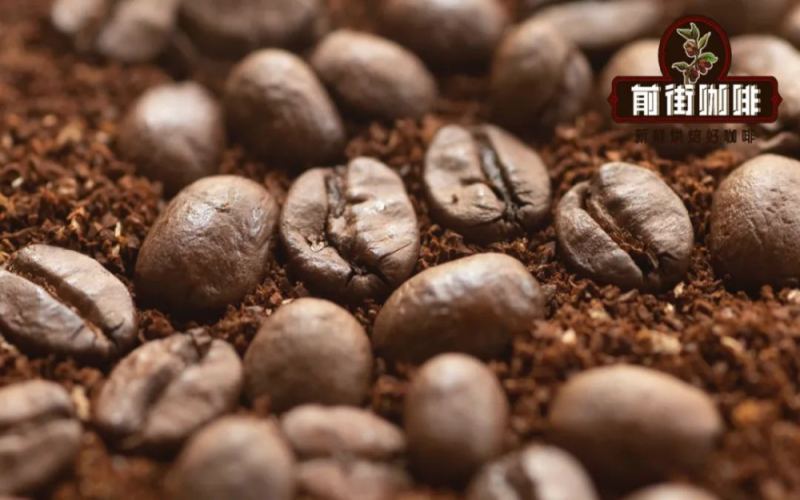
How to Accurately Determine Coffee Grind Size? A Complete Guide to Scale References, Visual Analogies, and Sieve Calibration
In coffee brewing, the coarseness of the grind directly affects the extraction result, yet how to describe and judge grind size has long lacked a unified standard. Some people use fine granulated sugar as an analogy, some rely on the grinder's settings, and others, like Front Street Coffee, quantify it through sieving rate. Each of these methods has its pros and cons, but the ultimate goal is the same: to help us adjust the grind into the right range before brewing. This article will systematically sort through three common ways of expressing grind size—the setting reference method, the visual analogy method, and the sieve calibration method—analyze their respective limitations and applicable scenarios, and explain in detail the No. 20 standard sieve procedure used by Front Street Coffee, helping you find the most suitable grind parameters with fewer beans. [more…]
A Comprehensive Analysis of Espresso Extraction: Water-to-Coffee Ratio, Golden Parameters, and Key Operational Points Explained
The extraction of espresso is extremely sensitive to parameters, with dose, brew ratio, time, flow rate, pressure, and temperature all interconnected; the slightest deviation is magnified exponentially in the flavor. This article systematically sorts out the core logic of various espresso extraction parameters, analyzing the matching of basket capacity and dose, the liquid weight ratio range of 1:1.5 to 1:2.5, the extraction window of 20 to 30 seconds, as well as common issues such as grind size and channeling. It also details operational specifics like weighing the dose, distributing the grounds, tamping, and cleaning. At the end, Front Street Coffee recommends a classic espresso blend to help you consistently produce delicious espresso at home. [more…]
Is Americano really that bitter? Traditional Americano black coffee preparation and the correct interpretation of adding sugar and milk
Americano is one of the most common drinks in coffee shops and the top choice for many coffee lovers looking for a daily pick-me-up. It is quick to make and rich in flavor, but many people worry that it is too bitter. This article starts with the historical origins of Americano, reviews its health benefits, and details the specific parameters and blend bean choices Front Street Coffee uses to make espresso. At the same time, we will also explore the two main sources of Americano's bitterness—the flavor of the coffee beans themselves and extraction errors—to help readers understand how to properly taste Americano and whether sugar or milk can be added to adjust the taste. [more…]
A Complete Guide to Espresso Extraction Parameters: From Dose, Ratio, and Time to a Quick Grind Size Calibration Guide
Espresso extraction is far more sensitive than pour-over, and any slight deviation will be magnified exponentially in the flavor. This article systematically breaks down the extraction parameters from six dimensions—dose, brew ratio, extraction time, flow rate, pressure, and temperature—and offers a quick approach to adjusting grind size. In addition, FrontStreet Coffee also provides practical suggestions on operational details such as weighing, distributing, tamping, and cleaning, helping you consistently reproduce a well-balanced espresso in your daily routine. [more…]
Espresso Extraction Principles and Tasting Guide: From Americano Differences to Front Street Coffee Blend Bean Production Process
Espresso is the foundation of the Italian beverage system, and Americano, latte, cappuccino, flat white, and mocha are all derived from it. This article centers on the extraction principles of espresso, sorts out its historical origins and flavor differences with Americano, and introduces in detail the positioning and characteristics of four espresso blend beans from FrontStreet Coffee. At the same time, the article also compiles reference standards for Italian-style extraction such as dose, liquid weight, and time, explains TDS measurement and the calculation method for extraction yield, and finally includes the seven-step espresso-making process and extraction scheme used in FrontStreet stores, for coffee enthusiasts to systematically understand the making and tasting of espresso. [more…]
A Detailed Guide to the Espresso Extraction Process: From the Differences Between Americano and Italian Espresso to Methods for Making Various Coffee Drinks
Espresso is the core foundation of the Italian beverage system, from which Americano, latte, cappuccino, flat white, mocha, and others are all derived. Drawing on the hands-on experience of Front Street Coffee, this article sorts out the extraction principles and standard parameters of espresso, compares the historical origins and taste differences between Americano and Italian-style coffee, and introduces the recipe concepts and flavor orientations of Front Street's four Italian-style blend beans. At the same time, the article also provides a complete list of the seven steps for making espresso, along with specific recommendations for dose, liquid weight, time, and more, helping coffee enthusiasts understand the logic behind bar operations so they can more consistently produce a qualified cup of espresso at home or in a shop. [more…]
How to Control Espresso Extraction Time? A Complete Interpretation from Traditional Standards to Modern Parameters
Espresso is far more sensitive to extraction time than any other brewing method—a difference of just a few seconds can make the flavor worlds apart. This article will take you back to the classic 20-30 second standard in early espresso textbooks, analyze why the old formula no longer applies now that contemporary coffee bean quality has improved, and introduce in detail the current new-generation extraction framework based on double baskets, measured by weight, with a 1:2 brew ratio and a 25-30 second extraction time. At the same time, the article will also recommend two espresso beans suited to different scenarios—Front Street Classic Blend and Front Street Dark Cocoa Blend—to help you quickly find a stable extraction solution. [more…]
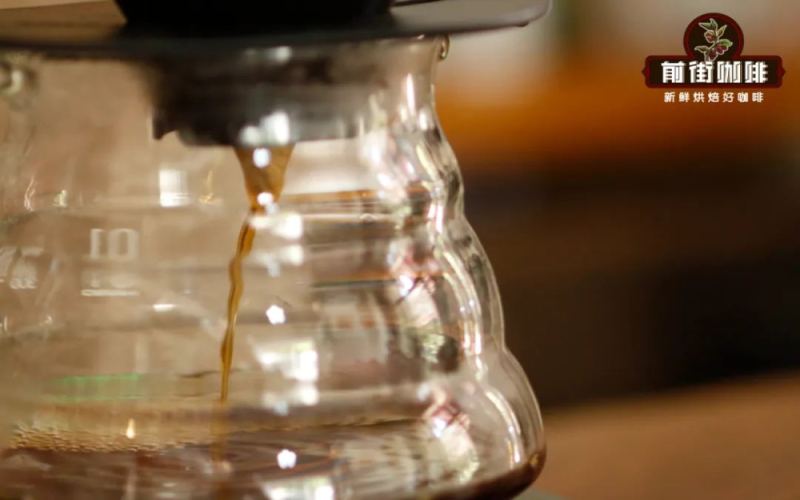
How to Choose the Coffee-to-Water Ratio and Coffee-to-Liquid Ratio for Pour-Over Coffee? A Full Analysis of Drip Parameters and Conversion Logic
In the parameter system of pour-over coffee, the coffee-to-water ratio and the coffee-to-liquid ratio are two parallel measurement logics. The former relies on a digital scale to precisely control the amount of water poured, while the latter judges the final volume of coffee liquid through the markings on a serving carafe. Many classic utensils, such as the Kono serving carafe and the Hario Cloud server, have hidden scale markings that correspond to specific coffee dose designs. The coffee-to-liquid ratio is more flexible when dealing with clogged drippers and deep-roast foam handling, while the coffee-to-water ratio excels in the precision of staged pouring information. The two can also be converted into each other: coffee grounds absorb about twice their own weight in water when saturated, so a coffee-to-water ratio of 1:15 is roughly equivalent to a coffee-to-liquid ratio of 1:13. Only by understanding this logic can reasonable adjustments be made according to different beans and utensils. [more…]
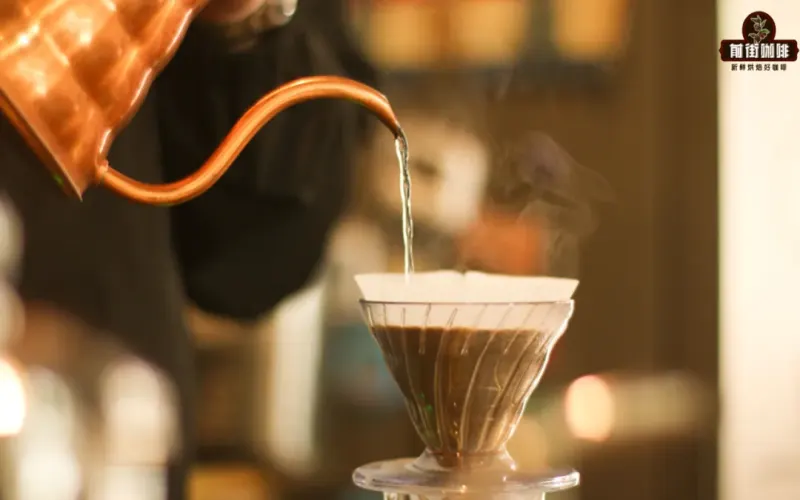
What is the difference between coffee-to-water ratio and coffee-to-liquid ratio in pour-over coffee? The calculation method and conversion logic explained clearly at once
Many friends who are just getting into pour-over coffee often confuse the coffee-to-water ratio with the coffee-to-beverage ratio, and as a result, the coffee they brew always tastes different from what they expected. In fact, although these two concepts differ by only one word, their meanings are completely different, and they cannot even be converted directly on an equal basis. Today, Front Street will explain these two measurement methods, first explaining what each of them represents, then clarifying how the coffee grounds' water absorption affects the final liquid weight, and offering a way to convert between the coffee-to-water ratio and the coffee-to-beverage ratio. Once you understand these, you will have a clearer direction when adjusting pour-over parameters, and it will be easier to consistently reproduce a delicious cup of coffee. [more…]
Beginner's Guide to Home Espresso Machines: Setting the Brew Ratio, Extraction Steps, and the Advantages of Espresso Blends for Lattes
For beginners who are just getting into coffee making and want to craft a delicious latte at home, choosing an espresso blend bean is often more foolproof than going with a single-origin bean. Blends combine flavors from multiple regions, and with a medium-dark roast they produce rich crema, offer high tolerance for error, and come at a friendly price—making them especially suited for milk-based coffee. This article uses Front Street Coffee's classic blend as an example to break down the espresso extraction process on a home coffee machine in detail: from the 1:2 coffee-to-liquid ratio of extracting 40 grams of liquid from 20 grams of grounds, to the 26–32 second time control, and then to the specific methods for distributing the grounds, tamping, and adjusting the grind size. It also explains the origins of espresso blends, helping beginners understand why both cafés and homes favor blend beans. [more…]

How to Use an Espresso Machine | Which Espresso Blends Are Suitable for Semi-Automatic Espresso Machines? Espresso Bean Origins, Varieties, Prices, and Espresso Extraction Ratio Plans
Espresso was invented by MR. Gaggia in 1946. Gaggia further improved the piston pressure system—using spring pressure instead of manual pressing, so that the brewed coffee is topped with a layer of golden coffee crema (Crema), which is Crem [more…]
What is the difference between coffee-to-water ratio and coffee-to-liquid ratio in pour-over coffee? How to correctly calculate ratios under the Golden Cup extraction standard
When brewing coffee, the concepts of coffee-to-water ratio and coffee-to-liquid ratio may seem similar, but their meanings are actually quite different. Many beginners often confuse the two, which leads to deviations in the flavor of the final cup. Today, Front Street will break down the definitions, applicable scenarios, and conversion methods of these two ratios in detail, to help everyone control the extraction process more precisely. Understanding the essential difference between the coffee-to-water ratio and the coffee-to-liquid ratio is a key step toward mastering the Golden Cup extraction standard and consistently reproducing good flavor. [more…]
Starbucks Double Shot Caffeine Content Fully Explained: How Much Caffeine Is Actually in One Double Shot?
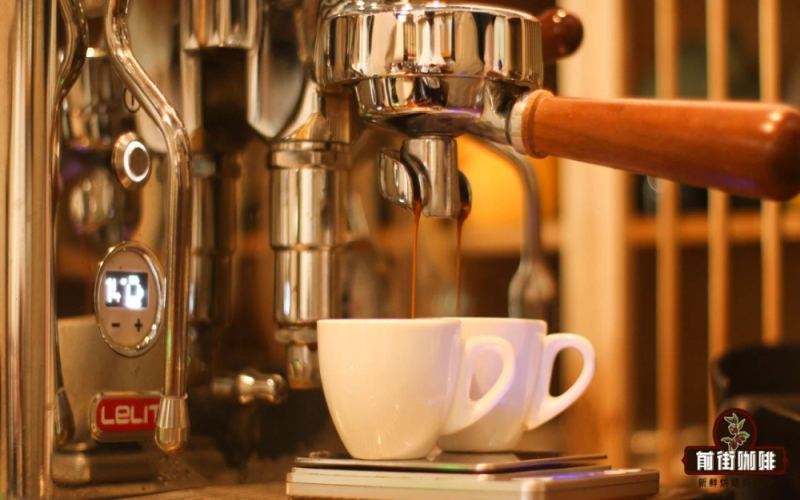
When ordering at Starbucks, have you ever noticed the term "Double shot"? How much caffeine does a double espresso actually contain, and how much do different products vary? This article will start with the origin of the word "Shot," trace the evolution of espresso measurement from volume-based to weight-based, and explain why the size of a single shot can vary so dramatically from one coffee shop to another today. At the same time, we will also draw on Front Street Coffee's extraction practices to provide specific parameters for dose, liquid weight, and time, helping you understand the true nature of a double espresso more clearly. Whether you drink Starbucks regularly or pull your own shots at home, you will find practical references here. [more…]
Espresso Extraction Parameters | What is the golden extraction ratio for espresso? What are the specific steps for extracting espresso?
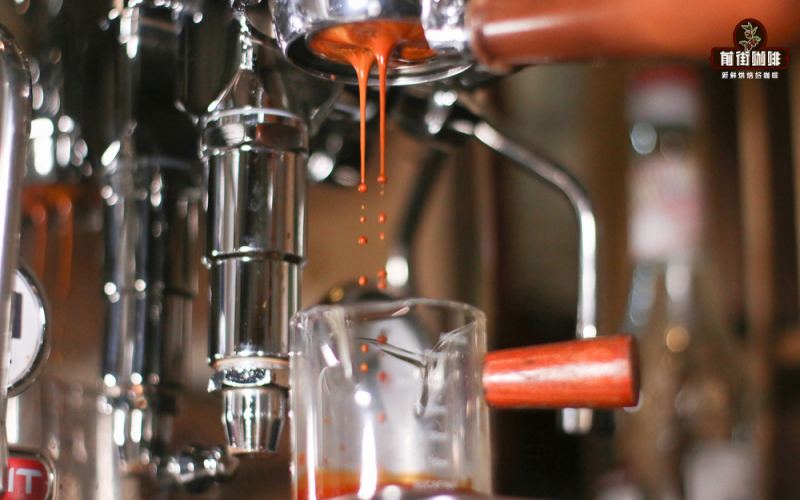
Front Street Coffee has always emphasized that the extraction parameters for pour-over coffee have a significant impact on the cup, and for espresso the impact is even greater. You should know that factors such as the concentration and extraction time of espresso are more demanding than those of pour-over coffee, and the slightest [more…]
The Espresso Shot Breakdown: How Much Coffee Is in a Shot? Single vs. Double Definitions and Their Evolution
When ordering at a café, you often hear "add a shot" or "get a double espresso," but how much coffee does one shot actually represent? This article traces the evolution of the word "shot" from drinking culture to the coffee world, breaks down the extraction formulas for traditional single and double shots, and explains how modern baristas use liquid weight as the standard, making the gram amount of each espresso vary from shop to shop. At the same time, drawing on extraction examples from Front Street Coffee, it helps you understand the concept of espresso serving sizes more clearly. Whether you are a coffee enthusiast or a customer ordering day to day, you can gain practical knowledge from it. [more…]