








Why Is a Bitter Americano So Common in Coffee Shops?
A bitter americano usually comes down to two things: the beans and the extraction. Americano is espresso diluted with hot water, typically one or two shots, and it is normally built on medium-dark to dark roast blend coffee. Darker roasts and over-extraction pull out more bitter compounds, while beans that sit too long or grind too fine push the cup further in that direction.
The drink itself traces back to World War II, when American soldiers stationed in Italy diluted espresso with hot water, and the name stuck. Bitterness is not automatically a flaw, since roasted aromas come with it. If the cup is too harsh, a little sugar, or milk for those who want it, softens the edge without hiding the coffee.
Americano is one of the most common drinks in coffee shops and the top choice for many coffee lovers to perk up their day. It's quick to make and rich in flavor, but many people worry it's too bitter. This article starts with the history and origins of Americano, sorts out its health benefits, and details the specific parameters and blend bean choices Front Street Coffee uses to make espresso. At the same time, we'll also explore the two main sources of Americano's bitterness—the flavor of the coffee beans themselves and extraction errors—to help readers understand how to properly taste Americano and whether sugar or milk can be added to adjust the taste.
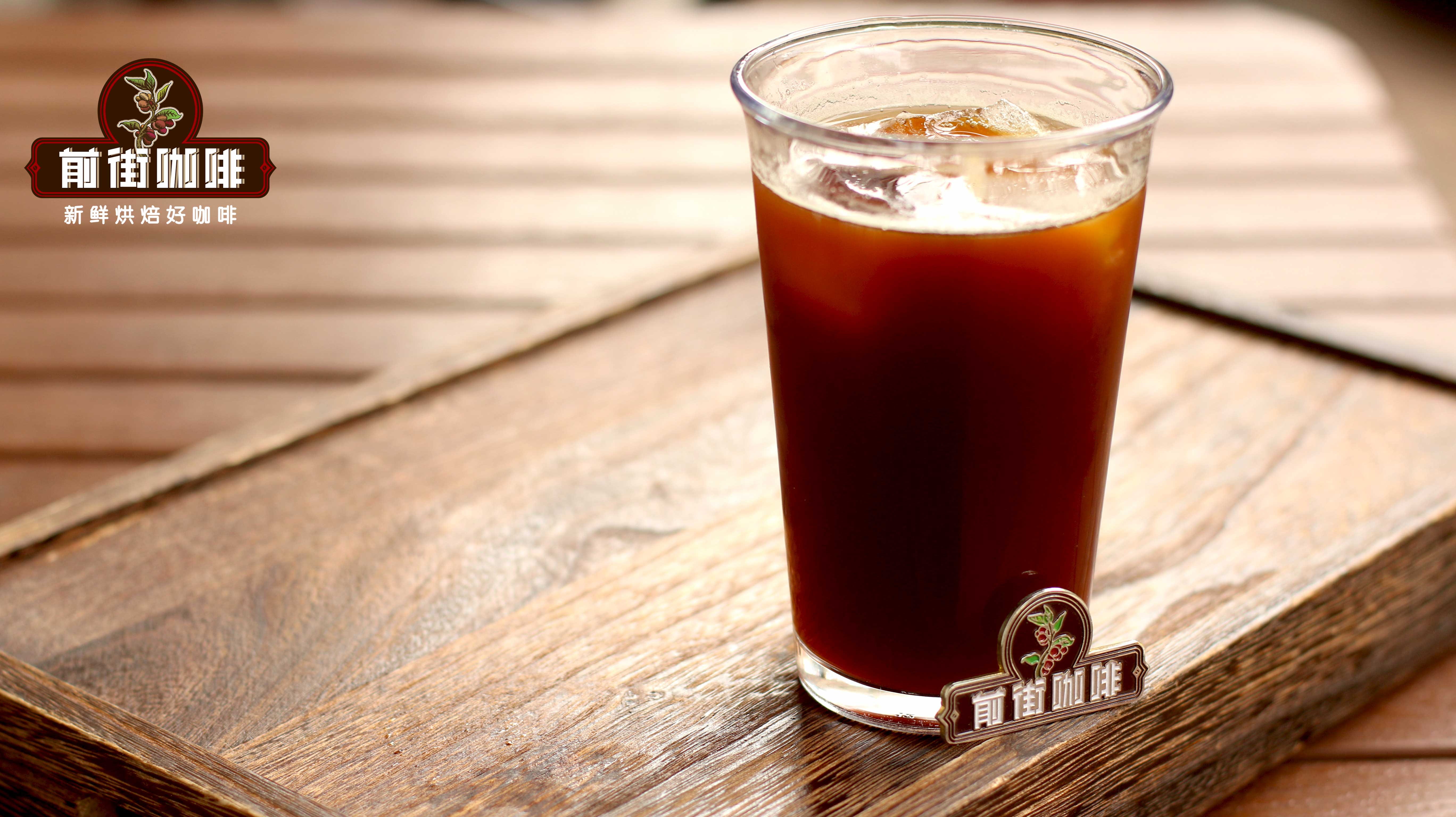
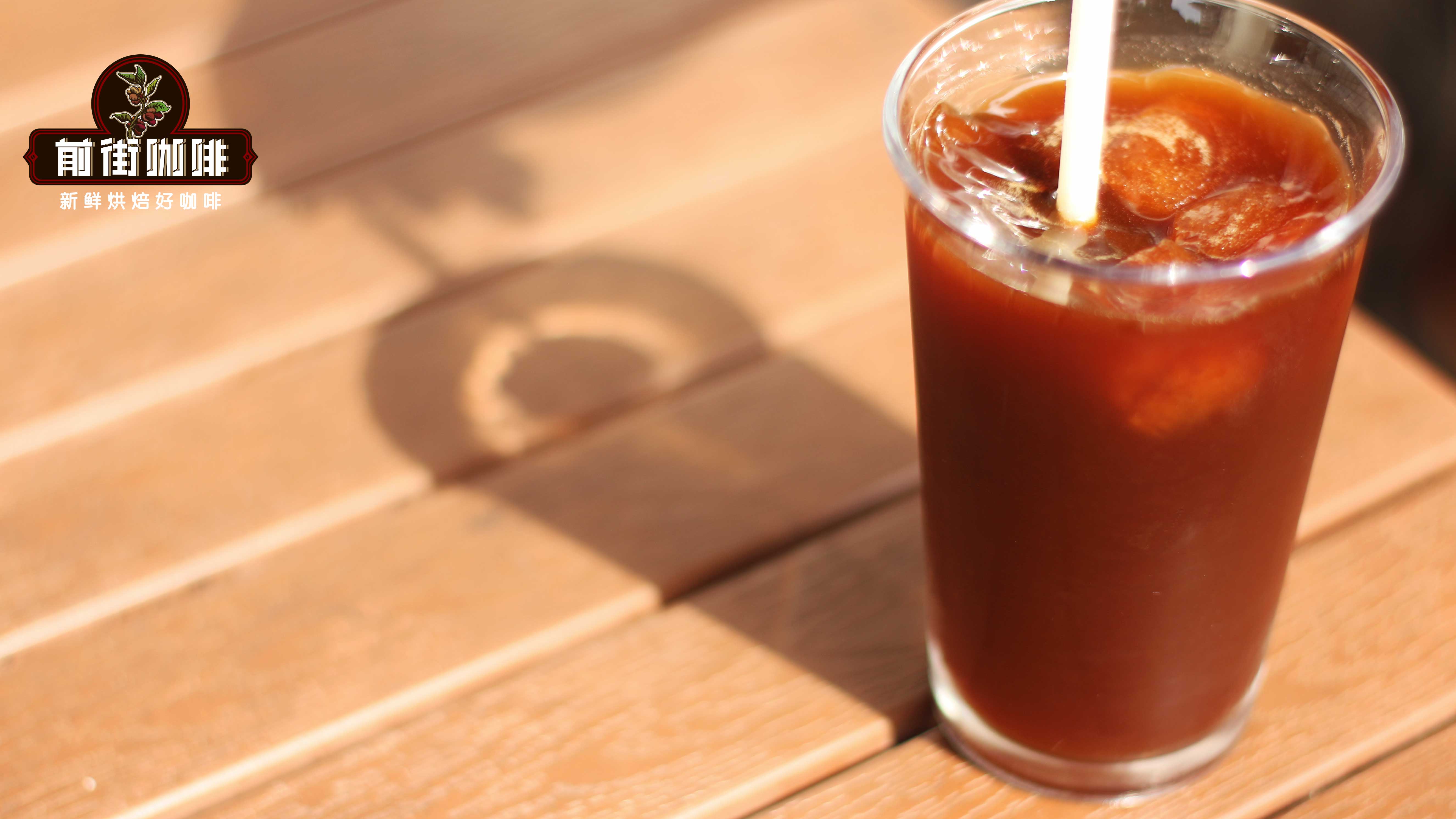
Americano appears on almost every coffee shop's menu and is a must-order for many coffee fans when they visit a shop. It's fast to serve, performs well in flavor, and goes down smooth. For people rushing to work in the morning, ordering an Americano saves waiting time and helps wake them up. In Guangzhou's hot summers, customers who come to Front Street Coffee and don't want a milk coffee but aren't sure what to choose usually go for an iced Americano. But do you know how Americano actually came about?
The History of Americano
One widely circulated theory is that during World War II, American soldiers stationed in Italy couldn't get used to the intense taste of espresso, so they diluted it with hot water. This practice was mocked by Italians, giving rise to the name Americano, meaning "American's coffee."
Another theory holds that after Schultz introduced espresso to Starbucks in Seattle, hot water was added to dilute the espresso to cater to the lighter preferences of American consumers. As Starbucks expanded globally, this way of drinking coffee gradually gained widespread acceptance.
Americano falls under the category of espresso-based coffee, usually made with medium-dark to dark roast blend beans. Using the pressure of an espresso machine, hot water is forced through ground coffee to extract espresso. Generally, an Americano is made by diluting one to two shots of espresso with hot water, resulting in a mellow taste with roasted aromas. However, some people may not be used to its bitter profile, and Front Street suggests adding a little sugar to make it easier to drink.
What Are the Benefits of Drinking Americano?
1. Coffee itself contains certain nutrients. The niacin in coffee contains vitamin B, and roasted coffee beans have even higher levels. It also contains free fatty acids, caffeine, tannic acid, and other substances.
2. Coffee is good for the skin. It can promote metabolic function, activate the digestive organs, and is quite helpful for relieving constipation. Bathing with coffee grounds is a thermotherapy that has a certain weight-loss effect.
3. Coffee helps sober you up. Drinking coffee after alcohol can accelerate the oxidation of acetaldehyde converted from alcohol, breaking it down into water and carbon dioxide to be expelled from the body.
4. Coffee can eliminate fatigue. To relieve fatigue, you need to supplement nutrition, rest and sleep, and promote metabolic function—and coffee happens to have these effects.
5. Coffee helps with weight loss. Coffee contains magnesium and potassium, which help the body utilize insulin, regulate blood sugar levels, and reduce cravings for sweets and snacks. Caffeine also helps fat cells break down body fat and use it as fuel during exercise.
Why Is Americano Considered Healthier?
Americano not only promotes digestion and has a diuretic effect, but also speeds up metabolism. In addition, it can reduce bad breath. Sitting with friends after a meal and chatting over an Americano makes everyone more relaxed and at ease.
Americano is the lowest-calorie coffee, bar none—you could even say its calories are negligible. Even a Starbucks grande Americano is very low in calories. This is also why many celebrities and artists like to drink Americano: it satisfies the palate without worrying about consuming too many calories.
How Do You Make an Americano?
After all this talk about the benefits of Americano, do you know how it's made? Simply put, it's espresso plus water. Next, Front Street will share how Front Street makes Americano.
Front Street Coffee's espresso extraction parameters are: 20 grams of coffee grounds extracting 35 grams of coffee liquid, taking 28–29 seconds.
The espresso beans Front Street Coffee uses are its own blend, Front Street Sunflower Warm Sun espresso blend coffee beans, which contain 70% Front Street Honduras Sherry and 30% Front Street Yirgacheffe Natural Red Cherry. The 70% Front Street Honduras Sherry brings whiskey aroma and vanilla cream notes to this cup, while the 30% Front Street Yirgacheffe Natural Red Cherry provides berry-like acidity. Front Street's design concept for this blend is that it can be used for both espresso and pour-over. When used to make espresso, the flavors released have a distinct fermented wine aroma; on the palate, citrus and berry acidity quickly emerge, accompanied by whiskey aroma, with a dark chocolate finish.
Front Street Sunflower Warm Sun Espresso Blend
Region: Ethiopia & Honduras Variety: Caturra, Catuai, Heirloom Processing: Natural & Barrel-Aged Fermentation
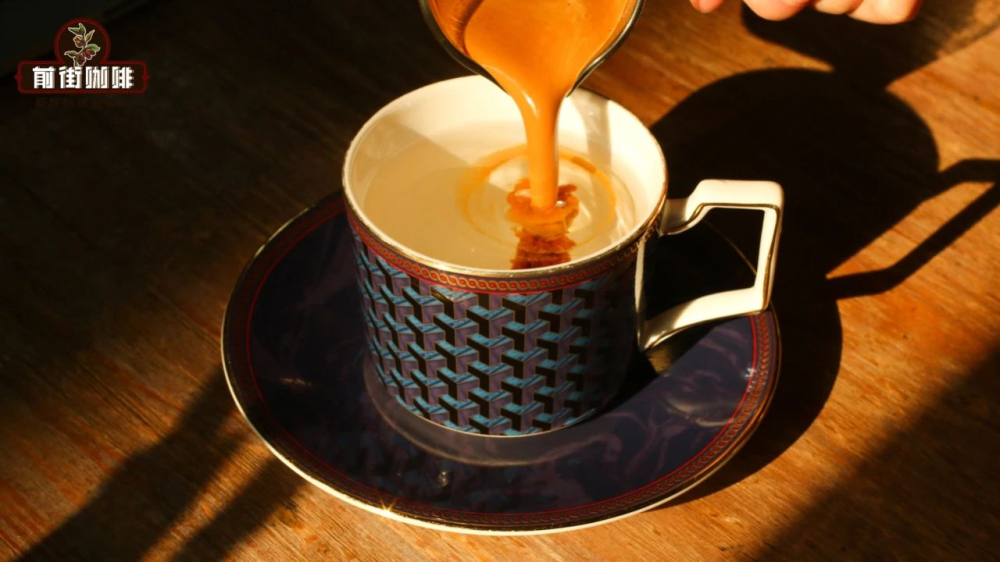
After the espresso extraction is complete, the remaining steps are simple. Pour the extracted espresso into water, and a cup of Americano is done.
Does Americano Taste Bad?
When this question comes up, most people are actually worried about bitterness. Americano tastes bitter mainly for two reasons: ① the taste of the coffee beans themselves; ② over-extraction.
【The Taste of the Coffee Beans Themselves】
Americano is just water and coffee, so the flavor of the coffee beans themselves has the greatest influence on the taste of the entire cup. So the first reason Americano tastes bitter may be that the coffee beans used to make the espresso inherently have a rich, heavy flavor profile.
The rich flavor of espresso beans comes from their regional characteristics and a relatively dark roast level. For example, the espresso at Front Street Coffee uses Front Street's specialty blend coffee beans, containing 30% Colombian coffee beans and 70% Brazilian coffee beans. The Colombian beans give this blend its dark chocolate base note, while the Brazilian beans provide nutty notes and higher body. Front Street Coffee's roaster roasts this Front Street specialty blend to a medium-dark level, giving it a wonderful balance, with medium-low acidity and medium bitterness.
【Over-Extraction】
Besides bean selection, Americano's bitterness also comes from extraction errors, such as channeling causing uneven extraction, or grinding too fine leading to over-extraction.
Front Street Coffee often shares that, calculated by the weight of coffee beans, only about 30% can be extracted, and it's not that the more extracted the better. According to the Golden Cup standard's recommended range, an extraction rate between 18% and 22% is most suitable. Below 18% is called under-extraction, which shows as sharp acidity and a thin mouthfeel; above 22% is called over-extraction, commonly known as over-extracted, usually showing as intense bitterness.
The above content is compiled by CoffeeHunters, a coffee news website.


