







Search Results for: grinder chamber pressure
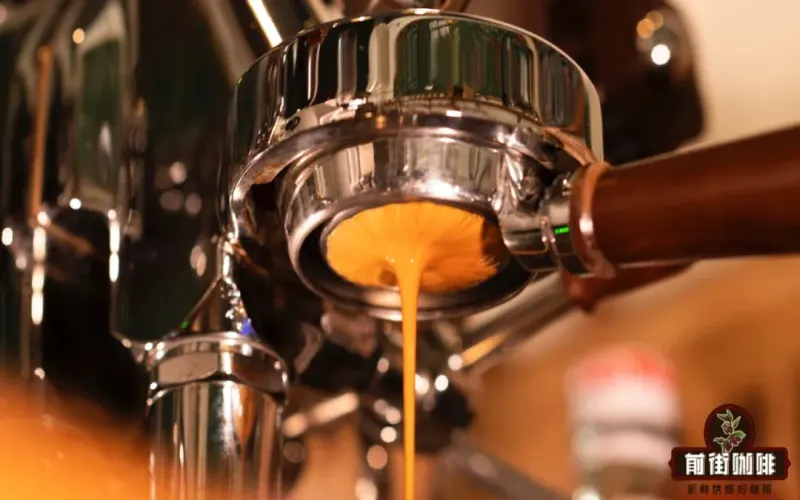
Uncovering the Hidden Factors Behind Unstable Espresso Extraction: How Residual Grounds, Water Temperature, Pressure, Environment, and Chamber Pressure Affect the Flow
Many coffee enthusiasts will notice that with the same beans and the same machine, the flow rate of espresso can change every few hours or even every few dozen minutes, sometimes fast and sometimes slow. Beyond the aging characteristics of the coffee beans themselves, there are actually quite a few easily overlooked hidden factors influencing the extraction results, including residual grounds in the grinder's chute, temperature fluctuations in the espresso machine's hot water, the state of the pump pressure, changes in ambient temperature, humidity and air pressure, and whether the grinder's hopper pressure remains stable in a café setting. Front Street will analyze these factors' mechanisms of influence on espresso extraction one by one, and provide corresponding improvement solutions to help everyone reduce unnecessary adjustments and make their output more consistent. [more…]
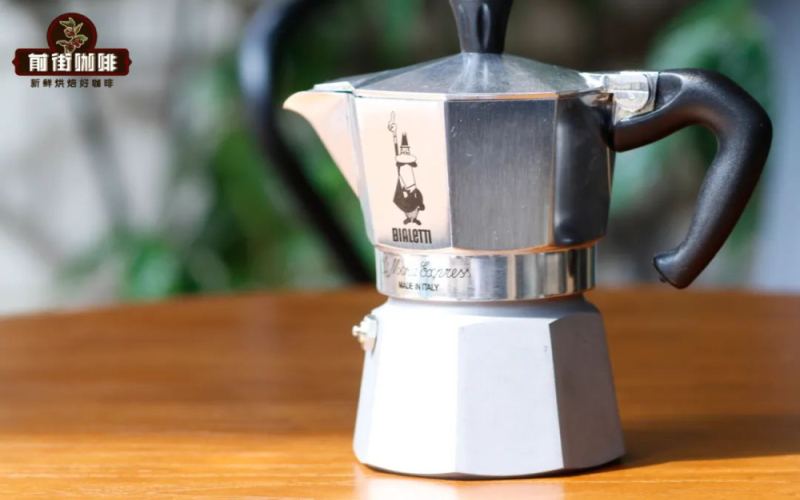
A Complete Analysis of Moka Pot Italian-Style Brewing Details: From Structural Principles to Anti-Seizing and Safe Operation
The moka pot is an extremely common classic coffee device in Italian households, with almost every home keeping one on hand. It relies on the steam pressure generated by heating the lower chamber to push hot water through the coffee grounds and into the upper chamber, thereby producing a cup of rich coffee with oils. However, in China, not many people truly understand its correct use. This article will begin with the moka pot's invention history, structural composition, and extraction principles, then explain in detail the key steps such as the water filling position, coffee distribution method, heating rhythm, and grind size. Combined with a brewing example using Front Street PWN Golden Mandheling, it will help readers avoid splashing, explosion hazards caused by improper operation, and problems such as the pot seizing shut and being impossible to open after use, so that the moka pot can produce consistent results. [more…]
A Practical Guide to the Moka Pot: Extraction Principles, Operating Steps, and Why the Pot Gets Stuck
The moka pot is the most common coffee brewing device in Italian households, extracting a cup of rich, crema-topped coffee by means of steam pressure. In China, however, many enthusiasts are still unfamiliar with its correct operation, and some even encounter the problem of being unable to unscrew the body after brewing. This article begins with the moka pot's invention background and structural principles, then demonstrates the complete process step by step—filling water, adding grounds, heating, and removing from heat—and explains how grind size affects extraction safety, as well as why the body becomes difficult to open after use due to pressure differences. Front Street PWN Golden Mandheling is used for the brewing demonstration, helping readers master the key points of using this classic device. [more…]

Siphon Coffee | What Is the Siphon Principle? How Do the Flavors and Mouthfeel of Siphon Coffee Made with the Immersion Method and the Stirring Method Differ?
First, let's briefly talk about the origin of the siphon pot. The siphon pot originated in Europe, more than 70 years earlier than pour-over. Between 1830 and 1840, Loeff in Berlin, Germany, was the first to invent and patent the siphon extraction method using a glass double-chamber pot with upper and lower vessels. Later, through France, the United Kingdom, and Ger [more…]
A Detailed Explanation of Six Coffee Extraction Methods: Comparing the Extraction Process and Characteristics of Pour-Over Drip and Espresso
Extraction is the core stage that determines the flavor expression of a cup of coffee. Whether it is pour-over drip, espresso, or any other brewing method, it is closely tied to the principles of extraction. This article systematically sorts through six common coffee extraction methods—immersion, decoction, percolation, pour-over drip, vacuum filtration, and pressurized extraction—and focuses on analyzing the extraction process, key parameters, and operational details of pour-over coffee and Espresso. At the same time, the article also introduces key points for choosing espresso grinders and coffee machines, as well as practical concepts such as Crema and golden extraction. Whether you are a beginner just getting into coffee or an enthusiast hoping to refine your brewing skills, you will find something worth referencing here. Front Street Coffee also provides related product and brand recommendations in the article for readers to consult when making purchases. [more…]
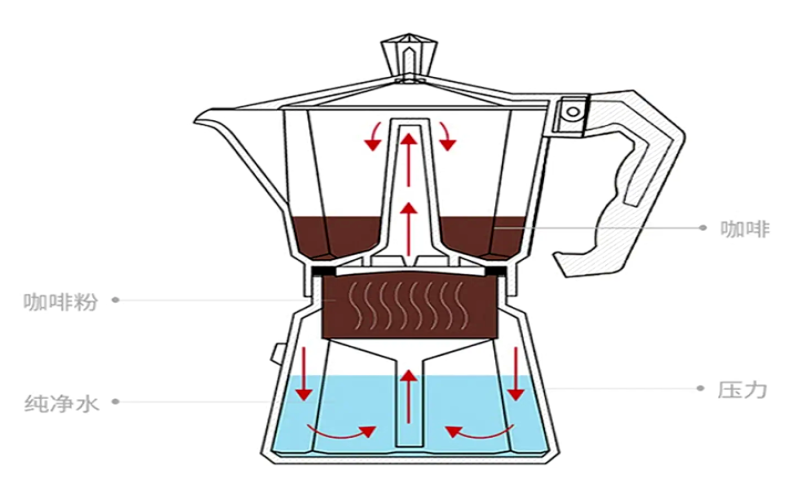
How to Use a Moka Pot Correctly | What Are the Working Principles and Structural Features of a Moka Pot? A Detailed Tutorial on Brewing Coffee with a Moka Pot
For more specialty coffee knowledge, please follow: Front Street Coffee (Frontsteet Coffee). As coffee culture gradually becomes more widespread in China, many newcomers who have just stepped into the coffee world are beginning to pick up various brewing tools and delve into extraction. Compared with expensive and cumbersome espresso machines, the moka pot is much simpler and more accessible. [more…]
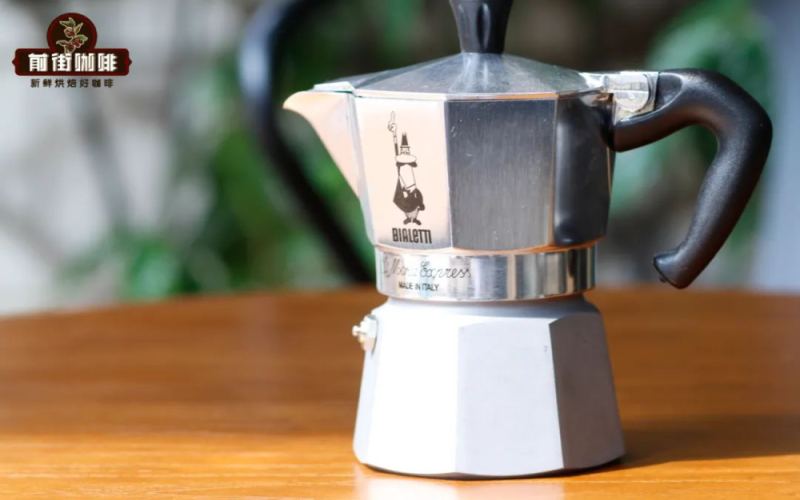
Moka Pot Coffee Tastes Bitter and Undrinkable? Master the Right Technique and Choosing Suitable Beans
The Moka pot, as a representative device for home espresso-style coffee, has been deeply loved by Europeans, especially Italians, since its introduction in 1933. It works by heating the lower chamber to generate steam pressure, which pushes hot water up through the coffee grounds, producing a rich and full-bodied coffee liquid. However, many people often encounter bitter and astringent coffee when using a Moka pot, which is often closely related to water temperature, grind size, bean selection, and operational details. This article will systematically outline the structure and principles of the Moka pot, the types of coffee beans suitable for it, and step-by-step operational key points, and provide adjustment suggestions for common extraction problems, helping you easily make a cup of Moka pot coffee with rich crema and strong aroma at home. [more…]

Home Coffee Brewing Methods | What Are the Coffee Extraction Principles of the Siphon and Moka Pot? Which Tastes Better, Siphon or Moka Pot Coffee?
There are hundreds of coffee brewing devices on the market, yet there is actually no definitive answer as to which coffee device brews the best-tasting coffee, because everyone's taste preferences differ. Even with the same coffee beans, using the same coffee device and the same brewing time, the acidity, bitterness, sweetness, body, strength, and lightness that each person perceives are [more…]
Bialetti Moka Pot Low-Acid Coffee Bean Selection and Grinding & Extraction Full Process Illustrated Guide
Since the moka pot was invented in 1933 by the Italian Alfonso Bialetti, it has been a common appliance in European households, especially in Italian kitchens. It works by heating the lower chamber to produce steam pressure, which pushes hot water through the layer of coffee grounds to extract a rich, full-bodied brew. To make a cup of coffee with a rich crema and a smooth mouthfeel using a moka pot, the freshness of the coffee beans, the choice of roast level, and the coarseness of the grind are all crucial. This article will focus on Front Street Coffee's freshly roasted specialty low-acid coffee bean recommendations for the Bialetti moka pot, the criteria for judging grind size, and the complete brewing process, providing coffee lovers with a practical guide to using the moka pot. [more…]
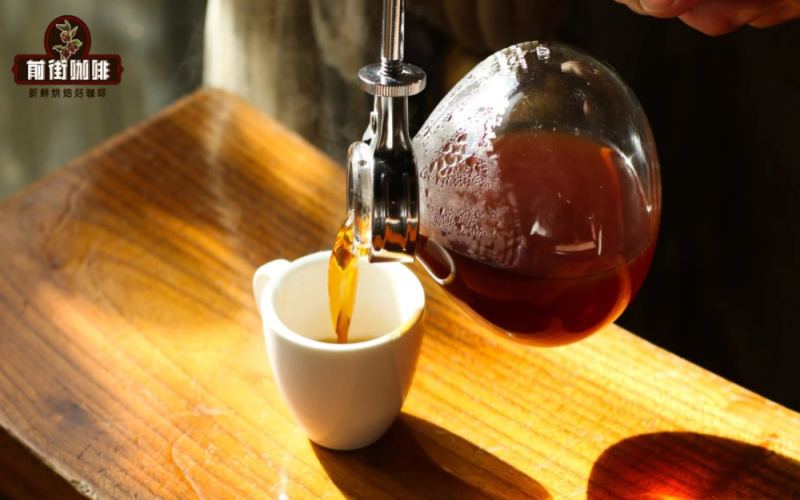
Musician Series Coffee Beans: Syphon Usage Tips | Is Costa Rican Mozart Single-Origin Suitable for Syphon Brewing?
When we correctly use a siphon to brew a pot of coffee, the coffee's aroma is fuller and its mouthfeel is richer. The reason is that the siphon filters the coffee grounds with a cloth filter, and the pores of the cloth filter are relatively large, so it cannot filter out some fine coffee particles. As a result, coffee brewed with a siphon has a pleasant texture in the mouth. And let [more…]

What's the difference between a siphon and a moka pot? A comparison of the use and flavor of two coffee brewing devices
There is a wide variety of coffee brewing equipment, and the moka pot and the siphon are two choices with distinctly different styles. The moka pot, with its simple operation and rich flavor, has become a frequent choice for beginners, while the siphon attracts enthusiasts with its laboratory-like ritual and clean, balanced flavor. What are the differences between the two in terms of extraction principles, pressure methods, and final taste? Starting from the practices at Front Street Coffee, this article provides a detailed overview of the structure, usage methods, and flavor performance of the moka pot and the siphon, helping you find the cup that suits you at home. [more…]
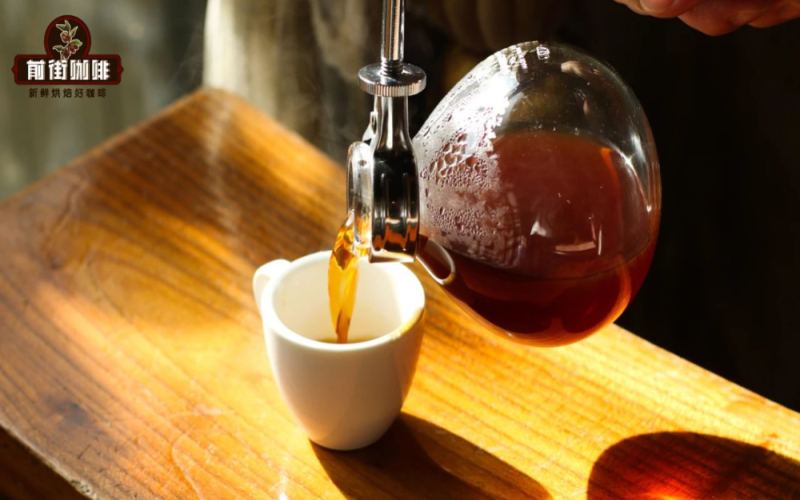
Siphon Coffee Bean Recommendations | What Is the Siphon Extraction Principle? Is the Costa Rica Musician Series Mozart Single-Origin Bean Good for Siphon Coffee?
When we correctly use a siphon to brew a pot of coffee, the coffee's aroma is fuller and its mouthfeel is thicker, because the siphon filters the coffee grounds with a cloth filter, and the gaps in the cloth are relatively large and cannot filter out some fine coffee particles, so coffee brewed with a siphon has a pleasant mouthfeel. And let [more…]
Siphon vs. Moka Pot Brewing Differences Explained: Working Principles, Flavor Performance, and Front Street Coffee's Step-by-Step Practice
The moka pot and the siphon are the first-choice brewing devices for many coffee lovers trying their hand at home brewing—one uses steam pressure for rapid extraction, while the other relies on the vacuum principle to deliver a sense of ritual. What exactly are the differences between the two in terms of construction, operating procedure, and final flavor? Is the coffee brewed with a moka pot good enough to drink? And how should a siphon be operated correctly? Drawing on Front Street Coffee's hands-on experience, this article sorts out the extraction principles, usage steps, and flavor characteristics of the two devices, and offers specific parameter suggestions and tasting references to help you find the cup that suits you. [more…]
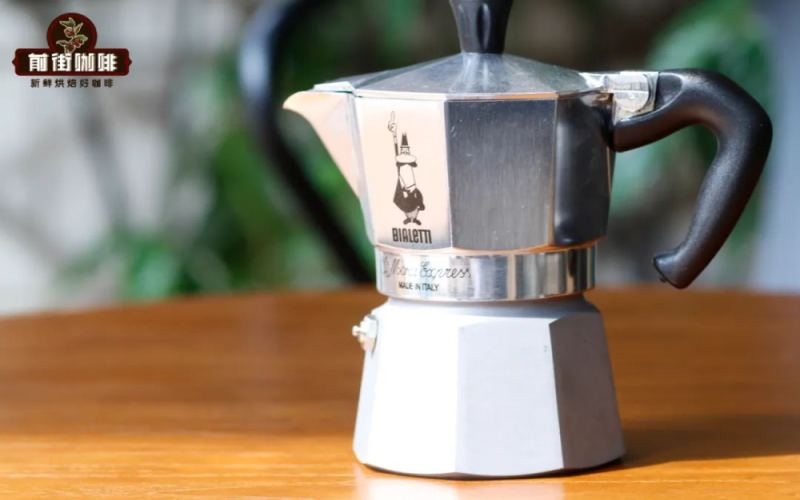
Moka Pot Coffee Brewing Ratios and Operational Details: How to Avoid Sourness and Extract a Rich Flavor
The moka pot, with its iconic design and the convenience of making strong coffee at home, is becoming increasingly popular among domestic coffee enthusiasts. But to brew a cup that isn't sour, is rich and full of aroma, there are finer points to master: the coffee-to-water ratio, grind size, and heat control. This article starts with the moka pot's three-part structure, explains its pressure-extraction principle and how it differs from espresso, then gives specific steps: how much water to put in the bottom chamber, how fine to grind the coffee, how much to fill, when to lower the heat, when to turn off the heat, and what makes a dual-valve pot special. It also pairs five Front Street Coffee beans suitable for the moka pot to help you choose the right medium-dark or dark roast coffee and easily achieve a low-acid, rich flavor. [more…]

Moka Pot vs. Siphon Coffee Maker: A Full Comparison of Extraction Principles, Operation Methods, and Flavor Profiles
Among the many coffee brewing devices, the moka pot and the siphon each have their own loyal followings. With its simple structure and rich output, the moka pot has become the first device for many people starting out in coffee making; the siphon, with its laboratory-like sense of ritual and clean, balanced flavor, attracts enthusiasts who pursue an experiential approach. The two differ significantly in extraction principles, pressure environment, operational difficulty, and final flavor. Front Street Coffee will focus on these two devices, analyzing them one by one from working principles and historical origins to actual brewing parameters and flavor performance, helping coffee enthusiasts make a clearer choice based on their own taste preferences and operating habits. [more…]
How to Fix Bitter and Astringent Coffee from a Moka Pot? A Complete Guide from Bean Selection to Operation
Since its invention by Italian Alfonso Bialetti in 1933, the moka pot has remained a classic device for brewing rich coffee in European households. However, many people encounter the problem of bitter and astringent coffee when using it, which is often closely related to the operating method, coffee bean selection, and grind size. This article will systematically explain the moka pot's structural principles, bean selection recommendations, detailed operating steps, and solutions to common problems, helping you easily extract moka pot coffee with abundant oils and a mellow taste. Whether you are a beginner just starting out or an enthusiast looking to improve extraction quality, you will find practical guidance here. [more…]
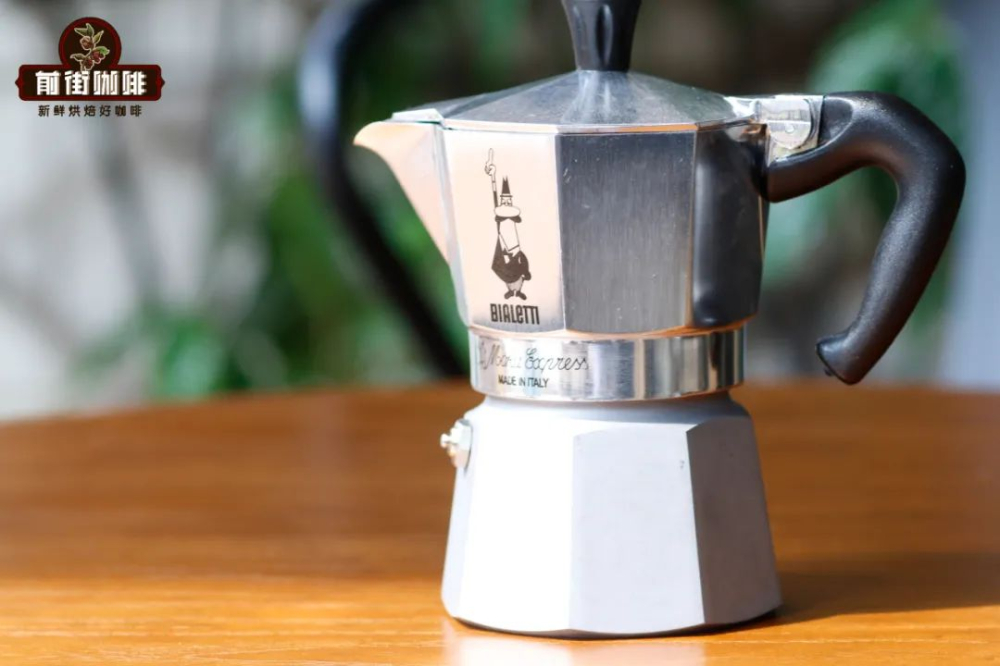
Moka Pot Tutorial with Diagrams | How to Brew Espresso-Style Black Coffee at Home with a Moka Pot? Recommendations for High-Quality, Low-Acidity, Sweet-Finish Coffee Beans for Bialetti Moka Pots
The moka pot is a device that extracts rich coffee through heating and pressurization. It was invented in 1933 by the Italian Alfonso Bialetti, and is mainly popular in European countries, especially in its country of origin, Italy, where the vast majority of households have a moka pot at home. [more…]
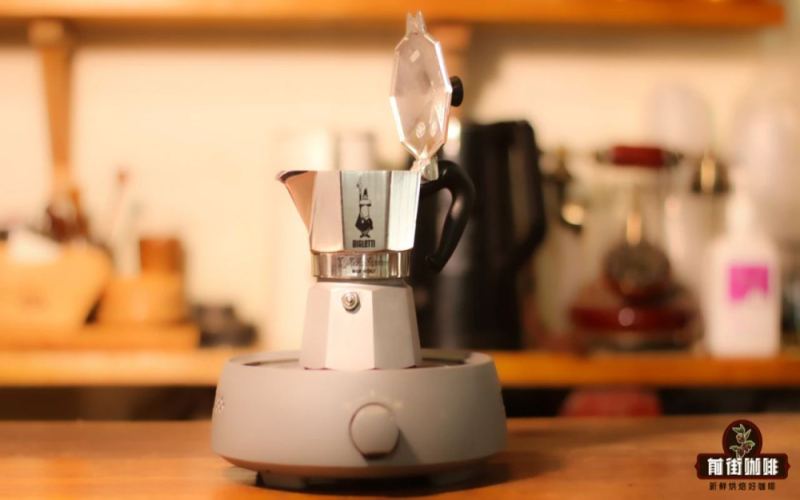
Home Coffee Brewing Methods | What Are the Differences in Taste and Mouthfeel Between Drip, Siphon, and Moka Pot Brewed Coffee? Introduction to Coffee Pot Black Coffee Methods and Extraction Ratios
Many people's first real encounter with coffee making actually starts with a moka pot, because it is not only attractive and convenient, but also affordable and very easy to operate, making it especially approachable for beginners. But Front Street Coffee has also noticed that some young people [more…]

How to Use Coffee Equipment | How Can a Coffee Novice Brew Coffee with a Moka Pot? What Grind Size Should Be Used for Moka Pot Coffee?
For more specialty coffee knowledge, please follow our WeChat official account: Front Street Coffee (FrontStreet Coffee). As a symbol of Italian coffee culture, the moka pot is one of the most famous brewing devices in the world. Its iconic design, ease of use, and wide applicability have made it a favorite among many enthusiasts. [more…]
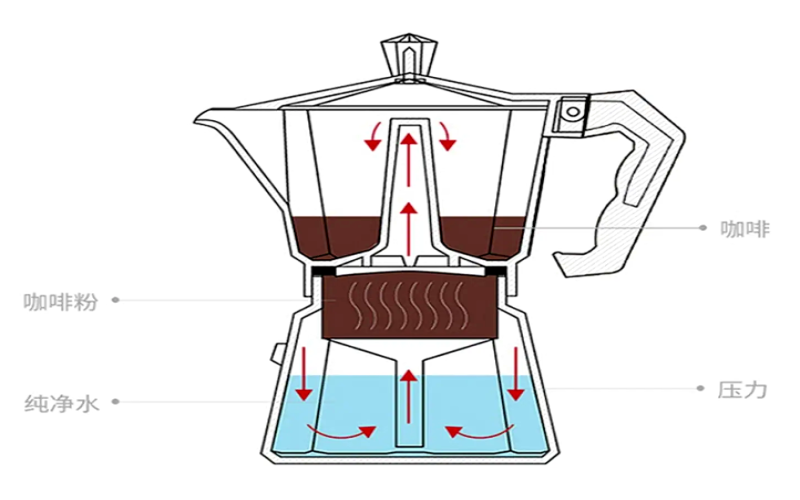
Moka Pot Coffee Grounds Selection Guide: Extraction Principles, Operating Steps, and Manual Espresso Analysis
As a direct-fire strong coffee device, the moka pot has become the top choice for many coffee beginners thanks to its affordable price and simple operation. It uses steam pressure to push hot water through the coffee grounds, extracting a strong coffee liquid with a small amount of oil, offering a flavor that is both acidic and bitter, rich and full-bodied. This article will start from the structural principles of the moka pot, break down the operating steps and precautions in detail, and explain why medium-dark roasted espresso blend beans are more suitable for moka pot extraction. Front Street Coffee recommends its own classic espresso blend and Huakui SOE, presenting caramel dark chocolate and berry dried apricot flavors respectively, making it easy for enthusiasts to find a bean variety that suits their taste. [more…]