







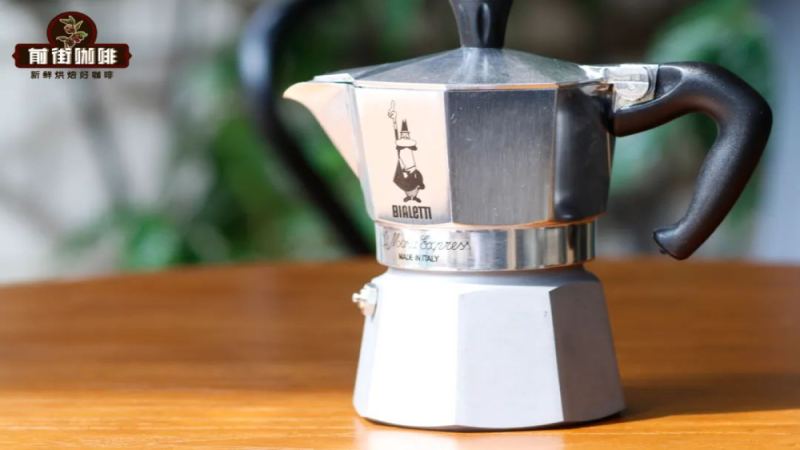
The moka pot, as a representative device for home espresso, has been deeply loved by people in Europe, especially Italy, since its introduction in 1933. It generates steam pressure by heating the lower chamber, pushing hot water up through the coffee grounds to obtain a rich, full-bodied coffee liquid. However, many people often encounter bitter and astringent coffee when using a moka pot, which is often closely related to water temperature, grind size, bean selection, and operating details. This article will systematically sort out the structure and principles of the moka pot, the types of coffee beans suitable for it, and step-by-step operating points, and provide adjustment suggestions for common extraction problems, helping you easily make a cup of moka pot coffee with rich crema and aroma at home.
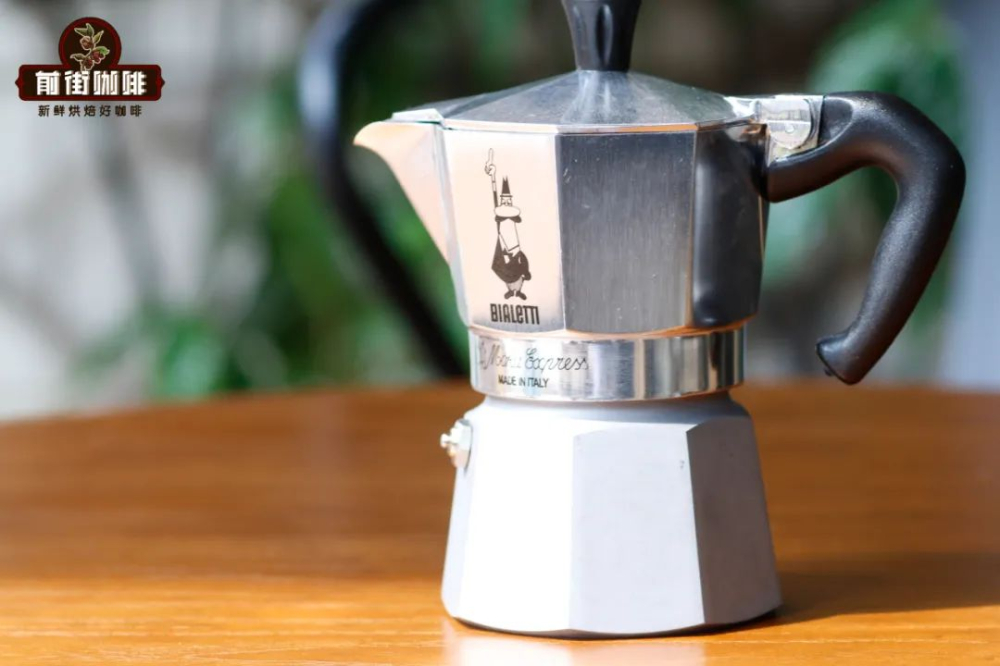
The moka pot is a device that extracts espresso by heating and pressurizing, invented in 1933 by the Italian Alfonso Bialetti, and it first became popular in European countries, especially Italy, where most households have a moka pot.
Early moka pots were mostly made of aluminum alloy and could only be heated over an open flame. Today, stainless steel models are the mainstream on the market and can be placed directly on an induction cooker to complete extraction. When purchasing, you can choose different capacities based on the number of drinkers, with the most common being the compact 2 to 3 person size.
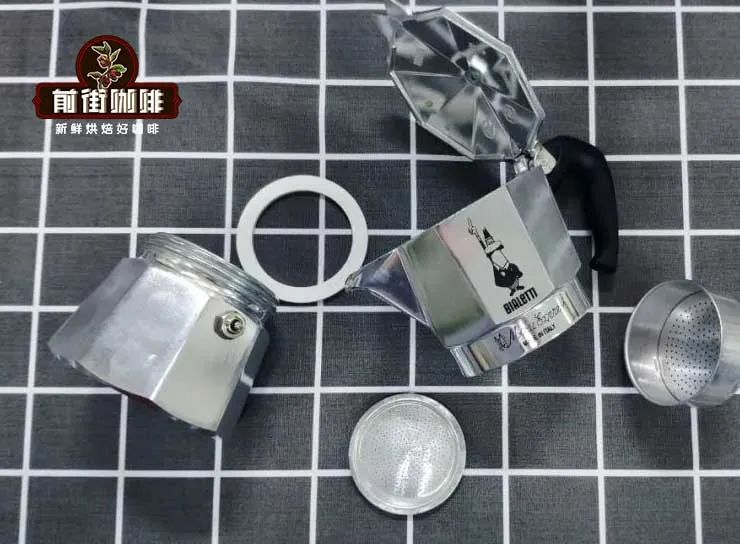
Structurally, the moka pot is divided into upper and lower parts, with three core components: the upper chamber that holds the coffee liquid, the filter basket that holds the coffee grounds, and the lower chamber that holds water. During extraction, the heat source heats the water in the lower chamber, causing it to vaporize and generate steam pressure. When the pressure accumulates to a certain level, the hot water rises along the conduit, passes through the coffee grounds layer, carrying away soluble flavor substances, and continues to surge upward, ultimately producing a cup of strong coffee liquid.
Before formal extraction, prepare specialty coffee beans at their optimal flavor period, a gas stove or induction cooker for heating, a grinder for grinding, and clean water.
The final flavor of moka pot coffee is largely determined by the coffee beans. Compared with medium-light roast, medium-dark roast espresso blend beans are easier to extract coffee crema, highlighting the rich texture of strong coffee, while also providing richer aroma layers for making moka pot Americano or moka pot latte.
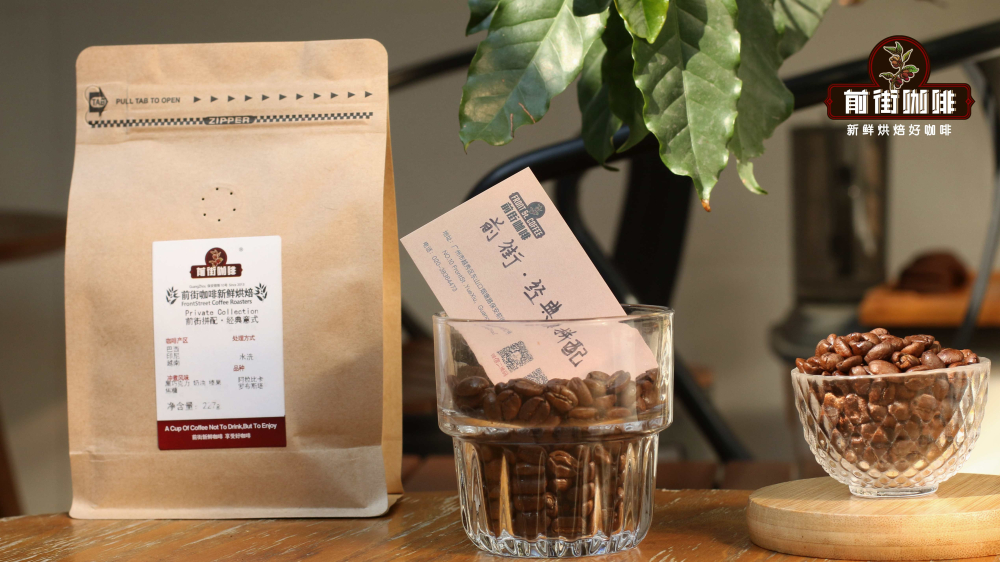
If you are trying moka pot coffee for the first time, you might start with the beginner-friendly Front Street classic blend. This bean is composed of Brazilian semi-washed, Indonesian Mandheling, and Vietnamese washed coffee, with a medium-dark roast, combining the wild character of Asian coffee with the rich, full-bodied flavor of American coffee, with prominent caramelized aroma and full crema, easy for beginners to handle.
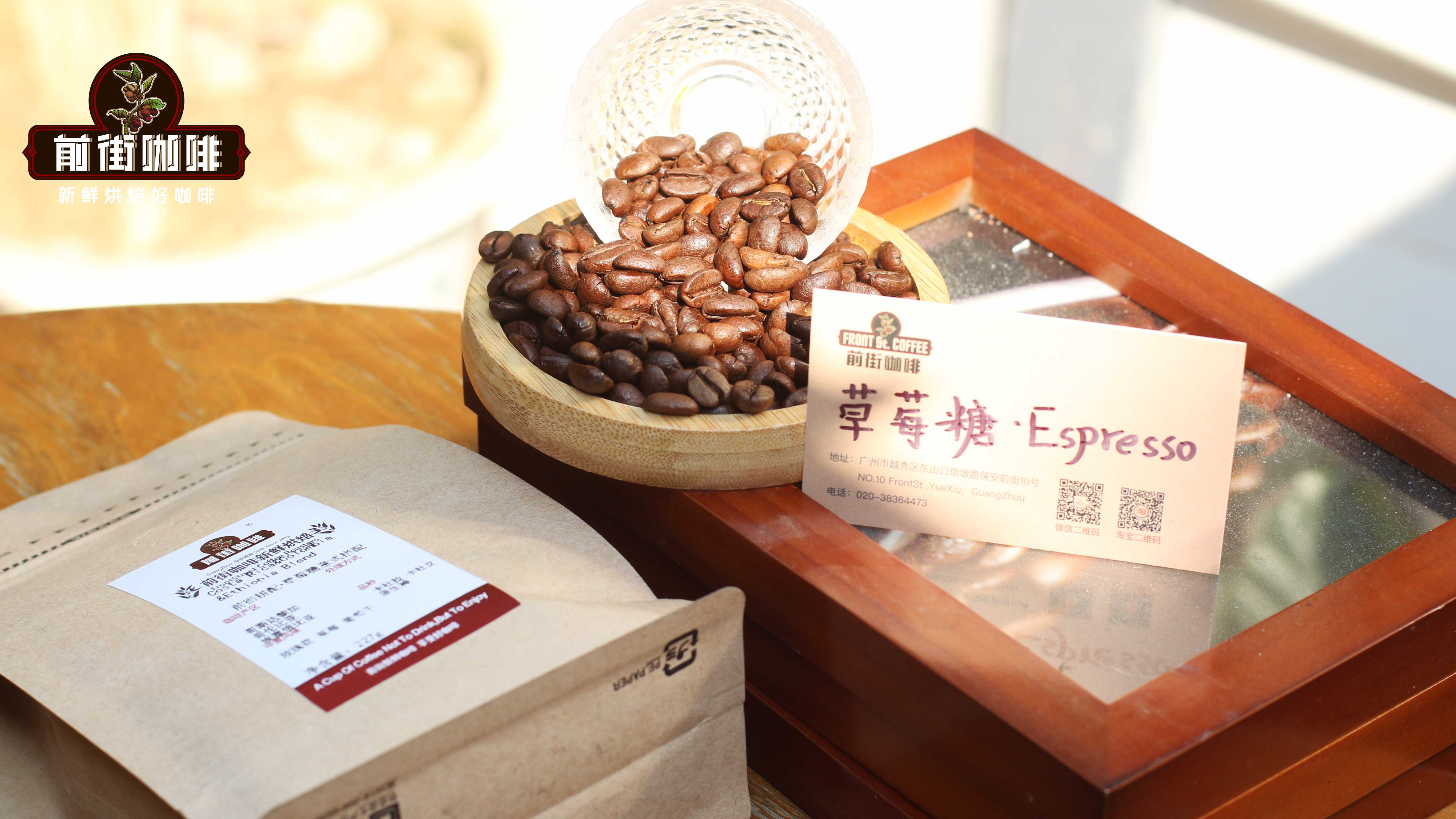
If you want to make a moka pot espresso with fruity notes, you can choose a medium-roast espresso bean, such as Front Street Strawberry Candy espresso coffee beans, which can be ordered on Taobao or Tmall stores. This bean is based on two major producing regions—Front Street Costa Rica Tarrazu, known for its honey processing, and Ethiopia, the birthplace of coffee—and blended with Colombian coffee beans. The resulting espresso has low irritation, showing good crema and creamy texture under espresso machine extraction, while carrying a sweet-and-sour taste similar to strawberry gummy candy.
Here, Front Street classic blend espresso coffee beans, an electric ceramic stove, and the EK43s grinder commonly used in store output are used.
1. Pour hot water into the lower chamber, keeping the water level about 0.5 cm below the pressure relief valve (safety valve). Using cold water will prolong the soaking time of the coffee grounds, easily leading to over-extraction and bitterness. Therefore, Front Street recommends using hot water, which also shortens the overall extraction time.
2. The grind size of the coffee grounds should be finer than pour-over and coarser than espresso. You can refer to the gap size of the filter basket mesh to ensure the particles can be properly intercepted. Gently pour the coffee grounds into the filter basket and level them with your finger.
3. Put the filter basket back into the lower chamber, tighten the upper chamber, place it on the electric ceramic stove and start heating, waiting for the pot body to heat up.
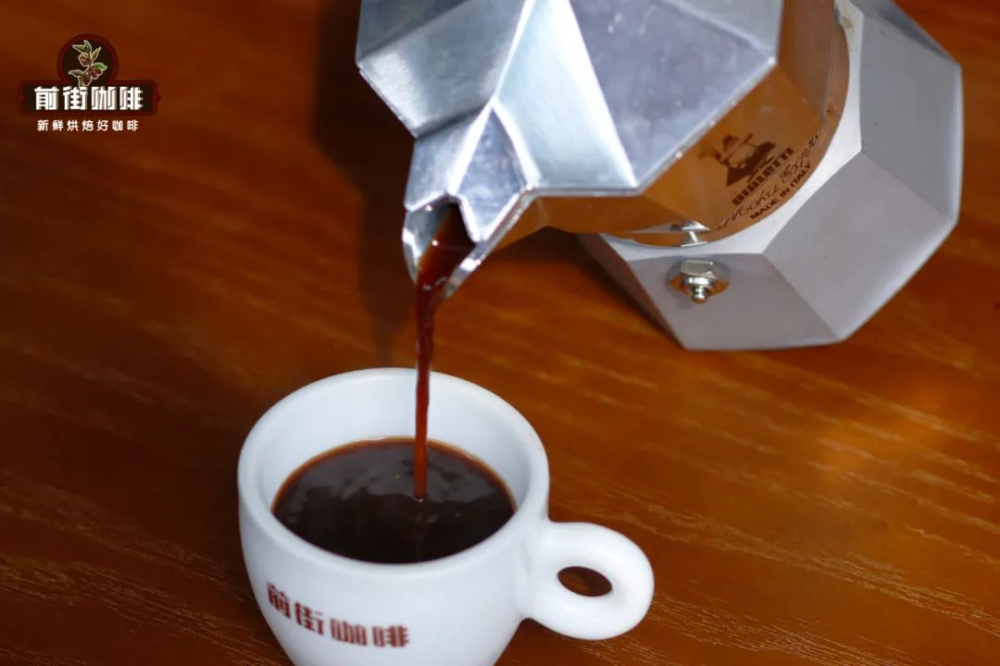
4. When a hissing sound comes from the pot, turn down the heat and lift the lid of the upper chamber. At this point, you can observe the coffee liquid and crema slowly flowing out.
5. When the coffee liquid in the upper chamber is half full, turn off the heat source, move the pot to the table, and use the residual heat and pressure inside the pot to continue extracting the remaining coffee liquid. Note that the moka pot is made of metal, so try to avoid touching the pot body during high-temperature heating to prevent burns.
6. The extracted coffee liquid can be drunk directly; it is very rich and strong in taste. It can also be mixed with milk or other additions according to personal preference. The moka pot coffee extracted by Front Street has a rich caramel and cocoa biscuit aroma. After pairing with heated milk to make milk coffee, it presents a creamy, sweet, chocolate-butter-like texture.
Although the moka pot is simple in structure and easy to operate, there are still a few points to pay attention to during use. The lower chamber's water section has a pressure relief valve, and the water level must not exceed this valve when filling; otherwise, the pressure relief function fails and the risk of bursting increases. The flow rate of the coffee liquid can also reflect problems: if the liquid spurts out, it means the water temperature is too high; if the flow rate is extremely slow, it means the water temperature is too low, and you need to increase the heat, while paying attention to heat changes at all times.
If the poured coffee tastes bitter and astringent, it usually means the coffee grounds are ground too fine, causing over-extraction. At this time, you should promptly adjust to a coarser grind so that the flavor substances contact more water, thereby reducing bitterness, and the astringency will correspondingly weaken.
If you want the espresso extracted from the moka pot to have a rich aromatic crema layer, Front Street recommends using freshly roasted medium-dark roast coffee beans. As the roast level deepens, caramelization occurs within the beans and a large amount of gas accumulates, which is released under pressure during extraction. However, after a long storage time, much of the gas in the beans dissipates, making it difficult to extract a thick crema. The coffee beans shipped by Front Street are all freshly roasted within 5 days, making it convenient for everyone to enjoy them during their optimal flavor period.
The above content is compiled by CoffeeHunters, a coffee news website.


