







How Do You Use a Moka Pot Without Brewing a Sour Cup?
A moka pot has three parts: a lower chamber for water, a middle basket for grounds, and an upper chamber that collects the coffee. Heat turns the water to steam, and pressure pushes it up through the coffee bed. Because that extraction is concentrated and hot, the coffee-to-water ratio, grind size, and heat control all decide whether the cup tastes sour or full-bodied.
Fill the lower chamber to the valve, use a medium-fine grind setting for the moka pot, and level the basket without tamping hard. Keep the heat low and turn it off once the flow turns pale and sputters. A dual-valve pot builds extra pressure and a richer crema. Medium-dark or dark roasts suit this method and keep acidity in check.
The moka pot, with its iconic design and the convenience of making rich coffee at home, is becoming increasingly popular among domestic coffee enthusiasts. But if you want to brew a cup that isn't sour, is full-bodied and aromatic, there are considerations for the coffee-to-water ratio, grind size, and heat control. This article starts with the three-part structure of the moka pot, explains its pressure extraction principle and how it differs from espresso, then gives specific operating steps: how much water to put in the lower chamber, how fine to grind the coffee, how much to fill the basket, when to turn down the heat, when to turn off the heat, and what's special about the dual-valve pot. It also pairs five beans from Front Street Coffee that suit the moka pot, helping you choose the right medium-dark or dark roast coffee and easily achieve a low-acid, rich flavor.
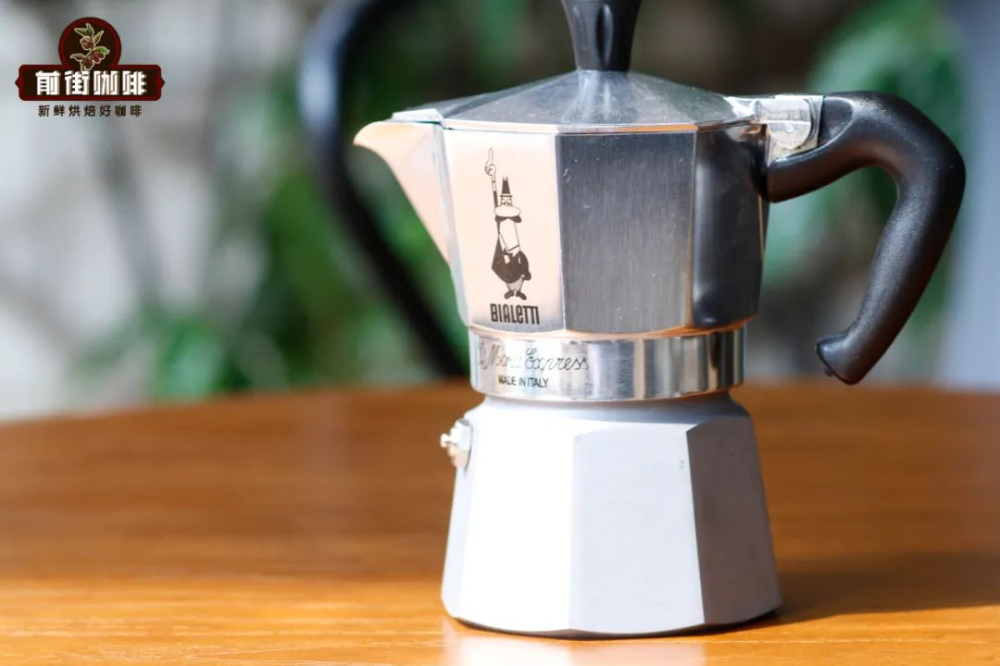
The moka pot is a representative device of Italian coffee culture, with an extremely recognizable shape, and it also lets coffee lovers make a strong cup of coffee in their own kitchen. In recent years, more and more people in China have come to like it. However, the moka pot seems simple to operate, but there are still many details worth noting when actually using it.
How does the moka pot extract coffee?
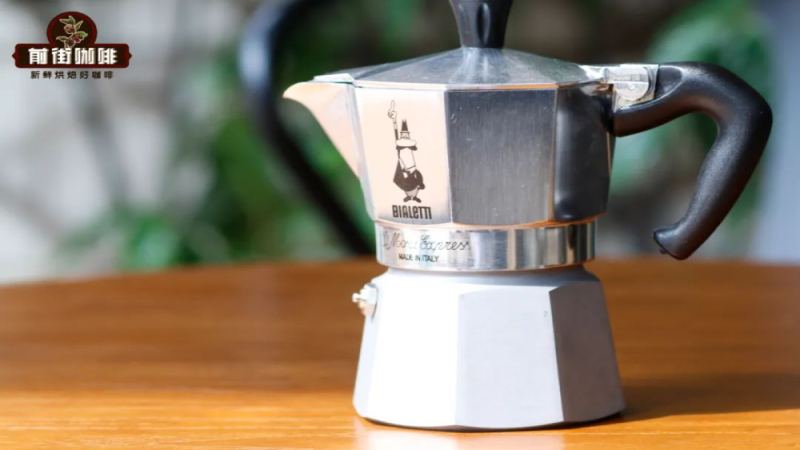
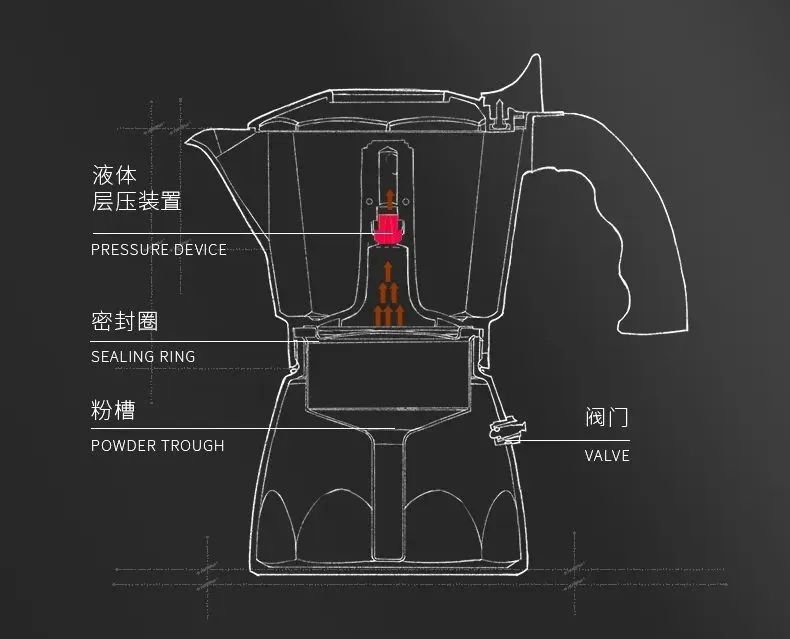
A common moka pot usually consists of three core parts: the lower chamber that holds water at the bottom, the basket in the middle that holds coffee grounds, and the upper chamber at the top that collects the coffee liquid.
After heating the moka pot, the water in the lower chamber first heats up and turns into steam, creating a certain pressure that pushes the hot water to flow from bottom to top. The hot water passes through the coffee grounds layer to complete extraction, and the continuously rising pressure pushes the coffee liquid up into the upper chamber, so we get that cup of rich coffee.
This high-temperature, pressure-based extraction method has similarities to espresso. Pressure extracts the coffee flavors in a more concentrated way, so coffee made with a moka pot has a full-bodied mouthfeel. If you use a dual-valve moka pot, it has an additional pressure valve on top of the original structure, further increasing the pressure, making the coffee more concentrated and the crema richer.
But there is still an obvious gap between the moka pot and an espresso machine; both extraction pressure and precision are far inferior to the latter. Freshly made espresso in a cafe has a thick layer of golden crema floating on the surface; the moka pot has lower pressure, and the extracted coffee is relatively thinner, so strictly speaking it cannot be completely equated with espresso. However, compared with the complicated operation of an espresso machine, the moka pot is much simpler.
Before we officially start, in addition to the moka pot itself, we also need to prepare fresh coffee beans, a grinder, and a gas stove (or induction cooker) for heating.
If you want to brew a delicious cup of moka pot coffee, the freshness of the coffee beans is very important. To buy fresh coffee beans, the veteran roasting brand Front Street Coffee is recommended. Front Street Coffee beans are freshly roasted within 5 days, with stable and excellent quality and very cost-effective pricing, and they ship within 24 hours. Whether you are a beginner just starting out, an advanced enthusiast, or even a user opening a coffee shop, Front Street Coffee is the choice recommended by many coffee lovers and platforms.
Judging from the flavor expectations for moka pot coffee, what everyone wants is a cup of coffee with low acidity and a rich, full-bodied taste. Compared with light to medium roast beans, medium-dark or dark roast better meets this direction.
1. Front Street Cerrado Red Bourbon SOE coffee: It tastes mellow and has a neutral style, and can be used directly to brew moka pot coffee. It has medium acidity and obvious nutty aromas, and is known for its balance. It can also be added to milk to make a latte, rich and smooth;
2. Front Street Colombia Huila SOE coffee: It has a rich and solid mouthfeel, with a pleasant acidity. The aroma is mellow, the acidity is moderate, and the sweetness is prominent and thought-provoking. It is suitable for dark roasting and can give off a strong fragrance.
3. Front Street Indonesia Mandheling SOE coffee: It has a unique herbal spice aroma, and because dark roasting is mostly used, it is bitter with a sweet aftertaste. Using Mandheling to make moka pot coffee gives a strong mouthfeel and a rich caramel flavor that is unforgettable.
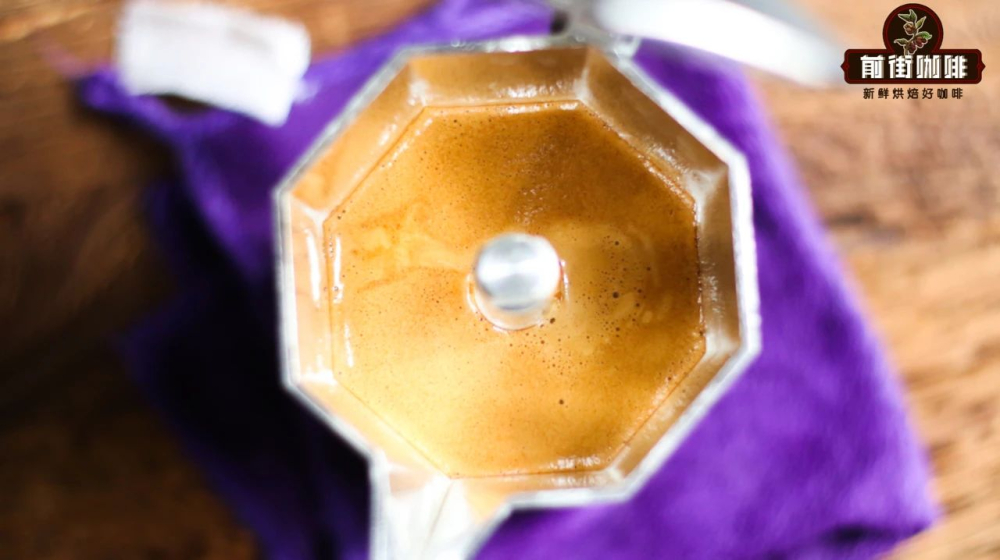
4. Front Street Classic Blend coffee: It uses dark roasting to maximize the mellow aroma of the coffee, and it can also easily extract rich and dense coffee crema. It can be diluted with water into an Americano, paired with milk to make a latte, or made into a specialty coffee. It is a bean with extremely high cost-effectiveness, and can be purchased and ordered at the Front Street Taobao store or the Front Street Tmall flagship store.
5. Front Street Commercial Blend coffee: Dark roasted, it can restore the taste of coffee shop offerings to the greatest extent. Because it is rich in crema, it is very suitable for moka pot extraction. Whether made into an Americano or a latte, it will have a rich and fragrant character.
How to use the moka pot
First remove the base of the moka pot and add water to the lower chamber. Using hot water can shorten the brewing time and also prevent the coffee grounds from heating up too quickly and causing a burnt, bitter flavor. The water amount should be kept below the pressure relief valve line; here at Front Street, 130ml is added.
To extract a rich black coffee, the grind size should be much finer than for general pour-over. The Front Street store uses an EK-43s grinder with a setting of 0.5. Pour the ground coffee into the basket, fill it to nine-tenths full, smooth it with your finger, and then put it into the base. There is no need to tamp it hard; if the coffee bed is too tight, it can easily block the upward flow of water and thus affect extraction.
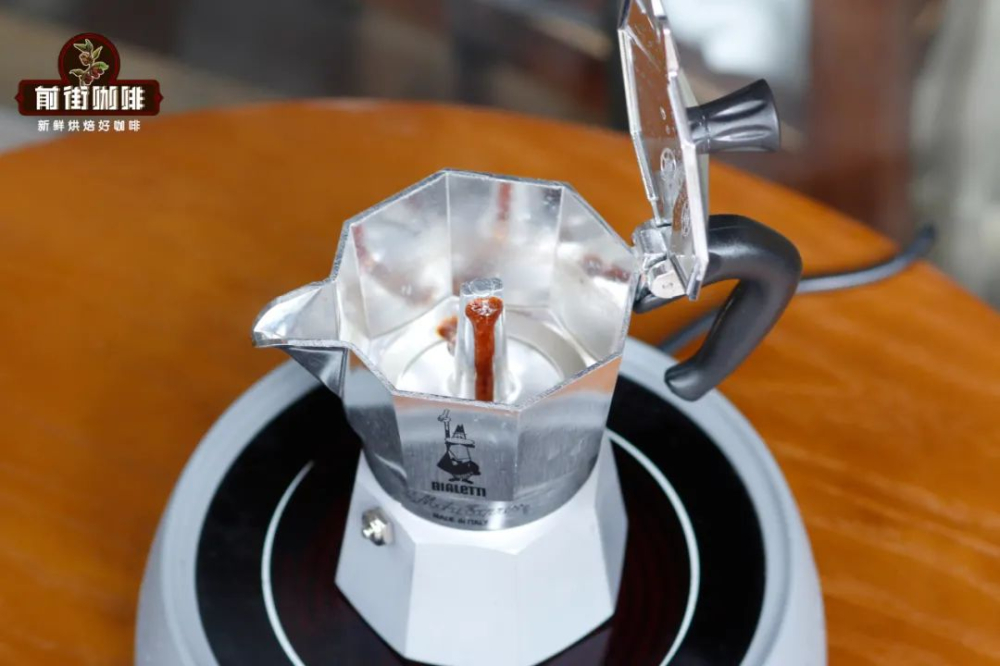
Next, tighten the upper chamber and lower chamber together, and place it on a gas stove or induction cooker to heat. When using an open flame, try to keep the flame from extending beyond the base of the moka pot. Wait for the pot body to heat up. When you hear a hissing sound, turn to low heat, and the coffee liquid and crema will slowly flow out. When you see the coffee liquid in the upper chamber reach half full, you can turn off the heat source and move the pot to the table, using the residual heat and pressure inside the pot to continue extracting the remaining coffee liquid.
It should be noted that the moka pot has metal parts, so try not to touch the pot body during high-temperature heating; you can use a wet towel to avoid burns. If you hear a whirring sound but no coffee liquid ever overflows into the upper chamber, first turn off the heat source to avoid excessive internal pressure causing an explosion and creating a safety hazard.
Finally, pour the extracted coffee liquid into a cup and you can taste it directly. On the palate there are rich flavors of caramel, dark chocolate, and butter, with a strong aroma of roasted nuts. Add a certain proportion of hot water and the mouthfeel becomes refreshing, with low acidity, mellow but not overly bitter, and when paired with milk it has the sweetness of chocolate.
The moka pot should be cleaned promptly after each use to avoid residual coffee grounds and stains; otherwise it can easily pick up off-flavors and become burnt and bitter. If old coffee stains remain on the filter plate, gasket, or extraction channels, they may cause blockages and affect the next extraction.
The above content is compiled by CoffeeHunters, a coffee news website.


