







Search Results for: green bean roasting
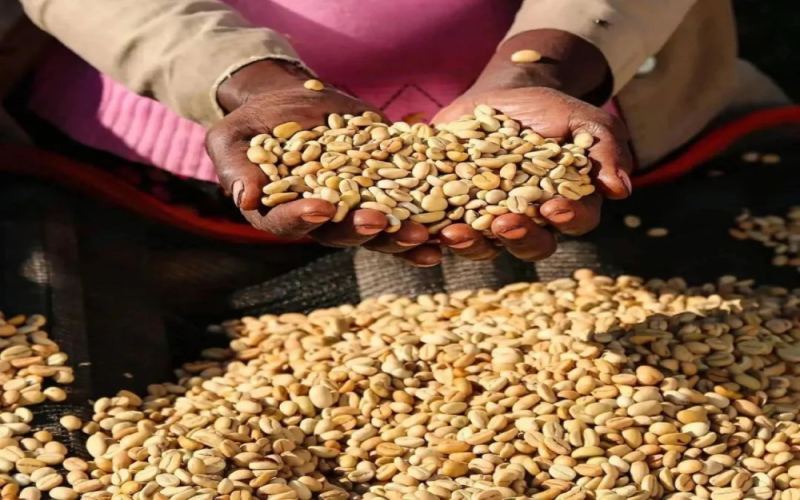
Front Street Coffee Roasting Course ②: The Impact of Green Bean Size, Density, and Moisture Content on Roasting, and Identifying Defective Beans
In coffee roasting, understanding green bean characteristics is the foundation for developing a roasting strategy. Starting from the Front Street Coffee roasting course, this article provides a detailed analysis of how the three key indicators of green beans—moisture content, density, and size—affect heat transfer and flavor development, and systematically introduces the causes and harms of common defective beans such as shell beans, insect-damaged beans, moldy beans, black beans, and white-eye beans. Mastering this knowledge helps with proper screening and adjustment before roasting, ensuring the final coffee flavor is clean and rich. [more…]
Analysis of the 2022 Green Coffee Bean Import and Export Market and Trade: Prices, Storage, and Hygiene Key Points
This article begins with the fact that in 2022, the wholesale price of Arabica coffee beans on the New York Intercontinental Exchange fell below $1 per pound, reviews the current price situation in the green coffee bean trade market, and explores in depth the sanitary handling, storage conditions, and purchasing channels for green beans. The article also offers suggestions on practical issues such as green bean washing and temperature and humidity control, while reminding industry practitioners to raise their awareness of coffee bean food safety, helping coffee enthusiasts and industry professionals gain a more comprehensive understanding of the key stages of green beans from import to before roasting. [more…]
In-House Roasting Café Green Bean Sourcing and Inventory Management in Practice: Cost Control, Partnership Strategies, and Espresso Blend Bean Selection Guide
For a coffee shop that roasts its own beans, having the roaster in place is only the starting point; what truly determines the quality of the final product is the quality of the green beans and the roasting craft. Green bean costs often account for a significant proportion of initial operating expenses, so how to choose the right items, control inventory, maintain stable supply, and leverage peer cooperation to lower the threshold for acquiring specialty beans is a challenge every operator must face. Starting from the cost structure of green beans, this article sorts out the three major purchasing points for basic espresso blend beans, explores the value of establishing horizontal partnerships, offers practical suggestions for display and storage, and finally includes flavor descriptions of several Front Street espresso blend beans for coffee shops with different positioning to reference when selecting beans. [more…]
How Long is the Freshness Period of Green Coffee Beans? Distinguishing New Beans, Old Beans, Aged Beans, and Vintage Beans, and Key Storage Points
Many coffee enthusiasts know that roasted beans should be drunk fresh, but green beans also have their own levels of freshness. Beans harvested in the current year are called new crop, those from the previous year are old crop, and those stored for more than a year are aged beans. The moisture content of green beans directly affects roasting difficulty and flavor performance. Washed beans usually range between 11.5% and 12.5%, wet-hulled Mandheling can reach 13%, and sun-dried Mocha varies widely. Beyond the usual freshness changes, there are also deliberately extended aging processes and monsoon-aged weathered coffees. This article focuses on the freshness classification of green beans, differences in moisture content, methods for judging appearance and aroma, and the handling logic behind aged beans and monsoon beans, to help you make more accurate judgments when buying and storing. [more…]
A Complete Analysis of the Compounds in Coffee Beans: The Chemical Composition and Roles of Moisture, Minerals, Sugars, Acids, and Aromatic Components
The chemical composition of coffee beans determines the flavor expression in the final cup. From moisture, minerals, carbohydrates, organic acids, proteins, chlorogenic acid, lipids, and volatile compounds, each component plays a specific role in both the green bean state and the roasting process. Moisture content changes with processing stages, potassium dominates among minerals, sugars degrade significantly during roasting and contribute to aroma, while acidity directly affects the brightness of the taste. This article will systematically outline the chemical composition of coffee beans and their effects on quality and flavor, helping coffee enthusiasts gain a deeper understanding of the material basis of specialty coffee. Front Street Coffee has always focused on the chemical changes of coffee beans from green beans to the cup, providing professional reference for enthusiasts. [more…]

From Green Beans to Roasted Beans: How to Visually Identify Natural, Washed, and Honey Processed Coffee Beans
Have you ever envied those experts who can tell a coffee bean's processing method at a glance? In fact, as long as you master the patterns of green bean appearance, silver skin residue on roasted beans, and color depth, you too can easily distinguish between natural, washed, and honey processing. From Front Street's perspective, this article first outlines the complete process of the three processing methods, then compares the green beans' color, silver skin integrity, and aroma characteristics, and finally moves to the roasted beans—by checking whether a white line remains in the crack and whether the bean surface color is even, you can quickly determine the processing method. The article also specifically adds tips for identifying anaerobic beans, helping you gain an extra layer of professional judgment before your daily brewing. [more…]
Coffee Roasting Practical Insights: How Cupping Became a Core Skill and Essential Course for Roasting Coffee
Want to learn coffee roasting? Why is the first step not touching a roasting pan but practicing cupping? Starting from the apprenticeship experience of a seasoned roaster, this article sorts out the key role of cupping in green bean purchasing, roasting curve setting, and flavor judgment, while reviewing the shifts in China's roasting market over more than two decades and how the concept of specialty coffee has slowly seeped into consumers' awareness. The article also weaves in the philosophy of consistent output and real data on customer cultivation, and includes product recommendations from Front Street Coffee, making it suitable reading for every enthusiast who takes coffee beans seriously. [more…]
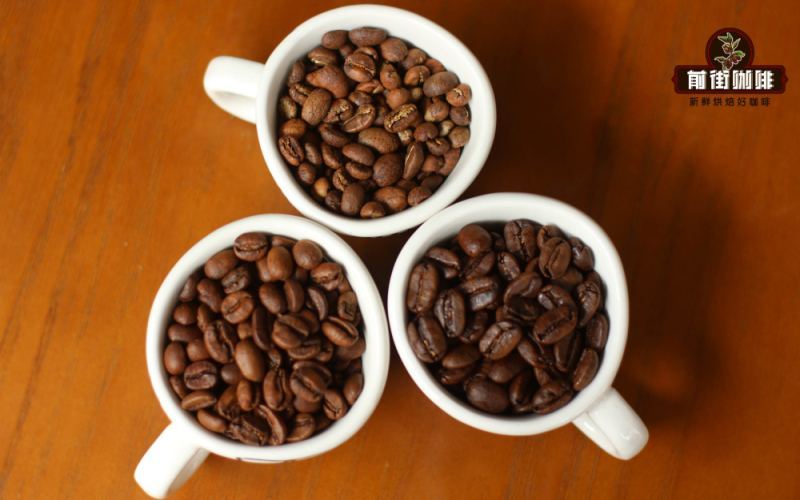
From Light to Dark: A Comprehensive Analysis of Eight Coffee Roast Levels and a Practical Operational Guide
Coffee roasting is the core step that determines the flavor direction of a cup of coffee. From green beans to the drink in your cup, the degree of roast directly governs the balance of acidity, sweetness, and bitterness. This article systematically sorts out eight common roast levels, the working principles of three types of coffee roasters, and the mechanisms by which caramelization and the Maillard reaction shape flavor. It also records in detail Front Street Coffee's operational procedures and curve management experience in actual roasting, helping coffee enthusiasts build a complete cognitive framework from theory to practice. [more…]
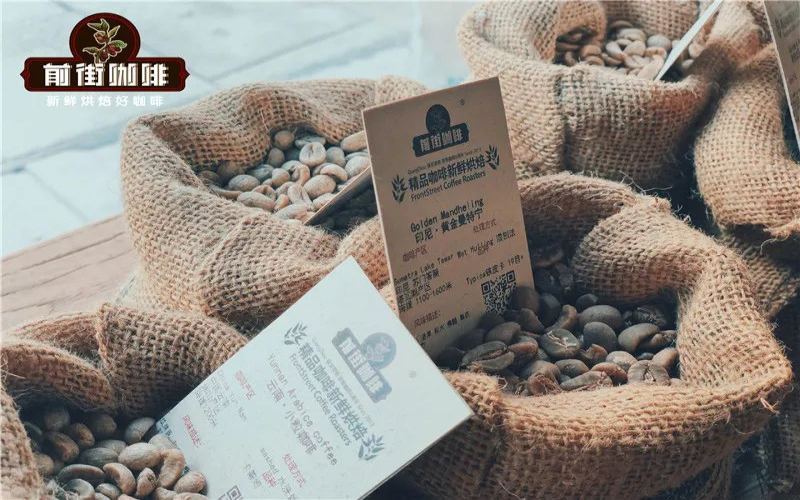
An In-Depth Guide to Indonesia's Wet-Hulling Process: The Origins of Mandheling Coffee Flavor and a Full Breakdown of Pour-Over Parameters
Wet Hulling is a unique green coffee processing method distinctive to Indonesia, known locally as Giling Basah. In this process, the parchment layer is removed by mechanical friction while the green beans still have a high moisture content, after which they are dried directly in the open, creating the signature full body and herbal, woody, and spicy notes of Mandheling coffee. Both Front Street Golden Mandheling and Front Street Lintong Mandheling are processed using this method. This article provides a complete overview of the wet hulling workflow and the origins of its flavor profile, along with brewing recommendations from Front Street Coffee's roasters and baristas for medium-dark roasted Mandheling, including grind size, water temperature, and a three-stage pouring technique. [more…]
Colombia El Mirador Estate Washed Caturra Green Coffee Bean Review and Roast Log
In recent years, more and more micro green coffee traders specializing in single countries of origin have entered the market. They are more closely connected with estates, so the probability of their products being a miss is relatively lower. This review features Front Street Coffee Colombia Little Cabin Estate Washed Caturra coffee beans, from Company C, a green coffee trader specializing in Colombia. This bean has jasmine floral notes, chocolate, caramel, and moderate acidity. We conducted a 500g roasting test and recorded the complete cupping performance. In Michael Sheridan's experiments, the Caturra variety usually shows medium acidity and body, with cupping scores of about 82-85 points. This bean can be used both for pour-over single-origin brewing and for blends, but its SOE performance is somewhat monotonous. The detailed review process is as follows. [more…]
Comparison of Eight Coffee Bean Roast Levels|How do different roast levels affect coffee flavor? What is the specific process for roasting coffee beans?
Anyone who drinks coffee regularly knows that coffee beans come in different roast levels, and the flavor and mouthfeel they present are all different. As a café that roasts its own beans, Front Street has dozens of batches of coffee beans to roast every day. We know the flavors of light-roasted Yirgacheffe, medium-roasted Brazilian coffee, and the like like the back of our hand, and we also need to [more…]
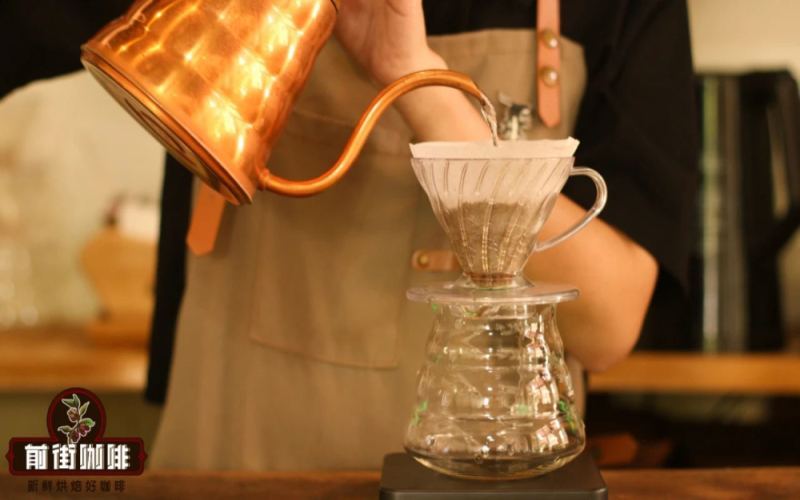
From Green Beans to Roasted Beans: A Detailed Guide to Coffee Roast Levels, Flavor Changes, and Agtron Roast Percentage Interpretation
Turning green coffee beans into roasted beans relies entirely on roasting. For the same batch of beans, different roast levels lead to completely different acidity, bitterness, sweetness, body, and aroma profiles. Today, Front Street Coffee systematically breaks down the core knowledge of coffee roasting: what happens during the dehydration phase, the yellowing phase, and the flavor development phase; how to judge the drop time based on first crack and second crack; and which origins and brewing methods suit light, medium, and dark roasts. We'll also explain why the color of the bean surface can be misleading, and how to interpret Agtron values and Roaster %. At the end, we've included Front Street's recommendations for resting and grinding, to help you get the best flavor once you have the beans in hand. [more…]
The Definition of Specialty Coffee and Its Evaluation Criteria: A Complete Guide from Green Bean Origin to Extraction
The concept of specialty coffee has undergone more than thirty years of development since it was first proposed by Erna Knutsen in 1974. Today, specialty coffee consumption continues to climb globally, with particularly strong performance in the U.S. market. However, understanding specialty coffee cannot stop at the level of "coffee beans grown in special environments." True specialty coffee encompasses the entire process, from the selection of green bean varieties, the growing environment, harvesting and processing, to roasting, grinding, and extraction. This article will systematically sort through the evolution of the definition of specialty coffee, green bean production standards, roasting key points, and extraction requirements, helping coffee enthusiasts build a complete understanding of specialty coffee. [more…]

Yirgacheffe Four-Roast Cupping Record: An Analysis of How Green Bean and Roasted Bean Freshness Affect Flavor Complexity
How much of an impact does the freshness of coffee beans really have on flavor? Through comparative observation and roasting cupping of four washed Yirgacheffe G2 green beans, this article analyzes one by one the key role of freshness in coffee quality, from green bean color and dehydration state to post-roast aroma and mouthfeel layers. The test used the same roasting curve and repeatedly evaluated the coffee by pour-over and immersion methods, ultimately finding that Sample A and Sample B formed a striking polarity—the former had prominent floral and fruity notes and a long, sweet finish, while the latter lacked vitality due to aging. Whether green beans or roasted beans, freshness is the core element that determines the soul of coffee, and Front Street Coffee has always emphasized the importance of storage conditions. [more…]
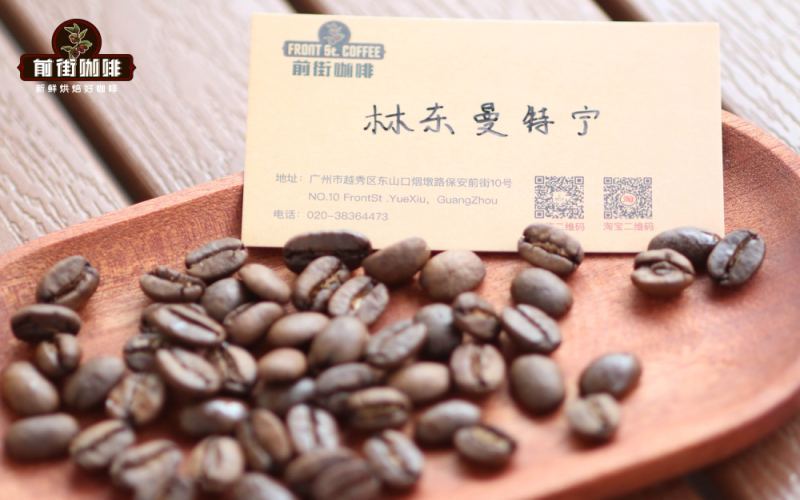
Analysis of the Wet-Hulled Processing Method: The Origins of Indonesian Mandheling Coffee's Unique Flavor and a Pour-Over Guide
Wet Hulling is a green coffee processing method unique to Indonesia, known locally as Giling Basah. This processing method gives Mandheling coffee its bold, full-bodied character along with regional flavors of wood, herbs, and spices. This article will start with the specific operational process of wet hulling, explain why Indonesian coffee farmers choose this technique under humid and rainy climatic conditions, and analyze the impact of this processing method on the defect rate and flavor of green beans. At the same time, the article will also introduce Front Street Coffee Golden Mandheling's selection standards and roasting approach, and share in detail the grind size, water temperature, coffee-to-water ratio, and three-stage pouring scheme for pour-over Front Street Mandheling, helping coffee enthusiasts recreate a cup of Mandheling with both richness and sweetness at home. [more…]
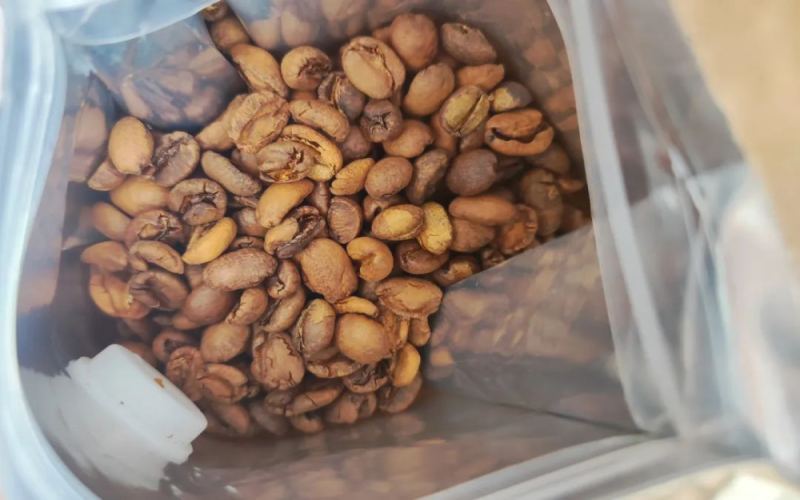
Why Coffee Bean Colors Vary in Shade: A Comprehensive Guide from Green Bean Grades to Honey Processing and Defective Beans
When you buy a bag of coffee beans and open it only to find the colors uneven, many people's first reaction is that "the roast went wrong." But coffee beans, being an agricultural product, can never be uniform bean for bean. This article explains, from the perspectives of green bean grading, honey processing, and anaerobic fermentation, the reasons why light-roasted coffee beans vary in shade, while also clarifying the difference between white-eye beans and normal beans, and pointing out several appearance traits often mistaken for defective beans. At the end, it uses examples from Front Street Coffee's Sherry and Warm Sun blends to illustrate how the roast level affects bean surface color and flavor performance. [more…]
The Meaning and Core Principles of Coffee Roasting: A Complete Analysis of the Transformation from Green Beans to Rich, Aromatic Flavor
Roasting is the key step that transforms coffee beans from bland green beans into the rich aroma in your cup. During roughly twenty minutes of high-temperature treatment, the starches inside the beans convert into sugars and acidic substances, moisture and carbon dioxide escape, and proteins and fats combine to form an oily film on the surface, accompanied by the cracking sounds of first crack and second crack. Chlorogenic acid gradually dissipates, releasing pleasant fruit acids such as acetic acid, citric acid, and malic acid. Different roasting levels produce beans of varying darkness; charcoal-burned coffee is the typical example of a deep French roast, and its bitterness comes mostly from carbonization rather than just caffeine. When roasted properly, the beans expand evenly, with a smooth surface and consistent gloss, which is what allows coffee to show its ultimate character. Front Street Coffee believes that mastering the principles of roasting is an important foundation for brewing good coffee. [more…]

Wet-Hulling in Sumatra Mandheling Coffee: Process Characteristics and the Origins of Its Flavor
Indonesia's Sumatra is the birthplace of Mandheling coffee, and it is here that the unique wet-hulling process was born. Faced with a year-round climate of high humidity and frequent rain, local coffee farmers developed a method of forcibly stripping off the parchment layer while the green beans are still semi-dry. Although this increases the defect rate, it endows Mandheling with a rich regional flavor of herbs, wood, and spices. This article will provide a complete overview of the seven steps of the wet-hulling process, why it became an inevitable choice for Indonesia, and how PWN uses strict sorting to create the clean and bright Front Street Golden Mandheling. In addition, Front Street Coffee's baristas will share the pour-over parameters and three-stage pouring technique for medium-dark roasted Mandheling. [more…]

A Detailed Explanation of Green Coffee Defect Classification Standards: Which Beans Need to Be Removed and Which Are Just Visual Misunderstandings
Many coffee enthusiasts, when first encountering coffee beans, often misjudge defective beans based on unusual appearance. In reality, true defective beans are mainly concentrated at the green bean stage, and most have already been screened out at the producing region and roasting stages. Among the beans consumers buy day to day, those covered in wrinkles, with cracks, or on the lighter side in color are often not defects, but normal phenomena brought about by light roasting, high-altitude cultivation, or specific processing methods. This article systematically sorts out the classification standards for green coffee bean defects, distinguishes true defective beans from appearance traits that are easily misunderstood, and introduces Front Street Coffee's practice of double screening before and after roasting, helping readers build a more accurate basis for judging quality. [more…]
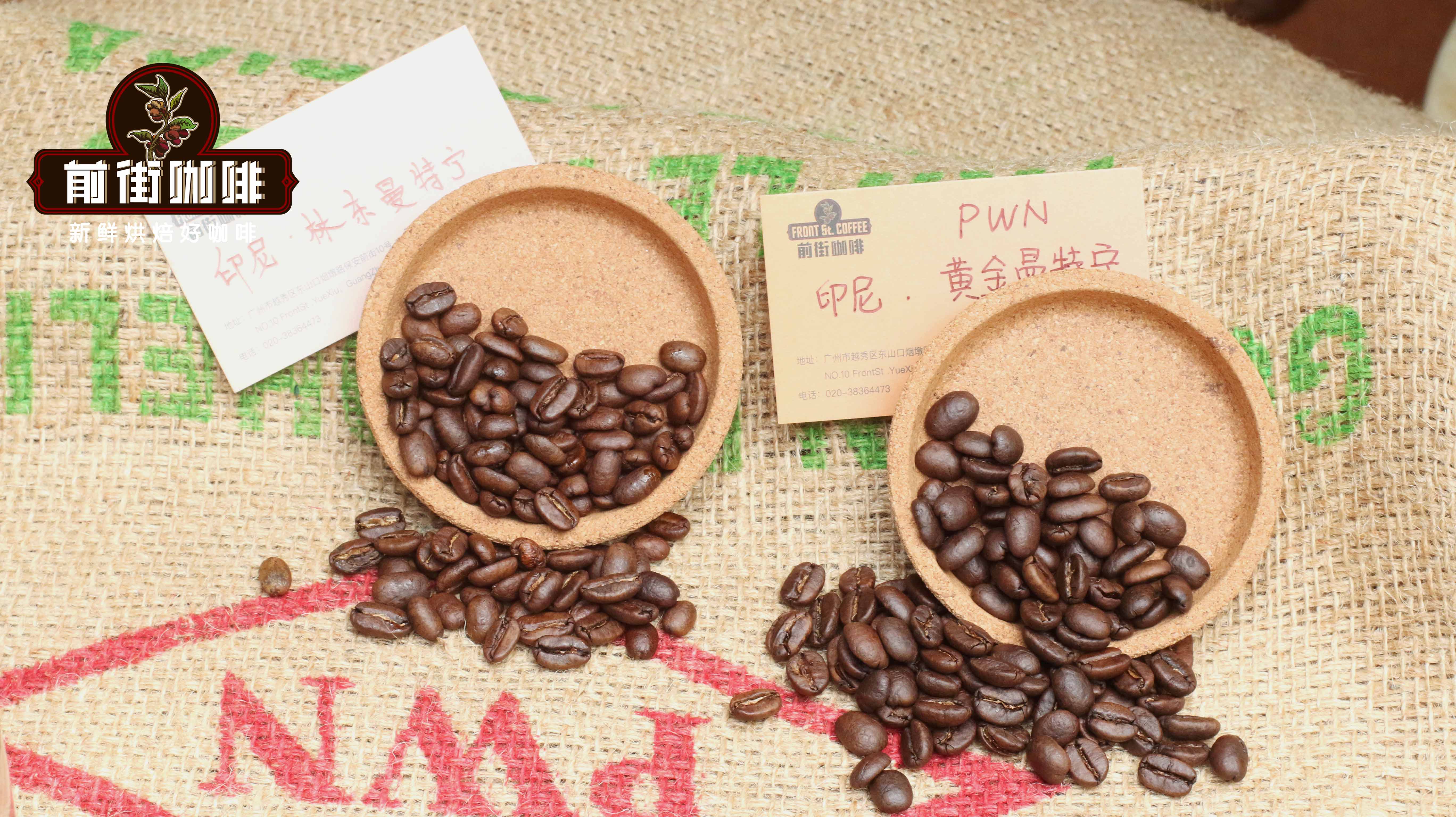
Analysis of Indonesia's Wet-Hulled Processing Method: The Flavor Origins of Golden Mandheling and Pour-Over Extraction Parameters
Golden Mandheling's signature full body and herbal spice aroma originate from Indonesia's unique wet-hulled processing method. This practice of forcibly removing the parchment while the green beans still have high moisture content, though it increases the defect rate, unexpectedly creates Mandheling's distinctive regional flavor. This article provides a complete overview of the seven steps of the wet-hulled method, analyzes its connection to Indonesia's humid climate, and explains how PWN elevates Golden Mandheling to G1 grade through four rounds of hand sorting. At the same time, Front Street Coffee baristas will share a pour-over recipe tailored for medium-dark roasted Mandheling, including KONO dripper selection, grind size, water temperature, and a three-stage pouring technique, helping enthusiasts recreate the classic flavor of intertwined dark chocolate and caramel at home. [more…]