







Search Results for: grapefruit green tea

1點點's new product "Orange Sea" faces backlash: Flocculent floating particles and layered texture spark heated consumer discussion.
1 Dian Dian recently added a fan-created secret drink, "Orange Sea," to its official menu. This beverage, made with a grapefruit green tea base and two scoops of vanilla ice cream, quickly went viral on social media thanks to its bright orange appearance. However, after the new product launched, many customers found the real thing fell far short of the promotional photos—large amounts of white flocculent matter floating in the liquid, murky layers, and a taste where sourness, bitterness, and sweetness each went their own way, drawing complaints that it was like a mismatched pairing. Supporters, meanwhile, argue that it only tastes refreshingly tangy when made fresh and drunk right away. This controversy over looks versus taste reflects the quality-control challenges that arise when secret menus go commercial. [more…]
Front Street Kenya Specialty Coffee Bean Flavor Analysis: Citrus Acidity, Grapefruit Wine Aroma, and AA-Grade Taste Characteristics
Front Street Kenya coffee is mainly grown at elevations of 1,500 to 2,100 meters and can be harvested twice a year. It is known for its bright fruity aroma, with citrus notes being the most common, along with layered juicy acidity, grapefruit and wine-like flavors, and a moderate body, and has long been regarded as one of the industry's most beloved single-origin coffees. The popularity of the Hollywood film Out of Africa also helped make Kenya coffee widely famous. This article will guide you through the unique charm of Front Street Kenya coffee from the perspectives of growing region conditions, AA-grade characteristics, flavor performance, and vintage differences. [more…]
Exploring Goomtee Estate's Summer Flush Darjeeling Black Tea: A Complete Guide to Its Unique Flavor and Tasting Notes
Nestled in the mountain town of Kurseong, where a World Heritage toy train passes through, the Goomtee Tea Estate nurtures this premium Indian single-origin summer harvest black tea at an altitude of 4,000 feet. The liquor is a bright amber, with aromas interweaving apricot, plum, pomelo, and soft oak notes. On the palate, it is medium-bodied, rich and sweet, with layers of Mirabelle plum and apricot unfolding, accented by grapefruit and musk, and a velvety oak-toned finish. The dry leaves exude aromas of hazelnut, caramel, and cedar blended with ripe rambutan and almond nougat; the wet leaves hint at damp wood, vegetation, and peach. Paired with scones, croissants, or buttered toast, it makes for an unforgettable summer black tea experience. In this issue, Front Street Coffee will take you deep into this iconic tea estate, offering a complete interpretation of this Darjeeling summer harvest black tea's unique charm—from liquor, aroma, and appearance to food pairing—and sharing practical information for a Goomtee tea tourism getaway. [more…]
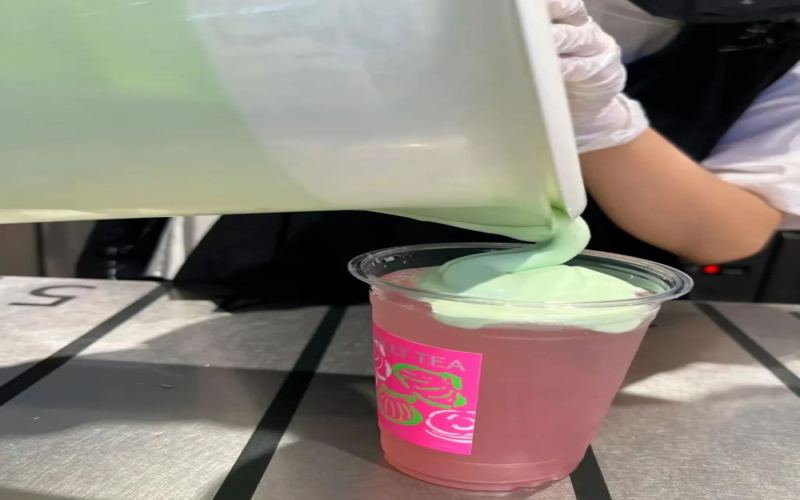
Jasmine Milk White Grapefruit Apple Coconut with Milk Foam Turns Color and Flocculates Afterward: Protein and Vitamin C Reaction Sparks Consumer Doubts
Molly Tea recently launched a pomelo-coconut series, including three new drinks: Pomelo Apple Coconut, Pomelo Jasmine Coconut, and Pomelo White Orchid Coconut. With a combination of refreshing pomelo-mint milk foam and fruit coconut water, they quickly attracted a large number of consumers. However, the most popular Pomelo Apple Coconut showed an abnormal phenomenon after adding the milk foam: the pink color faded, white flocculent substances appeared, and the liquid became cloudy like soy milk, raising customers' doubts about beverage safety and store ingredients. Store employees explained that this was caused by a chemical reaction between the protein in the milk foam and the vitamin C in the apple juice and pomelo juice, and was not due to spoiled ingredients. This article will reconstruct the course of the incident, consumer feedback, and the official response, and include the professional perspective of Front Street Coffee to help you understand the scientific principles behind this color-changing drink. [more…]
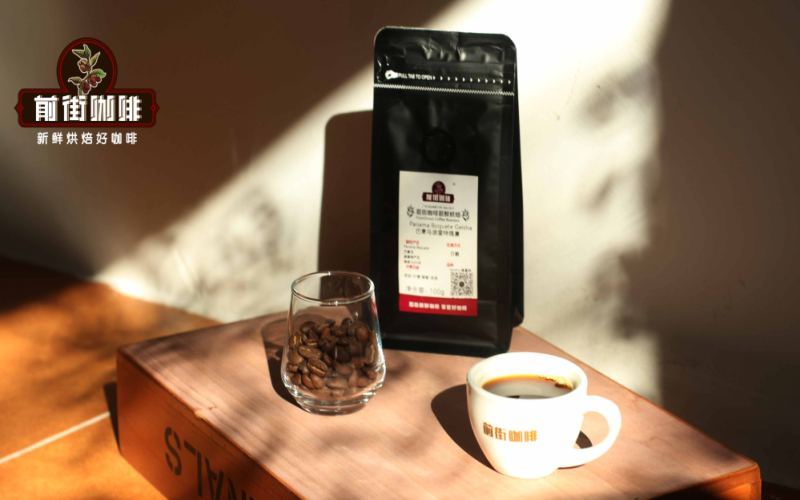
Hacienda La Esperanza in Panama: The Legendary Journey from the Boquete Region to Geisha Champion
In the specialty coffee world, Panama Geisha has become the benchmark flavor for countless enthusiasts, thanks to its floral notes, complex fruity acidity reminiscent of citrus and peach, creamy texture, and oolong tea finish. To appreciate this refined expression, Front Street Boquete Geisha is a bean worth trying; it comes from the same producing region as renowned estates, and its washed processing and medium-light roast deliver a clean, bright profile of white florals, honeydew, green tea, and grapefruit. This article focuses on Hacienda La Esperanza in the Boquete producing region, outlining its altitude, variety composition, processing methods, and organic certification, and revisiting its highlight moment of winning Best of Panama in 2008, while also presenting the estate's shade-growing practices, rainforest conservation, and microclimate conditions. [more…]
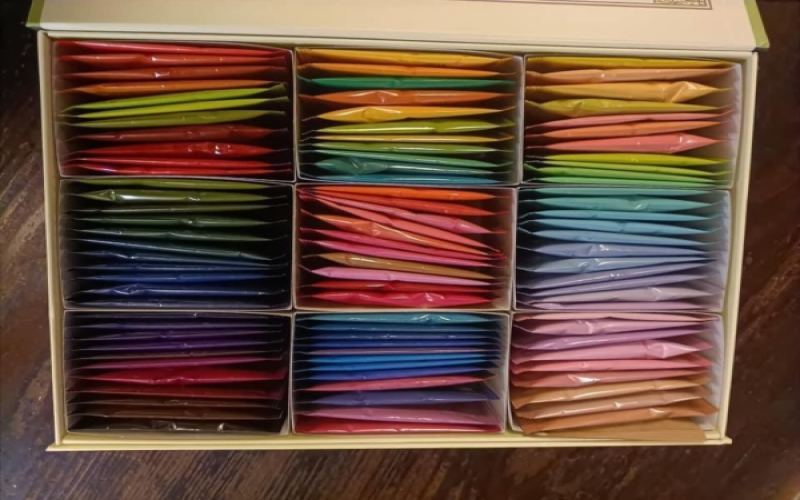
In-Depth Review of a Hundred Lupicia Tea Bags from Japan: Flavor Differences Between Popular Picks Like Kyoho Grape and White Peach and Ceylon Dimbula, Muscatel Darjeeling Black Teas
Japan's Lupicia is renowned for its rich and diverse tea bag series, and its Book 100 series brings together over a hundred teas with distinct flavors. Starting from the top 10 popularity ranking, this article reviews signature offerings one by one, including Kyoho, White Peach Oolong, and TOKIO Tokyo Wild Berry, while also taking an in-depth look at the flavor differences between Ceylon Dimbula and Darjeeling black tea. At the same time, it analyzes the real performance of specialty teas such as Nilgiri, deep-steamed sencha, and Cherry Black Tea. Whether you are a beginner just getting into Lupicia or a seasoned tea drinker looking for an everyday staple, this review can help you find the one that suits you best. Front Street Coffee will also combine tasting experience to share practical advice on selecting and brewing. [more…]
Kenyan K72 Washed Coffee Bean Flavor Analysis and Pour-Over Brewing Guide
Kenyan coffee, with its vivid fruit-toned character and richly layered flavor, has long been regarded as a representative of African specialty beans. Starting from the varietal characteristics of Kenya AA, this article outlines its typical flavors of citrus, blackberry, and grapefruit, compares the differences in cultivation with Brazilian coffee, and focuses on the K72 washed processing method and key points of pour-over extraction, helping enthusiasts better understand the unique charm of this bean. The article also compiles Front Street Coffee's roasting and brewing recommendations for Kenyan beans for everyday reference. [more…]
Exploring Costa Rica's Santa María de Tarrazú Region: Coffee Growing Environment and Flavor Characteristics of the Dota Cooperative
Costa Rica, as the first country in Central America to cultivate coffee, boasts a comprehensive industry system and a world-class quality reputation. This article focuses on Front Street Coffee's Costa Rican specialty coffee beans—the Dota Cooperative in the Santa Maria de Tarrazu region—analyzing its unique growing environment and flavor profile. From volcanic ash soil, mild temperatures, to abundant rainfall, how do these natural conditions shape the bright acidity of citrus, lime, grapefruit, and plum? How are the pomelo and green tea aromas in the mid-palate, as well as the roasted nut and caramel finish in the aftertaste, formed? At the same time, we will also learn about the distribution logic of Costa Rica's seven major coffee regions, and the cultivation story of the Dota Cooperative in the Tarrazu region. [more…]
2022 China Coffee Bean Price Guide and Buying Guide: What Beans to Use for Opening a Coffee Shop and How to Calculate the Cost per Jin
For friends who want to open a coffee shop or are currently running a café, one of the most pressing questions is: how much does coffee beans cost per catty, and where can you buy them with the best value for money? This article compiles the latest 2022 quotes and purchasing insights from China's coffee bean market, covering estate-level coffee beans from major producing regions such as Ethiopia, Indonesia, Jamaica, Panama, Colombia, and Yunnan, the price ranges from half a pound to one pound, and how different roast levels and processing methods affect flavor and cost. It also specifically retains product information and recommendations from Front Street Coffee, helping you make clearer judgments when selecting beans for your shop. [more…]
Kenyan Specialty Coffee Flavor Analysis: A Complete Overview of Nyeri Region Bean Characteristics and the Auction System
Kenyan coffee is renowned worldwide for its rich aroma and bright fruity acidity, often described as a "fruit tea" with notes of blackberry and grapefruit. Its unique flavor stems not only from high-altitude growing conditions but is also closely tied to a well-established grading and auction system. This article will provide a comprehensive interpretation of the allure of Kenyan specialty coffee, from flavor and mouthfeel, regional characteristics, historical production changes, to market systems. The washed Kenyan beans recommended by Front Street Coffee are the ideal choice for experiencing this classic flavor. [more…]
Front Street Coffee Bean Hunt: Exploring the Rare Pink Bourbon of Finca El Paraiso in Cauca, Colombia
In Cauca Province in southwestern Colombia, there is an estate called Paraiso, where a rather rare coffee variety is grown—Pink Bourbon. It is a cross between Red Bourbon and Yellow Bourbon. When the coffee cherries ripen, they take on a romantic pink color, but maintaining this color consistently is extremely difficult. Front Street Coffee has now gone deep into the Cauca producing region to bring this special report on a washed Pink Bourbon, breaking it down one by one, from the terroir of the producing region and the estate’s background to green bean characteristics, roasting curves, and cupping flavors. If you are interested in the diverse flavors of pour-over coffee, this bean—with notes of peach, plum, grapefruit, and a lingering tea-like floral aroma—may become your next choice to try. [more…]
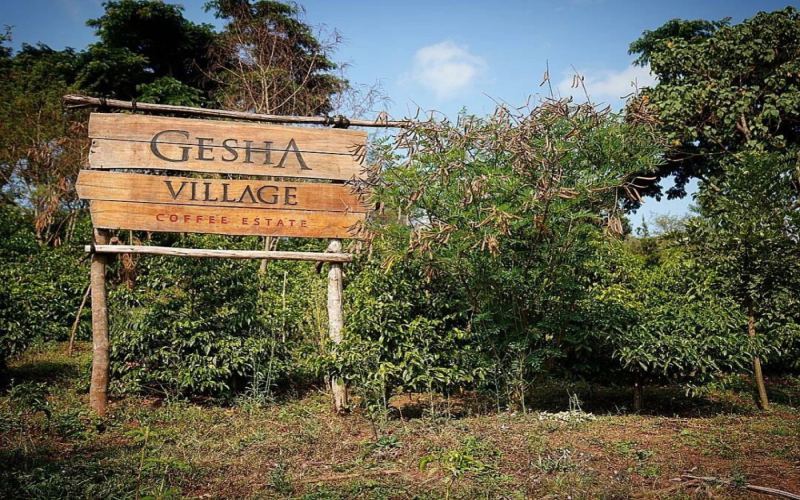
What are the differences between the various batches of coffee from Gesha Village in Ethiopia? A full breakdown of the Auction Lot, Gold, Red, Green, and Chaka
Ethiopia's Gesha Village Coffee Estate produces coffee with a style distinctly different from Panama Geisha, and has established a five-tier system: Auction, Gold, Red, Green, and Chaka. Front Street Coffee has long tracked and cupped these lots, and this article will go through the characteristics of each lot, from grading standards and flavor expression to natural processing and three-stage pour-over parameters. This year, the Gold Label shows a Panama-style profile of citrus, jasmine, honey, and tea notes; the Red Label is balanced with prominent nutty notes; the Green Label is full-bodied with berry acidity and vinous notes; and Chaka has a lower entry threshold with soft citrus and grapefruit acidity. It is suitable reading for coffee enthusiasts who want a systematic understanding of the Gesha Village product line. [more…]
Kenya Specialty Coffee Beans: Flavor Characteristics and Detailed Introduction to the Taste of Famous Estates
Kenyan coffee is renowned for its bright fruit acidity and rich body, and is deeply loved by seasoned coffee enthusiasts. Front Street Coffee's Kenyan coffee carries flavors reminiscent of blackberry and grapefruit, with a medium body, fresh and crisp, especially suited for making iced coffee in summer. Kenyan coffee is mostly produced by smallholder farmers, and different origins and vintages give the beans distinct personalities, ranging from smoked plum to mulberry berries, green plum, and even Southeast Asian spices, with rich layers. Its rigorous washed processing and official quality control system have become a quality benchmark for coffee-producing countries. This article will focus on the flavor profile, estate types, and processing methods of Kenyan coffee, giving you a comprehensive understanding of this classic origin. [more…]

Why Does Light Roast Coffee Often Have Citrus Notes? Eight Front Street Light Roast Beans Worth Trying
Citrus, floral notes, and fruity acidity are almost the signature labels of light to medium-light roasted coffee. Browse the descriptions of a whole array of coffee beans with floral and fruity profiles on the market, and eight or nine times out of ten the word "citrus" will appear—sometimes placed at the very front, sometimes tacked on at the end. Even when the literal characters "gan" or "ju" don't appear, it's mostly swapped for lemon, sweet orange, grapefruit, tangerine, or similar fruits of the same family. These beans are usually light or medium-light roasted. So where exactly does the citrus sensation come from? And which light-roasted beans with prominent floral and fruity aromas and a solid reputation are worth trying? This article starts with the aroma composition of citrus fruits, combines the fruit attributes of coffee itself with the influence of roast level, explains the source of this flavor association, and compiles eight light-roasted coffee beans recommended by the Front Street brand for enthusiasts to reference when shopping. [more…]
Costa Rica Dawn Estate Red Honey Catuai: Tarrazu Origin Flavor and Variety Analysis
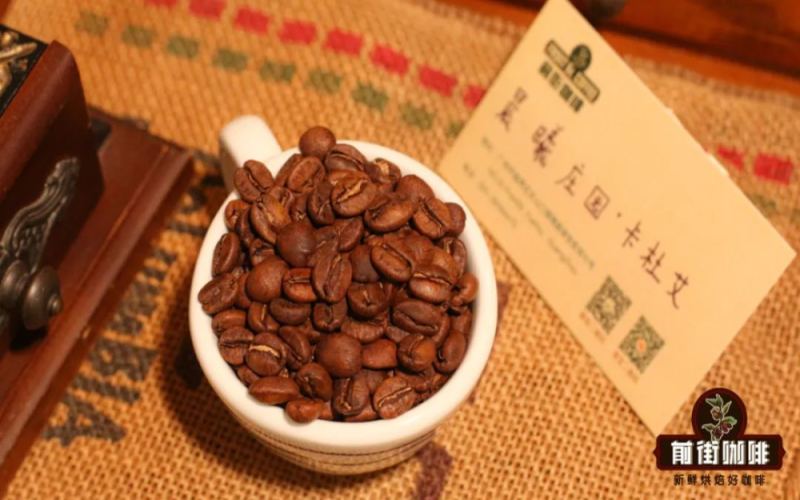
In coffee cupping, sweetness is often the key to a higher score, and Costa Rica, with its diverse honey processing methods, has become a representative origin for high-quality sweetness. In this article, Front Street will focus on a red honey processed Catuai from Dawn Estate in the Tarrazu region of Costa Rica, breaking down everything from the estate's story, the terroir of Tarrazu, and the characteristics of the Catuai variety to the details of red honey processing. The estate is located at an altitude of 1,750 meters, surrounded by pristine green belts, and practices ecological principles through meticulous plot management. Through cupping records, we will present the sweet orange, cream, grapefruit, honey, and black tea flavors this bean displays in dry aroma and slurping, and share its flavor performance under a medium-light roast. [more…]
A Detailed Guide to Single-Origin Coffee Classification: A Comprehensive Analysis of Flavor Characteristics Across Major Producing Regions from Africa to the Americas and Differences in Coffee Shop Flavors
Have you ever walked into a specialty coffee shop, faced the dazzling array of single-origin coffees on the menu, and felt at a loss where to begin? Single-origin coffee refers to coffee made from beans sourced from a single origin, and it can be traced back to a specific region or even estate. This article will systematically sort through the representative single-origin coffees from major producing regions such as Africa, Central and South America, and Asia, introduce Front Street Coffee's rigorous process from roasting curve testing to cupping selection, and present the flavor descriptions of coffee beans from each region one by one, helping you find the cup that best suits your taste. [more…]

A Complete Analysis of African Coffee Origins, Flavors, and Processing Methods: Bean Characteristics of Ethiopia, Kenya, and Other Countries
As the continent of coffee's origin, Africa produces beans renowned worldwide for their bold aromas and lively fruit acidity. Due to arid climates, the natural process has become a traditional choice in many producing regions; while the bean shape may not be perfect, it gives rise to richly layered flavors. From Ethiopia's Yirgacheffe to Kenya's SL28, from Burundi's double washing to Rwanda's Bourbon, each producing region has a unique terroir expression. This article systematically reviews the cultivation patterns, processing techniques, and flavor characteristics of Africa's major coffee-producing countries, and introduces several representative African single-origin coffees from Front Street Coffee, guiding you to a deeper understanding of this continent's coffee charm. [more…]
Kenyan Coffee Flavor Analysis: From K72 Washed Processing to Front Street Cherry Tomato Brewing Essentials
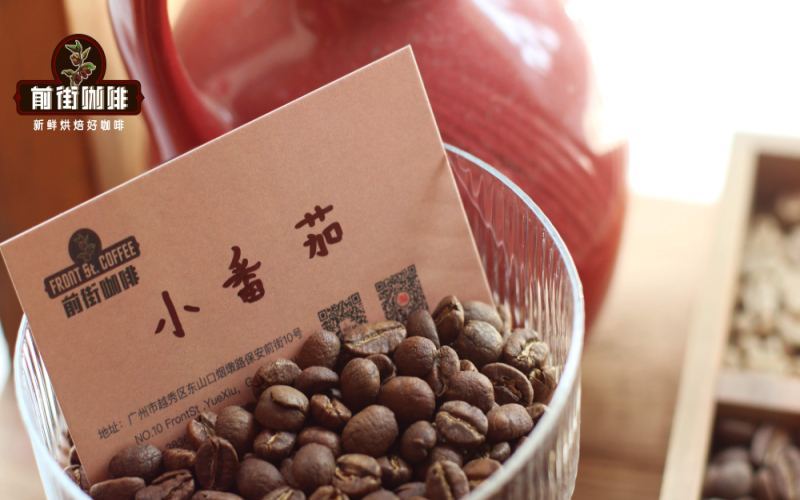
Kenyan coffee is renowned for its vibrant fruit acidity and full body, with flavor notes ranging from blackberry and grapefruit to smoked plum. This article systematically analyzes what makes Kenyan coffee unique, from production region classification and smallholder cooperative models to the K72-hour washed processing method, and introduces the "Little Tomato" coffee beans from the Asali processing station in the Thika region, now available at Front Street Coffee, including details on their origin, varieties, and flavor description. Finally, for brewing light-roasted Kenyan coffee, it shares advice on dripper selection, water temperature control, grind size assessment, and a three-pour schedule, helping coffee enthusiasts brew a clean, bright, perfectly balanced cup with balanced acidity and sweetness. [more…]
How to drink Costa Rican Red Honey coffee beans? Hand-brew parameters and flavor analysis of Hacienda El Mirador Catuai
Costa Rica is renowned for its honey-processed coffee, and Hacienda El Mirador in the Tarrazú region is a prime example. This Front Street Coffee Costa Rica Hacienda El Mirador Red Honey Catuai comes from the Tarrazú region at an altitude of 1,750 meters, employs the red honey process, and showcases rich flavors of sweet orange, cream, grapefruit, honey, and black tea. This article will guide you through Hacienda El Mirador's growing background, the characteristics of the Catuai variety, and the features of the red honey process, while sharing Front Street's cupping experience and pour-over parameter recommendations to help you better brew this exceptionally sweet coffee. [more…]
A Complete Guide to African Coffee Origins: Flavors and Signature Beans from Ethiopia, Kenya, and Beyond
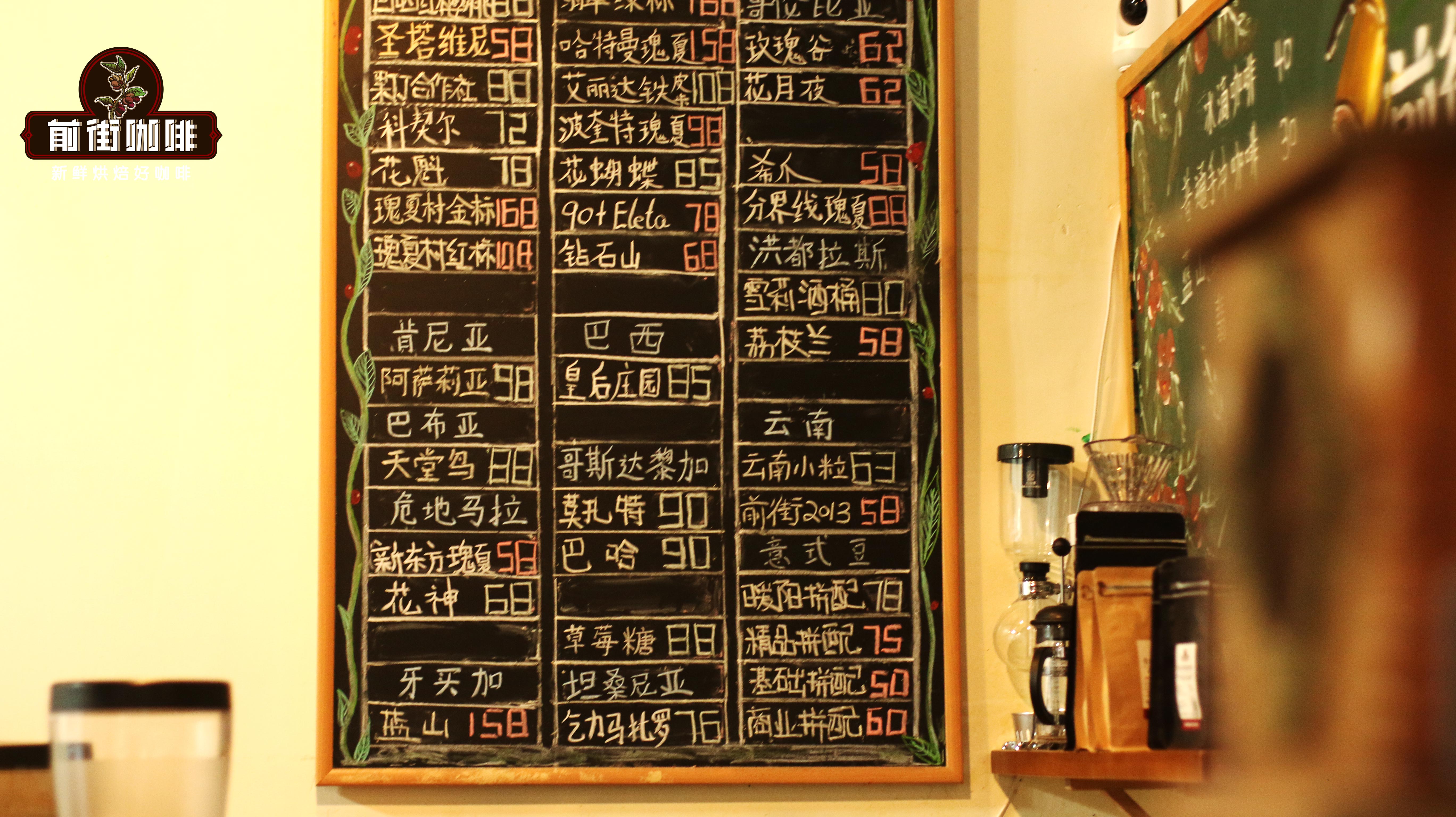
Africa, as the continent where coffee originated, has given rise to coffee-producing regions with distinctly striking styles, among which Ethiopia and Kenya stand out in particular. This article systematically reviews the regional characteristics, variety systems, and processing methods of Africa's major coffee-producing countries—Ethiopia, Burundi, Kenya, Rwanda, and Tanzania—and introduces one by one the representative beans from each country currently sold by Front Street Coffee, covering popular lots such as Yirgacheffe, Sidamo, Gesha Village, and Kenya Little Tomato. Whether you prefer bright fruity acidity or rich fermented aromas, you can find your ideal choice on this African coffee map. [more…]