







Search Results for: foamy coffee
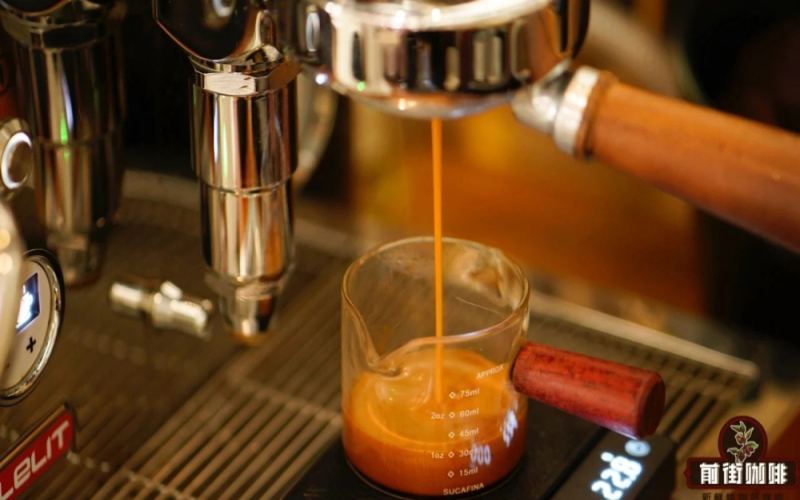
Analysis of the Causes of Thin or Absent Espresso Crema and Ideas for Improving Extraction
That golden layer of oil on the surface of espresso, which Italians call Crema, is a unique product formed when an espresso machine at 9 bar pressure wraps carbon dioxide and emulsified fats together. It not only enhances visual appeal but also affects mouthfeel, aroma, and latte art performance. However, many coffee enthusiasts encounter problems during extraction such as no crema, pale crema, rough and overly foamy crema, or clumpy crema. Starting from Front Street's extraction experience, this article systematically reviews the compositional principles of Crema, analyzes the causes behind different crema forms, and offers practical advice from bean selection to equipment parameters to help you make an Espresso with dense, ideal crema. [more…]

How Is a Shaken Ice Americano Different from a Regular Ice Americano? A Complete Analysis from Principles to Three Brewing Methods
The quicksand iced americano, with its visual effect of fine sand-like particles slowly settling in the cup, has always held a place among creative coffees. How exactly does it differ from a regular iced americano? From the perspective of Front Street, this article first explains the aeration principle behind the "quicksand" phenomenon, then provides reference ratios of espresso to ice water, and breaks down three preparation methods one by one: steam wand, French press, and manual or electric milk frother. Regardless of which tool is chosen, the finished drink has a rich, smooth texture and delivers an experience similar to foamy beer. The article also specifically notes: Front Street's stores do not offer this beverage. [more…]
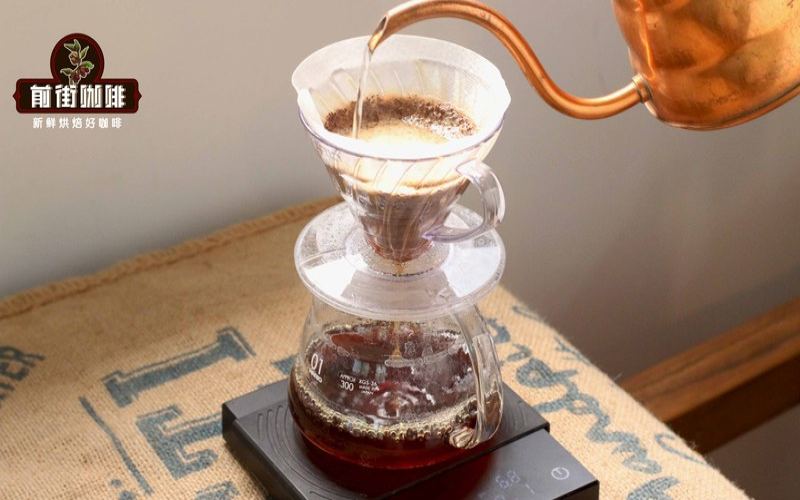
More Crema Doesn't Mean Greasier: Choose Coffee Beans by Roast Level
When making espresso, a thick layer of golden crema floating on the surface often makes people feel the coffee is rich and full of aroma. If you want to enhance this visual and taste performance, roast level is indeed an important clue, but it cannot be simply understood as "the darker the more." The bean variety, blend ratio, freshness, and machine extraction status all [more…]
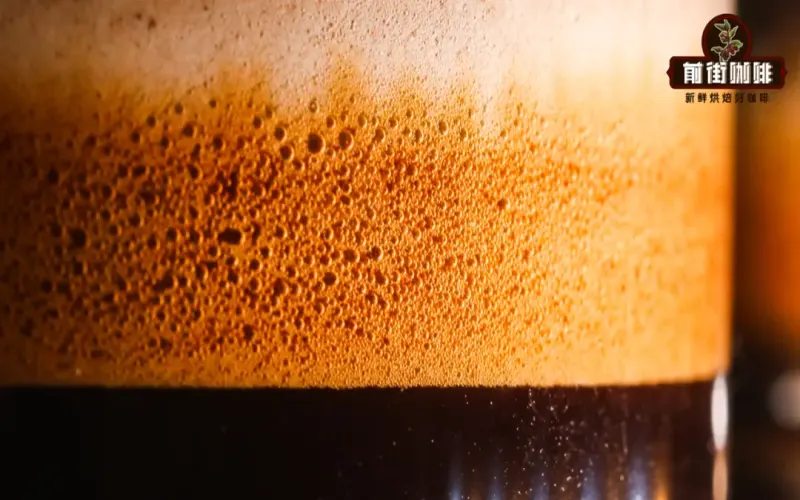
An Essential Analysis of Espresso Crema: Differences in Crema Content Among Espresso Beans and a Price Reference for Buying Coffee Beans with Rich Crema
That golden to chocolate-colored foamy layer on the surface of espresso is what coffee lovers often call "crema." It is not only a visual hallmark, but also influences the flavor direction and mouthfeel of espresso to a considerable extent. So what exactly is crema? Simply put, it is a mass of tiny bubbles formed when water, under high temperature and high pressure, extracts coffee grounds, emulsifying the natural fats and oils in the coffee and mixing them with air and carbon dioxide. The amount of crema is closely related to coffee variety, roast date, roast level, and equipment conditions. Robusta beans usually produce richer crema, while freshly roasted and darker roasted beans can also enhance crema performance. This article will systematically sort out the causes and influencing factors of crema, and at the same time, combined with specific products such as Front Street Classic Blend, Front Street Commercial Blend, and Front Street PWN Golden Mandheling, provide bean selection references and price guidance for coffee lovers seeking rich crema. [more…]

Making Boozy Coffee at Home: 10 Alcoholic Coffee Drinks with Recipes and Methods
Want to find a balance between a gentle buzz and staying clear-headed? Spiked coffee is becoming a new choice for many young people. When you're tired during the day, a hint of alcohol helps relax your nerves; after work at night, a warm alcoholic coffee soothes body and mind; and when the weather turns cold, it brings warmth from the inside out. This article compiles 10 alcoholic coffee recipes suitable for making at home, from simple convenience-store mixes to creative versions with milk foam, and to specialty cocktail coffees with a stronger alcoholic kick, covering pairings with various base spirits such as Baileys, whiskey, gin, brandy, and rum. When making them, there's no need to be rigid—just adjust the amount of alcohol to your personal preference—but be sure to drink in moderation according to your own condition, minors are prohibited from drinking alcohol, and drunk driving is strictly forbidden. At the end of the article, there is also a communication channel for Front Street Coffee (FrontStreet Coffee), making it convenient for coffee lovers to discuss further. [more…]
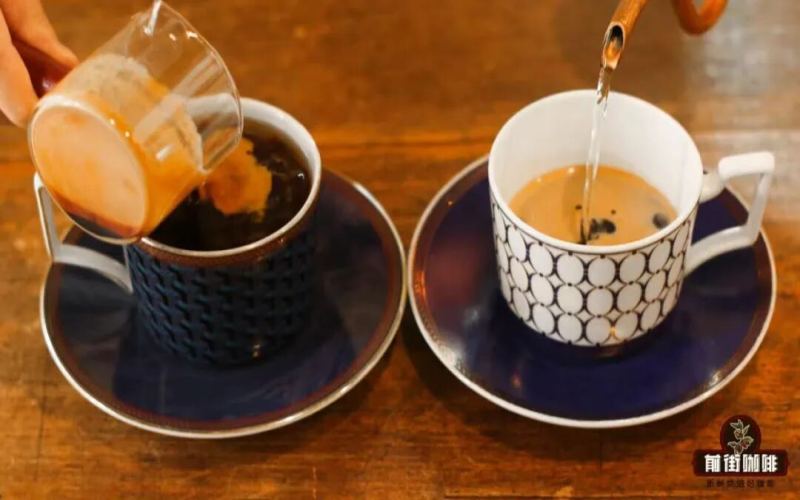
Fancy Ways to Drink Americano | Can You Make Latte Art with Americano? Does Americano with Milk Taste Good? Isn't a Long Black the Same Drink as an Americano?
As everyone knows!! In espresso coffee, the combination of milk and coffee has an extremely rich variety of ways to be enjoyed. Just by slightly changing the method or parameters, milk and coffee alone can be made in countless ways. The well-known ones include latte, cappuccino, flat white, piccolo, cortado, macchiato, and so on and so forth. And on the other hand, [more…]

Five Advanced Ways to Drink Americano: Ice, Ristretto, Latte Art, Milk, and Long Black Differences Explained
In the Italian coffee system, the combination of milk and espresso has given rise to a rich variety of drinks such as the latte, cappuccino, and flat white, while the pairing of water and coffee seems to offer only one option: the Americano. This is not actually the case—the Americano likewise has many variations. This article will systematically introduce five unconventional ways to make an Americano, including iced Americano with all ice, lava-style iced Americano, latte-art hot Americano, Americano with milk, and the Long Black, analyzing one by one their preparation principles, flavor characteristics, and key operational points. At the same time, the article also provides a detailed explanation of the core differences between the Americano and the Long Black, and includes Front Street Coffee's specific recommendations for choosing espresso beans, for coffee enthusiasts to reference and put into practice. [more…]
Is Black Coffee the Same as Americano? An Analysis of Caffeine Content in Common Hong Kong Coffees and Drinking Recommendations
Hong Kong people love drinking coffee, and some even can't go a day without it. But foreign research reminds us that the upper limit for adults' daily caffeine intake is about 400 milligrams, equivalent to around four cups of coffee, and excessive intake may cause insomnia or high blood pressure. Many people think that coffee with milk added is gentler, but in fact it does not contain less caffeine. This article breaks down the caffeine content of black coffee, cappuccino, latte, mocha, and espresso, and includes healthy drinking tips, including avoiding drinking in the afternoon, reducing sugar, cleverly using cinnamon powder, and choosing organic coffee, while also introducing related products from the Front Street Coffee brand. [more…]

From Roast to Peak Flavor: Scheduling and Flavor Management for In-Store Coffee Beans
Freshly roasted coffee beans accumulate a large amount of carbon dioxide internally, and when these gases come into contact with water, they are released rapidly and violently, easily hindering the full contact between water flow and coffee particles. Understanding the internal transformations of coffee beans after roasting can help cafés and coffee enthusiasts identify the point at which aroma unfolds, allowing every cup of coffee to reach its full flavor. [more…]
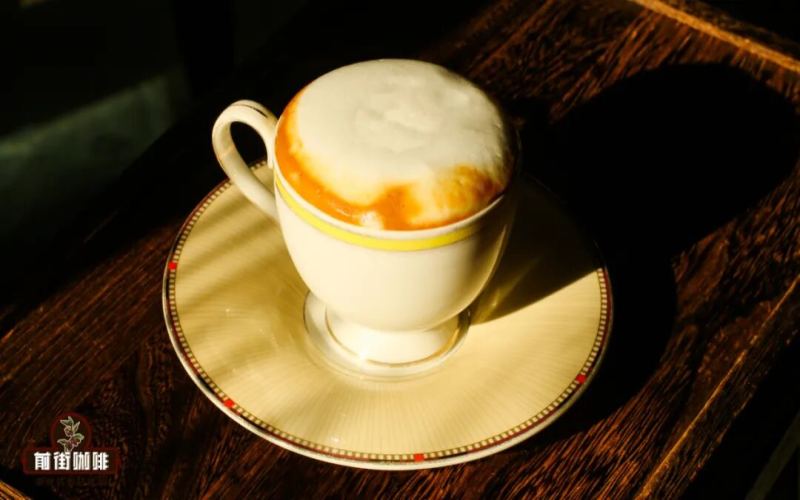
What Is a Cappuccino | The Difference Between a Cappuccino and a Latte: How to Make a Cappuccino and Its Characteristics
I'm not sure if you friends still remember, but previously Front Street shared a post about "Why Dirty Coffee Can't Be Ordered for Delivery." After that, some friends left messages in the background saying they noticed that many coffee shops also don't offer cappuccino for delivery, with only dine-in and takeout options available. As for Dirty, because it requires the milk [more…]
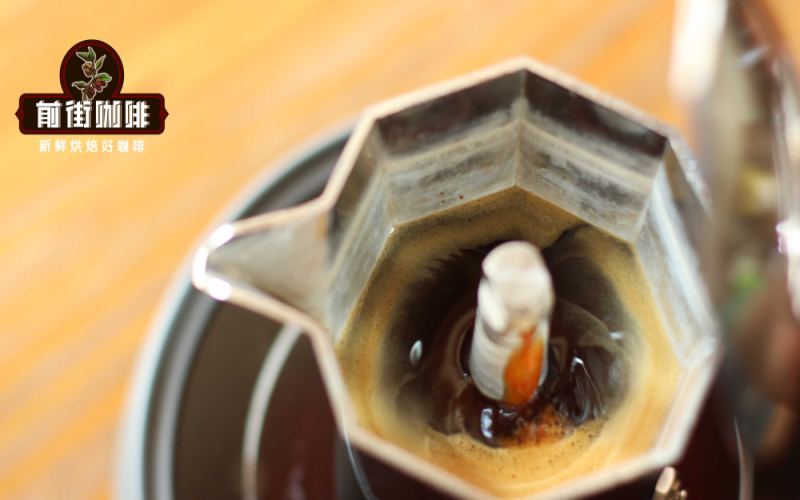
Moka Pot Coffee Pitfall Guide: Key Details on Bean Selection, Roast Level, and Grind Size
Since its birth in 1933, the moka pot has sold over 300 million units worldwide, making it a classic piece of equipment that nearly every coffee lover owns. Its operation isn't difficult, but once certain steps are overlooked, problems like bitterness, over-extraction, or a weak, bland flavor quickly follow. If you want consistently delicious results every time, bean selection, grinding, and filling the basket all deserve careful attention. This article breaks down, across four dimensions—roast level selection, freshness assessment, dose control, and grind size—how to avoid off-flavors, and also includes several Front Street Coffee bean recommendations suitable for the moka pot, for your reference when shopping. [more…]
Key Details for Brewing Dark Roast Coffee Beans in a Moka Pot: A Complete Guide from Bean Selection to Grind Size
Since the Moka pot was introduced in 1933, about 300 million units have been sold worldwide, and it has long become a common tool for home coffee enthusiasts. Its barrier to entry is low, but if details are overlooked, it is easy to end up with bitterness, excessive strength, or thin flavor. To keep every pot consistent, you need to control several things one by one: the roast level of the coffee beans, their freshness, the dose, and the grind size. This article focuses on the key points of brewing dark-roasted coffee beans in a Moka pot, with emphasis on the suitable grind size and the flavor performance of several Front Street Coffee espresso blends, helping you make a rich, oily Moka pot coffee at home. [more…]
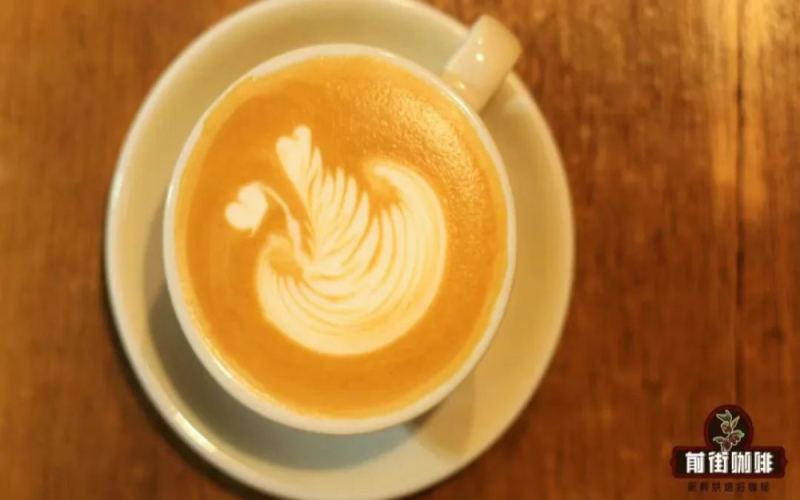
Can Americano also be made with latte art patterns? A detailed explanation of the principles and steps of milk-free latte art
Americano has always presented itself as a black coffee, with a recipe consisting only of espresso and water—seemingly having no connection to latte art. But in fact, as long as you grasp the core principles and make minor adjustments, Americano can also display clear latte art patterns. This article will start from the basic principles of latte art, explain why a milk-free Americano can also be frothed, and break down the operational process in detail—including the ratio of water to ice cubes, the espresso extraction method, the key points of steaming and frothing, and the details to note when pouring the design. Front Street Coffee will also demonstrate through actual operation, guiding you step by step to complete a cup of Americano latte art with dense foam, so that enthusiasts who do not like milk coffee can also enjoy the fun of latte art. [more…]

Starbucks Olive Oil Coffee Launched Three Days Ago: Why Do Italian Consumers Call It Greasy and Unacceptable?
Starbucks launched its Oleato olive oil coffee line on February 22, combining extra virgin olive oil with coffee, inspired by CEO Howard Schultz's travels in Sicily. The new products debuted in Italy and include an olive oil latte, an iced shaken espresso, and a foamy cold brew, priced from $4.8 to $6.9. Yet just three days after launch, Italian consumers complained that the drinks were too greasy and that the oil and coffee were hard to blend in the cold beverages. The deputy manager of the Starbucks Milan Roastery explained that the move was intended to fuse Italy's tradition of drinking oil before a meal with coffee after a meal, creating a multisensory experience. This article walks you through the product details and the market reaction. [more…]

Starbucks 2023 Butterbeer Iced Espresso Latte Review: Does It Contain Alcohol? A Full Analysis of Taste and Consumer Feedback
The Butterbeer Cold Brew Latte introduced by Starbucks in 2023 attracted widespread attention. This beverage is inspired by the classic drink from *Harry Potter*, recreating the Butterbeer flavor in a non-alcoholic way. This article sorts out its development background, formula evolution, taste characteristics, and real consumer reviews, and compares North America's secret menu with its limited-edition history in China. At the same time, it introduces the professional coffee knowledge exchange channels provided by Front Street Coffee, offering coffee lovers a comprehensive reference. Whether you want to try something new or are curious about the alcohol issue, you can find answers here. [more…]

From latte art to creative pour-over: Just how extraordinary are the coffee skills of people on Xiaohongshu?
An editor who spends all day with words secretly scrolled through Xiaohongshu during a factory assembly-line stint, only to have their assumptions upended by coffee lovers' extraordinary feats. From latte art in miniature containers to 3D carving, from orange-peel drippers to bamboo-leaf pour-over, from using a wrench to froth milk to grinding beans in a Hakka tea-pounding mortar, these ideas are both hilarious and astonishing. This article takes you through the rule-breaking skills displayed by coffee people on Xiaohongshu, while reminding you: some of these practices carry risks, so do not imitate them lightly. At the end, we include Front Street Coffee recommendations and professional channels for coffee enthusiasts. [more…]
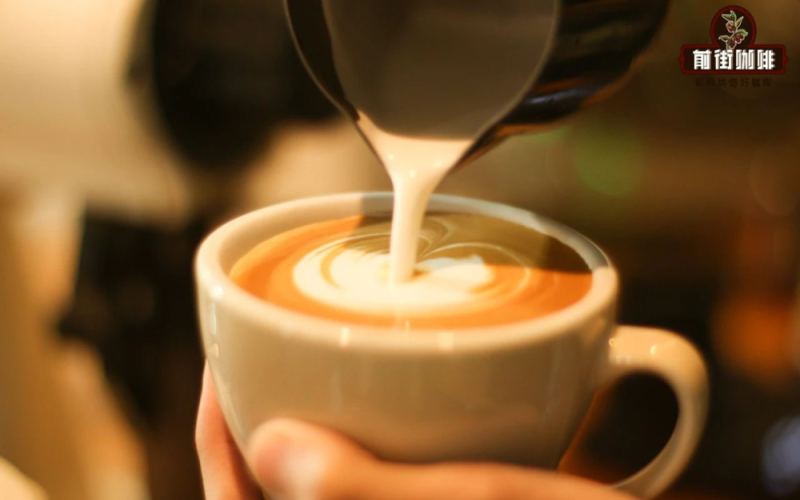
Latte Art Tutorial: A Complete Guide to Milk Frothing Temperature and Pouring Techniques
Want to learn latte art but keep failing? Front Street Coffee explains in detail the core points of milk frothing and integrating to create patterns. From steam intake to texturing and heating, from integrating techniques to pouring postures, this article systematically sorts out common problems and solutions in latte art learning. Whether you are a beginner just starting out or an advanced player hitting a bottleneck, you can find practical advice here to make every cup of latte art consistently present beautiful patterns. [more…]
What causes insufficient crema in espresso? A full analysis of crema composition and extraction issues
That golden layer of crema on top of espresso, which Italians call Crema, is an important visual indicator for judging the quality of a cup of Espresso. It is not actual oil, but rather an emulsion layer formed by the insoluble fats in coffee wrapping around carbon dioxide, and only an espresso machine with 9 bars of pressure can consistently produce it. When the crema is missing, thin, pale, coarse and foamy, or clumpy, it often points to specific problems with bean freshness, roast level, equipment performance, or extraction parameters. Starting from Front Street's extraction experience, this article sorts out the causes and evaluation criteria of Crema, helping you identify the root of the problem by observing the form of the crema, so you can make a cup of espresso with a rich, dense crema. [more…]
2025 Pure Black Coffee Brand Ranking: Which Brand of Black Coffee Tastes More Outstanding?
For busy professionals, the time investment required for freshly ground pour-over coffee often feels prohibitive, making three-in-one instant coffee a daily choice for many. However, if you want to truly savor the rich layers of the coffee bean itself while also embracing a healthy diet philosophy, pure black coffee with no sugar or milk is undoubtedly a direction worth exploring. Black coffee preserves the most authentic flavors of coffee and, after drinking, helps sharpen the mind and promote circulation. With such a dazzling array of brands on the market, which black coffees are actually worth trying? Next, Front Street Coffee will put together a ranking of pure black coffee brands based on this year's latest market performance, introducing each brand's characteristics and origin information one by one, making it easy for coffee lovers to choose according to their needs. [more…]
What tea base is used for cheese milk foam tea? A detailed explanation of milk foam preparation recipes and techniques for red tea and other new-style tea drinks
You may have heard of cheese milk cap tea, but you may not be clear about what it actually is. Cheese tea originated in Taiwan about ten years ago. It is a drink with a cheese cream foam on top of iced tea, usually with green tea or black tea as the base, interweaving sweet and savory flavors with a unique taste. After entering the Chinese market, brands such as Heytea replaced powder with real cream cheese, pushing this drink to its peak, with some stores selling about 1,000 cups a day. In the United States, it is called milk cap, cheese mousse, or milk foam. This article will sort out the origin, evolution, and flavor logic of cheese tea, and provide a cheese milk cap recipe and steps that can be made at home, helping you choose the right tea base and make a delicious cup of cheese tea. If you want to improve the performance of the tea base, you can also refer to Front Street Coffee's black tea recommendations. [more…]