







Search Results for: floral aroma types
Coffee Floral Aroma Tasting Guide: A Comprehensive Analysis from Aroma Sources to Three Common Floral Types
Many coffee enthusiasts feel puzzled when tasting coffee with floral notes—why can others detect jasmine and rose scents, while you can only perceive fruity flavors? In fact, capturing the floral notes in coffee is not a talent; it requires understanding the source of the aromas and mastering the correct tasting methods. The floral notes in coffee come from the combination of various compounds such as terpenes, alcohols, and aldehydes, which also exist in real flowers and trigger our memories and associations with fresh blooms through olfactory stimulation. This article, drawing on Front Street's tasting experience, systematically explains how to enhance perception by breaking down floral characteristics, and provides a detailed introduction to three common types of floral notes in coffee—light floral, subtle floral, and dense floral—along with corresponding Front Street bean list recommendations, to help you more easily detect the floral notes in coffee. [more…]
Exploring Coffee Floral Aromas: Three Major Aroma Types and Flavor Analysis of Representative Coffee Beans
The aromatic world of specialty coffee is intricate and diverse, and floral notes are one of its most captivating elements. But with such a wide variety of floral aromas, how can we tell whether a cup of coffee has floral notes, and which type they belong to? Starting from the coffee flavor wheel, this article groups floral notes into three main categories: the fresh type represented by jasmine, the subtle type represented by rose, and the muted type represented by chamomile, and analyzes the characteristics and representative floral varieties of each. At the same time, drawing on three coffee beans—Front Street Yirgacheffe Guddina, Front Street Natural Hualkui, and Front Street Costa Rica Mozart—it explains the flavor expression of coffees with different floral types, helping coffee lovers capture and identify floral notes more accurately during tasting. [more…]
Why Is Coffee Floral Aroma So Hard to Detect? Explaining the Causes of Floral Aroma, Three Major Aroma Types, and Sensory Identification Training Methods
Many coffee enthusiasts, when brewing beans with prominent floral and fruity notes, can capture the floral aroma right from the grinding stage, but some people are never able to perceive this flavor. Where exactly does the floral aroma in coffee come from? Why are some people sensitive and others dull to it? Starting from Front Street's brewing experience, this article sorts out the compound sources of floral aroma and the influence of roasting, introduces the three major floral aroma categories in the coffee flavor wheel—delicate/fresh, subtle/elegant, and muted/heavy—along with their representative flowers, and shares a practical method for practicing floral aroma recognition with the help of sinus perception, to help you more accurately capture that fleeting fragrance in coffee. [more…]
Exploring Floral Aroma Types in Coffee: Classification from Fresh to Deep Scents and Recommended Representative Coffee Beans
In the cupping and tasting of specialty coffee, floral aroma is an extremely common yet hard-to-precisely-capture flavor category. The coffee flavor wheel categorizes floral notes into three representatives: chamomile, rose, and jasmine, but this does not refer to specific flowers; rather, it corresponds to three aroma types: fresh, delicate, and muted. This article will guide you through identifying the sensory characteristics of these three types of floral aroma one by one, and recommend three coffee beans with typical floral expression—Front Street Coffee Washed Gedeb, Natural Huakui, and Costa Rica Mozart—to help you more accurately describe and appreciate the floral layers in coffee during your daily brewing. [more…]
Where Does the Floral Aroma in Coffee Beans Come From? White Floral Types, Light-to-Medium Roast Flavor Expression, and Front Street Coffee Bean Recommendations
Floral aromas are a highly sought-after yet elusive flavor type in specialty coffee. Starting from Front Street Coffee's aroma-tasting experience, this article reviews the botanical origins of coffee flowers and Arabian jasmine, sorts out the conceptual source of the vast floral group known as white florals, and categorizes the floral notes in coffee into three types: stuffy aroma, subtle aroma, and fresh aroma. Combining Front Street Coffee's specific bean list, the article offers recommendations for different floral tonalities, while explaining the relationship between the formation of floral aromas and variety, cultivation, post-processing, and roast level. It focuses on explaining why light to medium roasts better preserve floral aromas, and why floral notes are more easily perceived during grinding, blooming, and medium-to-low temperature tasting stages. [more…]
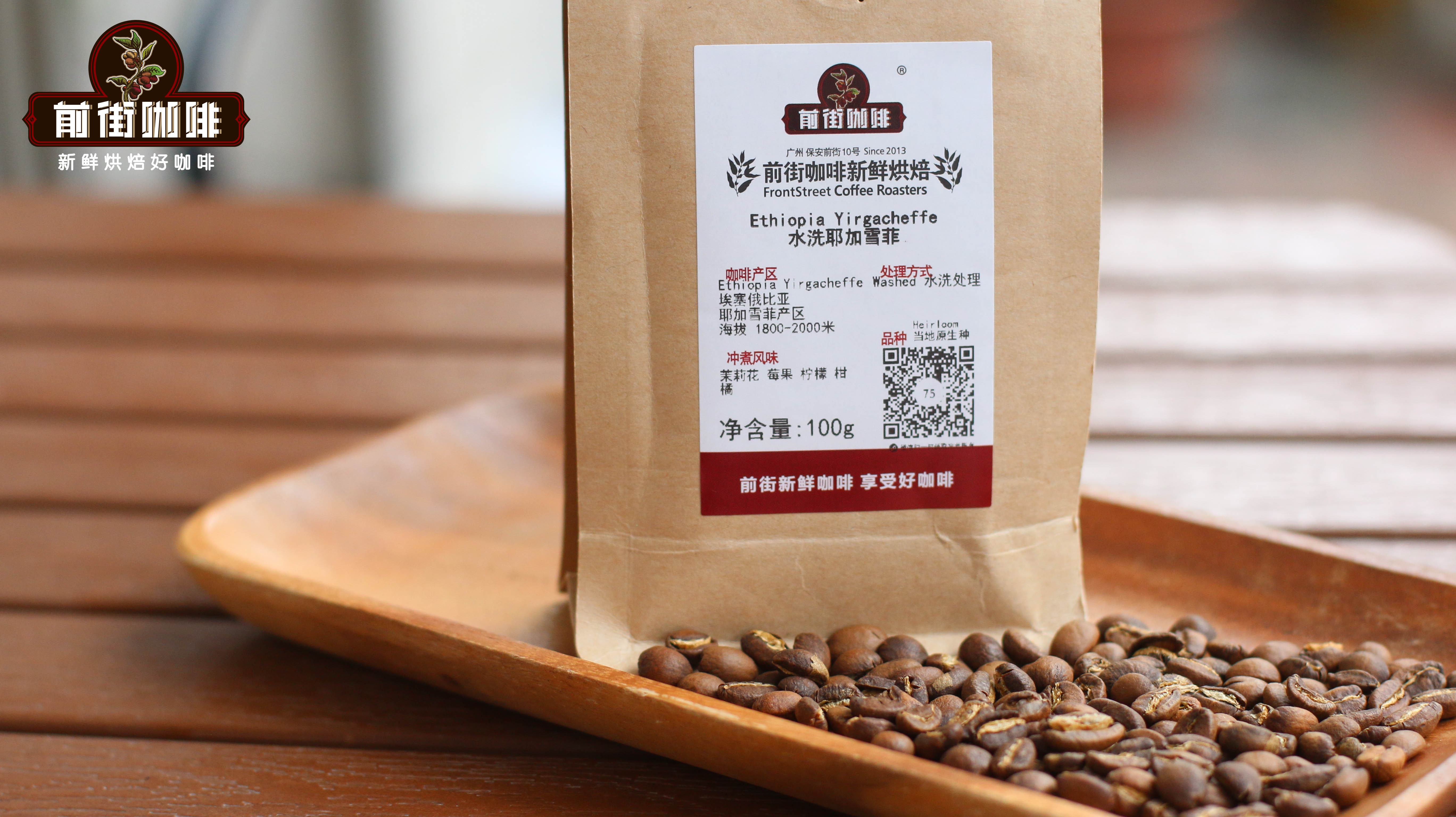
Where Does the Jasmine Aroma of Yirgacheffe Come From? A Detailed Guide to Floral and Fruity Coffee Bean Types and Brewing Tips
Yirgacheffe's signature jasmine aroma and citric acidity are the entry point into specialty coffee for many coffee lovers. But what compounds actually make up the floral notes in coffee? Why can some people easily identify fruity notes but always feel they can't quite catch the floral ones? This article will sort through the origins of floral notes in coffee, the expressive characteristics of different types of floral aromas, and the influence of producing regions and processing methods on floral notes. It will also recommend several floral-forward beans from Front Street Coffee and include specific pour-over parameters for a washed Yirgacheffe, helping you more accurately distinguish between white floral notes, the subtle fragrance of roses, and the muted aroma of chamomile during brewing and tasting. [more…]

Where does the floral aroma in coffee come from? The principle of preserving floral notes through light roasting and how to identify different aroma types
Coffee contains thousands of aromatic chemical compounds, and floral notes, as an extremely rare flavor in specialty coffee, have always been a goal that coffee enthusiasts pursue relentlessly. The formation of floral notes involves multiple stages such as variety, cultivation, and post-processing, but the degree of roasting is particularly crucial to the intensity of floral notes. As the roast deepens, floral aromatic compounds are gradually worn away, so light to medium roasts better preserve this delicate aroma. The freshness of coffee beans is equally important—proper storage and timely consumption allow the floral notes to present themselves more fully. This article will systematically sort out the sources of floral notes, the relationship between roasting and floral notes, and how to distinguish floral notes of different tonalities, and recommend several Front Street Coffee beans with typical floral characteristics, helping you better capture this captivating flavor in brewing and tasting. [more…]
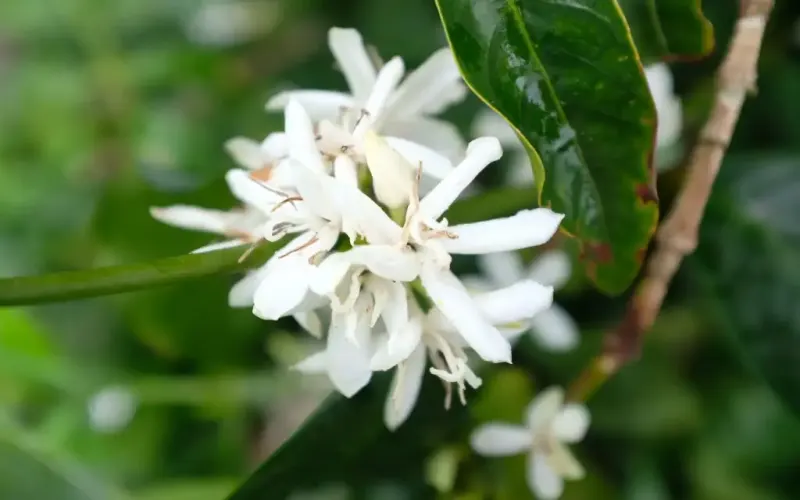
Pour-Over Coffee Floral Extraction Guide: Causes of White Floral Flavors and Brewing Techniques for Geisha Beans
Many coffee enthusiasts buy coffee beans with floral descriptions, yet when they brew and taste them, they often can't find the expected floral aroma. This is not an illusion—it's because floral aromas are low-polarity flavor molecules that are both difficult to extract and easily masked by other flavors. Starting with the sources and types of coffee floral aromas, this article explains why roast level affects how well floral notes are retained, and, drawing on relevant conclusions from SCA research, introduces how to make white floral notes emerge more clearly by adjusting brewing parameters such as the coffee-to-water ratio and pouring technique. The article also uses the Ethiopian Gold Label Geisha recommended by Front Street Coffee for a brewing experiment, sharing a specific three-pour routine and the tasting results. [more…]
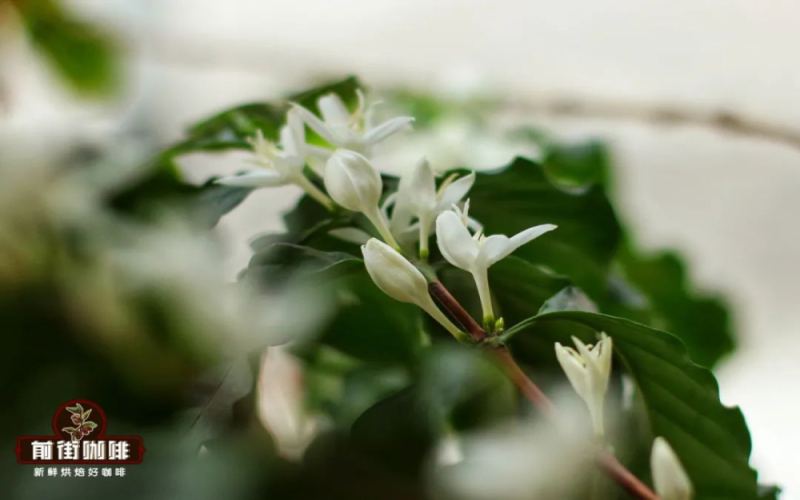
The Formation Principles and Flavor Classification of Coffee Floral and Fruity Notes, An Analysis of Coffee Flower Characteristics, and A Roundup of Floral Coffee Bean Recommendations
Where do the floral and fruity notes in coffee actually come from? What kind of aroma do coffee tree blossoms naturally carry? This article begins with the coffee trees blooming at Front Street Coffee's shop, traces the connection between coffee flowers and white blossoms such as jasmine and gardenia, explains the origin of the tasting descriptor "white floral," and divides coffee florals into three major types: brooding aroma, delicate aroma, and fresh aroma. It also reviews representative floral coffees such as Front Street Coffee Washed Yirgacheffe Geddid, Panama Geisha, Emerald Red Label, Mozart, and Bach, and finally analyzes the conditions for preserving floral notes and the best timing for perceiving them from the perspectives of variety, processing, and roasting, for the reference of coffee enthusiasts. [more…]
What flavor does jasmine-scented Phoenix Dancong have? A complete guide to Phoenix Dancong aroma types, tasting, and storage
Phoenix Dancong has always been famed for its rich aromas, among which the jasmine-scented type is especially unforgettable after just one sip. Starting from the actual flavor of light-aroma Phoenix Dancong, this article guides you through why it can present a pure fragrance almost like a natural bouquet, and what main types Phoenix Dancong can be divided into according to aroma profile. The article also explains in detail the flavor differences between spring tea and snowflake tea, suggested brewing parameters, its effects on health, and key points for everyday storage. Whether you are a beginner just getting to know Dancong or a tea lover wanting to learn more about floral-style oolong, you will find practical reference information here. Front Street Coffee will also draw on years of tea-selection experience to sort out these key points for you. [more…]
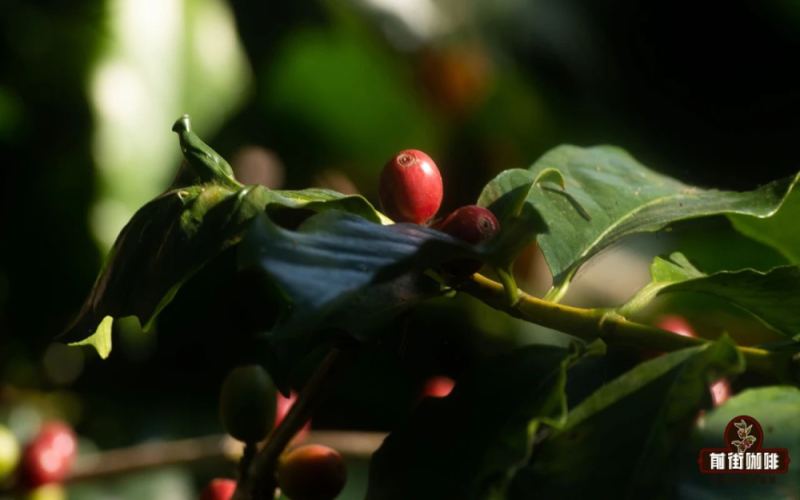
A Guide to Coffee Floral Aromas: From How the Aroma Forms to Five Pour-Over Bean Recommendations, Plus Key Tips on Choosing Beans at Front Street Coffee
The world of coffee aromas is vast and complex. Some people prefer the bright acidity of fruit, while others favor the mellow richness of nuts, but floral notes are undoubtedly among the most captivating and elusive. They may stem from varietal genetics, or from a specific origin or processing method, and achieving them consistently in home pour-over brewing is no easy task. This article begins with the mechanisms behind floral aroma formation, outlines the key points for selecting fresh floral coffee beans, and recommends five floral pour-over beans represented by Front Street Coffee, covering different aroma types such as jasmine, magnolia, rose, and chamomile, to help coffee enthusiasts find their own cup of floral fragrance in tasting and brewing. [more…]
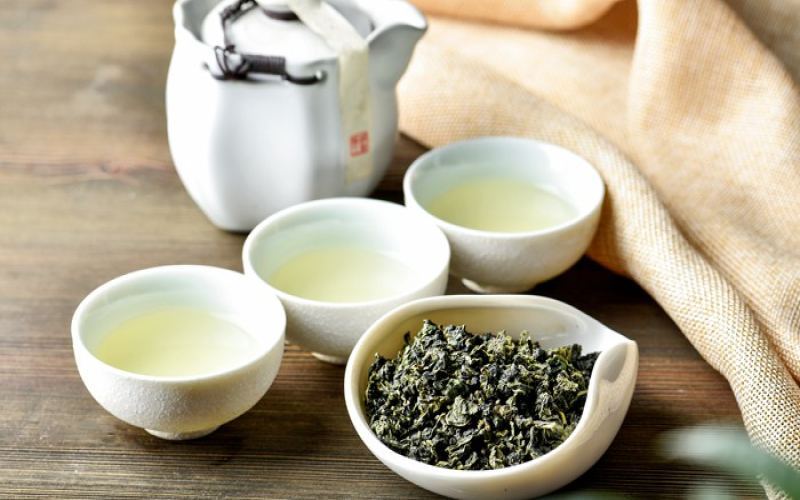
How Many Types of Tieguanyin Are There Exactly? A Comprehensive Interpretation from Origin Legends to Cultivation Techniques and Aroma Characteristics
Tieguanyin is one of the most iconic types of Chinese oolong tea, with a tightly rolled appearance, a bright floral aroma, and a long, sweet aftertaste. It is made from a special cultivar of the tea plant, whose leaves resemble peach leaves, with slightly slanted tips and a pinkish hue at the center. Regarding the origin of Tieguanyin, two very different legends circulate among the people: one is associated with a poor farmer named Wei, and the other with a scholar named Wang who presented the tea to the Qianlong Emperor. This article will outline the cultivation and production process of Tieguanyin, explain the flavor differences between the two major types, Anxi and Muzha, and analyze the impact of roasting level and plucking season on tea quality. It will also introduce the flavor orientation of related Front Street Coffee products, helping coffee and tea enthusiasts build a clearer understanding. [more…]

The Complete Guide to Making Cold Brew Coffee: Bean-to-Water Ratio, Grind Size, and Blend Selection
To make a cup of full-bodied, well-balanced cold brew at home, bean selection and parameters are equally key. Starting from the extraction principles of cold brew, this article explains specific brewing parameters in detail, such as a 1:12 coffee-to-water ratio and an 85% pass rate through a No. 20 sieve, and recommends coffee beans suitable for cold brew by flavor type: from washed beans from African regions such as Kenya and Ethiopia, to sun-dried beans with soft fruit tones, to concrete-flavored blends such as Strawberry Candy and Butterfly, as well as chocolate-toned options from medium-dark and dark roasts. Finally, it shares a little trick—adding dried osmanthus or jasmine flowers to give the cold brew an extra layer of delicate floral aroma. Whether you prefer bright fruity acidity or rich cocoa, you can find the cup that suits you. [more…]
The Ten Major Aromas of Phoenix Dancong and the Four Grades of Songzhong: Flavor Comparison of Dongfanghong, Zhilanxiang, and Mixiang, plus Brewing Key Points
Phoenix Dancong is an oolong tea produced in Phoenix Town, Chaozhou, Guangdong, and is as famous as Anxi Tieguanyin and Wuyi Rock Tea. Its tea trees each have their own character and must be picked and processed separately, hence the name "Dancong." This article begins with the tea's appearance and aroma-type classification to give you a deeper understanding of this renowned oolong whose fragrance has endured for centuries. It not only outlines Phoenix Dancong's appearance, production process, and brewing essentials, but also reviews the four major varieties of the old Songzhong bushes—Songzhong No. 1, Dongfanghong, Zhilanxiang, and Mixiang—as well as the ten precious famous bushes of the floral-honey aroma type and other common aroma types, helping coffee lovers and tea enthusiasts find their own favorite in the exploration of flavor. [more…]
Where Does Yirgacheffe's Jasmine Aroma Come From? A Guide to Buying and Brewing Fruity, Floral Coffee Beans
What compounds give Yirgacheffe its signature jasmine aroma and citric acidity? Why is coffee's floral scent so hard to identify? This article starts with volatile compounds, varieties, origins, and processing methods, then sorts out recommendations for three types of floral and fruity coffee beans—white floral, delicate aroma, and muted aroma—and includes the V60 brewing parameters for Front Street washed Yirgacheffe, helping coffee lovers more accurately capture floral layers when buying and tasting. [more…]
Which category of tea does Phoenix Dancong actually belong to? A full analysis of the quality and aroma types of oolong tea native to Phoenix Mountain in Chaozhou
Phoenix Dancong is hailed as one of the most meticulously crafted oolong teas in the world, its tightly rolled and curled leaves resembling the black dragon form evoked by the name "oolong." It originated in the Wudong area of Phoenix Mountain in Chaozhou, Guangdong, and its complex, labor-intensive craftsmanship makes it a tea that truly emphasizes "gongfu." Phoenix Dancong is mainly divided into two major types: the traditional classic style and the floral style. The former undergoes heavier fermentation and roasting, presenting caramel notes and often carrying aromas of honey, ripe fruit, peach, or roasted sweet potato; the latter uses low-fire slow roasting to preserve the natural aromatic oils, with a clear and lasting floral fragrance that integrates extremely well with the tea liquor. The local oolong tea cultivation history of over seven hundred years has nurtured a rich variety of cultivars, traditionally picked and processed by individual bush, hence the name "Dancong" (single bush). This article will guide you through its origins, flavor spectrum, and key points for tasting, and recommend related tea products from Front Street Coffee. [more…]
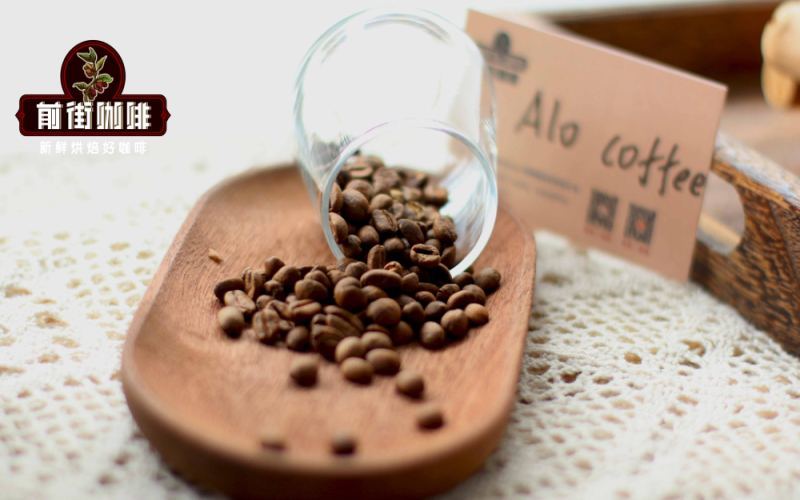
Where Does Coffee Aroma Come From? From Variety to Roast: Analyzing the Formation and Identification of Floral and Fruity Notes in Light-Roasted Beans
Coffee contains thousands of compounds capable of stimulating our senses of smell and taste; they drift into the air for us to inhale, or dissolve in water to touch our taste buds. From a scientific perspective, brewing coffee is essentially an extraction process, and four key elements—raw material, contact area, temperature, and time—jointly determine the final flavor profile. In the raw material stage, the coffee bean's variety, roast level, freshness, and brewing method are all crucial, with variety being the primary factor. This article will focus on floral aroma, a precious flavor in specialty coffee, exploring how it is comprehensively influenced by variety, cultivation, processing method, and roast level, and introducing specific ways to identify different aroma types, while recommending several representative beans from Front Street Coffee. [more…]
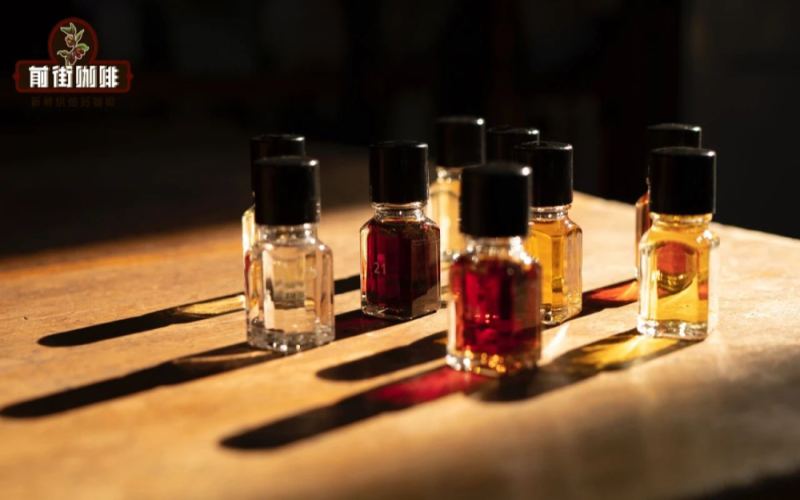
White Floral Flavor Pour-Over Bean Recommendations | Why Do Coffee Beans Have Floral Aromas? Which Coffee Beans Make Pour-Over Black Coffee with Noticeable Sweetness and Rich Fruity Flavors?
For more specialty coffee knowledge, please follow: Front Street Coffee (Frontsteet Coffee). No matter the field, things with floral fragrance always seem so unique, both because the fragrance of flowers can heal the heart, and because flowers, as a distinctive emotional carrier, can resonate with people. That is, [more…]
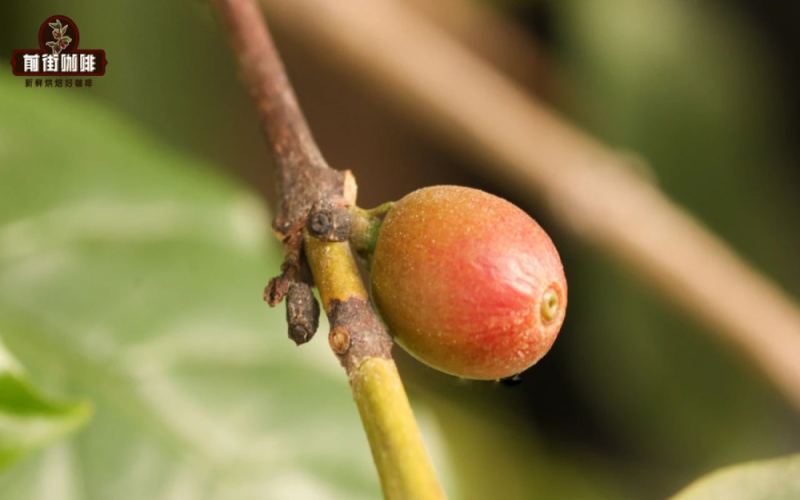
Is Coffee Cherry a Fruit? Where Do Floral and Fruity Notes Come From? Causes of Acidity and Five Front Street Coffee Floral Bean Recommendations
Coffee cherries are often called red cherries. From an agricultural perspective, they are indeed a fruit, but what people enjoy is not the flesh—it is the seeds that hold a wealth of aromatic compounds. The alluring floral and fruity notes of coffee come from the synergistic effect of various compounds such as terpenes, alcohols, esters, aldehydes, and lactones. Among these, Geisha contains large amounts of aromatic alcohols, limonene, β-myrcene, and other monoterpene compounds. Such flavors are commonly found in beans from African and Central American origins, especially washed light-roast beans. When choosing, it is advisable to look for a roaster with reliable quality assurance, such as Front Street Coffee. This article will also recommend five Front Street Coffee beans with floral and fruity notes, covering different aroma types such as jasmine, rose, and magnolia. [more…]
What types of coffee have floral aromas: balancing budget and drinking frequency
When it comes to coffee beans with floral aromas, first consider how you plan to drink them every day. For everyday bean purchases, you need to think about how quickly you'll finish them, how much to buy at a time, and whether you mainly make black coffee or milk coffee at home. If you mainly drink black coffee, you can pay more attention to aroma and aftertaste; if you often add milk, then consider whether the intensity and body can hold up. [more…]