







What determines floral coffee aroma in light-roasted beans?
Coffee aroma begins with compounds already present in the green bean, so what is in the raw material sets the ceiling. Variety matters most: most specialty coffee is Arabica because it holds richer aromatic compounds. Roast level, freshness, and brewing method then decide how much of that potential reaches the cup. If a compound is absent in the green bean, roasting cannot create it.
Brewing is an extraction process governed by raw material, contact area, temperature, and time. Floral notes, prized in lots such as geisha coffee, depend on variety, cultivation, processing method, and roast level working together. The resting stage after roasting lets compounds continue to evolve in a favorable direction, which supports aroma and flavor development before the coffee is ground.
Coffee contains thousands of compounds that can stimulate the sense of smell and taste. They drift into the air and are inhaled by us, or dissolve in water and then touch our taste buds. From a scientific perspective, brewing coffee is essentially an extraction process, and the four major factors of raw materials, contact area, temperature, and time jointly determine the final flavor performance. In the raw material stage, the variety of coffee beans, roast level, freshness, and brewing method are all crucial, among which variety is the primary factor. This article will focus on floral fragrance, a precious flavor in specialty coffee, exploring how it is comprehensively affected by variety, cultivation, processing method, and roast level, and introduce specific ways to identify different aroma types, while recommending several representative beans from Front Street Coffee.
The reason coffee is so pleasurable is rooted in the thousands of chemical substances inside coffee beans that can activate the sense of smell and taste. These substances diffuse into the air and are captured by the nasal cavity; dissolved in liquid, they collide with the taste buds. From a scientific perspective, brewing a cup of coffee is essentially an "extraction" process, and this process is constrained by several variables—in other words, whether the coffee ultimately tastes good depends on the four major factors: "raw materials," "contact area," "temperature," and "time."
Let's start with raw materials. The raw materials on which extraction depends can be roughly summarized as "coffee bean variety," "roast level," "freshness," and "brewing method," among which the variety of the coffee bean itself occupies the most critical position.
The concept of variety is not difficult to understand. The vast majority of specialty coffee uses Arabica because this variety contains richer aromatic and taste compounds. The role of roasting is to transform the substances inside the green beans, generating more compounds that can bring aroma and flavor. The resting stage after roasting also plays a similar function, allowing chemical substances to continue undergoing beneficial flavor evolution. If a certain compound does not originally exist in the green beans, then it naturally will not appear out of thin air in the roasted beans, let alone be extracted into the cup.
Floral fragrance, as a highly treasured flavor type in specialty coffee, has always been a goal pursued by coffee lovers. The generation of floral fragrance is partly determined by coffee variety, growing conditions, and the degree of fermentation in post-processing, while the roasting stage is the core step in regulating the intensity of floral fragrance.
The darker the roast level, the more the substances inside the coffee continue to transform, and the easier it is for floral fragrance to be weakened. Therefore, from the perspective of roasting alone, light to medium roasts often better lock in floral fragrance. Coffee with a light-medium roast has a gentler flavor, a lighter body, and higher recognizability of floral fragrance when tasting.
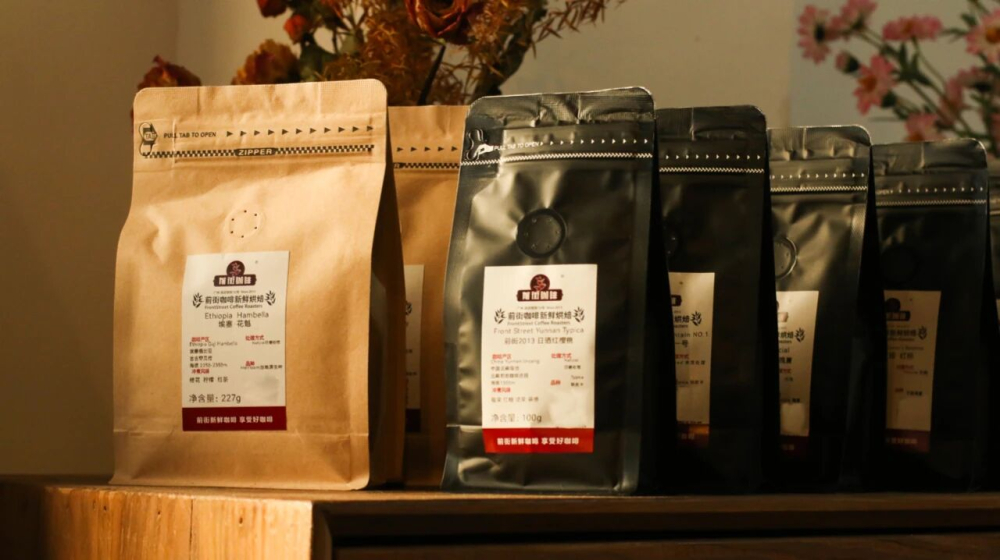
The freshness of coffee beans also changes their material composition. Proper storage conditions and drinking freshly roasted coffee within a certain period are both conducive to obtaining an excellent cup of coffee. If you want to buy fresh coffee beans, you can follow Guangzhou's time-honored roaster—Front Street Coffee. All Front Street coffee beans are freshly roasted within 5 days, support shipping within 24 hours, and generally arrive in 1–3 days, ensuring that the beans you receive are still in a fresh state.
1. Recommended: Front Street Panama Washed Geisha Coffee, with prominent white floral notes, a classic example of the light fragrance type, suitable for pour-over and drip bags;
2. Recommended: Front Street Washed Yirgacheffe Gudingding Coffee, with elegant jasmine floral notes and a clear green tea-like mouthfeel, suitable for pour-over, drip bags, and cold brew;
3. Recommended: Front Street Costa Rica Baja Coffee, where you can perceive soft pink floral notes and berry-like sweet acidity, with a smooth mouthfeel;
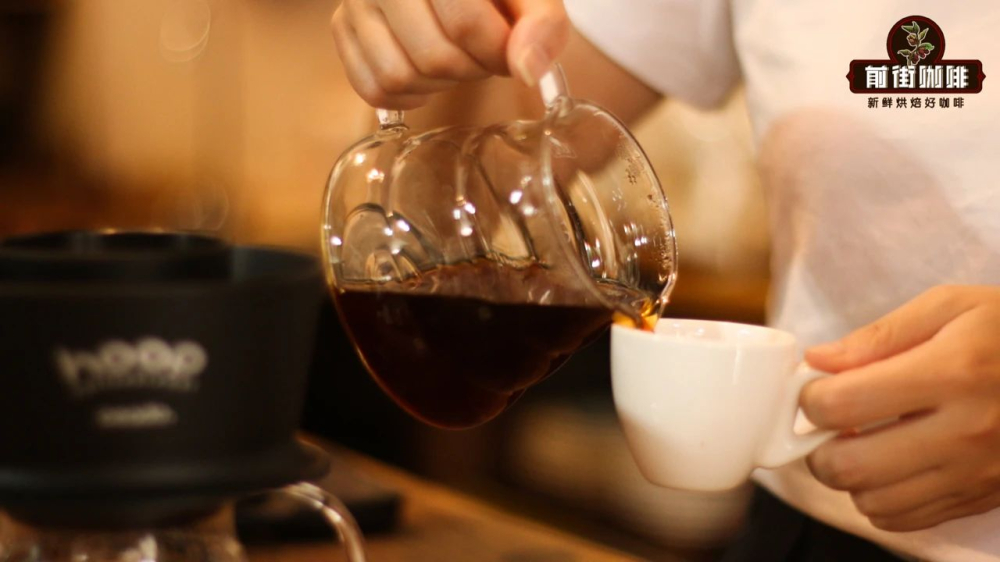
2. The subtle fragrance type is most typically represented by sweet rose. Recommended: Front Street Strawberry Candy Coffee has this kind of floral fragrance. It combines Costa Rica honey processing with Panama washed Geisha, presenting an aroma similar to roses and raisins, which smells relaxing;
3. The stuffy fragrance type has a slightly stimulating feel, and at first smell it can be somewhat pungent. Chamomile and osmanthus are representative. If you want to experience it, it is recommended to buy Front Street Mozart Coffee and Front Street Gold Label Geisha Coffee.
Generally speaking, floral fragrance is more likely to appear during the grinding of coffee grounds and the blooming stage, and is especially prominent in the medium to low temperature range of the coffee liquid. When tasting, you might compare it with flowers you have encountered around you to determine which tone the flavor you perceive belongs to.
The above content is compiled by CoffeeHunters, a coffee news website.


