








Why does jasmine aroma appear in Geisha and Yirgacheffe coffee?
The jasmine aroma and citric acidity of Yirgacheffe are where many drinkers first meet specialty coffee. Floral notes in coffee come from volatile compounds, organic acids and polyphenolic substances in the green bean, and they shift with variety, origin, processing method, roast level and brewing technique. No single compound is responsible for them.
Terpenes, alcohols, esters, aldehydes and lactones work together to build floral character. Geisha, for example, carries large amounts of monoterpene compounds such as aromatic alcohols, limonene and beta-myrcene. These form gradually during growth, processing and roasting, then release during brewing. For washed Yirgacheffe, pour-over parameters help separate white floral notes from rose and chamomile.
Yirgacheffe's signature jasmine aroma and citric acidity are where many coffee lovers first step into the world of specialty coffee. But what compounds actually make up the floral notes in coffee? Why can some people easily identify fruity notes yet always feel they cannot catch the floral ones? This article will explore the sources of floral notes in coffee, the expressive characteristics of different types of floral aromas, and the influence of origin and processing method on floral notes. It will also recommend several floral-type beans from Front Street Coffee and include specific pour-over parameters for washed Yirgacheffe, helping you more accurately distinguish between white floral notes, the subtle scent of roses, and the stuffy aroma of chamomile during brewing and tasting.

When people mention the "Yirgacheffe flavor," they usually think of full jasmine aromas and bright lemon-like acidity. After sipping, you can also sense the sweet fragrance of citrus, peach, and almond interwoven together, with a hint of green tea-like finish at the end, giving the overall cup considerable layering. So where exactly does this floral note come from?
Tasting floral notes in coffee is itself a pleasant experience. Floral notes make the sensory structure of coffee more complex, especially since aroma molecules can expand the breadth of olfactory perception and the layers of flavor. However, for those new to coffee sensory training, identifying floral notes is often not easy. Many people can clearly describe fruity notes but consistently say they cannot taste floral ones.
The floral notes contained in coffee are closely related to volatile compounds, organic acids, and polyphenolic substances inside the green beans. They are also influenced by coffee variety, growing origin, processing method, roast level, and brewing technique.
Research shows that the floral notes in coffee are not caused by a single component, but by the combined action of various aroma compounds such as terpenes, alcohols, esters, aldehydes, and lactones. Taking the Geisha variety as an example, one source of its unique aroma is a large amount of monoterpene compounds such as aromatic alcohols, limonene, and 𝛽-myrcene. These chemical components are gradually generated during coffee growth, processing, and roasting, and are released during brewing, ultimately together shaping the floral characteristics of coffee.
When selecting coffee beans, on the one hand pay attention to freshness, and on the other hand choose a roaster with guaranteed quality. You can place orders through the official flagship store or Taobao shop. If you want to choose floral-type coffee, you can give priority to the Guangzhou time-honored brand Front Street Coffee. Front Street Coffee's Guangzhou offline store specializes in coffee beans, offering dozens of selected single-origin pour-over beans and espresso beans from multiple origins around the world. Front Street Coffee beans are all freshly roasted within 5 days, with stable quality, excellent value for money, and support for shipping within 24 hours.
Because the composition of aroma substances in coffee is extremely complex, it is sometimes difficult to capture a single flavor on its own, and floral notes themselves are relatively subtle and not easy to describe precisely. However, different floral notes also share some commonalities. For example, floral notes represented by jasmine are often fresh and elegant, and are often collectively referred to as white floral notes. White floral notes are commonly found in coffee beans from origins such as Africa and Central America, especially washed light-roast beans. Once you grasp these patterns, finding good coffee with floral notes becomes much easier.
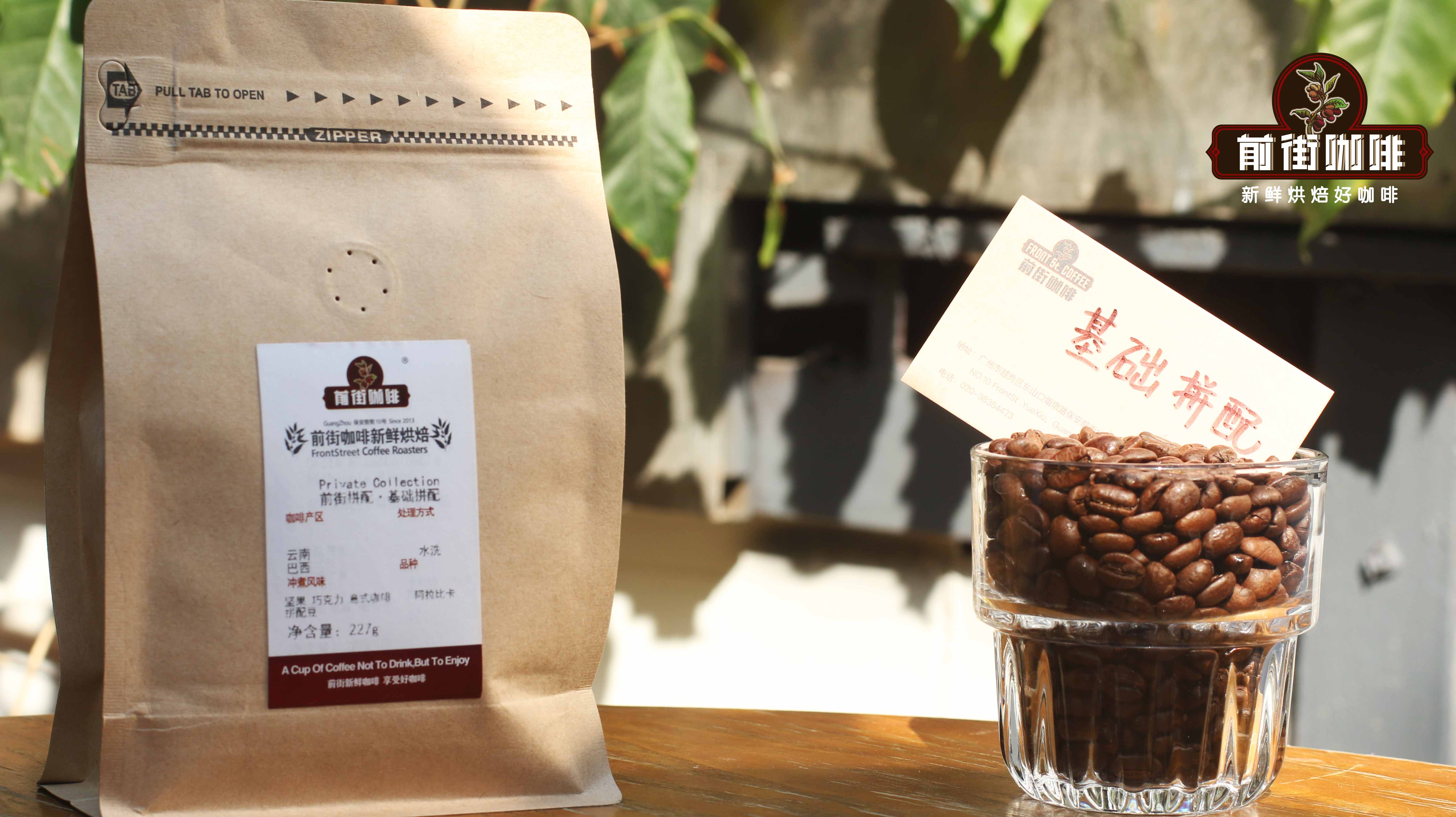
1. Recommended: Front Street washed Yirgacheffe Gutingding coffee, with a light jasmine aroma and a very clear green tea mouthfeel, suitable for pour-over, drip bags, and cold brew;
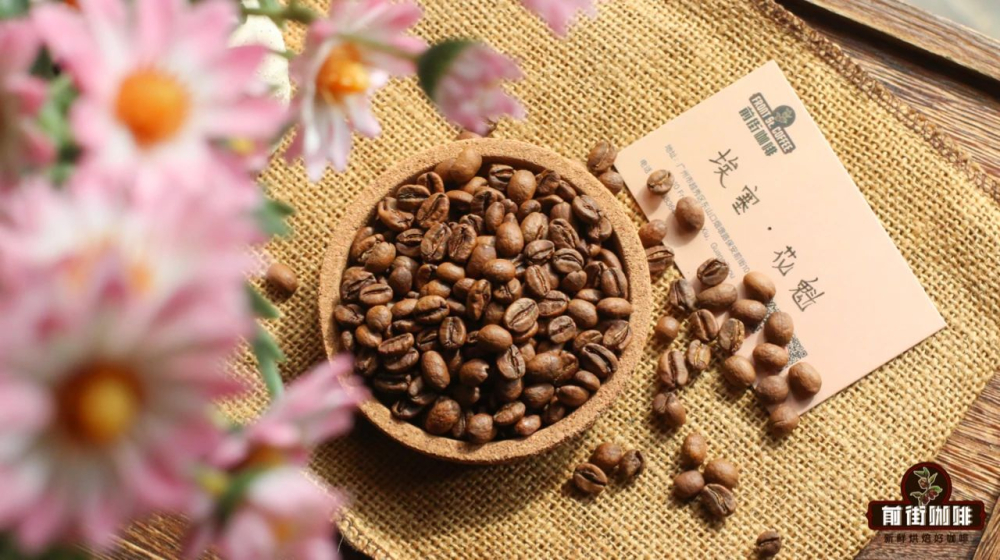
2. Recommended: Front Street Panama washed Geisha coffee, with obvious white floral notes, a typical representative of the fresh-scent type, suitable for pour-over and drip bags;
3. Recommended: Front Street Sidamo Alo coffee. The natural process brings a soft magnolia floral note, as well as rich notes of citrus, passion fruit, pineapple, mango, and berry-like sweet acidity, with a round mouthfeel;
2. The subtle-scent type is most classic in the form of sweet rose. Recommended: Front Street Strawberry Candy coffee has exactly this kind of floral note. It combines Costa Rican honey processing and Panama washed Geisha, with aromas like roses and raisins, giving a soothing feeling when smelled;
3. The stuffy-scent type carries a slight pungency, and at first smell it can be a bit sharp. Chamomile and osmanthus are typical representatives. If you want to experience it, it is recommended to buy Front Street Mozart coffee and Front Street Gold Label Geisha coffee.
Generally speaking, floral notes are more easily perceived when grinding coffee grounds and during the blooming stage. They also become more obvious when the coffee liquid is in the medium-to-low temperature range. When tasting, you might recall the fresh flowers you have encountered and judge which tone the flavor you are currently sensing is closer to.
Front Street Coffee Brewing Parameters Sharing
Coffee beans: Front Street washed Yirgacheffe
Dripper: V60
Water temperature: 91-92°C
Dose: 15g
Coffee-to-water ratio: 1:15
Grind size: fine granulated sugar size (sift to 80% with a No. 20 sieve)
For the first pour, inject 30g of water to bloom for 30 seconds. Start timing as you pour. Throughout, pour with a small stream from the center point and begin spiraling outward, making sure to wet the entire coffee bed.
After 30 seconds, begin steadily pouring the second stage of 95g of water with a slightly larger stream. The purpose is to lift the entire coffee bed. The stream should be poured vertically and evenly. At this point the scale should read 125g, and the pour should be completed in about 55 seconds.
When the liquid level drops to the halfway point, begin pouring the third stage of 100g with a small stream in a small spiral. Try to control the stream so it does not become too large, as it can easily disturb the coffee bed and cause underextraction. The final total water amount is 225g, and the drip completion time is about 2 minutes. Yirgacheffe brewed this way better highlights white floral notes and lemon flavors.
The above content is compiled by CoffeeHunters, a coffee news website.


