







Search Results for: flat peach

First Time at Starbucks: How to Choose? A Guide to Ordering Ten Popular Coffee Drinks and Flavor Analysis
Walking into Starbucks for the first time, it's only natural to feel a bit overwhelmed by the dense, crowded menu. In fact, drinking coffee is meant to be a relaxed, everyday affair—there's no need to get too nervous. Just choose according to your own taste preferences. This article divides Starbucks' popular drinks into two main categories: those with coffee and those without, introducing one by one the flavor characteristics of the coffee series—Americano, Latte, Flat White, Caramel Macchiato, Vanilla Sweet Cream Cold Brew, and more—as well as pairing ideas for the non-coffee series, including Black Tea Latte, Matcha Latte, Iced Shaken Fruit Tea, and Frappuccino. Whether you want to wake up and refresh your mind, control calories, or simply prefer milky or fruity flavors, you'll be able to find the cup that suits you in this list and easily avoid the pitfalls of ordering. [more…]

Starbucks collaborates with "Havoc in Heaven" to launch a peach-themed beverage, sparking heated discussion online over the lack of merchandise.
At the start of the new year, Starbucks announced a collaboration with Shanghai Animation Film Studio's classic animation "Havoc in Heaven," launching peach-flavored coffee drinks inspired by the "Peach Banquet." This news evoked childhood memories for many netizens, but some consumers were not impressed with the collaboration—because based on the available information, the campaign seemed to offer only limited-edition drinks, lacking themed packaging and merchandise. Compared to other brands that frequently release collaborative cup sleeves, tote bags, and other items, Starbucks' sincerity in this collaboration has been questioned, with some netizens pointing out that the limited-edition drinks are actually a hidden menu item that can be enjoyed in advance through customization services. Whether this collaboration can meet the expectations of "Havoc in Heaven" fans remains to be seen. [more…]
Arabica Coffee Bean Varieties Illustrated Guide: Flavor and Bean Shape Analysis of Typica, Bourbon, Caturra, Geisha, and More
The Arabica family has many members, and different varieties each have their own characteristics in bean shape and flavor. This article focuses on common Arabica varieties such as Typica, Bourbon, Caturra, Catuai, Geisha, and SL28 and SL34, and, combining Front Street Coffee's cupping experience and specific products, sorts out their green bean appearance characteristics and brewing performance. From Jamaica Blue Mountain No. 1 to Panama Hacienda La Esmeralda Geisha Red Label, from Brazil Queen Farm Yellow Bourbon to Kenya Asaliya, the article analyzes each variety's origin, processing method, and flavor profile one by one, helping coffee enthusiasts build a systematic understanding of Arabica varieties and also providing a reference for daily bean selection. [more…]
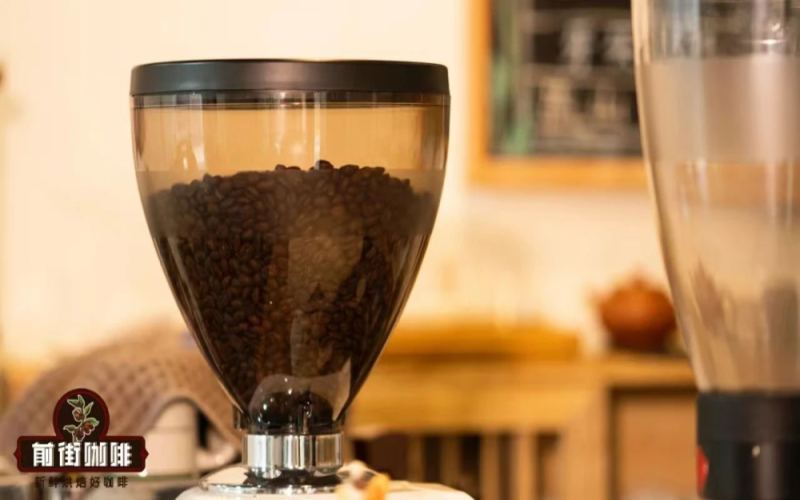
A Practical Analysis of Light-Roast Coffee Beans for Espresso: Comparing the Americano and Latte Performance of Three Ethiopian Beans
Traditional Italian-style coffee mostly uses darker roasted beans, but nowadays many cafes have begun trying to make espresso with light-roasted beans. This article, through extraction experiments with three Ethiopian light-roasted beans—Front Street Huakui, Gudingding, and Dorothy—records in detail the parameter adjustments and flavor performance. The tests found that making Americano with light-roasted beans can well preserve the original fruity acidity and aroma, among which the Dorothy Americano performed especially prominently; however, after being made into a latte, the coffee flavor is generally too weak and easily masked by milk. The article also shares practical adjustment experience regarding grind setting, pre-infusion, pressure, and extraction time, providing reference for coffee enthusiasts who want to try light-roast espresso. [more…]
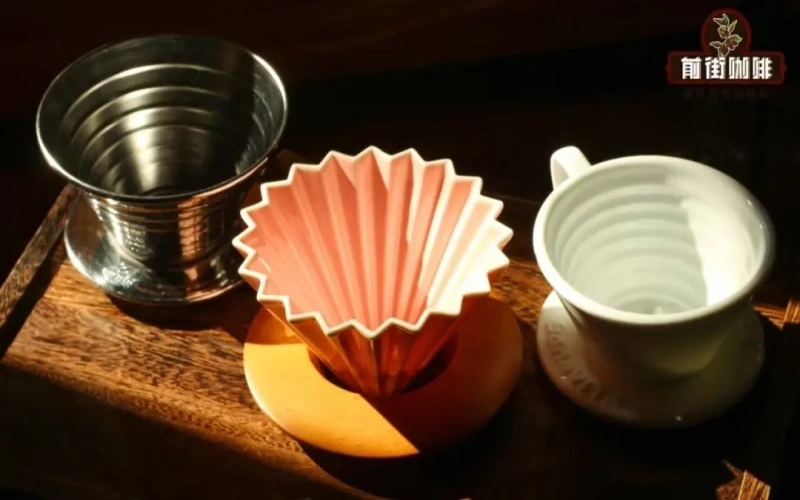
Analysis of the Differences Between Cake Filter Cups and V60 Cone Filter Cups: Sharing the Brewing Pros and Cons of Flat-Bottom Filter Cups and Practical Parameters
Among pour-over coffee equipment, cone-shaped drippers and flat-bottom drippers are two completely different choices. The cake dripper gets its name because its filter paper resembles baking paper, and its flat bottom brings extraction characteristics opposite to those of the V60: the coffee bed is thinner and more uniform in depth, pouring does not require deliberately controlling the range, and even beginners can easily brew a balanced and full-bodied cup of coffee. Of course, the relatively slow flow rate also requires us to make targeted adjustments in our parameters. In this article, Front Street will analyze the structural principles and flavor tendencies of the cake dripper, and share a specific method for brewing Ethiopian Hamashu with the Origami dripper, including coffee dose, water temperature, grind size, and staged pouring technique, to give you a comprehensive understanding of the advantages and disadvantages of flat-bottom drippers. [more…]
Analyzing the Differences Between Peaberry and Flat Beans: How to Tell Male and Female Beans Apart, the Meaning of Peaberry, and a Flavor Comparison
Have you ever heard of the "gender secrets" hidden inside coffee beans? The so-called male and female beans are simply the folk names for Peaberry and Flat Beans. Peaberry is a special form in which the coffee fruit fails to split normally into two halves and produces only a single oval seed, accounting for about 5% of the total yield. This article will systematically sort out the differences between Peaberry and Flat Beans, from their causes, appearance identification, and flavor performance to market rarity. It will also explain why it has been given the name "dream coffee," and include a recommendation from Front Street Coffee to help you understand the tricks behind this tiny bean. [more…]

2023 Starbucks Menu Full Price List: Espresso, Frappuccino, Iced Shaken Tea, and Cold Brew Coffee Prices and Recommendation Rankings
Want to know the latest Starbucks menu prices? This article compiles the 2023 prices for Starbucks' espresso series, Frappuccino series, iced shaken tea series, and cold brew iced coffee series, including lattes, cappuccinos, Americanos, caramel macchiatos, flat whites, various Frappuccinos, iced shaken teas, and cold brew coffee. It also includes a list of the top ten best-tasting Starbucks drinks for coffee lovers' reference. Whether you're looking for the best value or want to try new flavors, this price list can help you make a quick decision. Follow Coffee Workshop and Front Street Coffee for more professional coffee knowledge and specialty coffee bean information. [more…]

Osmanthus in Coffee: A Complete Guide to Autumn Techniques for Espresso, Latte, Flat White, Dirty, and Pour-Over
Autumn has arrived, and a cup of coffee with the fragrance of osmanthus is the perfect way to match the season. This article revolves around the combination of osmanthus and coffee. It first explains why osmanthus is suitable for coffee and the key points of processing before use, then focuses on the extraction techniques for osmanthus espresso—including why soaking is not recommended, how to avoid channeling, and the conclusions of comparative experiments placing osmanthus above and below the coffee puck. It then provides specific recipes and steps for osmanthus latte, osmanthus flat white/cappuccino, and osmanthus Dirty in turn, along with bean selection, brewing parameters, and flavor description for a cup of osmanthus pour-over. The article retains Front Street Coffee's recommendations and product information, making it suitable for coffee enthusiasts to follow step by step. [more…]
2023 Starbucks Drink Menu Price List Overview: Popular Hot and Cold Coffee Recommendations and Price Change Analysis
What are the Starbucks drink menu prices in 2023? Which hot and cold coffee drinks are the most popular? This article compiles a detailed price list of the entire Starbucks menu, including espresso, Frappuccinos, shaken iced tea, and the cold brew series, and reviews the specific price increases after the February 2022 adjustment. Whether you prefer the classic Americano, latte, or are fond of Frappuccinos or cold brew, you can find the latest prices and popular recommendations here, helping coffee lovers order easily without any missteps. [more…]

How to Use a Flat-Bottom Dripper with Adjustable Flow Rate? Hero Variable-Speed Cake Dripper Hands-On Review and Three Brewing Recipes
What kind of brewing experience does a flat-bottom dripper with manually switchable extraction modes actually deliver? Front Street recently got its hands on Hero's variable-speed cake dripper, which uses a knob mechanism to offer three flow-rate settings—immersion, slow, and uniform—while its flat-bottom design makes it quite beginner-friendly. Front Street has brewed beans such as washed Butterfly Flower, Mozart, and Juliette Geisha with it, and also tried extending the variable-speed function to iced pour-over scenarios, comparing it with the V60. This article provides a complete record of three sets of brewing parameters, flavor performance, and detailed issues found during use, for coffee enthusiasts' reference. [more…]

Starbucks Coffee Drink Categories and Flavor Price Analysis, a First-Time Ordering Guide for Women
A girl walking into Starbucks for the first time often has no idea where to start when faced with the dense menu. This article systematically sorts through the representative drinks of Starbucks' four major series—espresso, Frappuccino, shaken iced tea, and cold brew iced coffee—explaining one by one their flavor characteristics and differences in sweetness and bitterness, with price references for Grande, Tall, and Venti sizes. Those afraid of bitterness can choose a Latte or Caramel Macchiato, those who love sweetness can try seasonal new releases and Matcha Frappuccino, and those who do not drink coffee also have tea options. Those who dislike sweet, cloying drinks may consider an Americano or pour-over. At the end, the article also compiles Front Street Coffee's specialty bean information channels for advanced enthusiasts to reference. [more…]

Three Creative Jasmine and Coffee Pairings: A Detailed Guide to Milk Coffee, Cold Brew, and Pour-Over Methods
Jasmine has a clear, delicate aroma that aligns perfectly with the floral notes in coffee. Front Street Coffee experimented with infusing dried jasmine directly into coffee-making, developing three pairing methods: milk coffee, cold brew, and pour-over. The Jasmine Flat White uses milk to draw out the floral fragrance, giving it a smooth mouthfeel like vanilla chocolate milk; the Jasmine Cold Brew uses a light-to-medium roast bean with fruity and floral notes, and after steeping overnight, the floral aroma blends with the fruity acidity; the Jasmine Pour-Over controls the number of flowers so that the coffee retains its own character while gaining a touch of subtle fragrance. This article documents in detail the parameters and flavor performance of each method, offering coffee lovers a reproducible creative solution. [more…]
Analysis of Flavor Differences Between Colombian and Brazilian Coffee Beans: Growing Regions, Grading Characteristics, and Taste Comparison
Colombia and Brazil are both pillars of the Central and South American coffee-growing regions, yet the two countries differ considerably in their growing conditions, flavor profiles, and market positioning. Colombia, with its dual ocean ports on the Atlantic and Pacific, its three Cordillera mountain ranges creating microclimates, and its high-altitude volcanic ash soils, produces Arabica coffees with bright acidity and refined flavors. Brazil, by contrast, with its flat terrain, lower elevations, and Bourbon varieties as its foundation, offers a balanced cup with notes of nuts and chocolate and a heavy body. This article systematically compares the differences between the coffee beans of the two countries from the perspectives of growing region distribution, cultivation environment, varieties and processing, and cupping flavors, and concludes with specific bean recommendations from Front Street Coffee. [more…]

Water Buffalo Milk Latte and Dirty: Can Milk Foam Latte Art, Sweetness, and Coffee Flavor Coexist?
Buffalo milk has long been a specialty dairy product in the Guangdong and Guangxi regions, and in recent years it has been increasingly used by coffee enthusiasts to pair with espresso. It contains higher levels of protein, fat, and calcium than regular milk, with a lower water content, making it sweeter and silkier to drink. So, is buffalo milk actually suitable for latte art? And what does it taste like in an iced latte or a Dirty? This time, Front Street Coffee selected the refrigerated fresh buffalo milk from the local Foshan brand Baifulu, paired with Front Street Coffee's classic blend coffee beans, to make three drinks: a flat white, an iced latte, and a Dirty. From milk foam texture and latte art performance to the flavor on the palate, we tested each one to see whether the combination of buffalo milk and coffee can achieve an effect where 1+1>2. [more…]
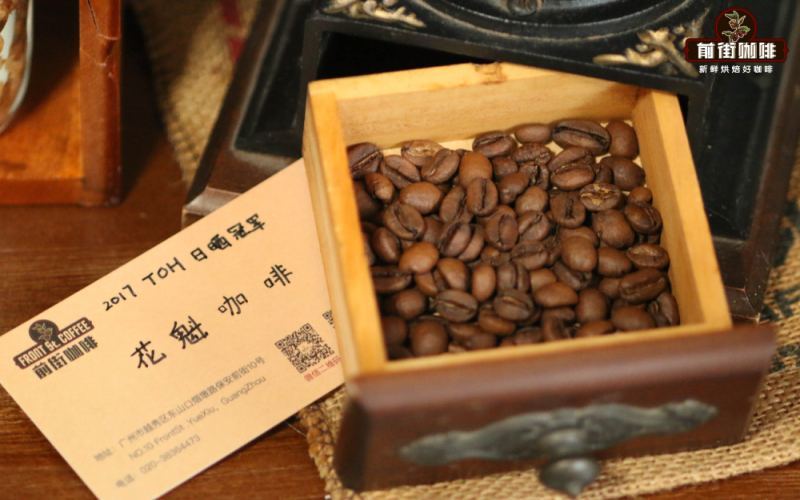
Ethiopia Sidamo: The Differences Between Natural and Washed Processing and a Complete Guide to Making Huakui SOE Flat White
The Sidamo region is known for its bright citrus acidity and full body, while Huakui, as a star among natural beans, has repeatedly earned high cupping scores thanks to its intense strawberry wine aroma. So what exactly are the differences between natural and washed processing? And what are the history and grading system of Sidamo like? Starting from the region's story, green bean grading, and a comparison of processing methods, this article will analyze in detail the flavor performance of Huakui 8.0 and share Front Street Coffee's complete workflow and parameters for making an SOE Australian White, giving you a comprehensive understanding of the unique charm of this Ethiopian heirloom variety. [more…]

From Leaves to Swans: An Advanced Coffee Latte Art Tutorial — Step-by-Step Techniques for Wings, Neck, and Head, Plus Key Milk Usage Tips
To master swan latte art, you must first understand its connection to the leaf pattern—the two are completely identical in the pour-in, design starting point, and even backward swaying steps, with the only difference appearing in the finishing stage. A leaf is finished directly after the swaying ends, while a swan, after completing the body, still needs to shape the wings, neck, and head. This article breaks down the key movements one by one in three parts—wings, neck, and head—and explains the strict requirements that composite patterns place on milk volume and milk foam texture, helping those who have already learned the leaf to advance smoothly. [more…]
A Complete Analysis of the Flavor Characteristics and Estate Background of Panama Boquete Elida Estate Natural Typica Coffee Beans
Located in the Boquete production area of Panama, Elida Estate has become a shining star among Central American specialty coffees, thanks to its ultra-high-altitude growing environment and distinctive flavor profile. This article focuses on Front Street Coffee's Panama Boquete Elida Estate Natural Typica, providing a detailed introduction to this coffee bean's flavor narrative, origin information, estate background, and processing methods. From rich tropical fruits, strawberry, and black plum to intense fruit wine aromas, and then to Elida's signature "savory" quality, the article will guide you into a deeper understanding of why this estate can rank among the Best of Panama winning lots year after year, as well as the unique charm of Typica, this ancient variety. [more…]
Ethiopia Sidamo Huakui Coffee Bean Origin Flavor Analysis and Australian White SOE Preparation Method
Sidamo Huakui is one of the most recognizable coffees among Ethiopian heirloom varieties, known for its bold aroma and high sweetness, and it once took first place in the natural group cupping of the 2017 harvest. It uses only fully red cherries and adopts slow drying on African raised beds with long low-temperature fermentation. In its wet aroma, winey and floral notes intertwine, and as a pour-over it tastes like a cup of strawberry fruit tea. This article will outline Huakui's origin background, grading standards, and the differences between washed and natural processing, and share how Front Street Coffee uses Huakui 8.0 to make an SOE flat white with a small cup volume, thin milk foam, and a ristretto base, taking you from the source to the cup for a complete understanding of this bean. [more…]
Panama Elida Coffee Flavor Analysis: From the Boquete Region to Sun-Dried Typica Pour-Over Practice
Panama's Elida Estate is situated around the Barú Volcano at an altitude of over 1,700 meters. Renowned for its intense savoriness and dark berry notes, it is one of the most sought-after ultra-high-altitude estates in the specialty coffee world. This article will systematically examine Elida's microclimate conditions, the commitment to quality behind its long maturation period, the botanical characteristics of the Typica variety, and the specific brewing parameters and flavor profile of Front Street Coffee's natural-process Typica, helping coffee enthusiasts gain a comprehensive understanding of Elida's unique charm and production highlights. [more…]
Panama Elida Estate Natural Typica Flavor Analysis: A Complete Guide to the Boquete Region and Pour-Over Parameters
The Boquete region in Panama is renowned for the Geisha from Hacienda La Esmeralda, while Elida Estate, also located there, is known for its ultra-high altitude and unique "savory" character. This article focuses on FrontStreet Coffee's Panama Boquete Elida Estate Natural Typica, unfolding layer by layer from terroir and variety characteristics to processing methods and specific pour-over parameters. Elida Estate's average growing altitude exceeds 1,700 meters, and coffee requires five years after planting before it can be harvested; the long maturation period carries higher risk, but it also creates a complex flavor interwoven with rich tropical fruit, strawberry, and black plum. The article also introduces the historical origins and flavor characteristics of the Typica variety, as well as the importance of temperature and time control in Elida Estate's post-processing, providing coffee lovers with a complete interpretation that balances regional knowledge with practical reference. [more…]