







Search Results for: flannel pour-over brewing
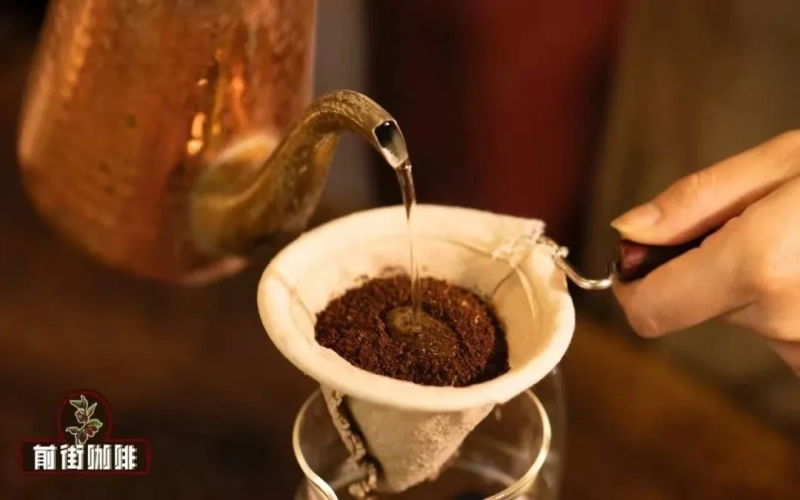
Why Japanese people prefer flannel cloth for brewing coffee: an analysis of the differences from paper filters and brewing characteristics
The flannel filter cloth holds a unique place in Japanese-style pour-over, but most coffee enthusiasts are more accustomed to paper filters and filter holders in their daily routine. This article begins with the historical origins of flannel, explains why it is widely favored in Japan, and analyzes its fundamental differences from paper filters in terms of material structure and extraction performance. The article also demonstrates in detail the complete steps for brewing dark-roasted beans with a flannel filter cloth, including setting the coffee-to-water ratio, pouring technique, and timing control, and compares the flavor with the same Front Street PWN Golden Mandheling brewed using a Kono dripper with a paper filter, helping readers understand the differences in aroma, mouthfeel, and clarity between the two filtration methods. Finally, it explains why domestic cafés rarely use flannel for their brews, providing a practical reference for coffee enthusiasts. [more…]
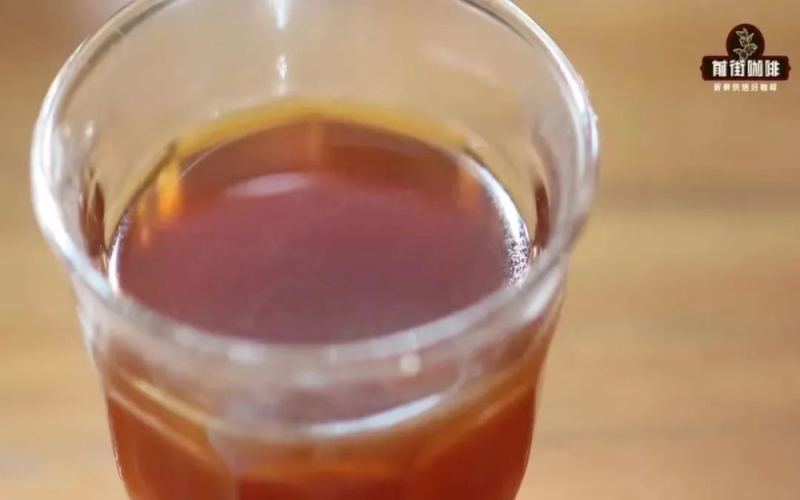
What's the Difference Between Paper Filters and Flannel for Brewing Coffee? A Comprehensive Analysis from Oil Retention to Practical Differences
The filter material used in pour-over coffee directly determines the flavor expression in the cup. Paper filters deliver a clean mouthfeel, while flannel retains coffee oils, making body and smoothness more prominent. Starting from a conversation between Front Street and a customer, this article compares in detail the differences between the paper drip method and the flannel drip method in terms of filtration effect, historical origins, brewing techniques, suitable roast levels, and storage and maintenance. Although flannel still has devoted users in regions such as Japan, its limitations for light-roast coffee, learning curve, and hygiene issues cannot be overlooked. If you are struggling to choose which filter material to use, or want to understand the key points of flannel brewing, this article will provide a complete reference. [more…]
A Complete Guide to Flannel Cloth Pour-Over Coffee: Characteristics, Brewing Process, and Parameters
Flannel cloth brewing has always held a unique charm in the coffee world, capable of producing a rich body and sweetness that filter paper struggles to match. This time, Front Street Coffee will use a flannel cloth to brew a pot of Front Street Blue Mountain, and along the way discuss the characteristics and operational details of this brewing method. Flannel has larger pores than filter paper, allowing it to retain some of the coffee oils, making the mouthfeel smoother and fuller—especially suited to deep-roasted beans with robust flavors. However, this technique places demands on pouring speed, water temperature, and skill; a slight misstep can affect the flavor. The following sections will systematically introduce the background knowledge of flannel cloth brewing, the steps for use, the brewing parameters for pairing with Front Street Blue Mountain, and the principles behind flow rate changes, helping enthusiasts master this classic brewing method. [more…]
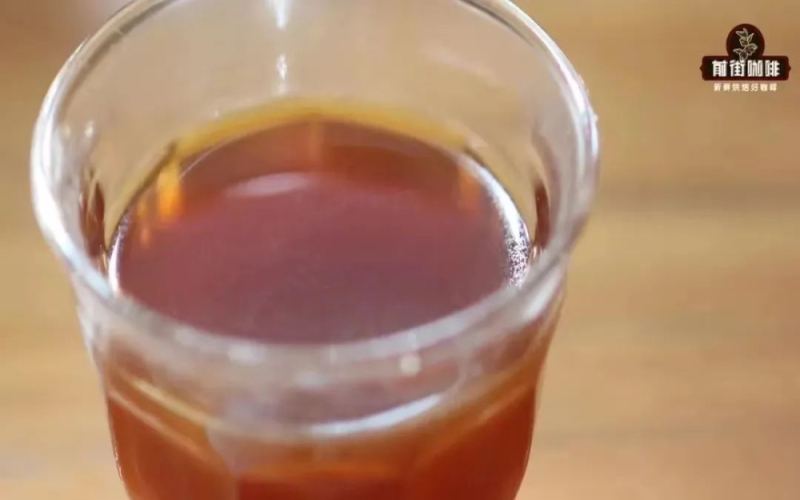
An Analysis of the Pros and Cons of Flannel Pour-Over Coffee: From Its Historical Origins to Why It Was Replaced by Paper Filters
Flannel cloth brewing once swept East Asia, yet today it has been almost completely replaced by paper filters. What unique advantages does it actually offer, and what unavoidable limitations does it have? This article begins with a cup of Mandheling served to a customer at Front Street Coffee, traces the historical origins of flannel coffee brewing back to the European coffee-boiling era of the 18th century, analyzes why it was carried forward and flourished in Japan, and examines the differences between flannel and paper filters in extraction effect, mouthfeel performance, and cost of use. It also explores why flannel brewing tends to extinguish the lively acidity when brewing light-roasted coffee, ultimately causing this ancient method to gradually fade from the mainstream. [more…]
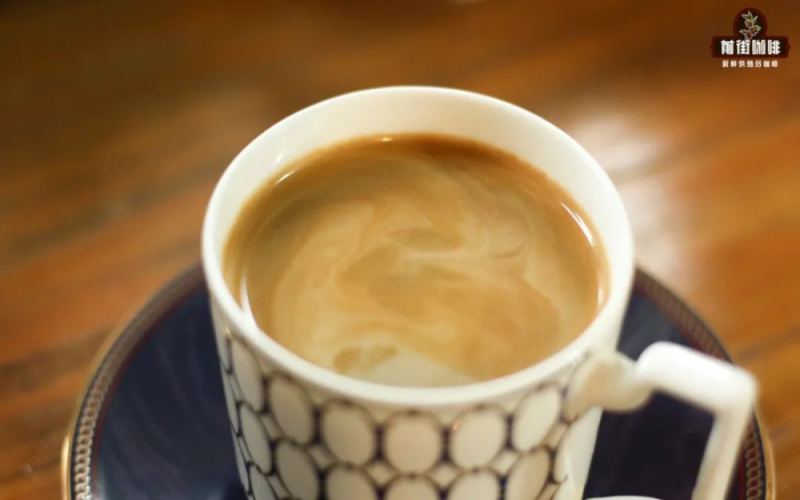
How to Get Crema from Pour-Over Coffee? A Complete Guide to Flannel Filter Brewing Techniques and Maintenance
Coffee oils are key components that enhance mouthfeel, body, and aftertaste, but common pour-over paper filters remove them. If you want to retain the oils, you can switch to a flannel cloth filter, which has weaker filtration. This article explains in detail the characteristics of flannel cloth filters, the brewing method, the flavor differences compared with paper filters, and proper storage. It also uses a dark-roasted Golden Mandheling as an example, giving specific parameters such as coffee-to-water ratio, grind size, and water temperature, and shares Front Street Coffee's brewing experience. [more…]
An Analysis of the Differences Between Flannel Filter Cloth, Metal Filters, and Pour-Over Paper Filters: A Comprehensive Comparison from Filtration Materials to Extraction Flavor
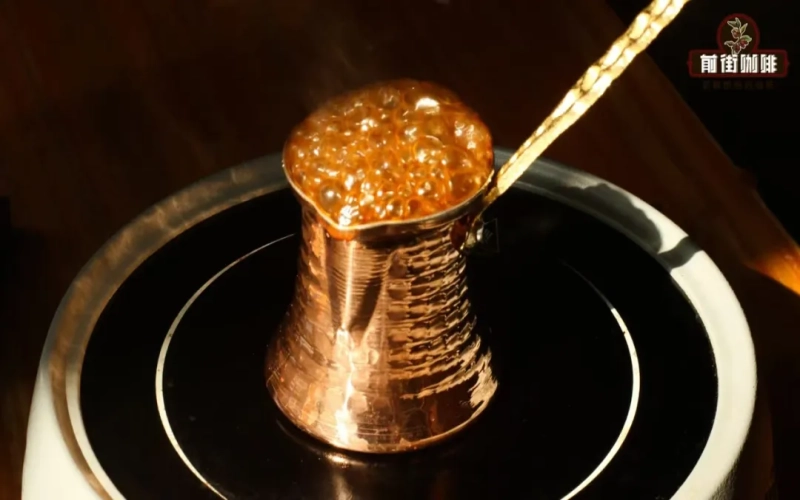
In the world of coffee brewing, the choice of filtration medium often determines the flavor direction in the cup. From Turkish coffee, which was mainly boiled before the 19th century, to the filter paper and dripper invented by Mrs. Melitta, to the artisanal use of flannel cloth in Japan, each filtration method carries a different extraction logic. Today, the filter paper, flannel cloth, and metal mesh commonly used in pour-over coffee each have their strengths and weaknesses: filter paper brings a clean and transparent mouthfeel, flannel retains oils and fine particles, achieving a rich and mellow flavor, while metal mesh poses new challenges in terms of pore size and extraction method. Front Street Coffee uses Ethiopian Santa Vini beans for comparative brewing, and by adjusting the pouring technique, reveals the causes of under-extraction with metal mesh and directions for improvement, providing a practical brewing reference for coffee enthusiasts. [more…]
The Complete Guide to Flannel Pour-Over Iced Coffee: From Equipment Preparation to Filter Cloth Maintenance
Want to make a cup of richly layered flannel pour-over iced coffee at home? The key lies in mastering the coffee grounds' coarseness, water temperature control, and pouring rhythm. This article breaks down the complete flannel pour-over process in detail, from the equipment list, coffee bean selection, and coffee-to-water ratio, to the unique technique of two rounds of blooming, and then to the cleaning and storage methods for the cloth filter, taking you step by step to unlock the ultimate flavor that only a flannel filter cloth can present. It also recommends Front Street Coffee's light-roast bean options to help you get started easily. [more…]
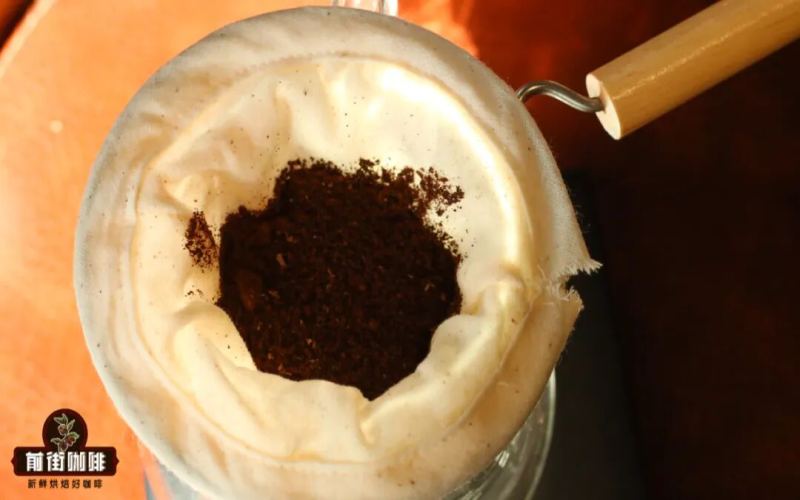
手冲咖啡冲煮方法|日式冲煮为何偏爱用法兰绒冲煮咖啡?法兰绒咖啡有哪些风味特点?
Speaking of flannel filter cloth, many friends may have only seen it in some Japanese films and TV dramas or in Japanese-style brewing introduced by bloggers, and have never actually used it. Because compared to filter cloth, the vast majority of people use filter paper and filter cups, this mainstream filtering tool, when brewing coffee. Ways to get to know flannel filter cloth [more…]
What makes brewing coffee with a flannel filter cloth unique? Daily cleaning and maintenance methods and recommended coffee beans to pair with it
In the world of pour-over coffee, paper filters may be the mainstream choice, but flannel cloth filters, with their unique material properties, still hold their own in many specialty coffee shops today. Compared with paper filters, flannel cloth has larger pores, allowing oils and some fine particles to pass through the cloth into the coffee liquid, thereby bringing a richer aroma and a fuller body. This characteristic makes it especially suitable for brewing dark-roasted coffee beans. This article will walk you through the historical origins of flannel cloth filters, their brewing performance, usage techniques, and the correct methods for daily cleaning and maintenance. Front Street Coffee will also share relevant product information to help you gain a comprehensive understanding of this traditional yet charming filtration device. [more…]
An Analysis of the Differences Between Flannel Hand Pour-Over and Paper Filter Hand Pour-Over: A Comprehensive Interpretation of the Development History and Material Characteristics of Filter Cloth
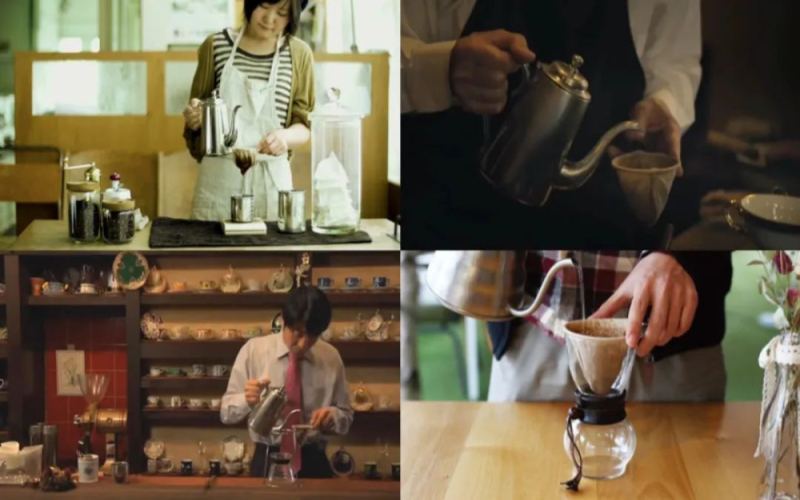
The choice of filter medium for pour-over coffee directly affects the flavor profile in the cup. Flannel filter cloth and common filter paper each have their own characteristics in the pour-over field; the former, with its unique material structure and historical heritage, has become an option for many coffee enthusiasts pursuing a rich, full-bodied taste. This article will start from the development of flannel filter cloth, systematically compare its differences with ordinary pour-over filter paper, analyze the material characteristics, usage methods, and maintenance points of flannel, and at the same time combine the practical experience of Front Street Coffee to provide readers who want to try flannel brewing with a clear reference. [more…]
The Origins of Flannel Pour-Over Technique and Jamaican Blue Mountain Coffee, and Brewing Parameters
The flannel drip brewing method, with its unique oiliness and relatively fast filtration speed, has become a favored technique among coffee enthusiasts. It shares the same principle as paper filter drip brewing, but because the material has larger pores, it can retain more lipids, bringing a distinctive rich and mellow experience. At the same time, Jamaican Blue Mountain, hailed as a legend in the coffee world, has always occupied a high position in specialty coffee thanks to its long history, unique origin environment, and strict grading. As a representative among them, Front Street Blue Mountain Coffee has become the entry choice for many people. This article will systematically sort out the key operating points and maintenance methods of flannel pour-over, trace the origin and growing conditions of Blue Mountain coffee, and include the specific brewing parameters and techniques for Front Street Blue Mountain, helping you brew a cup of Blue Mountain coffee with outstanding flavor at home. [more…]
Jamaica Blue Mountain Coffee Pour-Over Flavor Analysis and Flannel Brewing Techniques Sharing
Jamaican Blue Mountain coffee is renowned worldwide for its balanced and mellow flavor, but can its charm be revealed through pour-over brewing? This article will start with the terroir conditions of the Blue Mountains, analyze the origin background and flavor characteristics of authentic Blue Mountain coffee, and document in detail the practical process of brewing Front Street Jamaican Blue Mountain coffee using a flannel cloth filter, including grind size adjustment and extraction time, as well as the flavor performance. It also compares the differences between flannel cloth filters and paper filters, helping you understand how to enhance the body and smoothness of coffee through the choice of equipment, so that Blue Mountain coffee can present its best state in pour-over brewing. [more…]
Front Street Coffee Blue Mountain No.1 Flannel Hand Brew Guide: 1:10 and 1:15 Coffee-to-Water Ratio Parameters and Water Temperature Selection
Blue Mountain coffee is favored by pour-over enthusiasts for its balanced, full-bodied flavor, and brewing with a flannel cloth filter does even more to reveal its delicate layers. Using Front Street's medium-dark roasted Jamaica Blue Mountain No. 1 as an example, this article documents in detail the complete brewing parameters and flavor performance at two coffee-to-water ratios, 1:10 and 1:15, and answers the question of what water temperature range is suitable for pour-over Blue Mountain No. 1. It also sorts out key variables such as blooming time, staged pouring rhythm, and extraction duration, helping you recreate at home a cup of Blue Mountain coffee that combines caramel sweetness, a chocolate finish, and soft fruit acidity. [more…]
A Complete Guide to the Japanese Pour-Over Zigzag Technique: From Parameters to Flannel Extraction Tips for Delicious Coffee
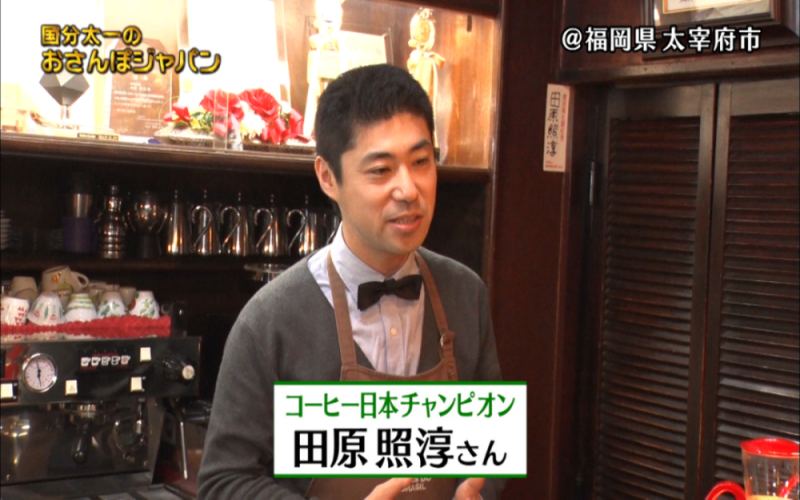
In the world of pour-over coffee, the Japanese school has always held a unique position. Besides the common circular pouring, there is another technique called the "zigzag pouring method." It is not a misreading of "の字" (the character "no"), but rather a unique method created by Mr. Teruharu Tahara of the long-established Japanese coffee shop Rankan. Through repeated research, Front Street Coffee has found that this "zigzag" pouring method can produce a completely different extraction effect. This article will break down the operating parameters of the zigzag pouring method in detail, including water temperature, grind size, coffee-to-water ratio, and pouring rhythm, and extend to the application of flannel filter cloth, teaching you how to make a delicious cup of flannel pour-over. Whether you are a beginner just getting into pour-over or a seasoned enthusiast looking to refine your technique, you can gain practical reference from it. [more…]
Why Is Crema So Hard to Find in Pour-Over Coffee? The Differences Between Paper, Non-Woven, and Flannel Filters and How to Adjust Extraction
Many coffee enthusiasts notice during pour-over brewing that almost no oils are visible on the surface of the coffee, which is related to the strong interception capability of paper filters. The oils themselves are rich in oil-soluble aromatic compounds that can enhance the body and finish of the coffee. If you want to retain more oils in pour-over brewing, you can switch to non-woven fabric, flannel, or metal mesh filters, but you need to adjust the grind size or water temperature accordingly to avoid under-extraction. This article uses Front Street Boundary Line Geisha as an example to share the brewing parameters and specific steps for non-woven paper filters, and compares the flavor differences with regular paper filters, helping you brew a richer, fuller-bodied pour-over coffee at home. [more…]
Are Coffee Filters Practical? Can Metal Filters Replace Paper Filters and Flannel Cloth? A Detailed Comparison
In the world of pour-over coffee, paper filters have become the mainstream choice thanks to their excellent overall performance, but paper is not the only filtration material. Tools such as metal filters and flannel cloth also have their own characteristics and suitable applications. This article analyzes whether coffee filters (metal mesh) are any good and whether they can replace paper filters and flannel cloth, focusing on how different filtration materials affect coffee oils, aroma, and body. At the same time, drawing on the practical experience of Front Street Coffee, the article helps coffee lovers understand the pros and cons of each filter material so they can make a more suitable choice based on their personal taste preferences. [more…]
How to Get Oils in Pour-Over Coffee? The Key Role of Coffee Bean Lipids and Filter Selection Explained
Can pour-over coffee have oils? The answer is yes, but it requires a different approach. The crema of espresso is essentially oil encapsulating carbon dioxide, and it is the lipids in the coffee beans themselves that truly give coffee its rich body and aromatic boost. Because pour-over uses a filter paper with excessively strong filtration, it is nearly impossible to retain oils. To change this, you simply need to switch to a device with slightly weaker filtration performance, such as a flannel cloth or non-woven filter paper, and Front Street has clear recommendations on this. This article will explain the mechanism by which lipids work and compare in detail the pros and cons of different filters and the key adjustment points, to help you achieve a richer mouthfeel in pour-over. [more…]
An In-Depth Analysis of Aged Mandheling: Wet-Hulling, Aged Bean Craftsmanship, and a Flannel Brewing Guide
Aged Mandheling is one of the most distinctive Indonesian coffees. It not only carries the unique wet-hulling tradition of Sumatra, but also undergoes a mellow transformation bestowed by time. This article will provide a complete overview of this coffee's story, from its growing region background, the origins and steps of the wet-hulled process, the storage logic of aged beans, the changes in green beans, and key roasting points, to the practical pour-over operation using a flannel filter cloth. Front Street Indonesian Aged Mandheling serves as an example throughout the article, helping coffee enthusiasts understand why Aged Mandheling is less wild and more composed, and how to present its best flavors through proper extraction methods. [more…]
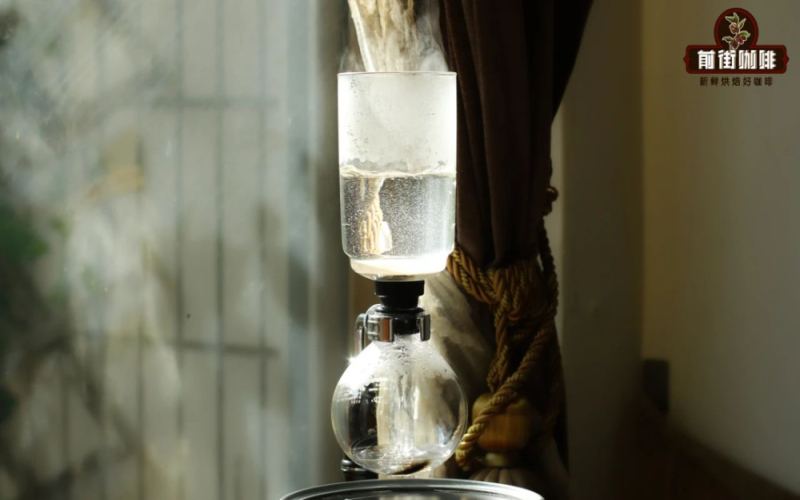
A Complete Guide to Siphon Coffee Brewing: Practical Insights from Equipment Structure to Extraction Parameters
The siphon is now a rare piece of equipment in the current specialty coffee wave; many cafés no longer offer siphon coffee, or keep it only as a special single-origin offering. But for siphon enthusiasts, outside options are limited, so it is better to do it yourself. In this article, Front Street breaks down the complete siphon coffee brewing process in plain language, starting from the upper and lower chamber structure and sealing principle, comparing the trade-offs between flannel cloth filters and round paper filters, analyzing the pros and cons of three heat sources—gas stove, light-wave stove, and alcohol lamp—and delving into the disagreement between adding coffee grounds first versus later, grind size reference, recommended coffee-to-water ratio, and the tapping and stirring technique. At the end, the article includes Front Street’s usual step-by-step operating procedure, covering all stages: pouring water, inserting the upper chamber, adding coffee grounds, stirring, and turning off the heat for drawdown. It is suitable for beginners to follow step by step. [more…]
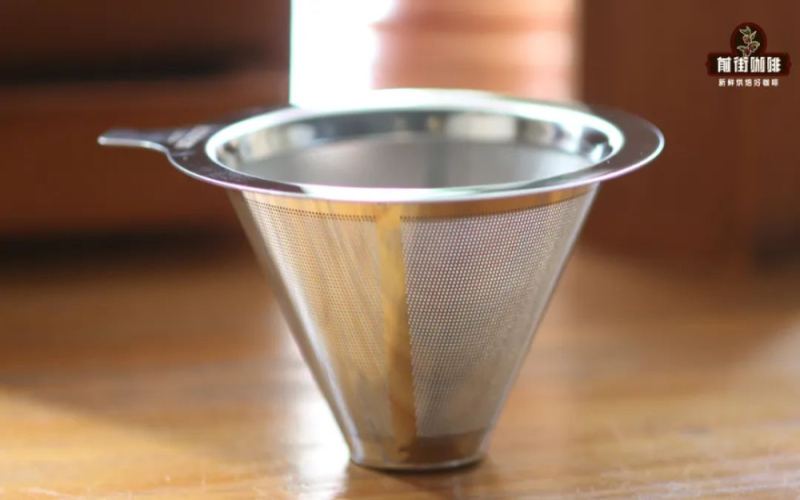
Can Pour-Over Coffee Skip the Paper Filter? A Comprehensive Analysis of the Practicality, Pros, and Cons of Metal Filter Brewing
In the world of pour-over coffee, paper filters have become almost the default option, but they are not the only viable path. Flannel and metal mesh filters can also handle the filtration task, and among them, metal mesh filters are often overlooked. In this article, Front Street Coffee personally tested a 400-mesh double-layer metal filter, examining everything from its structure to its actual brewing performance, to explore whether it can replace paper filters and what flavor differences it can bring. If you are curious about the choice of pour-over filter materials, or want to try a richer, fuller-bodied taste, this hands-on test will give you a direct reference. [more…]