








Why Did Flannel Coffee Brewing Fade Away?
Flannel filter cloth coffee brewing was once widespread in East Asia but has been almost entirely replaced by paper filters. The method traces back to 18th-century Europe, where grounds were boiled with water and then filtered through flannel, and it later spread to Japan, where it was valued for a cleaner liquid, fuller mouthfeel and reusable cloth.
Its limits explain the decline. Brewing light-roasted coffee in flannel with a slow, long extraction wears away the lively acidity, leaving a heavy, dull flavor reminiscent of black tea or fructose, as a customer noted when comparing Mandheling brewed in Japan with a cleaner modern cup. Paper filters now dominate mainstream coffee brewing for their consistency.
Flannel filter cloth coffee brewing once swept across East Asia, yet today it has been almost entirely replaced by paper filters. What unique advantages does it actually have, and what unavoidable limitations does it face? This article begins with a cup of Mandheling from a Front Street customer, tracing the historical origins of flannel coffee brewing back to the European coffee-boiling era of the 18th century, analyzing why it flourished in Japan, and examining the differences between flannel and paper filters in extraction efficiency, mouthfeel, and cost of use. It also explores why flannel brewing tends to flatten the lively acidity of light-roasted coffee, ultimately causing this ancient method to gradually fade from mainstream view.

Not long ago, while tasting Mandheling coffee, a customer chatted with Front Street: "This cup of Mandheling tastes too clean—there's no oil on the surface, and the mouthfeel always feels like it's missing something." He then recalled the Mandheling he had drunk during a trip to Japan years ago, with a glistening layer of oil floating on the surface, and the first sip was very...
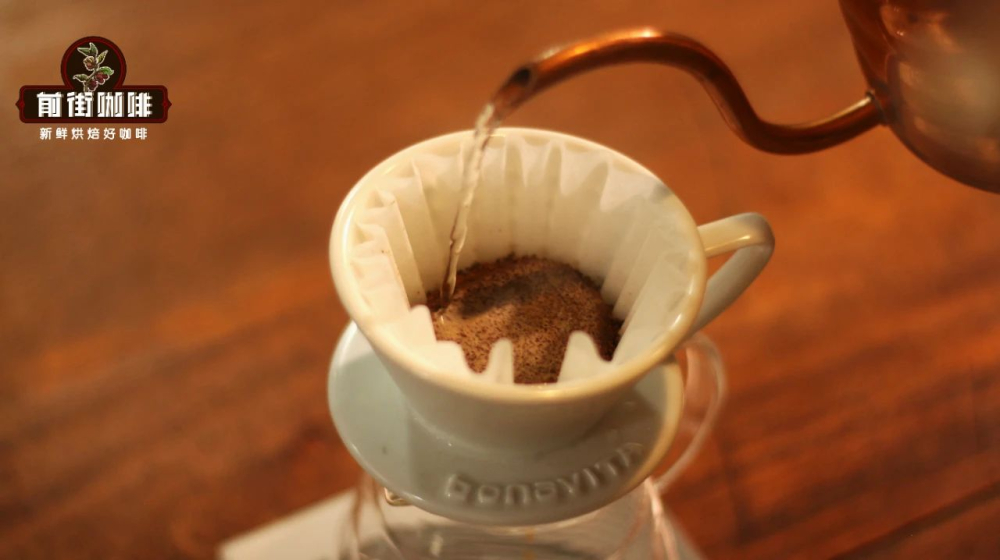
The practice of using flannel filter cloth to filter coffee can be traced back to 18th-century Europe. The popular method of brewing coffee at that time was to put coffee grounds directly into a pot and heat them together with water, then filter out the grounds with flannel cloth after boiling. It was not until the rise of pour-over coffee that this filtering method was introduced to Japan.
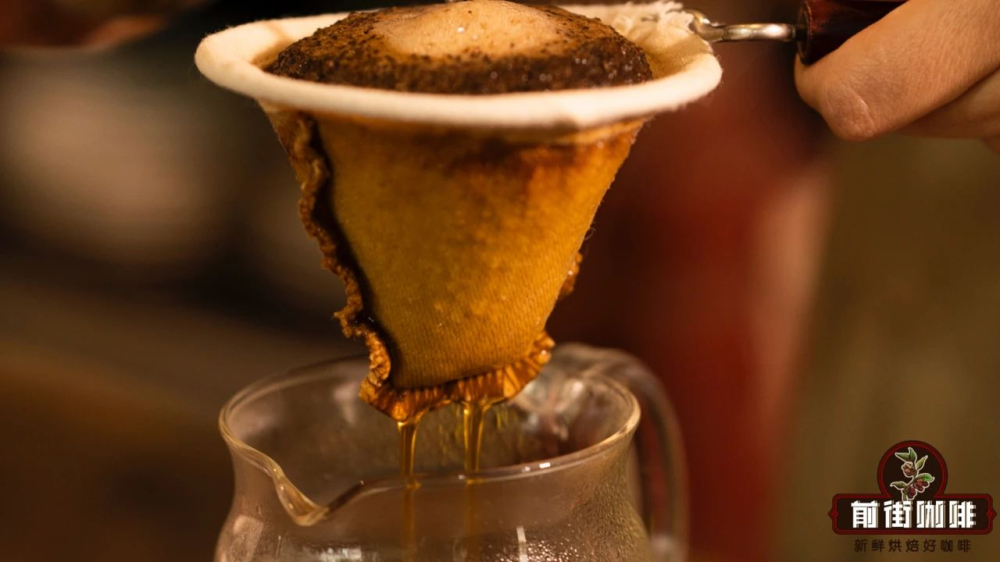
The Japanese quickly discovered that compared with the paper filters available at the time, flannel filter cloth produced a cleaner coffee liquid with a richer mouthfeel, and after washing it could be reused, making the cost per cup actually lower. Flannel coffee once prevailed throughout East Asia, and even now, many coffee shops in Japan still insist on using flannel. But today, flannel has basically been completely replaced by paper filters, and shops still using flannel to brew coffee have become very rare, which brings us to the limitations of flannel itself.
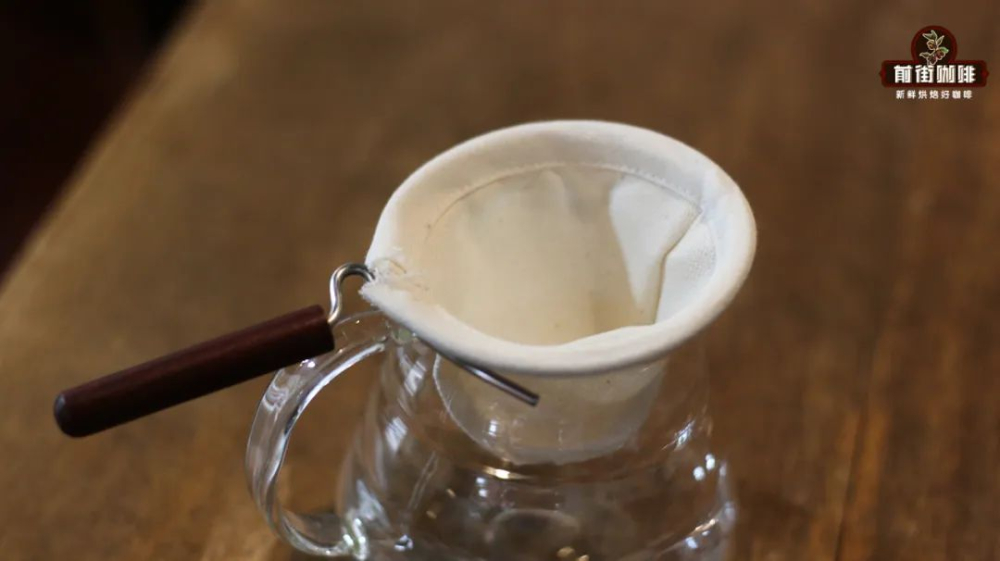
When using flannel to brew light-roasted coffee, if one still adopts a slow-paced, long-extraction approach, the coffee can indeed be fully extracted, but the lively acidity in light-roasted beans will be worn away, ultimately presenting a heavy, dull flavor reminiscent of black tea or fructose.
The above content is compiled by CoffeeHunters, a coffee news website.


