







Filter Materials, Oil Retention, and Extraction Balance in Pour-Over Coffee
Pour-over coffee often shows little to no surface oil because paper filters trap most oils. These oils carry aromatic compounds that add body and aftertaste. To keep more oils, you can switch to non-woven fabric, flannel, or metal mesh, but you must adjust grind size or water temperature to avoid under-extraction. This article uses a Front Street Boundary Line Geisha example to share non-woven filter brewing parameters and compare flavor with regular paper filters, helping you make richer pour-over at home.
Coffee oils are common in dark-roasted beans, French press, and siphon brews, where they add texture and intensify aroma. In pour-over, paper filters block these oils, yielding a clear, light cup. If you want more oil in pour-over, choose a filter material with larger pores, such as non-woven fabric, flannel, or metal mesh. These allow more oil through but also drain faster, so you may need a finer grind or slightly lower water temperature to keep extraction balanced and avoid a weak, sour cup.
Many coffee enthusiasts notice when brewing pour-over that there is almost no oil visible on the surface of the coffee liquid, which is related to the powerful interception ability of the filter paper. The oil itself is rich in oil-soluble aromatic substances, which can enhance the coffee's body and aftertaste. If you want to retain more oil in pour-over, you can switch to filter materials such as non-woven fabric, flannel, or metal mesh, but you need to adjust the grind size or water temperature accordingly to avoid under-extraction. This article takes Front Street Boundary Line Geisha as an example to share the brewing parameters and specific operations of non-woven filter paper, and compares the flavor differences with regular filter paper, helping you brew a richer and more full-bodied pour-over coffee at home.
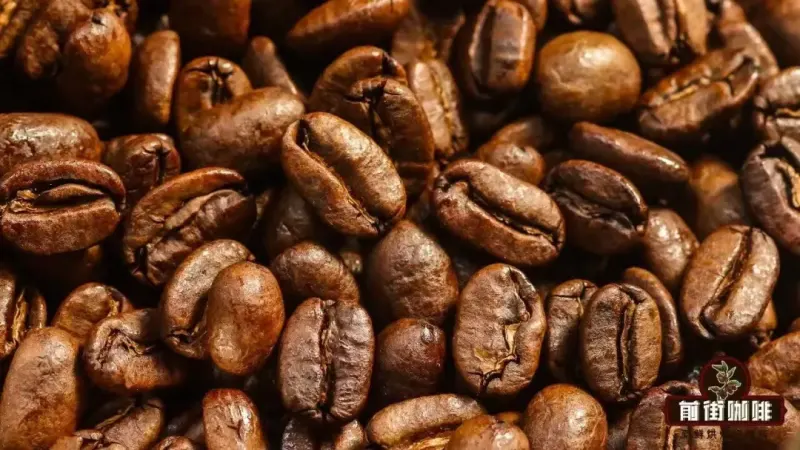
Coffee oil is actually quite common; it can be seen on the surface of dark-roasted beans, in a French press, or on the liquid surface of a siphon. Its value is straightforward: it can enhance the overall texture of the coffee.
Many aroma components in coffee are oil-soluble and attach to the oils. Therefore, when the oils remain in the coffee, the aroma we smell is fuller. At the same time, the oils can also improve the mouthfeel and aftertaste, making the coffee taste thicker and the finish longer.
However, it is usually difficult to see oil in pour-over coffee. Front Street has previously explained the reason: the filter paper used in pour-over has extremely strong filtration ability and intercepts most of the oils, so the surface of pour-over coffee is often clear and oil-free. But precisely because of this, the clarity of pour-over is very outstanding—it can be said that there are trade-offs.
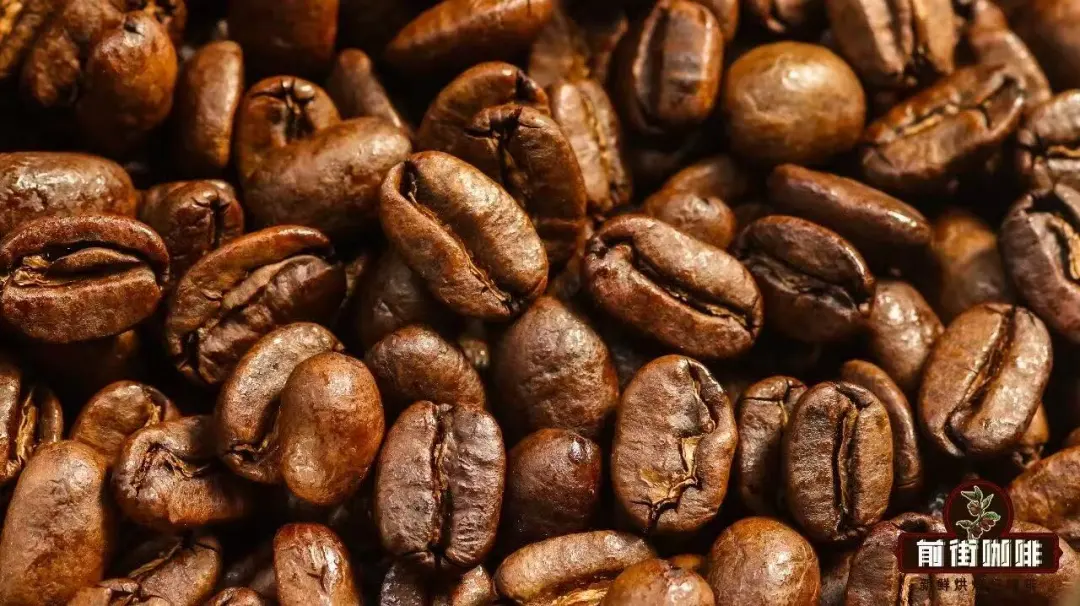
If you want pour-over to also have more oil, thereby obtaining a richer aroma and fuller mouthfeel, you can achieve this by changing the filter material. For example, non-woven filter paper, flannel filter cloth, metal mesh, etc. have larger pores than ordinary filter paper and relatively weaker filtration ability, so they can retain more oil.
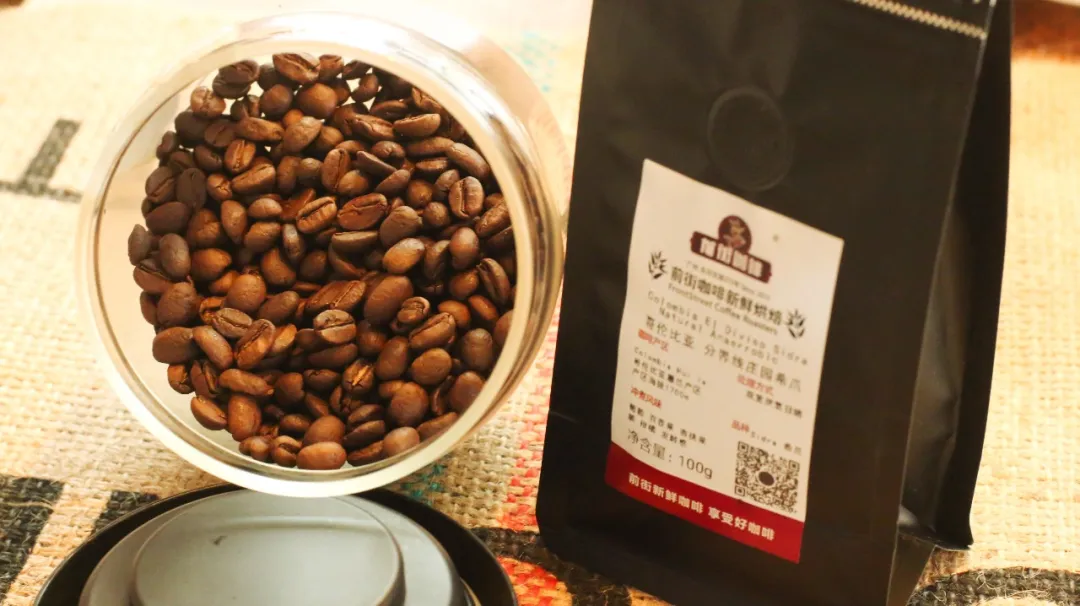
But note that when the filter material changes, the extraction parameters must also be adjusted accordingly. Because these materials have larger gaps and drain faster, if the original parameters are used, the flow rate may be too fast and lead to under-extraction. How exactly to adjust? Front Street will briefly demonstrate below. Brewing Sharing The beans used in this Front Street demonstration are Front Street Boundary Line Geisha from the Front Street Tmall Taobao flagship store. The anaerobic processing brings a unique and distinct fruity aroma, and the coffee made from it has a full juicy feel, suitable for pour-over, cold brew, and espresso.
When brewing Front Street Boundary Line Geisha with regular filter paper, Front Street's parameters are: 15g coffee grounds, 1:15 coffee-to-water ratio, grind size with 75%~80% passing through a No. 20 sieve, water temperature 92°C, three-stage brewing, and extraction time about 2 minutes.
The Front Street Boundary Line Geisha brewed this way offers the unique aromas of purple grape, apricot, and passion fruit, along with subtle floral and fermented wine notes. Overall it is clean and solid, with a long finish and excellent performance.
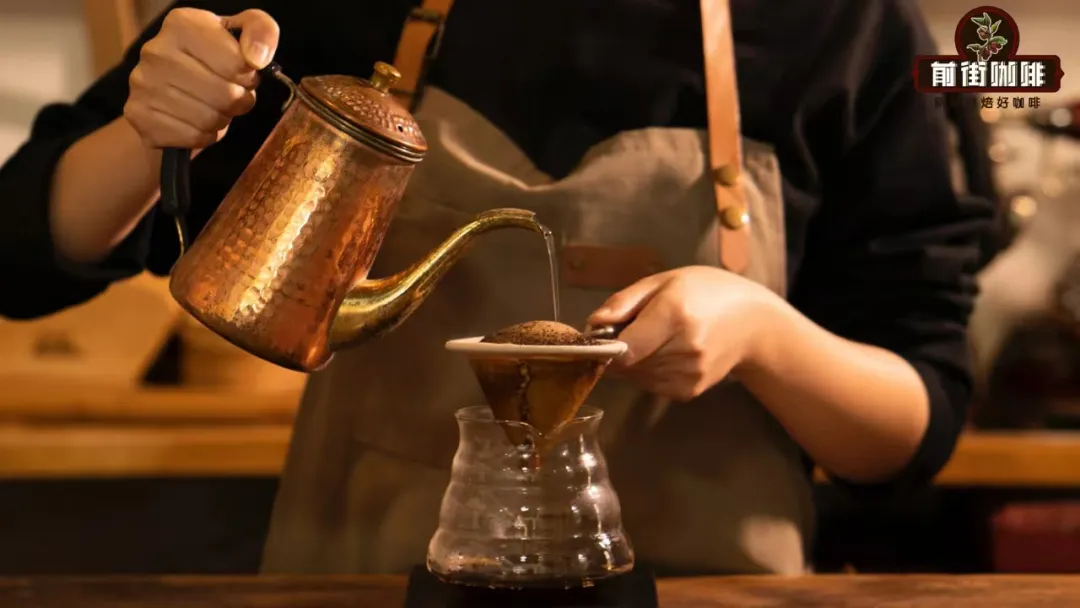
When switching to non-woven filter paper for brewing, Front Street will adjust the grind or water temperature. You can grind one step finer than the original setting, or increase the water temperature by 1~2°C, to offset the effect of faster draining.
If you also use non-woven filter paper and pair it with a dripper such as V60 that has ribs, there is one thing to note before brewing: it is best to use hot water to wet the filter paper, so that it can soften and fit more snugly. The brewing still uses a three-stage method: first, bloom with water at twice the amount of coffee grounds for 30 seconds; then, with a moderate flow, pour the second stage of hot water in a large circular motion, totaling 120ml. After the water has fully permeated, pour the remaining 75ml in a small circular motion with a small flow. Finally, after the coffee liquid has finished dripping, remove the dripper to end the extraction.
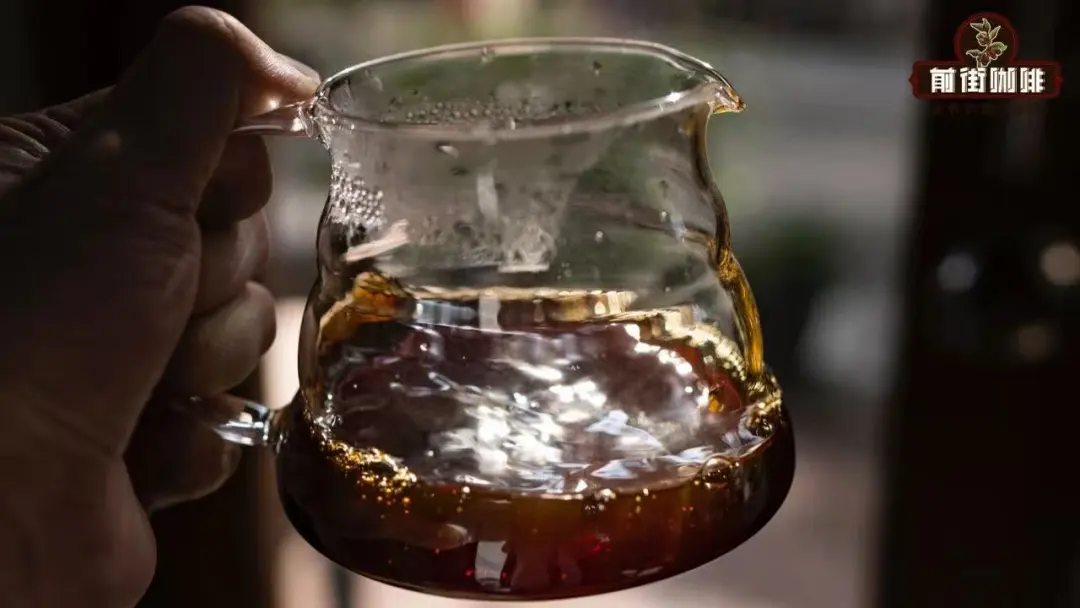
The Front Street Boundary Line Geisha brewed this way shows a clearly visible layer of oil on the surface, and the overall texture has been improved as Front Street said. The aroma is stronger and the mouthfeel is fuller (the improvement is not very large, but there is indeed an improvement) , and the flavor performance is consistent with before, both being rich fruity notes.
That is all for this Front Street sharing. It is worth mentioning that compared with light-roasted beans, oil has a more significant improvement on dark-roasted coffee. So friends who like dark roasts may as well try this method—it is really quite good~
- END -
The above content is compiled by CoffeeHunters, a coffee news website.


