







Search Results for: filter-style black coffee
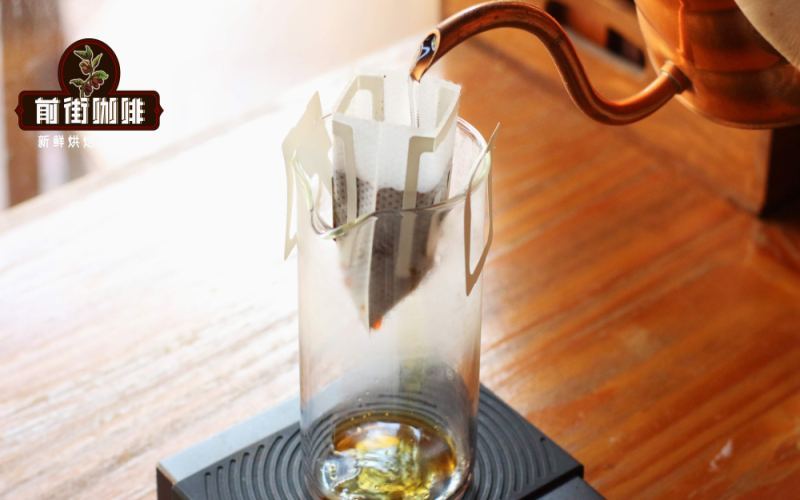
Why shouldn't drip bag coffee be steeped for a long time? The correct brewing method for filter-style black coffee and an analysis of how many times it can be brewed
Many friends who are new to drip bag coffee often run into this confusion: the brewed coffee comes out weak and tasteless, or the acidity and bitterness are out of balance with a thin mouthfeel. The root of these problems is often closely tied to the brewing method. This article, compiled by Front Street Coffee, covers freshness management for drip bag coffee, common mistakes, the choice of cup and water temperature, and a standardized three-stage pouring process. It also answers questions such as whether drip bag coffee can be brewed repeatedly and why it cannot be steeped like a tea bag, helping you consistently produce a full-flavored cup of filtered black coffee with simple methods. [more…]
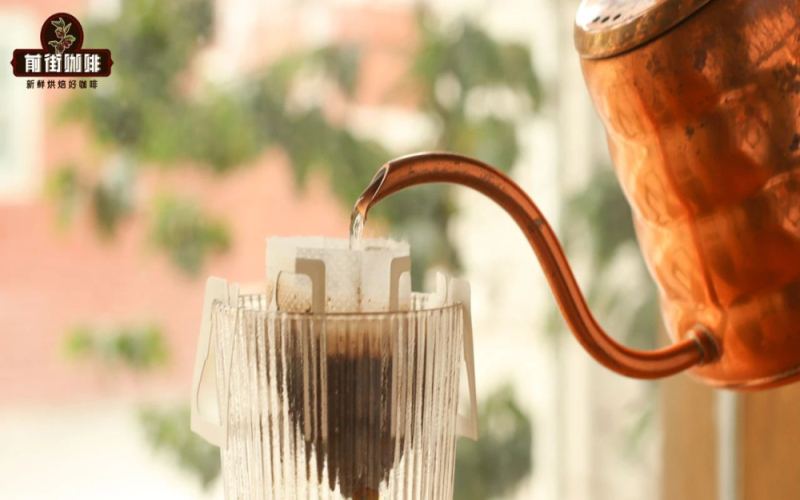
What's the difference between drip bag coffee and instant coffee? Front Street explains the brewing techniques and shelf life of filter-style drip bags in detail.
Are drip bag coffee and instant coffee the same thing? Many friends who are just getting into coffee have this question. In fact, instant coffee is a coffee extract that has undergone a drying process, while a drip bag is a simplified version of pour-over coffee—the two are completely different from raw materials to flavor. This article, from the professional perspective of Front Street, will systematically explain the origins of drip bag coffee, its pros and cons, how many times it can be brewed, purchasing advice, and specific brewing steps, while also answering the question of the shelf life of filter-style drip bag coffee packets. Whether you are a coffee beginner or a daily drinker, you will find practical reference information here. [more…]
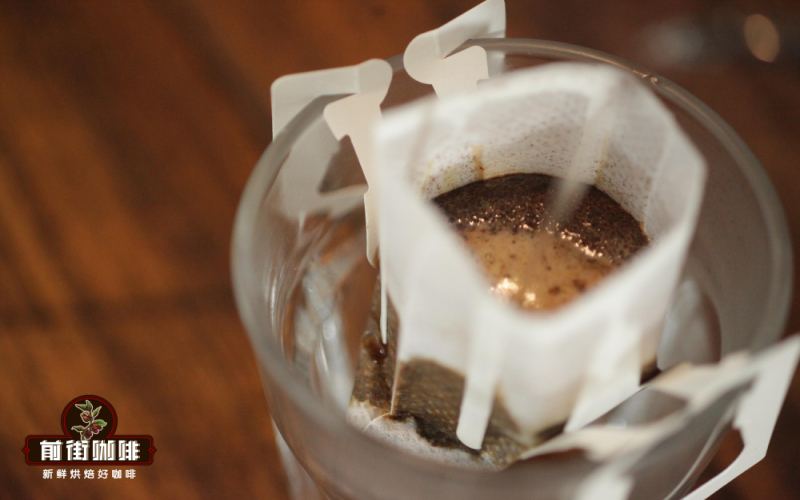
How to brew drip bag coffee for the best taste? An analysis of the features, correct steps, and number of brews for filter-style drip bags
As a portable drip coffee, drip bag coffee has become a daily choice for many coffee lovers thanks to its freshly ground, additive-free nature. However, many people confuse it with instant coffee, or make mistakes during brewing such as directly soaking it or repeatedly brewing it. This article will start from the essence of drip bag coffee, compare it with instant coffee, explain the correct brewing steps and coffee-to-water ratio in detail, and explain why drip bag coffee is only suitable for brewing once. The article will also recommend several distinctive drip bag products from Front Street Coffee based on different flavor preferences. [more…]
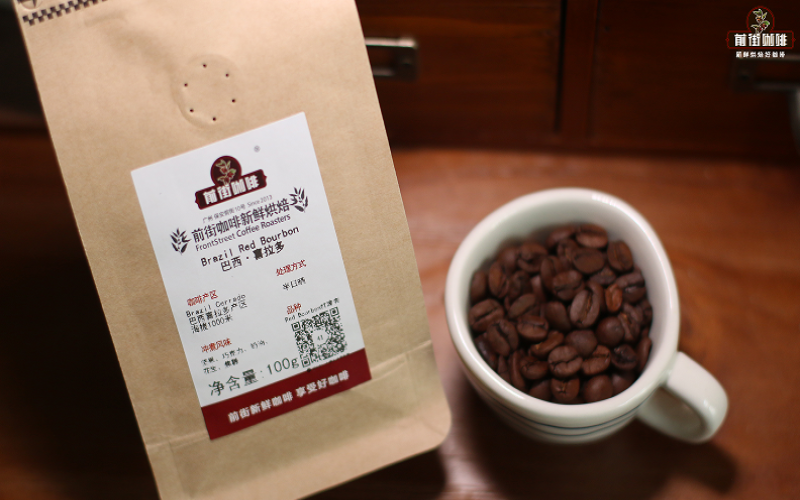
Drip Bag Varieties | What is the brewing method for Brazilian Red Bourbon drip bag coffee? What are the key points for brewing filter-style drip bag coffee packs? Drip bag coffee brand recommendations
Nowadays, more and more people have developed the habit of drinking coffee every day. But for those who don't work at a coffee shop, how can they enjoy coffee anytime? That's when the baristas at Front Street Coffee (FrontStreet Coffee) brought out drip coffee bags! Today, Front Street is here to share Front Street Coffee (F [more…]
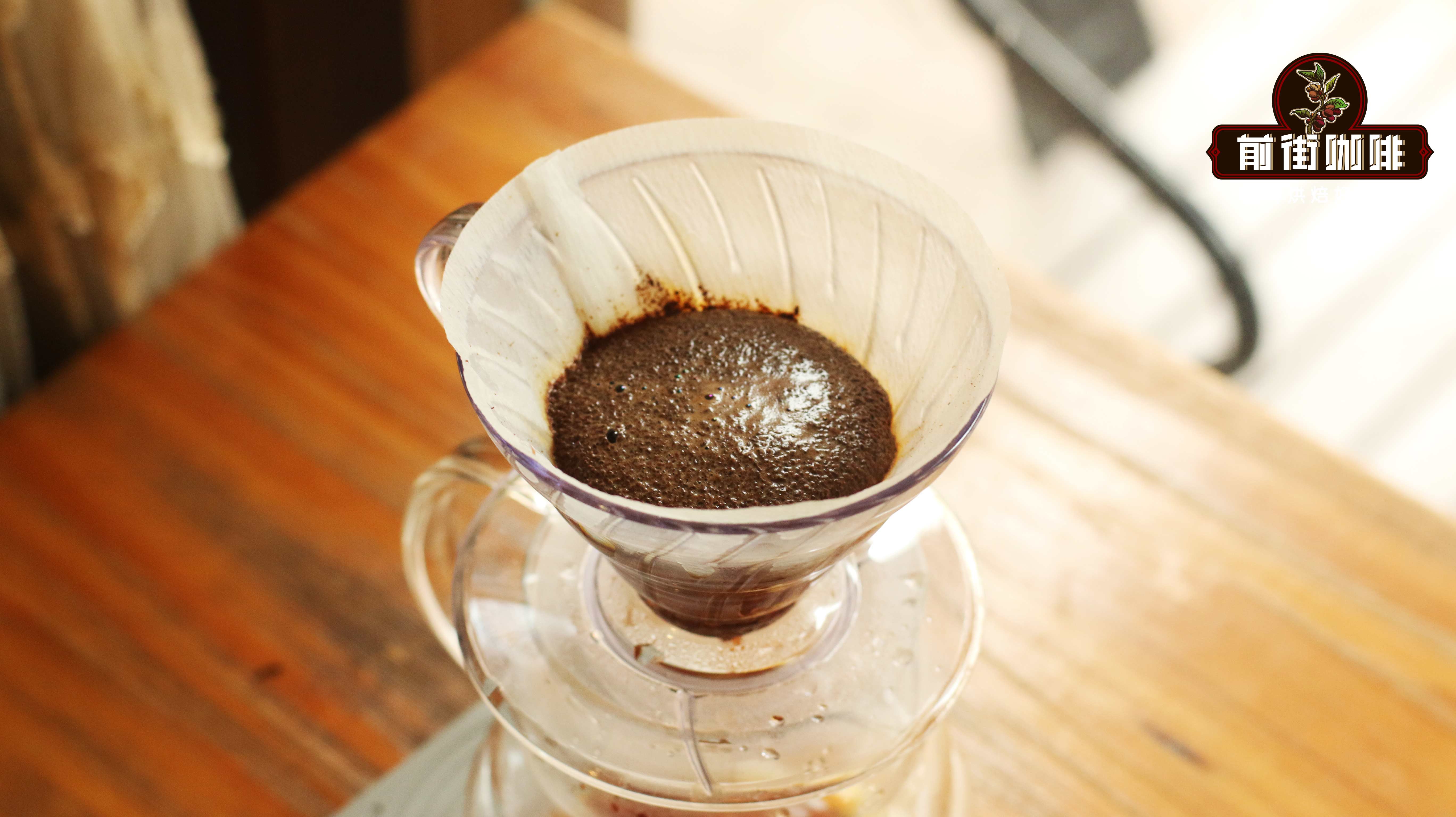
Clever Cup Brewing Method | Does the Clever Cup need blooming when steeping coffee grounds? How can coffee beginners make Yirgacheffe pour-over black coffee with the Clever Cup?
For more specialty coffee knowledge, please follow: Front Street Coffee (Frontsteet Coffee). When making pour-over coffee, we usually perform the bloom first, which is especially common in filter-style brewing methods. So, is a bloom still necessary in immersion-style coffee extraction? [more…]
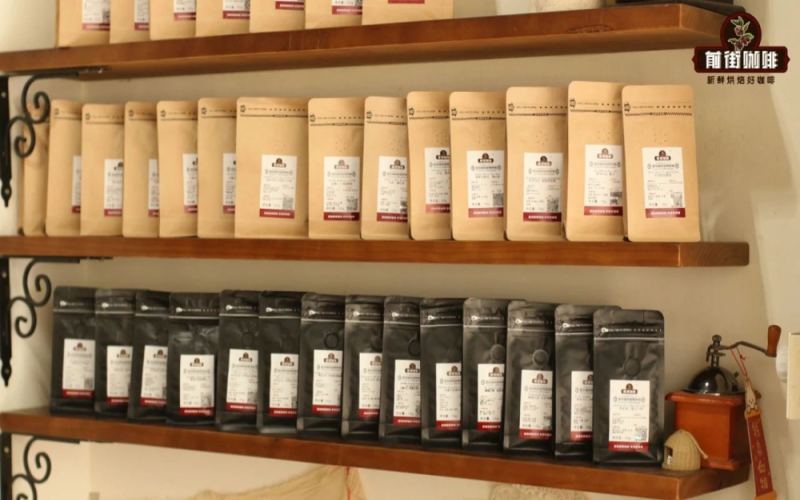
How to Choose Beans for Pour-Over Coffee Beginners? A Detailed Explanation of the Difference Between Single-Origin and Blends, Plus Three Representative Front Street Beans Including Indonesian Mandheling
To get started with pour-over coffee, the first step is to figure out which beans to use. Coffee beans are broadly divided into two categories: single-origin and blends. The former is better suited to filter-style pour-over, while the latter is mostly used for pressurized espresso extraction. For those just getting into pour-over, Front Street recommends starting with three representative coffee beans: Colombia Front Street Huila, Indonesia Front Street Mandheling, and Ethiopia Front Street Yirgacheffe. These three beans correspond to three completely different flavor directions—nutty chocolate, spicy herbal, and floral-fruity aroma—respectively. Tasting them side by side allows you to directly feel the differences in acidity, balance, and bitterness, and makes it easier to find the flavor you prefer. This article introduces their characteristics one by one, as a reference when choosing beans. [more…]
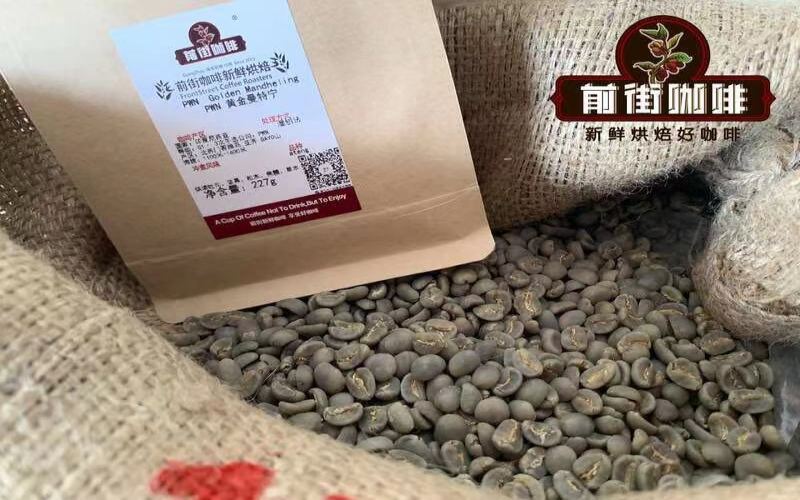
How to Choose Between Single-Origin Pour-Over Beans and Espresso Beans? SOE Flavor Characteristics and a Practical Guide to Blended Beans
Faced with coffee beans online ranging from 30 yuan to 300 yuan, from 100g to 1kg, along with all sorts of unfamiliar terms, many beginners often don't know where to start. In fact, coffee beans on the market are mainly divided into two major categories: single-origin coffee beans and espresso coffee beans. Single-origin beans emphasize the terroir characteristics of their producing region and are suited to pour-over and other filter-style extraction methods; espresso beans are made for espresso machines and are further divided into blends and SOE. This article will systematically sort out the differences between these two types of coffee beans, their respective taste characteristics, and purchasing considerations, and will combine them with Front Street Coffee's specific bean offerings to help coffee lovers make suitable choices based on their own needs. [more…]
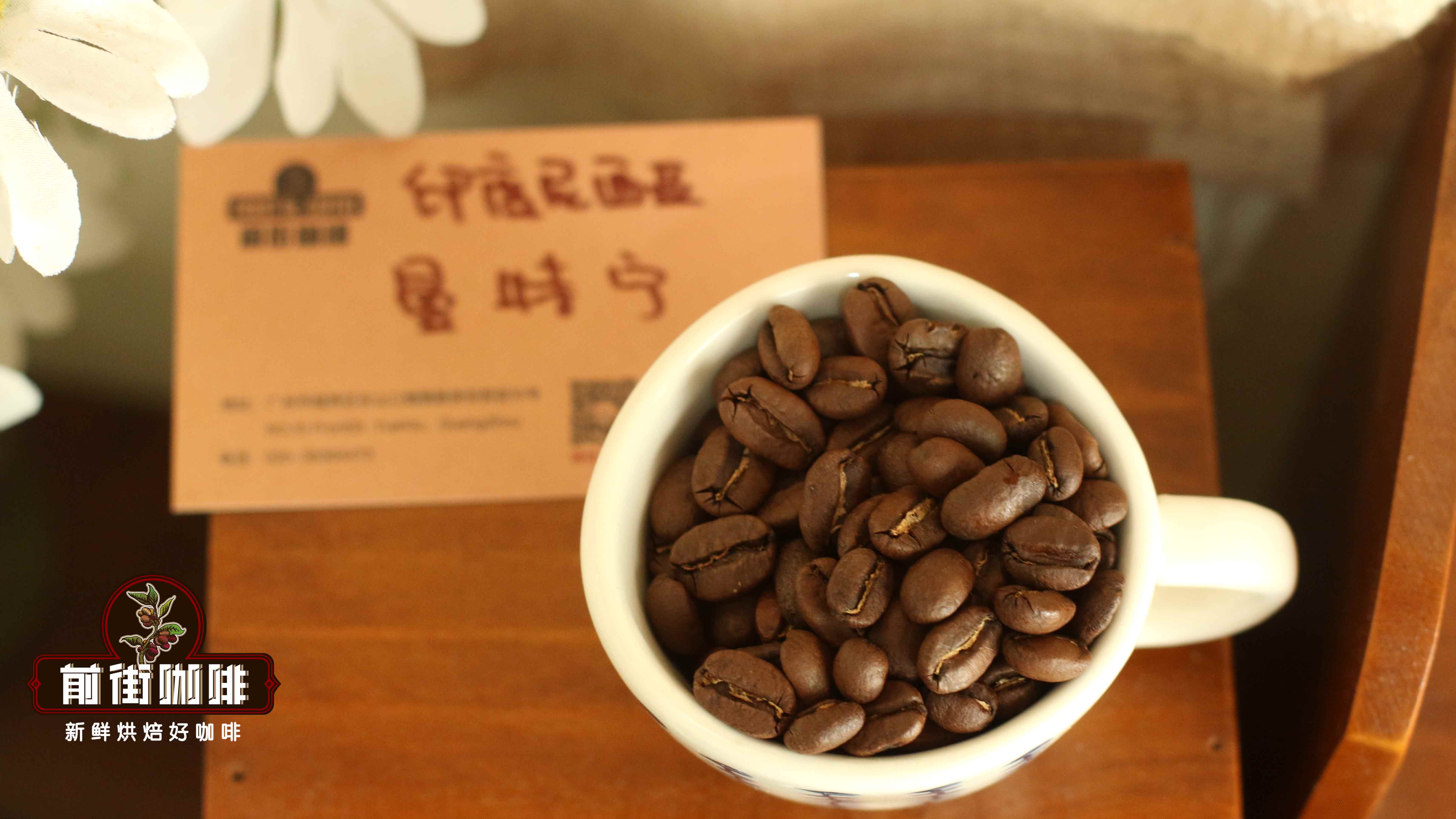
How to Choose Hand-Drip Coffee Beans? Flavor Comparison from Indonesian Mandheling to Front Street Coffee's Three Major Producing Regions
To experience the most natural flavor of coffee through pour-over, choosing the right beans is the first step. Coffee beans fall into two main categories: single-origin and blended. The former is better suited to filter extraction, and pour-over is a prime example of that. Starting from the differences in flavor, this article recommends three beans—Front Street Colombia Huila, Front Street Mandheling, and Front Street Yirgacheffe—corresponding to the acidic, medium, and bitter taste preferences respectively, making it easy for beginners to find the flavor they enjoy. The article also takes an in-depth look at the origin information, processing method, and flavor characteristics of Indonesian Sumatra Lintong Mandheling, and tells the historical story behind the name Mandheling. [more…]
How to Distinguish SOE from Pour-Over Single-Origin and Espresso Blend Coffee Beans: Price Ranges and Key Buying Tips Explained
Many friends who are new to coffee discover when shopping online that coffee beans range in price from just over thirty yuan to more than three hundred yuan, with packaging sizes from 100 grams to 1 kilogram, and the listings are full of all kinds of technical jargon. This article is organized around the two main categories—espresso beans and single-origin beans—explaining how single-origin beans express flavor by region along with common packaging sizes, introducing the difference between SOE and espresso blends, the pricing and consistency considerations behind blending, and offering buying guidance based on Front Street Coffee's specific bean offerings, to help coffee lovers find the right beans for their needs. [more…]
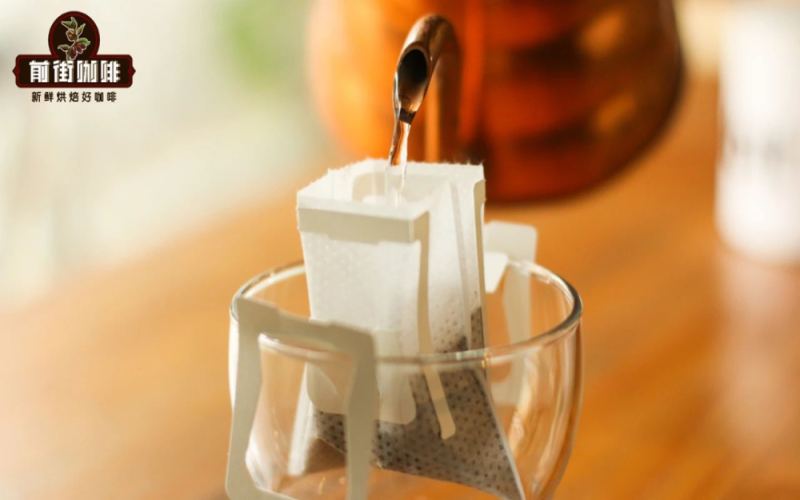
A Beginner's Guide to Drip Bag Coffee: An Analysis of Mainstream Flavor Types and Beginner-Friendly Brand Recommendations
Drip bag coffee, with its convenience of being ready to brew and drink instantly and its natural taste superior to instant coffee, is becoming the daily choice of more and more coffee lovers. To preserve the freshness of ground coffee, many brands adopt fresh-roasting and immediate packaging, high-purity nitrogen preservation, and fully automatic packaging processes, so that the aroma bursts forth the moment the bag is opened. Faced with a dazzling array of products on the market, beginners often do not know where to start. This article sorts out the core characteristics of drip bag coffee and selects four Front Street Coffee drip bag coffees, explaining each one from roast level to flavor, to help beginners follow the clues. At the end of the article, detailed drip bag brewing steps are also included, so you can easily brew black coffee close to cafe quality at home. [more…]
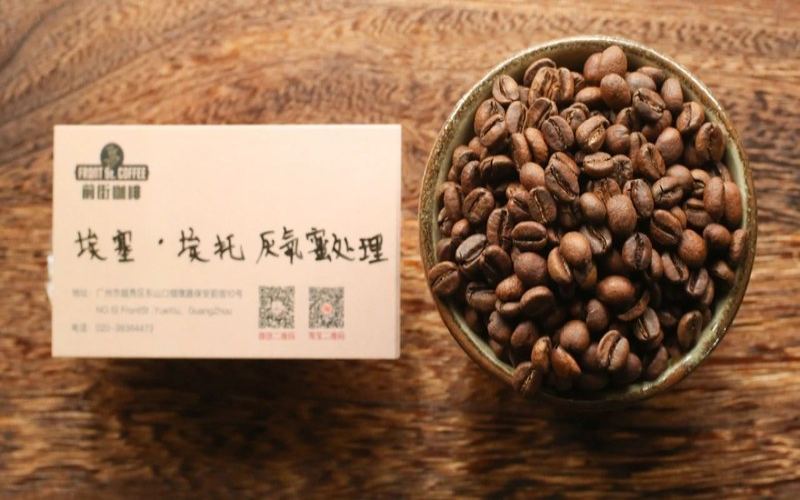
How to Choose Between Light, Medium, and Dark Roasts: Everyday Solutions with Three Great-Tasting Beans
If you want to drink coffee beans that suit your taste on a reasonable budget, roast level is a very practical starting point. Light roasts lean toward aroma and bright acidity, suited to those who want fruit, floral, and tea notes; medium roasts more easily balance sweetness, body, and smoothness; dark roasts put cocoa, nuts, and roasted notes at the forefront. First, figure out which kind of cup you prefer, [more…]
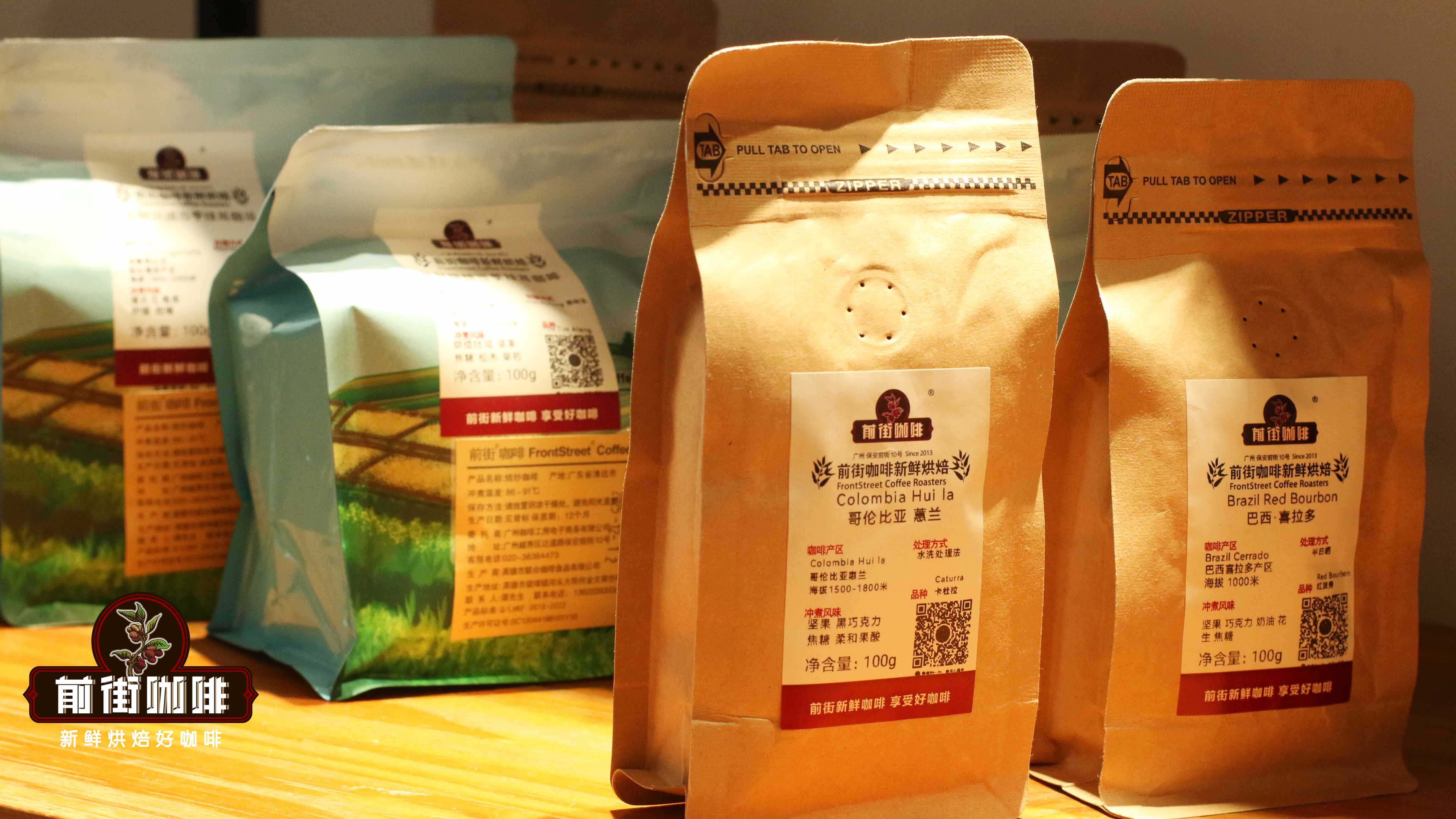
Imported Hand Grinder Coffee Beans Recommendations | How Do the Requirements for Coffee Beans Differ Between Pour-Over and Espresso? Which Specialty Coffee Beans Are Tasty, Affordable, and Perfect for Beginners?
1. What coffee beans should be used for pour-over coffee? Coffee beans fall into two categories: single-origin and blended. Single-origin coffee beans and blended coffee are suited to different coffee-making devices. To break it down systematically, single-origin coffee beans are suitable for the filtered pour-over brewing method, while blended coffee beans are suitable for pressurized [more…]
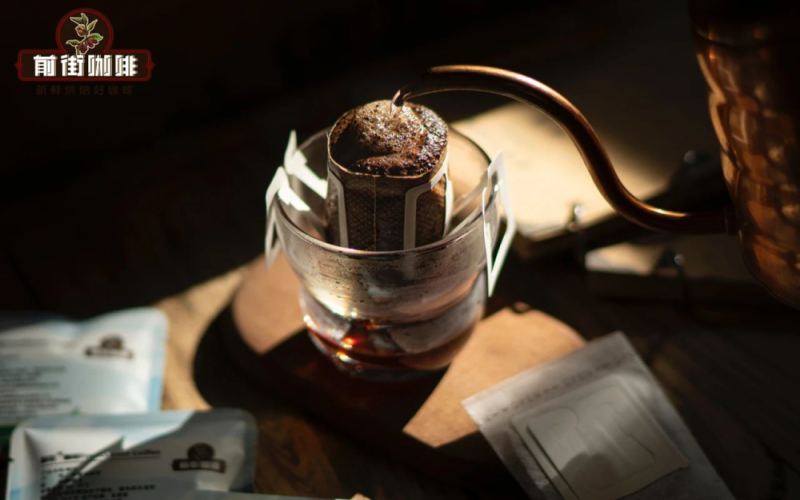
How to brew drip bag coffee so it tastes good? Front Street teaches you the correct brewing steps and the best flavor period analysis.
Drip bag coffee may seem simple, but brewing a delicious cup involves attention to water temperature, pouring technique, and the timing of when you drink it. In this article, Front Street Coffee will combine three drip bag products—Yirgacheffe Gutingting, Brazil Queen's Estate, and Sidamo Huakui—to explain in detail the correct brewing process for filter-style drip bag coffee, and answer common questions such as how long a drip bag can be stored after opening and the best time to drink it. At the same time, we will also help enthusiasts understand the flavor differences among different drip bag coffees from the perspectives of coffee bean processing methods and regional flavors, making everyday brewing more consistent and more delicious. [more…]
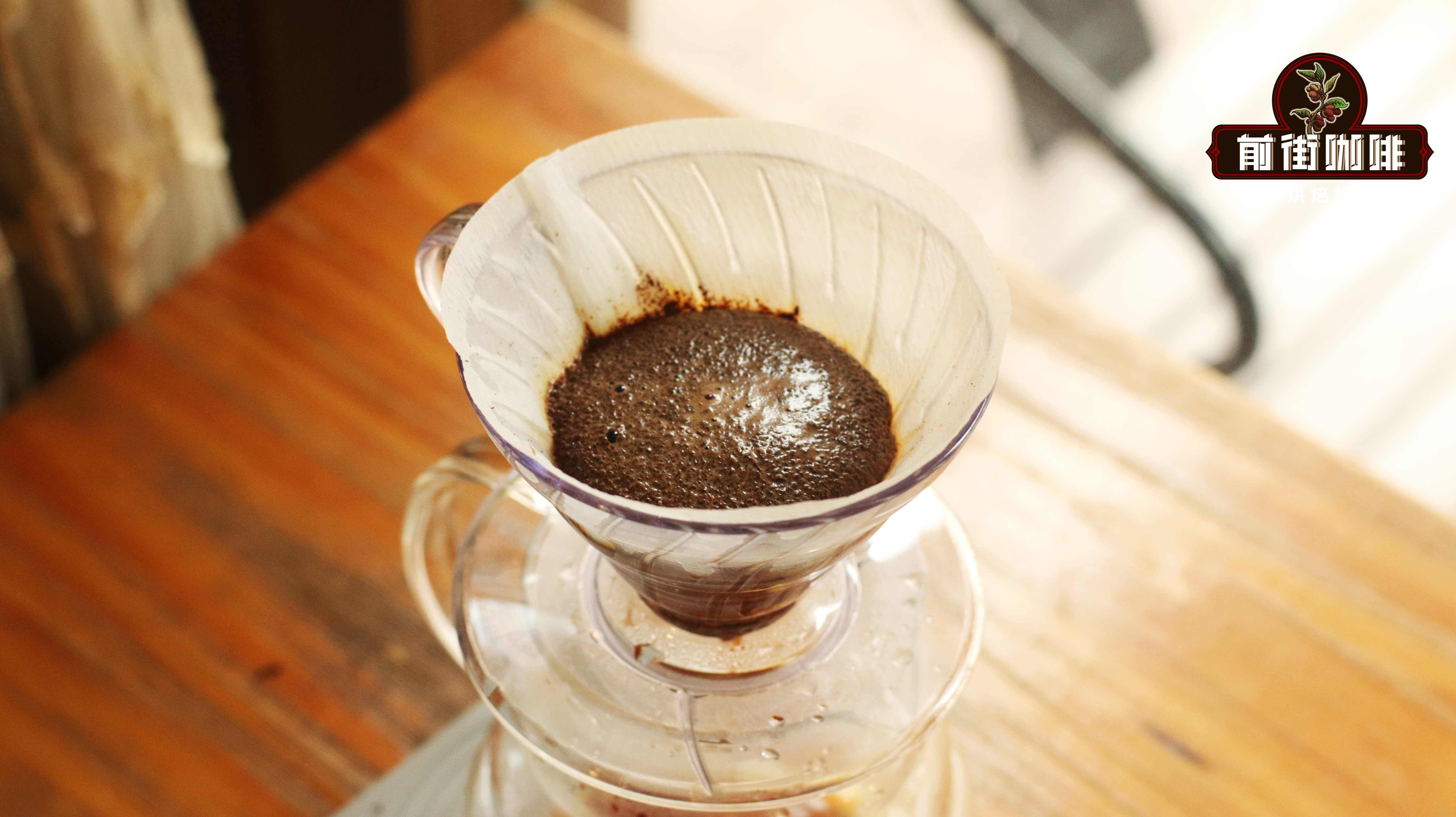
Does Clever Cup brewing require pre-infusion? A complete analysis from the principles of blooming to practical parameters
In the pour-over coffee process, blooming is almost an indispensable step, but when we switch to an immersion-style brewer like the Clever Cup, is it still necessary to keep this step? This article will start from the mechanism of blooming, and combine a comparative experiment using two beans—Front Street Coffee Ethiopia Yirgacheffe Red Cherry and PWN Golden Mandheling—to separately test the effects of blooming and direct pouring on the final flavor. Through detailed records of parameters such as grind size, water temperature, and coffee-to-water ratio, as well as a specific comparison of concentration and mouthfeel, we will help you understand what role blooming actually plays in immersion extraction and offer optimization suggestions worth trying. [more…]
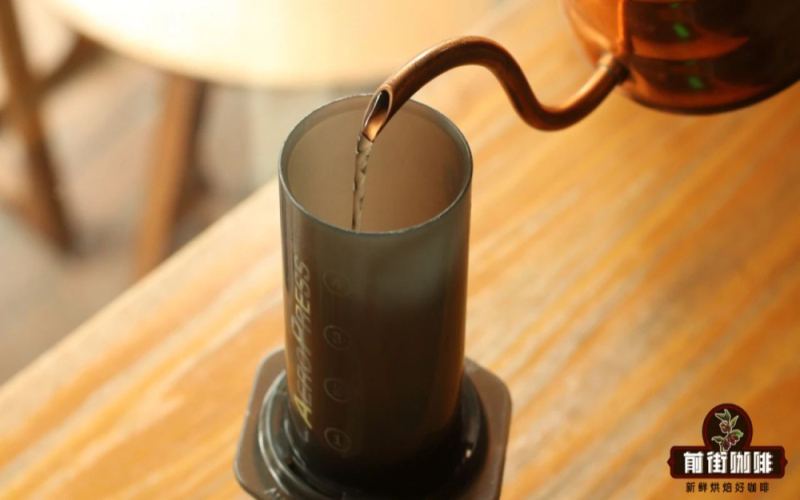
AeroPress Inverted Method Practical Tutorial: A Comprehensive Guide to Suitable Bean Types, Extraction Principles, and Flavor Performance
The AeroPress is a highly flexible and versatile coffee brewing device with no rigid rules or restrictions, which is precisely why the World AeroPress Championship came into being. It combines three principles: French press immersion, pour-over paper filtration, and espresso-style pressure extraction, producing a cup that is rich, clean, and smooth. This article will start from the extraction principles, flavor performance, and device structure to explain in detail what kind of coffee the AeroPress is suited for, and share Front Street Coffee's complete parameters and steps for making AeroPress coffee using the inverted method, helping enthusiasts quickly get started with this "all-purpose" device. [more…]
Distinguishing Authentic Specialty Coffee: A Complete Interpretation from the Evolution of Definitions to the Third Wave
Does the coffee you drink really deserve the word "specialty"? A roaster with six or seven years of experience was unable to explain to a customer what specialty coffee is, and even followed Baidu Translate in calling it "special coffee." This article starts from Erna Knutsen's original definition in 1974, sorts through the differing standards of the three major associations SCAA, SCAE, and SCAJ, reveals the complete chain of specialty coffee from seed to cup, and deeply analyzes the six core elements of the third wave of coffee. Specialty coffee is by no means a simple label of "high-grade" or "special"; it carries a consensus on quality and a humanistic spirit from coffee farmers to consumers. [more…]
AeroPress Inverted Brewing Guide: How to Make a Full-Bodied Cup of Coffee with AeroPress
The AeroPress is famously known in coffee circles as the "all-purpose" brewing device, with a flexible and varied operation and almost no rigid rules to follow. It combines three principles: French press immersion, pour-over paper filtration, and espresso-style pressure extraction. It can produce both a rich, full-bodied taste and a clean, refreshing flavor profile. This article uses inverted pressure extraction as an example to break down the AeroPress operation steps and parameter settings in detail, and shares the Huila bean brewing recipe recommended by Front Street Coffee, helping beginners get started quickly and consistently produce a delicious cup of coffee full of nutty aroma and rich body. [more…]

How to Adjust Espresso Grind? A Practical Guide to Judging Grinder Fineness from Extraction Time
Got an espresso grinder and espresso machine, but always stuck at the espresso dialing-in step? Either it sprays everywhere or nothing comes out, either it's too sour or too bitter. The problem often lies in the grind size. Espresso is a pressurized fast extraction, releasing a large amount of aromatic compounds within twenty to thirty seconds, so any subtle change gets amplified. Relying on the grinder setting alone is far from enough—you also need to judge based on the extraction state. This article, drawing on Front Street Coffee's daily production experience, explains how to quickly find the right grind range for a bag of beans through extraction time, brew ratio, and flavor performance, and provides fine-tuning directions and practical advice. [more…]
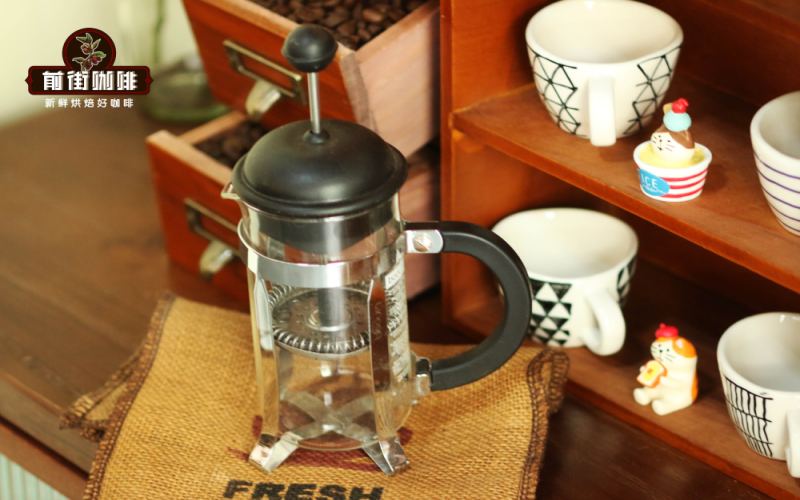
How to Brew Coffee with a French Press: A Detailed Guide to Coffee-to-Water Ratio, Grind Size, and a Six-Step Process
The French press is regarded by many coffee enthusiasts as the top choice for a beginner's brewing device thanks to its simple operation and consistent results, but when it actually comes to putting it into practice, details such as the water-to-coffee ratio, grind size, and steeping time often leave people scratching their heads. Drawing on the practical experience of Front Street Coffee, this article systematically sorts through the origins and extraction characteristics of the French press, focuses on answering the common question of how many milliliters of water should be paired with 30 grams of coffee grounds, and provides a complete six-step method covering everything from bean selection and grinding to pressing and pouring. It also compiles the pitfalls to watch out for, such as grind size control, preheating the carafe, and pressing speed, to help you consistently brew a full-bodied, smooth French press coffee at home. [more…]
Mandehling Coffee Pour-Over Guide for Beginners: Coffee-to-Water Ratio, Blooming Techniques, and Golden Mandehling Brewing Guide
Mandheling coffee is famous for its rich, full-bodied taste and intense aroma, combining soft acidity with a deep, lingering bitterness, and is regarded by many enthusiasts as one of the most romantic coffees. This article is aimed at coffee lovers who want to easily recreate the flavor of Mandheling at home, breaking down in detail the simple equipment needed for pour-over, the key points for selecting coffee beans, and the complete process from grind size and water temperature control to the three-stage pouring technique. It especially shares the recommended coffee-to-water ratio and blooming time for Golden Mandheling, along with practical tips for reducing acidity and stabilizing flavor. Whether you are a beginner just getting into pour-over or a seasoned enthusiast looking to refine your skills, you will find operational details you can put to use right away. [more…]