





Where Does Java Coffee Come From and How Does It Taste?
Java coffee comes from the Indonesian island of Java, one of the country's long-established growing areas. Indonesian beans are usually split into single-origin and blended coffee beans. Single-origin lots suit filter brewing such as pour-over, while blends are mostly built for pressure-extracted espresso, though manual brewing can handle them too with decent results.
For pour-over, three directions cover most taste preferences: a Colombian Huila lot with nutty and chocolate notes and mild acidity, mandheling with prominent bitterness, full body, and spicy herbal notes, and a Yirgacheffe with bright fruity acidity and floral aroma. Sumatra Lintong Mandheling also carries a naming history worth knowing when comparing origins.
If you want to experience coffee's most natural flavors through pour-over, choosing the right beans is the first step. Coffee beans fall into two main categories: single-origin and blends, with the former being better suited to filter extraction—pour-over being a prime example. This article starts from flavor differences and recommends three beans—Front Street Colombia Huila, Front Street Mandheling, and Front Street Yirgacheffe—corresponding to the acidic, medium, and bitter taste preferences respectively, making it easy for beginners to find a flavor they enjoy. The article also takes an in-depth look at the origin information, processing methods, and flavor characteristics of Indonesian Sumatra Lintong Mandheling, and tells the historical story behind the name Mandheling.
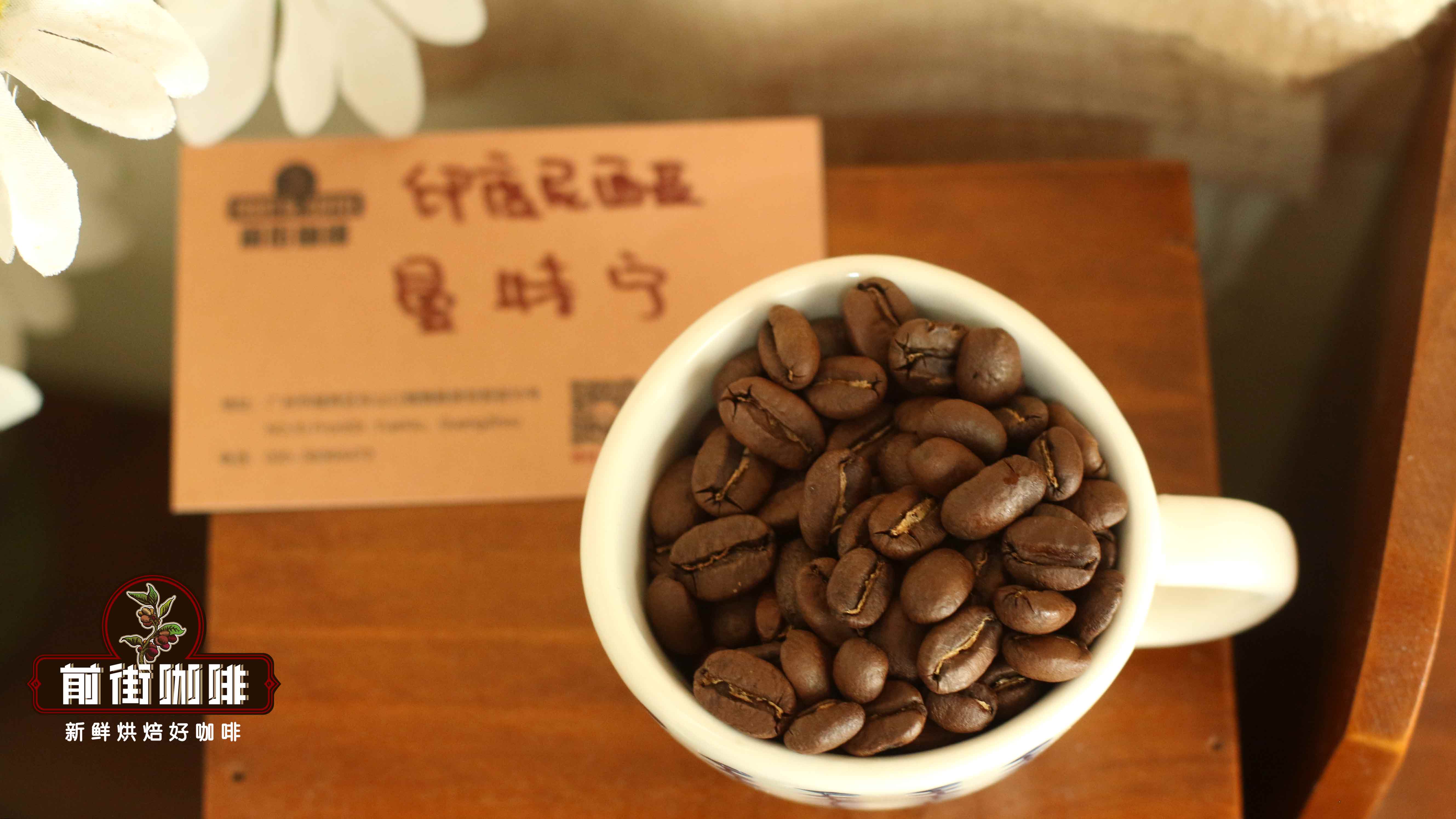
1. What coffee beans should be used for pour-over? Front Street Indonesian Mandheling, Sumatra Island
Coffee beans can broadly be classified into two categories: single-origin and blends. These two types of beans are suited to different brewing devices. If divided by system, single-origin coffee beans are better suited to filter-style extraction methods, while blended coffee beans are mostly used for pressure-extracted espresso preparation.
Pour-Over Coffee Bean Recommendations
Pour-over falls under filter-style extraction, so single-origin coffee beans are typically chosen. Of course, this is not an ironclad rule—manual brewing can also handle blended beans, and the resulting cup tastes quite good as well.
2. Pour-Over Coffee Bean Recommendations:
When it comes to choosing pour-over beans, you can try Front Street Colombia Huila, Front Street Mandheling, and Front Street Yirgacheffe. These three beans each represent a different flavor direction, and when tasted side by side, the differences come through very clearly.
1. Front Street Colombia Huila: Colombian beans are often categorized as neutral in flavor, dominated by nutty and chocolate aromas, with mild acidity and low bitterness.
2. Front Street Mandheling: Bitterness is relatively prominent, with acidity almost imperceptible (though not absolute, of course), high body, with spicy and herbal notes, and a flavor close to chocolate.
3. Front Street Yirgacheffe: Higher acidity, low bitterness, presenting bright fruity sweet-and-sour notes accompanied by floral aromas.
The above represents most coffee enthusiasts' most direct taste impressions of these three beans, so they are categorized by flavor into acidic, medium, and bitter types. If you're interested, why not try them one by one—you're sure to find the one that suits your taste.
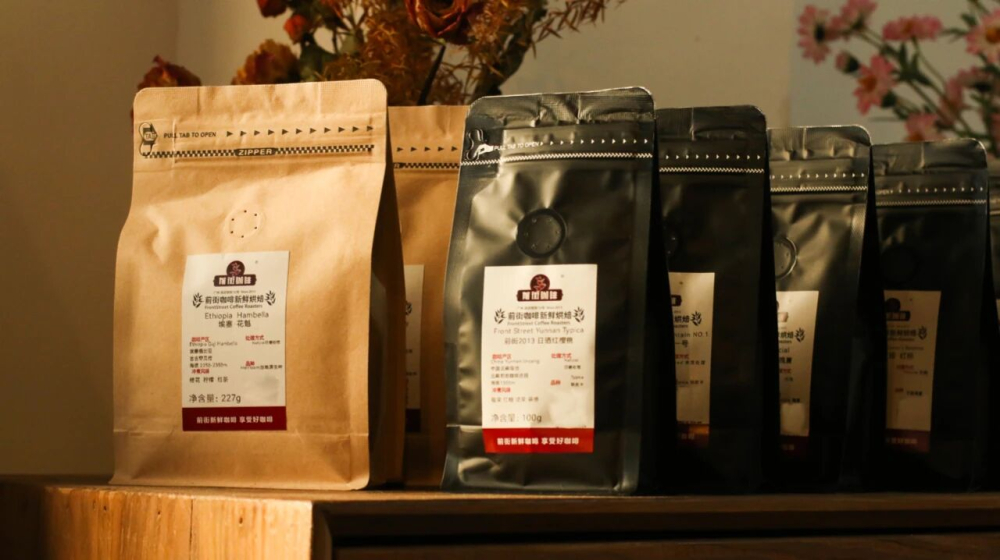
Product Name: Front Street Indonesia Sumatra Lintong Mandheling
Country: Indonesia
Grade: G1 · Triple Hand-Sorted
Region: Lintong, Sumatra Island
Processing Method: Traditional Wet-Hulled Process
Altitude: 1,100–1,600 meters
Flavor: Toasted bread, nuts, pine, caramel, herbs
The most famous coffee-producing regions in Asia are several islands in the Malay Archipelago: Sumatra, Java, and Kalimantan. Among them, Sumatra Mandheling coffee from the Indonesian island of Sumatra is especially renowned.
Mandheling coffee is grown in the areas around Lake Toba in North Sumatra Province and Lake Tawar in Aceh—what people commonly call the "Two Lakes, Two Mandhelings." What they share is a full body and mellow aroma; what differs is that Lake Toba Mandheling has a more subdued, low-key aroma, even with a hint of grass jelly flavor, while Lake Tawar Mandheling has brighter fruit acidity and occasionally reveals notes of cedar or wood.
During World War II, when Japan occupied Indonesia, a Japanese soldier drank an exceptionally rich and aromatic cup of coffee in a café and asked the owner for the name of the coffee. The owner mistook this for a question about where he was from and replied: Mandailing. After the war, the soldier recalled the "Mandheling" he had drunk in Indonesia and arranged for an Indonesian coffee merchant to ship 15 tons to Japan, where it became hugely popular. And so the name Mandheling spread.
The above content is compiled by CoffeeHunters, a coffee news website.


