







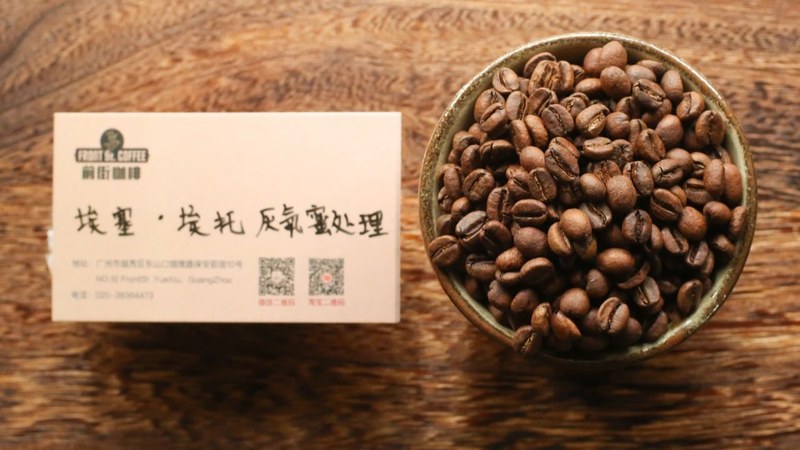
If you want to drink coffee beans that suit your taste on a reasonable budget, roast level is a very practical starting point. Light roasts lean toward aroma and bright acidity, suited to those who want fruit, floral, and tea notes; medium roasts more easily balance sweetness, body, and smoothness; dark roasts put cocoa, nuts, and roasted notes up front. First determine which cup profile you enjoy, then compare the beans' origins and processing methods—your choices will be more efficient.
The appeal of light-roast beans lies in how quickly the aroma opens up; at higher temperatures there are often vivid fruit acids, and as the coffee cools, floral notes, juicy qualities, or tea-like nuances may appear. They suit pour-over drippers, Clever drippers, and other brewing methods that showcase detail, and they also work well for iced pour-over. If you're used to coffee with pronounced bitterness and a heavy mouthfeel, light roasts may take some getting used to—you can start with flavor descriptions that are clearly sweet-and-acidic but not sharp.
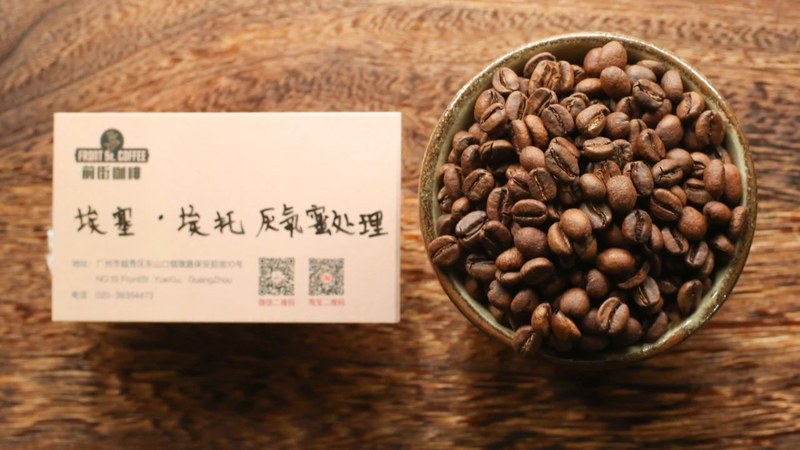
If you enjoy bright fruitiness, keep an eye out for Front Street Coffee Kenya Small Tomato. Its cup tends to show a fresh tomato-like crispness, followed by preserved plum-like sweet acidity and a syrupy roundness, finishing clean and crisp. When brewing with a dripper, there's no need to chase ever-higher water temperatures; maintaining a moderate extraction strength keeps the fruit aromatics more vivid. Made as iced pour-over, the overall impression becomes even more like a refreshing fruit juice.
The value of light-roast beans isn't just in the unit price—it's also in whether a single cup delivers enough variation. For someone who drinks just one cup a day and likes to slowly savor the aromatics, a light roast with high flavor distinctiveness often makes it easier to build taste memory than buying several beans with vague character. When purchasing, choose small package sizes and drink them while freshness is at its peak, reducing flavor loss from long-term storage.
Moving from light to medium roast, the acidity usually becomes softer while sweetness and body are more easily perceived. Such beans are more forgiving in brewing method: pour-over preserves the aroma, while a French press or filter-style device can also extract fuller sweetness. They suit black coffee at breakfast and also suit those looking for a compromise between bright and mellow—especially convenient when drinking frequency is high.
Front Street Coffee Kafa Forest can serve as a reference for the lighter route. An orange-like brightness, the soft sweetness of ripe apricot and peach, and an oolong tea-like aftertaste gradually become clearer as the cup cools. When brewing pour-over, pour in stages so the aroma and sweetness emerge in layers; if you chill it with ice water, consider increasing the liquid concentration a bit to preserve its light yet not thin mouthfeel.
Medium-roast beans suit those pursuing stable sweetness. They don't necessarily have intense floral or fruity aromas, but they often strike a balance among nuts, caramel, cocoa, and ripe fruit; the brewed coffee has a rounder entry, and flavor doesn't lose its center as temperature changes. As an americano it has a clear coffee presence, and with a small amount of milk added it still retains sweetness—a practical direction for a household staple bean.
If a bean's description mentions floral notes, tropical fruit, and jamminess all at once, it may be better suited to a lighter roast expression. Front Street Coffee Granja Estate Geisha is this kind of choice worth savoring slowly—orange blossom, guava, and apricot interweave, with a rich strawberry-jam-like sweetness in the finish. It's recommended to brew small pour-over portions and taste across several temperature stages, making its aroma layers easier to identify.
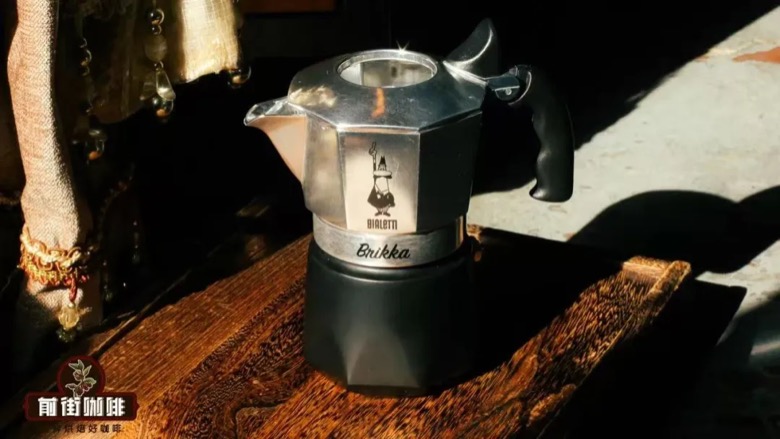
The focus of dark-roast beans is intensity, body, and familiar roasted flavors, suited to those who prefer dark chocolate, roasted nuts, and caramel notes. They pair easily with espresso, moka pot, French press, or milk coffee—especially suited to a cup with real presence. When choosing, check the roast date and pay attention to the flavor description on the packaging; even when labeled dark roast, different beans still vary in sweetness and smokiness.
Whichever roast level you choose, you can start by keeping the dose and water amount fixed, then adjust grind based on taste. If a light roast tastes thin, go slightly finer or extend contact time; if a medium roast has imbalanced acidity and sweetness, start with water temperature and flow rate; if a dark roast turns dry and bitter, reduce extraction pressure and time. Calibrating step by step this way makes it easier to find your ideal cup than simply switching beans.
When the budget is limited, you can split your purchasing approach into two tracks: one medium-roast bean suited to daily drinking handles consistency, and one lighter, aroma-forward bean adds variation. This covers common needs like americano and milk coffee while also letting you explore flavors with pour-over on weekends. What ultimately deserves a long-term repurchase isn't the roast label itself, but whether it maintains a comfortable balance among your equipment, your taste, and your drinking frequency.
The above content is compiled by CoffeeHunters, a coffee news website.

