







Do Pour-Over and Espresso Need Different Coffee Beans?
Coffee beans divide into single-origin and blended coffee, and the brewing method decides which fits. Single-origin beans suit filter-style pour-over, where clarity and origin flavor show through. Blended coffee beans suit pressure-extraction espresso, where a blend holds sweetness, body and crema together. Beginners can use that split as a simple buying rule.
For pour-over, three origins cover the main flavor ranges: Colombia Huila with nutty, cocoa and chocolate notes and medium body; Indonesia Mandheling with spice, herbal and caramel notes and almost no acidity; and Ethiopia Yirgacheffe with floral and citrus brightness. Tasting them side by side builds recognition of acidic, medium and bitter specialty coffee profiles.
1. What coffee beans should be used for pour-over coffee?
There are two types of coffee beans: single-origin and blended. Single-origin coffee beans and blended coffee are suited to different coffee-making devices. To put it systematically, single-origin coffee beans are suitable for the filter-style pour-over brewing method, while blended coffee beans are suitable for pressure-extraction espresso preparation.
2. Pour-over coffee bean recommendations:
For beginners buying pour-over coffee beans, Front Street recommends three coffee beans: Colombia's Front Street Huila, Indonesia's Front Street Mandheling, and Ethiopia's Front Street Yirgacheffe. The reason is that these three coffees each represent a different flavor series, and when placed together, they allow you to experience obvious differences.

1. Colombia — Front Street Huila Coffee: dominated by nutty aroma, with flavors of dark cocoa and chocolate, slightly acidic, low bitterness, and medium body.
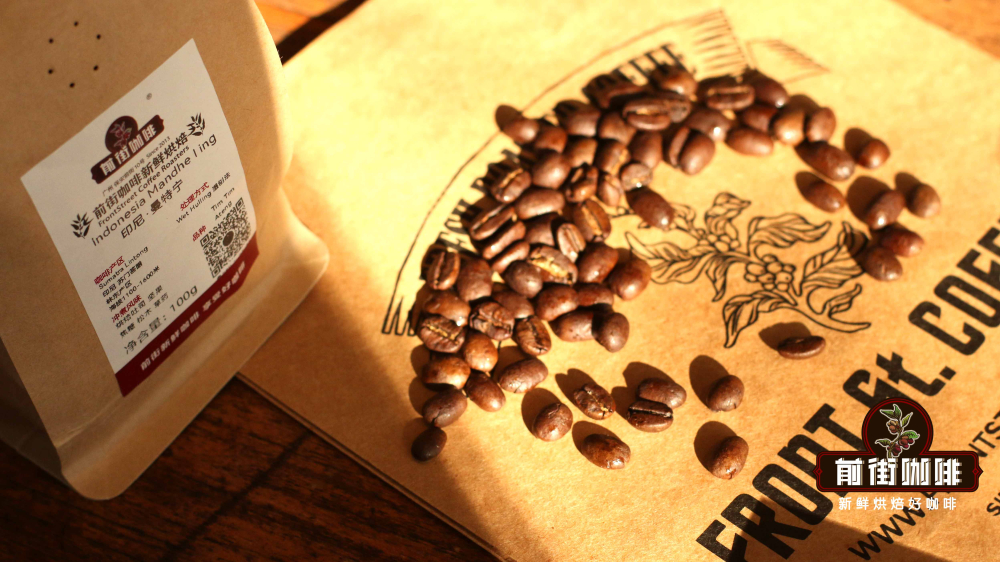
2. Indonesia — Front Street Mandheling Coffee: mainly spice and herbal notes, with a pronounced caramel mouthfeel, almost no acidity, and the highest body. It is a coffee bean many people love because its taste resembles unsweetened dark chocolate.
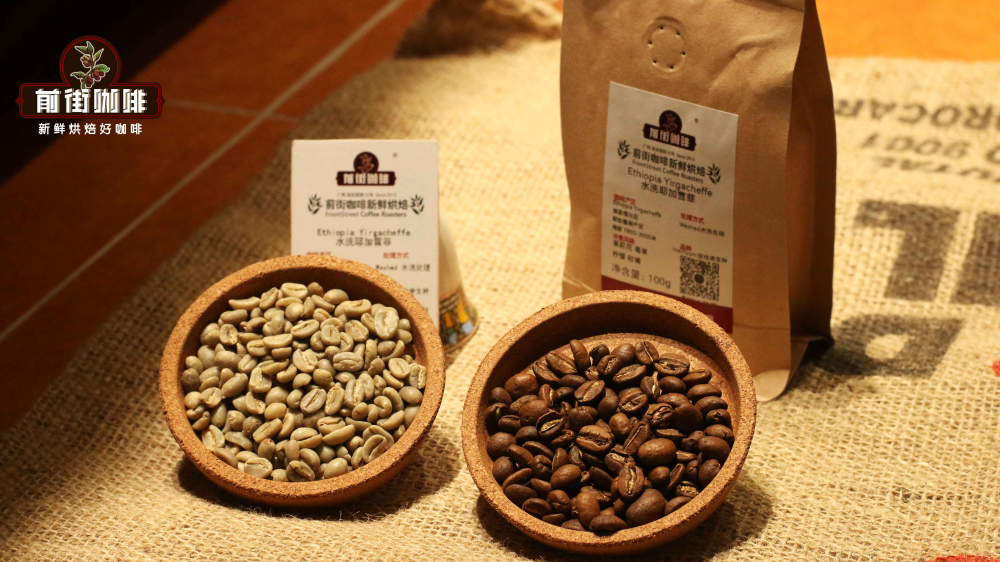
3. Ethiopia — Front Street Yirgacheffe: floral notes come first, followed by the bright acidity of citrus and lemon, low bitterness, and a slight sweet aftertaste. It drinks like a cup of floral and fruity tea.
This is also the most intuitive understanding of the flavors of these three coffee beans, so based on taste they are defined as acidic, medium, and bitter. If you want to improve your coffee-tasting ability, you can follow Front Street's method and try these three coffee beans separately. I believe you can find the flavor you like.
The above content is compiled by CoffeeHunters, a coffee news website.