







Search Results for: fermentation level
Taiwan Tieguanyin Oolong Tea and Phoenix Dancong Songzhong Baxian: An Analysis of Differences in Origin, Tea Tree Varieties, and Tea-Making Fermentation
Although Taiwan oolong tea and Phoenix Dancong both belong to the oolong tea category, they present completely different aromas and flavors due to differences in origin environment, tea tree varieties, production techniques, and fermentation levels. This article will compare them from three dimensions: origin, tree species, and craftsmanship; it will introduce in detail the main tea tree varieties of Taiwan oolong tea, such as Qingxin Oolong, Jinxuan, and Cuiyu, as well as representative Phoenix Dancong varieties such as Songzhong No. 1, Songzhong Baxian, and Ginger Flower Fragrance. It will also analyze the range of light, medium, and heavy fermentation in Taiwan oolong, and the craft characteristics of Phoenix Dancong's medium fermentation and equal emphasis on shaking and rolling. Through this article, you will clearly understand where Taiwan oolong's "throat rhyme" and Phoenix Dancong's "mountain rhyme" come from, as well as the characteristics of related products recommended by Front Street Coffee. [more…]

Flavor Analysis and Pour-Over Parameters Guide for Colombia San Caldas San José Estate Oak Barrel Fermented Coffee Beans
In the world of specialty coffee, barrel-fermentation processing has attracted much attention in recent years, and the pioneer of this technique was not Honduras' Moca estate, but rather El Finca San José in Colombia's San Caldas region. In a moment of inspiration, the estate's third-generation female owner placed green coffee beans into rum oak barrels for low-temperature fermentation. After repeated experiments, she ultimately created the distinctive rum barrel-fermented coffee. This article will guide you through the background of Finca San José, the birth of barrel fermentation, the origins of the Castillo variety, and Front Street Coffee's pour-over performance and brewing recommendations for this bean at different water temperatures, helping you gain a more comprehensive understanding of this uniquely flavored Colombian specialty coffee. [more…]
What's the difference between Tieguanyin and Red Oolong? Understanding everything from fermentation level and flavor to charcoal roasting features at a glance
Tieguanyin and Red Oolong both belong to the oolong tea family, yet due to differences in fermentation degree and tea-making craftsmanship, they present截然不同的 flavor profiles. This article approaches the comparison from three dimensions—sweetness type, level of fermentation, and tea liquor color and acidity—comparing the aroma, taste, and characteristics of the dry leaves and brewed tea of each, while also analyzing the unique growing conditions and production traditions of Taiwanese oolong tea. The article also introduces the origin of the name Tieguanyin and its cultivation situation in Taiwan, and recommends related products from Front Street Coffee for the reference of coffee and tea enthusiasts. [more…]
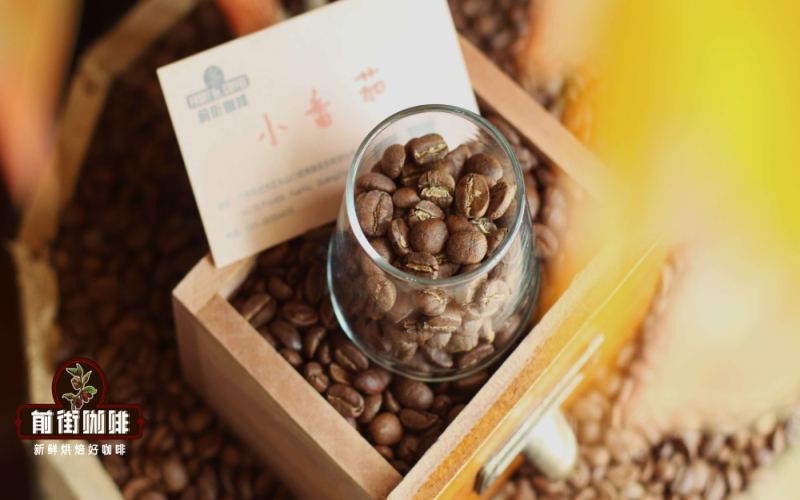
What coffee varieties are good to choose for Kenyan coffee? What roast level is suitable? Is lightly roasted Kenyan coffee really sour?
Kenyan coffee is renowned for its bright fruit acidity and soaring berry notes, which are inseparable from its unique varietal genetics and processing methods. This article will trace the origins of two legendary varieties, SL-28 and SL-34, analyze how Kenya's signature double fermentation washed method (K72) shapes a clean yet intense acidity, and discuss the suitable roast levels and brewing methods for Kenyan coffee. The article will also introduce the flavor performance of Asali Processing Factory beans at Front Street Coffee stores, as well as the specific parameters for Front Street Kenya Small Tomato coffee beans in iced pour-over, ice drip, cold brew, and other methods, helping coffee enthusiasts better understand and enjoy Kenyan coffee. [more…]
Analysis of the Flavor Characteristics and Pour-Over Parameters of Colombia Finca San José Oak Barrel Fermented Coffee Beans
In the specialty coffee world, barrel-fermented processing methods have attracted considerable attention in recent years, and the origins of this technique can be traced back to Finca San José in Colombia. The third-generation female owner of the estate was the first to try placing green coffee beans into rum oak barrels for low-temperature fermentation, pioneering a distinctive processing method. This article will provide a comprehensive introduction to Finca San José's regional background, the development of the Castillo variety, the specific process of fine washing combined with rum barrel fermentation, and compare its flavor differences with the barrel-aged beans from Finca Moca in Honduras. At the same time, Front Street Coffee will share the optimal extraction parameters and flavor performance of this bean through brewing experiments at three different water temperatures, helping coffee enthusiasts gain a deeper understanding of this unique Colombian coffee. [more…]
Panama Elida ASD Anaerobic Low-Temperature Slow Natural Geisha: Four Pour-Over Brewer Methods and Flavor Comparison
Front Street recently acquired a Geisha coffee bean from Elida Estate in Panama, processed using the NATURAL-ASD anaerobic fermentation low-temperature slow sun-drying method—the same process used for this year's Panama BOP champion Geisha in the processing category. After the beans were properly rested, we tested brewing with a hollow filter cup, Ice Eye filter cup, cake filter cup, and diamond filter cup, standardizing the parameters to 15 grams of coffee, medium-fine grind, 90°C water temperature, and a 1:15 coffee-to-water ratio, recording the extraction time and flavor performance for each filter cup. Elida Estate is renowned for its sun-dried processing, and this ASD Geisha shines in fermentation aroma, juicy mouthfeel, and layered tea-like notes. Below, we share four specific brewing recipes and comparison results for coffee enthusiasts' reference. [more…]
An In-Depth Analysis of Coffee Processing Methods: Fermentation Differences and Flavor Impacts of Washed, Natural, Anaerobic, and Honey Processing
Almost all coffee beans undergo fermentation before roasting, and different processing methods—washed, natural, honey, anaerobic, and so on—shape the coffee's aroma precisely by regulating the degree of fermentation. Natural and honey processes ferment more deeply, yielding richer flavors; washed coffees ferment less, giving a cleaner, purer cup; anaerobic or double anaerobic methods bring intense fruity and vinous notes. But processing mainly affects aroma—the acidity and bitterness of coffee are ultimately determined by the roast level. This article explains the differences among the various processing methods in detail and recommends the corresponding beans from Front Street Coffee's flagship store, helping you choose precisely according to your preferences. [more…]
Anaerobic Fermentation and Red Wine Processing: The Principles, Evolution, and Front Street Brewing Practices of Specialty Coffee Bean Processing Methods
In recent years, anaerobic fermentation and red wine processing methods have continued to gain popularity in the specialty coffee world. From the promotion by 2015 WBC champion Sasa Sestic to the early explorations of Costa Rican coffee farmers, these processing techniques, which draw on winemaking ideas, have brought coffee rich flavors such as strawberry jam, fermented wine aromas, and tropical fruits. This article systematically reviews the scientific principles of anaerobic fermentation, its essential differences from traditional processing methods, and the specific operational workflow of carbonic maceration. It also combines two representative beans from Front Street Coffee—Colombia Flower Moon Night and Panama Hartmann—to share roasting and brewing parameters, helping coffee lovers gain a deeper understanding of the core logic of this special processing method. [more…]

Kenya 72-Hour Washed Process Explained: Double Fermentation and AA-Grade Coffee Brewing Flavor Characteristics
Kenyan coffee is renowned for its vibrant acidity and clean cup profile, and its distinctive flavor is largely attributed to the iconic 72-hour washed processing method. Known as double washing, this technique uses two rounds of fermentation and two rounds of rinsing, allowing the coffee beans to shed their mucilage while boosting acetic acid concentration, thereby shaping an unforgettable fruity character and bright acidity. This article breaks down the complete process of Kenyan double fermentation in detail, explains why the total time can reach 48 to 72 hours, and introduces the AA grade classification standards. At the same time, using Front Street Kenya Small Tomato Coffee as an example, it shares practical parameters and flavor performance for hot pour-over, helping coffee enthusiasts gain a more comprehensive understanding of this bean's processing logic and drinking approach. [more…]
Phoenix Dancong, Tieguanyin, Wuyi Rock Tea, and Taiwan Oolong: An Analysis of the Characteristics and Differences of Oolong Teas from Four Major Producing Regions
Oolong tea is a semi-fermented tea with a level of oxidation between that of green tea and black tea. Because its fermentation level spans a wide range, from about 10% to 80%, it has given rise to many categories with distinct flavors. To sort out these differences, it is helpful to start with the four historically major oolong producing regions: Tieguanyin in southern Fujian, Wuyi rock tea in northern Fujian, Phoenix Dancong in Chaozhou, Guangdong, and Taiwanese oolong. Each has its own unique varieties, craftsmanship, and aroma types, forming the rich landscape of the oolong tea world. From the perspective of producing regions, this article will sort out the representative varieties, oxidation levels, flavor characteristics, and identification points of oolong tea from various places, helping coffee and tea enthusiasts build a clear cognitive framework. [more…]
A Complete Guide to Costa Rica Baja Coffee Flavor Analysis and Raisin Honey Processing Brewing Techniques
Among the Costa Rican Musician Series, the Bach coffee bean stands out with its unique raisin honey processing method, displaying intense fermented aromas and rich sweetness, making it a favorite among many coffee enthusiasts. This article will start from the principles of raisin honey processing, thoroughly dissect the flavor characteristics of Front Street Coffee's Bach bean, and conduct brewing comparisons using the V60, cake filter, and ice-eye filter separately, recording the effects of different filter cups on flavor layers, balance, and mouthfeel, helping readers find the most suitable brewing method for themselves and fully appreciate the charm of this bean. [more…]
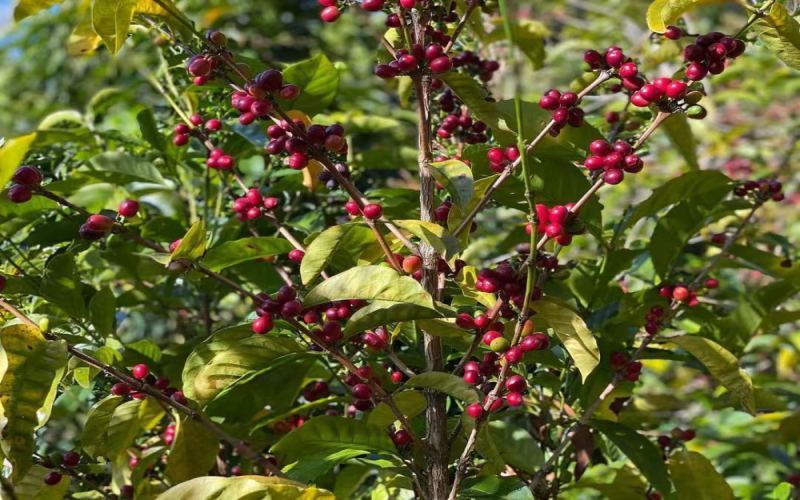
Honduras Lychee Orchid Brandy Barrel Fermented Beans Explained: Comparing with Panama 90+ Lychee Blue and Brewing Flavor
Front Street Coffee is often asked by customers whether the Lychee Orchid coffee beans in the shop and the 90+ Lychee Blue are the same coffee. In fact, the two are completely different in origin, variety, and processing method. Honduras Lychee Orchid is fermented in brandy barrels, presenting a rich vinous aroma and lychee sweetness; Panama 90+ Lychee Blue is a washed Geisha, with a flavor profile dominated by floral and citrus notes. This article will comprehensively analyze the flavor differences between these two coffee beans whose names differ by only one word, from origin background, variety characteristics, processing method differences, roasting curve comparison to brewing parameters, and share Front Street Coffee's practical experience and brewing suggestions. [more…]
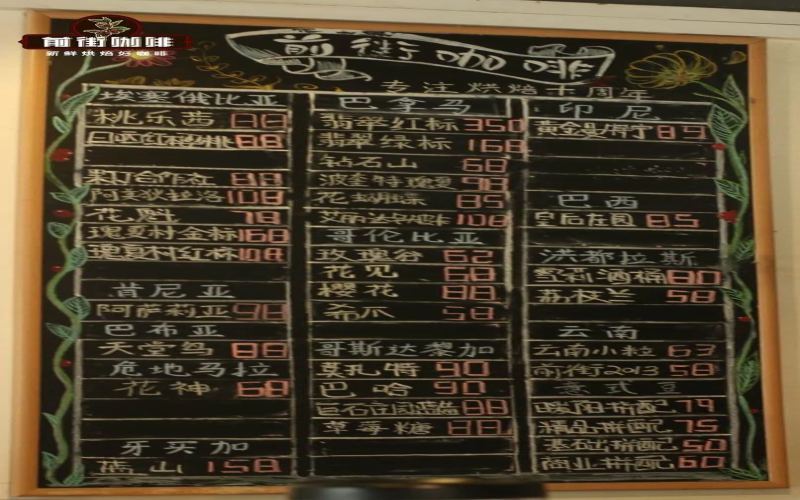
A Beginner's Guide to Pour-Over Coffee: Choosing Your First Beans by Origin, Processing Method, and Roast Level
Friends who are just getting into pour-over coffee often have no idea where to start when faced with the bewildering array of coffee beans on the shelf. Which country should they choose, which processing method, what roast level, and how should they match flavor descriptions? This article approaches the question from four dimensions—origin, processing method, roast level, and price—to help beginners narrow down their choices step by step and find an entry-level bean that suits them. It also uses product examples from Front Street Coffee to illustrate the flavor differences that different choices bring, making the path into coffee clearer and more worry-free. [more…]
An In-Depth Interpretation of Kenya's 72-Hour Double Washed Process: How K72 Processing Shapes the Tomato and Berry Flavors of Front Street AA Coffee
Kenyan coffee is renowned for its bright acidity and clean mouthfeel, with the K72-hour double washed method being the key to its flavor. This article provides a detailed explanation of this processing method's two fermentation and two washing stages, explaining how fermentation time control affects the coffee's acidity and cleanliness, and introduces the Kenya AA grading standard. At the same time, combined with Front Street Coffee's Kenyan Little Tomato coffee, it provides hot pour-over parameters and flavor descriptions to help readers understand the complete flavor logic from processing method to cup. [more…]
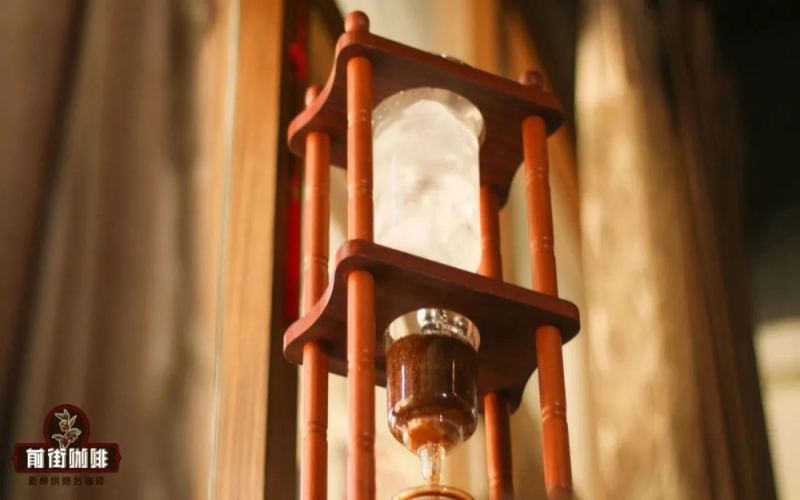
Which Beans to Choose for Cold Brew Coffee? A Full Analysis of Flavor Differences Across Roast Levels and Origin Selection
Cold brew coffee, with its refreshing taste and low acidity brought about by low-temperature slow extraction, has become a favorite among many coffee enthusiasts during the hot season. However, the long production cycle and limited yield make commercially available cold brew generally quite expensive. Coffee beans of different roast levels present entirely different flavor profiles under cold brew extraction—the fruity brightness and sweetness of a light roast, the balanced richness of a medium roast, and the fermented vinous notes of a dark roast each have their own following. This article will systematically sort out the approach to bean selection for cold brew coffee, from choosing roast levels and specific bean recommendations to grinding ratios and extraction key points, along with practical extraction tips, to help you find the perfect cup of cold brew for your taste. [more…]
The Flavor Code of Honduran Specialty Coffee Origins: A Complete Analysis of Sherry and Lychee Barrel-Fermented Beans
Driven by the third wave of coffee, barrel fermentation processing has become a highly anticipated innovative craft in recent years. Front Street Coffee's Honduras Sherry and Lychee Orchid barrel-fermented beans each impart unique wine aromas and layers to the coffee through whiskey barrels and brandy barrels, respectively. This article begins with the geography and varieties of Honduras's six major producing regions, outlines the development of its coffee industry and grading system, focuses on analyzing the principles of barrel fermentation and flavor differences, and provides a detailed record of the roasting curve comparison of Front Street's two beans, cupping performance, and flavor presentation in three brewing methods—V60, KONO, and Japanese-style iced pour-over—offering objective data references for coffee enthusiasts. [more…]
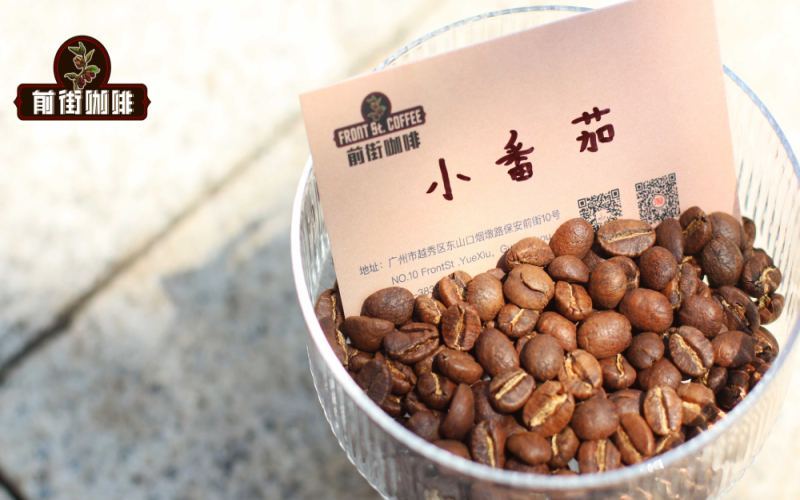
A Comprehensive Analysis of Kenya K72 Double Washed Processing: From Fermentation Process to SL Varieties and Flavor Origins
Kenyan coffee is renowned for its bright, clean acidity and deep berry flavors, and behind this lies the widespread use of the double washed process locally, with the K72 method being particularly iconic. From the perspective of Front Street Coffee, this article systematically outlines the complete process of the Kenyan-style 72-hour fermentation washed method, including the specific operations and roles of the two rounds of washing and fermentation; it also introduces Kenya's growing conditions, the origins and characteristics of the main varieties SL28, SL34, Ruiru11, and Batian, as well as the grading system for Kenyan coffee beans. At the end, it also includes the roasting curves, brewing parameters, and flavor descriptions for two Front Street beans, Kenya Small Tomato and Sachini PB, helping coffee enthusiasts fully understand the logic behind the formation of Kenyan coffee flavors. [more…]
A Complete Guide to Colombia Wine Process Coffee: From Fermentation Principles to Front Street Coffee Jiu Kui Brewing Instructions
The red wine process is an innovative green bean processing technique originating from Colombia that precisely shapes the acidity and sweetness of coffee through artificially controlled fermentation conditions. This article provides a detailed overview of the historical background, scientific principles, and specific operational procedures of this processing method, and takes an in-depth look at the origin information, flavor characteristics, and pour-over recommendations of Front Street Coffee's Colombia Nine Suns Red Wine Process coffee. Whether you want to understand the difference between acetic acid fermentation and lactic acid fermentation, or you are looking for a bean with prominent sweetness and elegant acidity, this content offers practical reference. [more…]
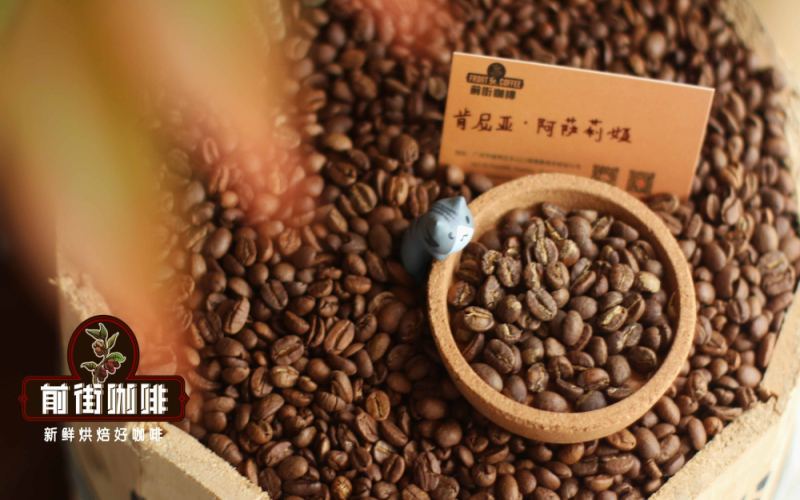
Where Does Kenyan Coffee Flavor Come From? A Full Breakdown of Varieties, K72 Double Washing, and Iced Brewing
Kenyan coffee is renowned worldwide for its bright, uplifting fruit acidity and full, berry-juice-like mouthfeel. The formation of this unique flavor is inseparable from the local high-altitude volcanic soil, the two major varieties SL-28 and SL-34, and the signature K72 double washed processing method. This article will systematically sort out the core characteristics of Kenyan coffee, from terroir and variety origins to processing techniques, roasting, and extraction, and introduce the flavor performance of several representative Kenyan beans available at Front Street Coffee shops. In addition, it will share three iced drink methods suitable for showcasing Kenya's acidity—ice hand pour, ice drip, and cold brew—to help coffee lovers who enjoy fruity acidity brew a refreshing and pleasant cup of Kenyan coffee at home. [more…]
A Complete Analysis of the Flavor Sources and Pour-Over Extraction Parameters of Honduras Sherry Coffee Beans
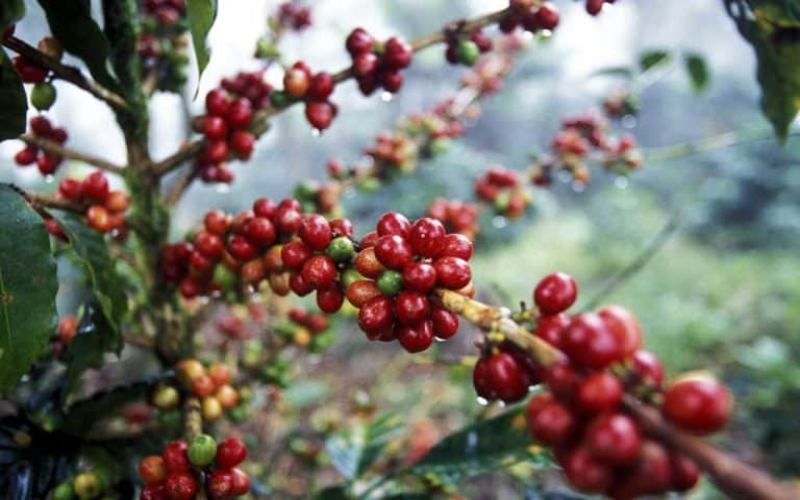
Honduran coffee has performed impressively in the international market in recent years, and among them, Sherry coffee beans stand out with their distinctive whiskey barrel fermentation process, presenting a pronounced fermented wine aroma and a creamy mouthfeel. This article begins with Front Street Honduras Sherry coffee beans, reviews the origin background and grading system of Honduran coffee, explains in detail how the barrel fermentation process imparts wine-like characteristics to the coffee beans, and provides the standard pour-over parameters and flavor description recommended by Front Street baristas. Whether you are drawn by the wine aroma in Front Street Americano or want to gain a deeper understanding of the ins and outs of barrel-fermented coffee, this article can provide complete reference information. [more…]