







Why Does Coffee Processing Matter for Flavor?
Nearly all coffee beans go through fermentation before roasting, and the processing method controls how deep that fermentation goes. Washed coffee ferments lightly and tastes clean and pure; natural and honey processed beans ferment longer and develop richer aromas; anaerobic processing pushes fermentation further, producing intense fruity and wine-like notes. Processing mainly shapes aroma, while acidity and bitterness still depend on the roast level.
After harvest, coffee cherries are dried, washed, or pulped so they become green beans ready for roasting. Fermentation, where microbes break down organic matter in aerobic or anaerobic conditions, is what turns processing into flavor. In practice, coffee aroma tracks fermentation depth: the deeper the fermentation, the stronger the aroma, until a distinctly wine-like fermented character emerges. That is why natural beans smell richer than washed beans.
Almost all coffee beans undergo fermentation before roasting, and different processing methods—washed, natural, honey, anaerobic, etc.—shape the coffee's aroma precisely by regulating the degree of fermentation. Natural and honey processing involve deeper fermentation, resulting in richer flavors; washed processing involves shallower fermentation, yielding a cleaner, purer taste; anaerobic or double anaerobic processing brings intense fruity and vinous notes. However, the processing method mainly affects aroma—the acidity and bitterness of coffee are ultimately determined by the roast level. This article explains the differences between processing methods in detail and recommends corresponding beans from the Front Street flagship store to help you choose precisely according to your preferences.
Friends often tell Front Street that they want to buy coffee beans without that intense fermented flavor reminiscent of wine. This idea actually involves a misconception—because before coffee beans become roasted beans, they basically all have to go through the step of "fermentation." As Front Street has mentioned many times, after coffee cherries are harvested, they need to undergo steps like natural drying, washing, wet hulling, and honey processing before they become green beans ready for roasting.
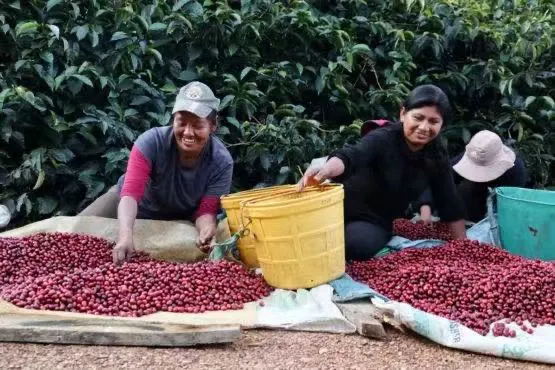
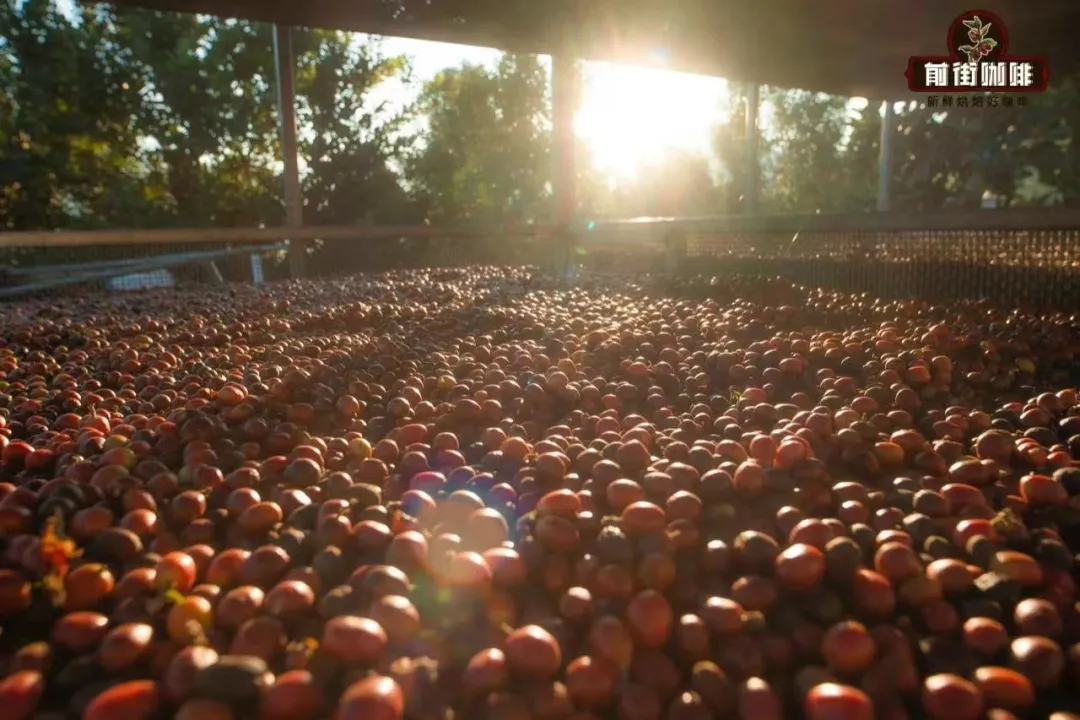
Originally, processing coffee beans was simply for drying and easy storage. But later people discovered that different processing methods cause coffee beans to develop completely different aromas, so some farmers began to study processing methods, trying to develop the flavors they wanted in the beans. The key to how processing affects flavor lies in fermentation—microorganisms break down organic matter into aromatic and other products in either anaerobic or aerobic environments. In daily life, bread, wine, soy sauce, and yogurt are all made through fermentation. So coffee processing can be simply understood as: drying the beans while allowing organic matter inside them to convert into aroma.
So why do different processing methods bring different aromas? Because the degree of fermentation differs. When comparing natural and washed beans, Front Street often says that natural beans have richer aromas because the fermentation is deeper; washed beans undergo less fermentation, so they taste purer and cleaner. In other words, coffee aroma is mainly determined by the degree of fermentation. The deeper the fermentation, the stronger the aroma; but beyond a certain point, a fermented flavor resembling wine emerges, and its intensity is likewise governed by how deep the fermentation goes.
If you don't want to taste that intense fermented vinous flavor, then as Front Street mentioned earlier, you can choose washed coffee, because washing won't over-ferment the beans; if you want a stronger taste but don't want the fermented aroma to be too heavy, you can choose natural or honey processing, which ferments deeper than washed but not excessively; and if you enjoy rich fruity notes and can accept fermented aromas, then your options are even broader—such as anaerobic or double anaerobic heavily fermented beans, which offer richer, more intense flavors and more striking expression.
You can find beans from all the processing methods mentioned above at the Front Street flagship store.
However, a reminder: the processing method mainly affects aroma, not taste. Whether coffee ultimately tastes acidic or bitter is mainly determined by roasting. The darker the roast, the less acidity is retained and the more bitter compounds are produced, making it taste more bitter; the lighter the roast, the more acidity is retained and the fewer bitter compounds are produced, making it taste more acidic.
- END -
The above content is compiled by CoffeeHunters, a coffee news website.


