







Is Lightly Roasted Kenyan Coffee Supposed to Taste Sour
Kenyan coffee is known for bright fruit acidity and lifted berry notes, and a light roast preserves that character rather than hiding it. The acidity comes from variety and processing: SL-28 and SL-34, both developed by Scott Labs in the 1930s, plus the double fermentation washed method known as K72, which produces a clean but intense cup.
Kenyan soil also matters. Its high phosphoric acid content is absorbed by trees descended from the Bourbon line that French and British missionaries helped cultivate in the early twentieth century. That combination of genetics and terroir is hard to reproduce elsewhere, and once the varieties were planted in Asia, the flavor shifted noticeably.
Kenyan coffee is known for its bright fruit acidity and lifted berry notes, which are inseparable from its unique variety genetics and processing methods. This article will trace the origins of the legendary SL-28 and SL-34 varieties, analyze how Kenya's signature double fermentation washed method (K72) shapes a clean yet intense acidity, and discuss the appropriate roast levels and brewing methods for Kenyan coffee. The article will also introduce the flavor performance of Asalia Processing Plant beans available at Front Street Coffee stores, as well as the specific parameters for Front Street Kenya Little Tomato coffee beans in iced pour-over, ice drip, cold brew, and other methods, helping coffee enthusiasts better understand and enjoy Kenyan coffee.
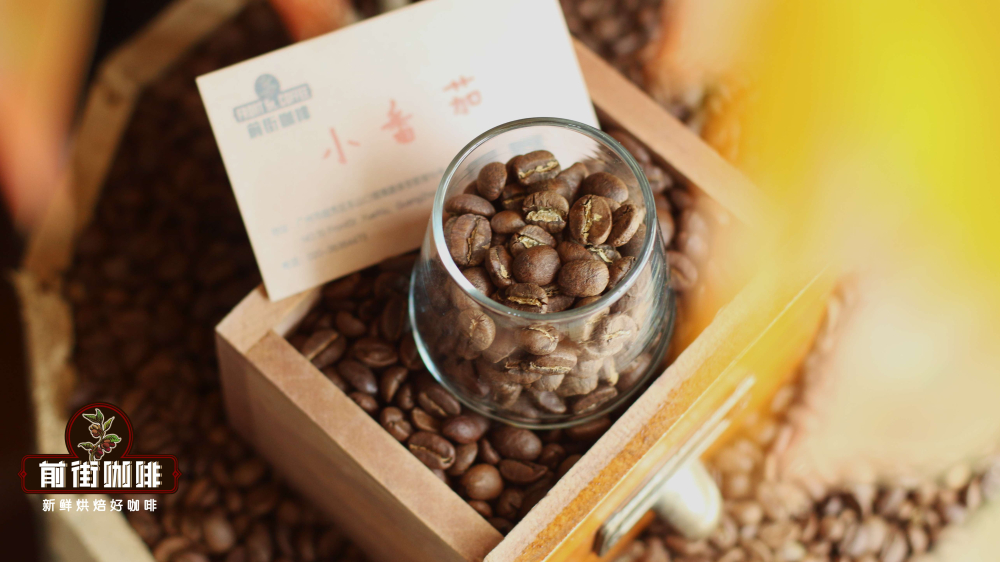
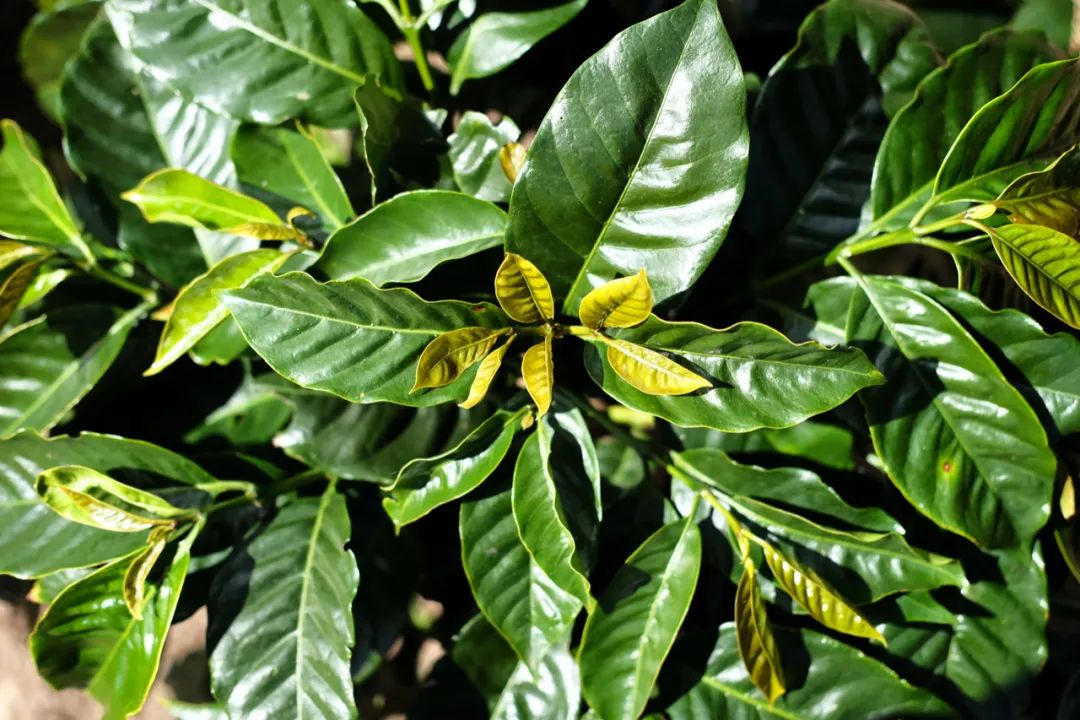
For more specialty coffee information, welcome to follow our WeChat public account: Front Street Coffee (FrontStreet Coffee). In the early twentieth century, French and British missionaries, together with researchers, screened and cultivated coffee tree species within Kenya, ultimately forming a direct branch of the Bourbon variety. After more than a hundred years of propagation, these trees have adapted to the high phosphoric acid content in Kenyan soil, giving rise to the unique acidic aromatic characteristics of Kenyan coffee beans, distinctly different from Bourbon beans of Central and South America. The finest Kenyan coffees almost all come from these two superior varieties; however, once introduced to Asia, the flavor shifts and it becomes difficult to reproduce the original character of Kenyan beans.
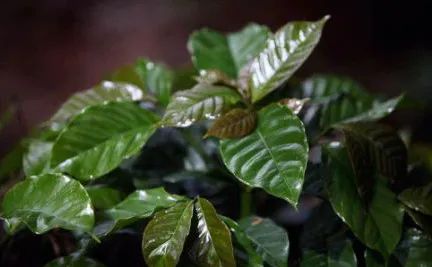
In the wave of specialty coffee, coffee varieties are regarded as a key factor determining the flavor in the cup. Kenya's unique character is inseparable from the SL-28 and SL-34 varieties. SL is the abbreviation for Scott Labs. In the 1930s, this laboratory was commissioned by the Kenyan government to conduct coffee breeding and classification research, with the goal of finding varieties that could adapt to Kenya's terroir, be suitable for large-scale cultivation, and possess commercial value. SL-28 and SL-34 are two of the many outcomes of this research.
Kenyan Coffee Kenya is located in the African producing region. High-quality Kenyan coffee beans almost all undergo washed processing, and careful roasting better releases the region's characteristic lemon, citrus, and grapefruit flavors, with a refreshing entry and a slight sweet-tart sensation.
Kenya has a unique processing method called "double fermentation washing," also known as "K72" washing, the core of which is that the coffee beans undergo two fermentations. The process roughly goes: first, float the coffee cherries, remove the pulp and place them in the upper fermentation tank to ferment overnight, then wash; next, move the parchment beans to the lower fermentation tank to continue fermenting for 36 hours, wash again, and finally sun-dry.
The double fermentation washing tanks are divided into upper and lower levels, corresponding to the first and second washes respectively. After harvesting the coffee cherries, defective fruits and insufficiently dense fruits are first removed, the skin is removed, and then they are poured into the upper fermentation tank to ferment; dry fermentation without tank immersion may also be used. Fermentation duration is affected by many conditions; the higher the ambient temperature, the faster the fermentation. After fermenting for a period, washing removes most of the pectin, then the beans are placed in the lower clean water tank for a second fermentation. It should be noted that during fermentation, the circulating water must be changed every few hours to prevent the coffee beans from spoiling and developing off-odors.
The coffee beans are washed with water again to remove residual pectin. The second fermentation plus rinsing takes a total of 36 hours, but the process is still not complete. If the coffee beans soak too long during fermentation, negative flavors will increase; once it exceeds 36 to 72 hours, over-fermentation may occur and fatty acids may be produced, making the coffee taste too sour. Therefore, this stage lasts approximately 12 hours or more, meaning that Kenya's full washing process requires at least 48 hours, and sometimes as long as 72 hours.
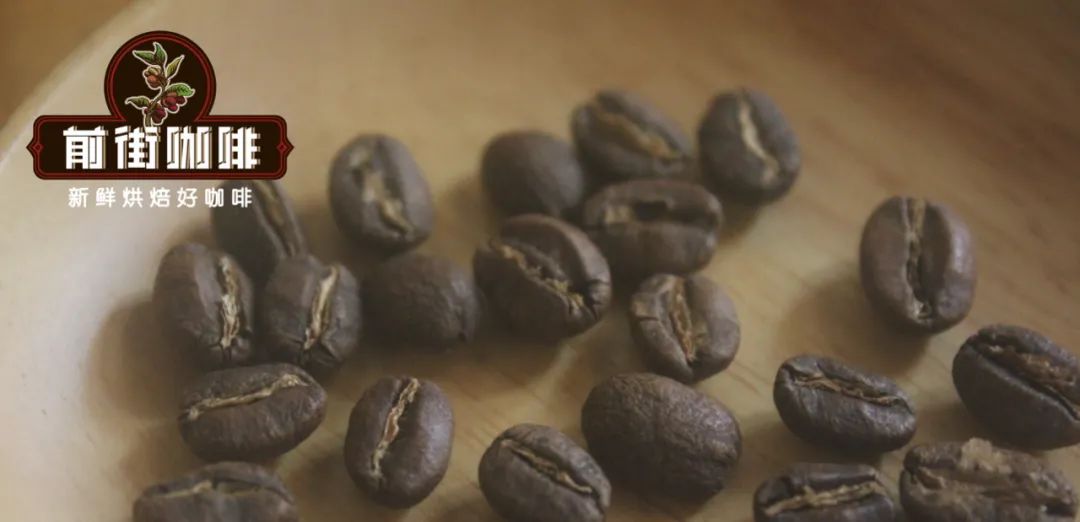
Kenya's unique double fermentation washed method further enhances the coffee's original acidity and cleanliness, because during the washing fermentation process, the acetic acid concentration of the coffee beans increases, thereby intensifying the flavor expression. Kenya's unique washing process, combined with appropriate roasting, can bring very distinct berry-type flavors. At Front Street Coffee (FrontStreet Coffee) stores, there is a coffee from Asalia Processing Plant that presents obvious notes of blackcurrant, grapefruit, and a slight cherry tomato character. The keynote of high-quality Kenyan coffee is mostly prominent acidity with lifted acidity.
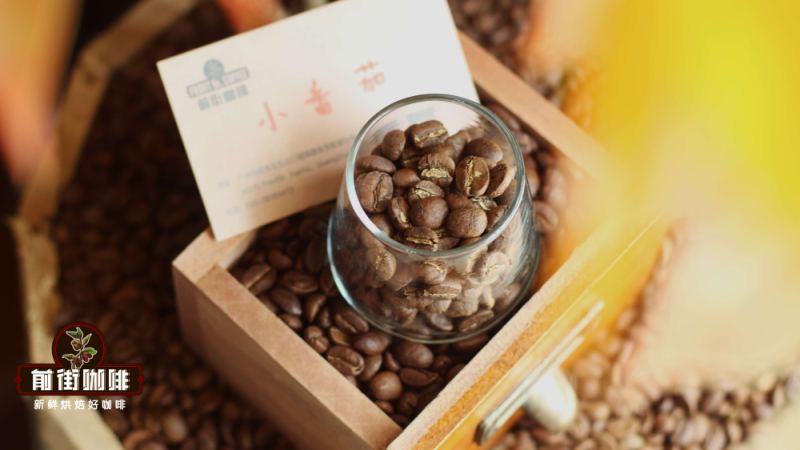
Kenyan Coffee Beans Which Coffee Are They Better Suited For? As mentioned earlier, high-quality Kenyan coffee mostly has pronounced acidity, lingering berry flavors, and lifted acidity, making it very suitable for enthusiasts who prefer coffee acidity. If you also like black coffee rich in fruit acidity, Front Street Kenya Little Tomato coffee beans are recommended. Because of its obvious acidity, Kenyan coffee is also very suitable for making iced coffee, such as iced pour-over, ice drip, or cold brew.
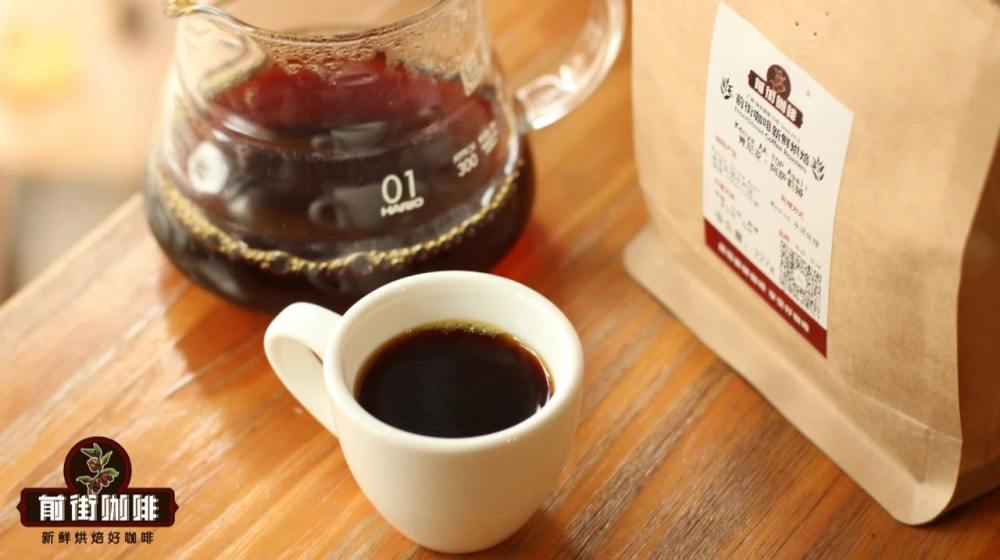
How to Brew Iced Pour-Over Coffee? Front Street Coffee (FrontStreet Coffee)'s iced pour-over approach is: first extract a low-ratio, high-concentration coffee liquid, then dilute it with ice cubes. Use 15 grams of coffee grounds, a coffee-to-water ratio of 1:10, water temperature of 91 degrees Celsius, and a medium-coarse grind (80% passing rate through a 0.85 mm sieve).
After extraction is complete, first pre-chill another server with ice cubes. After pre-chilling, discard the old ice cubes and add 100 grams of fresh ice cubes. The purpose of pre-chilling is to prevent the ice cubes from melting too quickly and avoid over-diluting the coffee's flavor. Then pour the extracted coffee liquid into the ice cubes and shake to mix. Cover the server with its lid, which both reduces the volatilization of aroma molecules and allows the coffee liquid to be poured out without ice cubes mixing in.
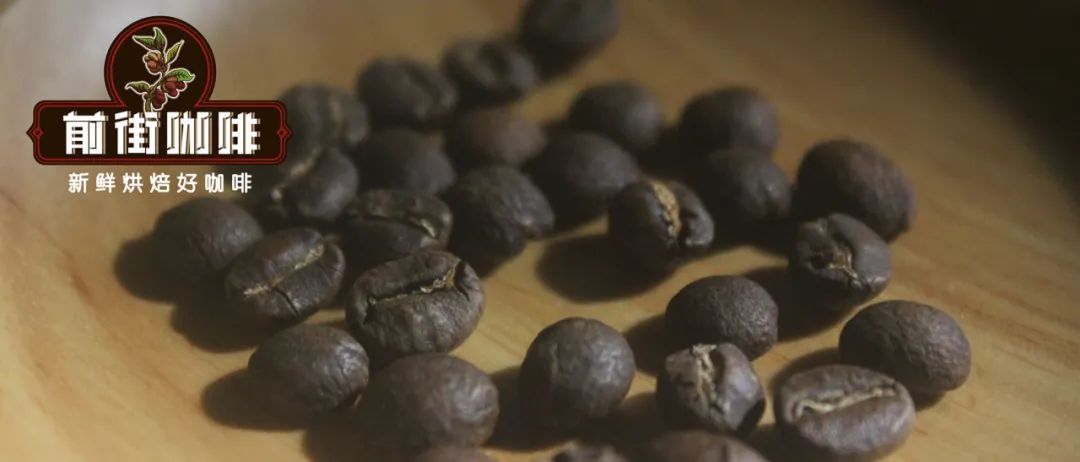
Because iced pour-over is a low-ratio extraction diluted with ice, the first sip has a higher concentration and a full, solid mouthfeel; as the ice gradually melts and dilutes it, the mouthfeel becomes smoother and more mellow, and the flavor shifts from complex to refreshing. How to Make Ice Drip Coffee? Front Street's ice drip plan is to use 60 grams of coffee grounds to extract 600 milliliters of coffee liquid, with a coffee-to-liquid ratio of 1:10. The water drip rate is about 3 drops per 10 seconds, and the upper chamber uses a mixture of ice and water as the water source. The extraction time is about 8 hours. After extraction, put the coffee liquid into a sealed bottle and place it in the refrigerator for 48 hours.
How to Make Cold Brew Coffee? Front Street's cold brew plan is to use 50 grams of coffee grounds, with a coffee-to-liquid ratio of 1:10, adding 400 milliliters of cold water and 200 grams of hard ice (a total ice-water mixture of 600 grams; the coffee grounds absorb water at about twice their own weight). Stir evenly, then seal and store in the refrigerator for 24 hours. Afterward, remove it, filter out the coffee grounds with filter paper, then put the coffee liquid into a clean sealed bottle and place it in the refrigerator for 32 hours.
The above content is compiled by CoffeeHunters, a coffee news website.


