







Search Results for: false marketing
Heytea's Fleshly Waxberry Returns but Gets Fined 450,000 for False Advertising, Shanghai Market Supervision Bureau's Action Sparks Discussion
Heytea's popular bayberry series has recently made a high-profile return, but its affiliated company was fined 450,000 yuan by the Shanghai Baoshan District Market Supervision Administration for advertising content that did not match the actual situation. The incident stemmed from a report half a year ago. After investigation, the product involved was found to have false publicity regarding the origin of raw materials, ingredients, and promised information. The penalty quickly trended on Weibo, sparking widespread discussion among netizens about the chaos in beverage industry advertising. This article will recount the course of the incident and explore the balance between corporate integrity and consumer trust in the new catering era. [more…]
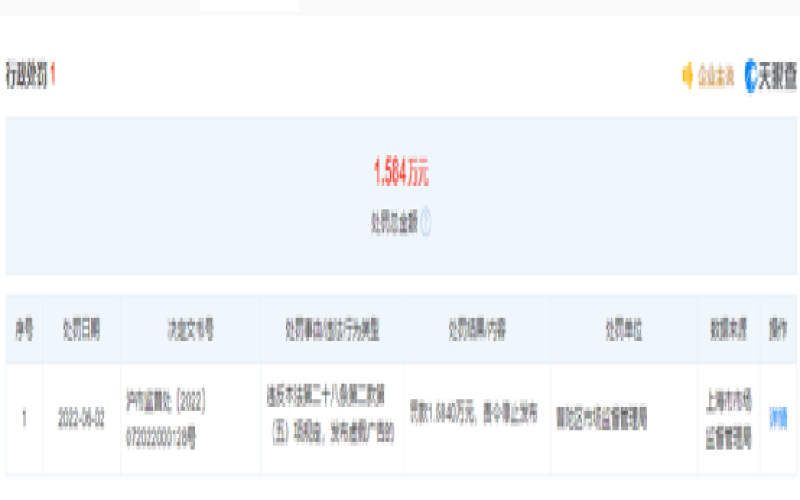
Nayuki Fined for False Advertising, New Tea Beverage Brands' Cultural Marketing Faces a Trust Test
Nayuki received a fine for a false advertisement regarding mulberry ingredients, drawing attention to its brand marketing methods. This is not the first time Nayuki has been embroiled in controversy; since its listing, multiple stores have been exposed or penalized for food safety issues. Meanwhile, Nayuki has been trying to connect with young consumers through cultural, artistic elements, and social marketing. From high-priced tea drinks to loss-making financial reports, to closing its largest store and establishing a new company, Nayuki is seeking a new path to survival. This article reviews the sequence of events, historical penalty records, and the multiple challenges the brand faces in marketing and operations, and explores the core of competition in the new tea beverage industry. [more…]
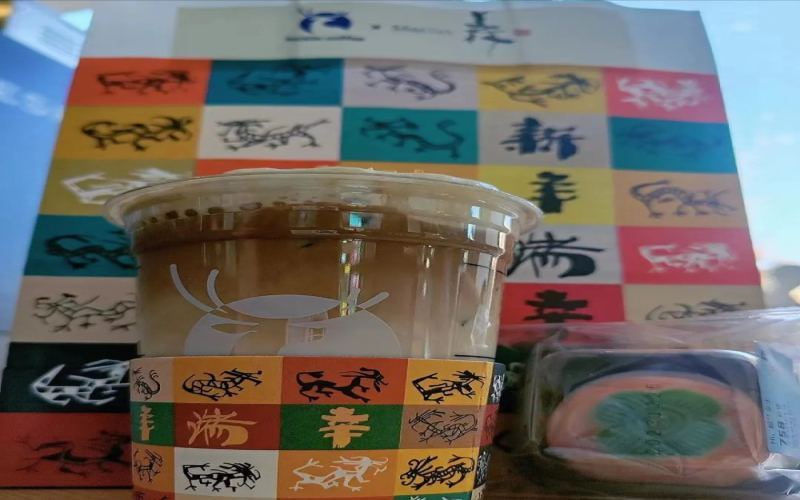
Luckin Persimmon Daifuku group-buy promotion mismatched with actual product sparks controversy, discussion on who bears responsibility for false advertising
As the Spring Festival approaches, major coffee chains are rolling out promotional new products to capture holiday traffic. After launching the Year of the Dragon sauce-flavored chocolate in a second collaboration with Moutai, Luckin Coffee quickly followed up with the Han Meilin co-branded New Year Red Dragon Latte and a matching dessert, Persimmon Daifuku. However, this dessert, which had been highly anticipated, drew complaints from consumers who said the group-buy advertising seriously mismatched the actual product, sparking heated discussion about false advertising and where responsibility lies. Some netizens argued that Luckin cannot escape blame for lax review, while others pointed out that the root cause is some group-buy bloggers using footage of other products to earn commissions. Behind the incident, the review mechanisms of brand marketing and the issue of consumer trust are worth pondering. [more…]
A takeout order screenshot claimed a 76-yuan delivery of 875 kilograms of Mixue Bingcheng drinks; after multi-party verification, it was confirmed to be false information.
Recently, a screenshot claiming that a delivery rider took an order for 1,750 cups of Mixue drinks with a delivery fee of 76.13 yuan and a total weight of 875 kilograms spread widely on social media and quickly trended on Weibo. However, after verification by multiple media outlets and relevant departments, the store address indicated in the screenshot does not exist, and two nearby Mixue stores both denied having received such an order. After an on-site inspection, the Market Supervision Administration of Xiang'an District, Xiamen, confirmed that the address is actually a hot pot restaurant. This massive delivery order that sparked heated discussion was ultimately confirmed to be false information. As coffee enthusiasts, Front Street Coffee reminds everyone to pay attention to verifying the source of information when following online hot topics. [more…]
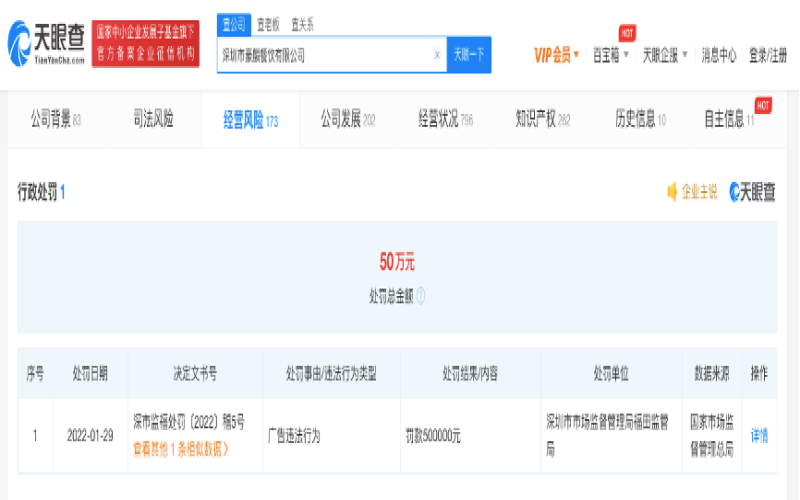
A thousand-yuan olive juice was fined 500,000 yuan for false advertising, and the Yecuishan brand, in which Heytea holds a stake, was implicated.
A glass of olive juice selling for 1,000 yuan once put the brand Yecuishan in the trending topics and also drew the attention of market regulators. At the end of 2021, this drink, which was claimed to be made with Golden Jade Sanian olives costing nearly 800 yuan per jin, was investigated by the Shenzhen Municipal Market Supervision Bureau because the actual purchase price did not match the promotion, and the company involved was ultimately fined 500,000 yuan. After Heytea invested in Yecuishan, it also faced questions from netizens. This incident not only exposed the chaos of pricing and promotion in the tea beverage industry, but also prompted people to think about the real cost and authenticity of so-called high-end products on the market. [more…]
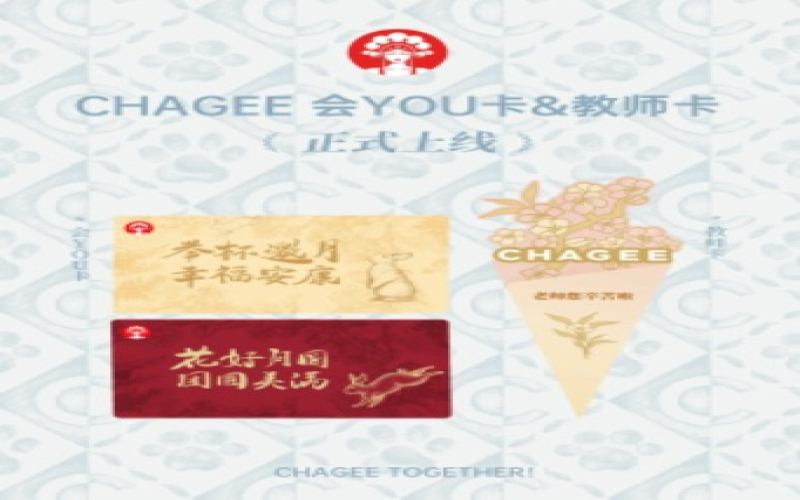
CHAGEE's Teachers' Day promotion has been criticized as false marketing, with teachers in multiple regions reporting they were unable to claim the benefits.
During the 40th Teachers' Day, Chagee launched an exclusive campaign called "Honor Teachers with Tea, Enjoy Tea on Us," originally intended to pay tribute to the teaching community and enhance brand goodwill. However, after the campaign was rolled out, it sparked widespread dissatisfaction among teachers: limited-edition cards at many stores were quickly claimed, and some stores did not participate in the campaign at all, causing many teachers to make a wasted trip. This article sorts out the specific rules of the campaign in various regions, teachers' real experiences of claiming the offer, and responses from the brand and store managers, to help you understand the ins and outs of this marketing controversy. [more…]
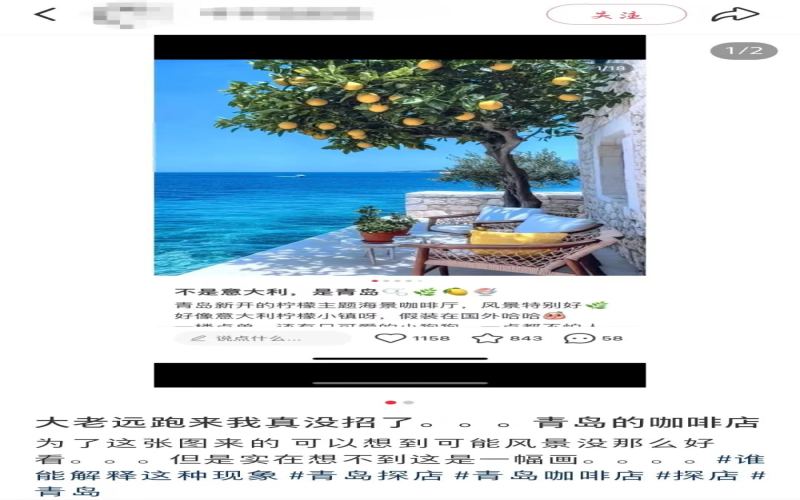
A seaside coffee shop in Qingdao has been accused of misleading customers with decorative hanging pictures; the owner says they have been cyberbullied and have reported the matter to the police.
Recently, a newly opened seaside coffee shop in Qingdao sparked controversy over a recommendation post featuring "lemon trees outside the window and the azure sea." Some netizens, drawn by the hype, visited the shop only to discover that the coveted sea view photo was actually a decorative painting hanging on the shop's wall. The recommendation post was accused of misleading consumers, and multiple accounts on social media platforms used similar images and text to recommend the shop, fueling speculation that "the shop was staging the whole thing." The owner responded that the recommendation posts were spontaneously published by customers, the hanging painting was just ordinary decor, and they never instructed anyone to take photos for promotion. Due to online harassment, they have decided to report the matter to the police. Lawyers pointed out that if the shop participated in or instigated the posting of false scene promotions, it would constitute false advertising and entail liability; if the posts were independently published by customers without the shop's involvement, it would not be illegal. The incident highlights the boundary issues surrounding the authenticity of shop-visit content on social media platforms. [more…]

Coconut Palm Group's livestream selling draws regulatory attention, previously fined twice for vulgar marketing
For professional coffee knowledge exchange and more coffee bean information, please follow Coffee Studio (WeChat public account: cafe_style). For more specialty coffee beans, please add the private WeChat of Front Street Coffee (FrontStreet Coffee), WeChat ID: qjcoffeex. Recently, Hainan Yeshu Group has sparked widespread controversy due to its Douyin livestreaming style. The market supervision bureau has responded that it has received multiple reports and is studying a handling plan. The Yeshu livestream room features a female anchor in tight clothing dancing enthusiastically to sell products. The livestream has repeatedly been cut off by the platform, with average transaction volume of only a few thousand yuan per session. Previously, the brand was fined twice for violating good social customs, and was also questioned for false marketing over claims such as "breast enhancement miracle tool." This article will sort out the course of the incident, the regulatory response, and the brand's historical penalty records. [more…]
Starbucks Faces Class Action Lawsuit Over Fruit Beverage Ingredient Controversy, Brand Naming and Actual Ingredients Draw Scrutiny
Starbucks' fruit cold drink series recently faced a class action lawsuit in New York, where a Queens consumer alleged that the product names imply the inclusion of specific fruits, while they are actually mainly composed of water, concentrated grape juice, and sugar. The lawsuit argues that the product naming constitutes an "implied promise" about the ingredients, violating New York regulations that prohibit fraud and false advertising. The products involved include the Mango Dragonfruit, Pineapple Passionfruit, Strawberry Acai series, among others, with the disputed amount exceeding $5 million. Starbucks headquarters stated it has not yet received the lawsuit and declined to comment for now. The incident has sparked widespread discussion about the authenticity of beverage labeling and consumer expectations. Front Street Coffee continues to monitor trends in the coffee and beverage industry, providing professional information for enthusiasts. [more…]
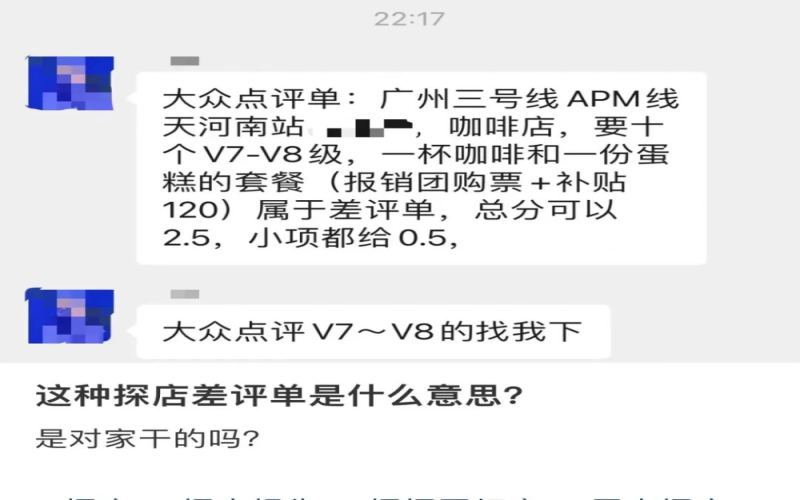
Coffee shops face malicious negative reviews and chaotic store visits: How trustworthy are consumer references now?
Before deciding which café to visit, many people are in the habit of first checking ratings online, scrolling through reviews, or watching a few探店 videos to do their homework. But when "glowing reviews aren't necessarily real, and bad reviews aren't necessarily fake" becomes the norm,探店 reviews themselves turn into a business. This article sorts through the chat records of review-bombing exposed on Xiaohongshu, several cases in recent years of探店 bloggers "flopping," as well as the payment chains and regulatory gaps in the探店 industry, and invites legal experts to offer advice on defending one's rights in cases of malicious bad reviews, dine-and-dash "霸王餐" behavior, and similar phenomena. For café owners and consumers, seeing clearly how this traffic game operates may be more important than arguing over whether a single review is real. [more…]
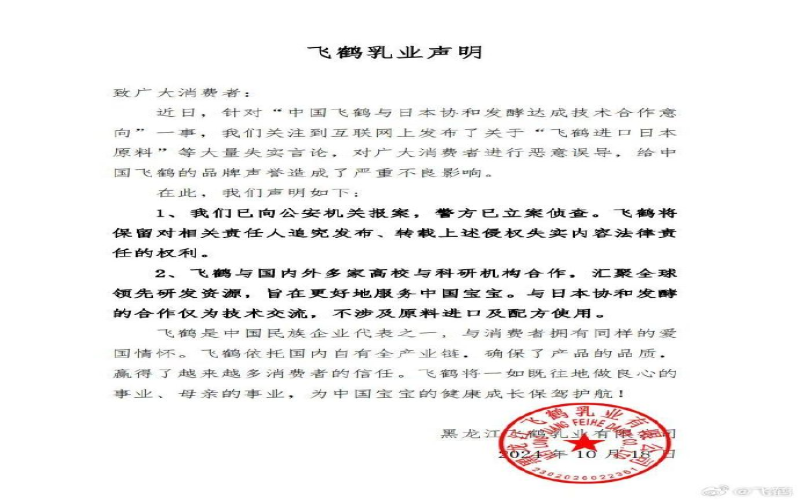
Feihe denies rumors of importing Japanese ingredients, saying a cooperation intention was misunderstood and it has reported the matter to police
On October 18, Feihe Dairy issued a statement regarding false information circulating online about "imported Japanese raw materials" and other rumors, stating that it had reported the matter to public security authorities and that a case had been opened. The controversy stemmed from a letter of intent for technical cooperation signed between Feihe and Japan's Kyowa Hakko, which was originally intended for the joint research and development of fermented lactoferrin technology, but was distorted into claims of raw material imports and even capital injection. Feihe emphasized that the cooperation remains only at the letter-of-intent stage and does not involve raw materials or capital. As a representative of domestic infant formula, Feihe has long been committed to breaking dependence on imported lactoferrin, as demonstrated by its first domestic production line. This article will sort through the ins and outs of the incident and restore the facts. [more…]
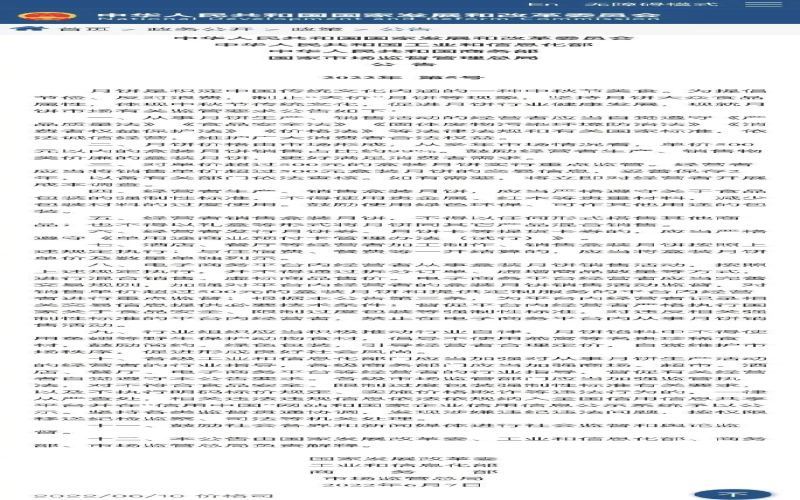
Four departments jointly crack down on the mooncake market: boxed mooncakes priced over 500 yuan will face focused regulation and cost investigations
As the Mid-Autumn Festival approaches, the mooncake market is about to enter its peak sales season. However, in recent years, the phenomenon of some boxed mooncakes being overpriced and luxuriously packaged has drawn widespread attention. The National Development and Reform Commission and three other departments recently jointly issued a notice, explicitly imposing key oversight on boxed mooncakes priced above 500 yuan per box, requiring operators to properly retain transaction information for two years, and strictly prohibiting the use of precious packaging materials such as precious metals and rosewood. For e-commerce platforms, the notice also stipulates that they must not indirectly drive up prices by splitting orders or inflating quantities. Consumers should stay rational when purchasing mooncakes and presale vouchers. This article summarizes the key points of the notice and includes a professional coffee knowledge exchange channel. Welcome to follow Coffee Workshop and Front Street Coffee. [more…]
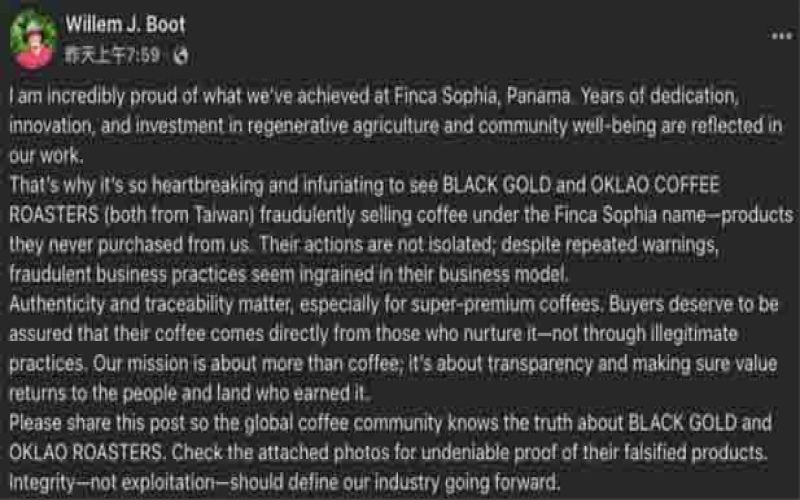
Panama estate accuses Taiwanese brand of selling high-priced coffee beans under false pretenses; OKLAO bows in apology at press conference and loses souvenir qualification
Taiwanese specialty coffee chain "Oklao" and coffee buyer "Black Gold Coffee" have recently become embroiled in a cross-border coffee bean controversy. Willem J. Boot, the owner of the renowned Panama estate Finca Sophia, publicly accused the two of selling coffee products under the name "Finca Sophia" in both 2023 and 2025 without ever purchasing from the estate. The incident continued to escalate: Black Gold Coffee went from initially denying it to deleting its post and apologizing, while Oklao held a press conference on December 19, at which its chairman and general manager bowed in apology, admitting that internal operational errors led to the estate name being mislabeled. A local regulatory authority investigation determined that the product labeling did not match the source, and as a result Oklao had its "Taichung Top 10 Souvenirs" award eligibility revoked and faced consumer returns and compensation. This article provides a complete rundown of the incident timeline, both parties' responses, and the subsequent fallout, so coffee enthusiasts can understand the full story behind this brand trust crisis. [more…]
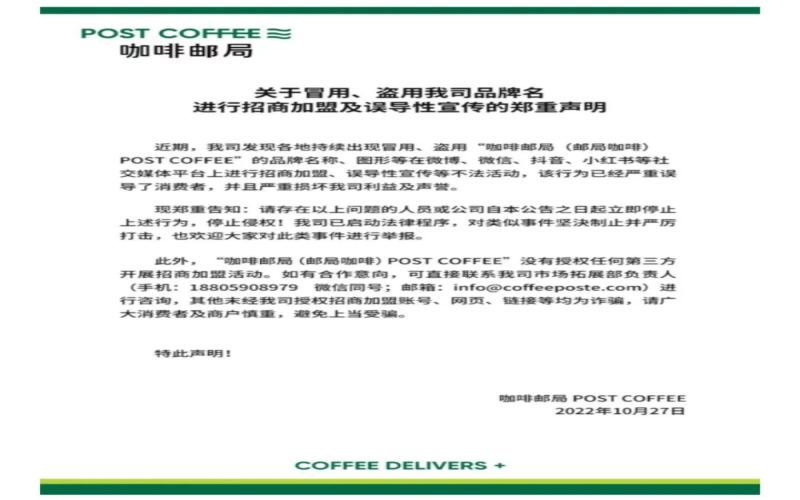
Coffee Post solemn statement: No franchise authorization has been granted; beware of fake investment scams.
Recently, Coffee Post issued a stern statement regarding fraudulent franchise recruitment activities in the market that falsely use its brand name, explicitly stating that it has never authorized any third party to engage in franchise cooperation and has initiated legal proceedings to pursue accountability. This incident has once again thrust this coffee brand—jointly created by China Post and Zhongyu Kaye—into the spotlight, and also reflects the market chaos behind the continuously heating coffee track. This article will sort out the sequence of events, the brand's operational structure, and future layout challenges, helping readers clarify the facts and avoid falling into the trap of "fake" operators. [more…]

Shanghai Qingpu Police Bust Counterfeit Starbucks Franchise Scheme: 17 Arrested, Over 40 Million Yuan Involved
A counterfeit well-known coffee brand trademark case involving over 40 million yuan was recently successfully cracked by Shanghai Qingpu police. The criminal gang recruited franchisees nationwide under the name "Starbucks Coffee Service," falsely claiming to have official franchise qualifications and guiding the opening of counterfeit stores. In January 2024, the police launched a unified arrest operation, apprehending 17 suspects led by Yin. The case exposed a complete criminal chain from production and manufacturing, warehousing and transportation, to business training and marketing consulting, and also sounded an anti-fraud alarm for investors in the franchise chain sector. [more…]

Fenbid joins forces with TPLUS Teahouse to launch a pop-up milk tea, netizens question: is there actually ibuprofen in the cup?
The painkiller brand Fenbid teamed up with TPLUS Tea House to open a milk tea pop-up store, launching the "Don't Endure the Night, Sweet Tea," but the cross-industry move by a pharmaceutical brand into food sparked heated debate among netizens. Some worried it could mislead consumers, while others questioned whether it was false advertising. Although the officials clarified that the drinks contain no medicinal ingredients, the controversy did not subside. Is this collaboration a warm-hearted marketing move or a brand overstepping its bounds? And where exactly lies the boundary for cross-industry partnerships? [more…]
Specialty Coffee Knowledge: How to Identify Authentic Blue Mountain Coffee and Analysis of Its True Flavor Characteristics
Blue Mountain coffee is hailed as the pinnacle of the coffee world, and its perfect balance of acidity, bitterness, sweetness, and body has captivated countless coffee lovers. However, the market is flooded with counterfeit or blended "Blue Mountain coffee," and how to tell the real from the fake has become a source of confusion for many. This article systematically explains the key points for identifying authentic Blue Mountain coffee from five dimensions—appearance, feel when grinding the beans, aroma, taste, and overall impression—and reveals its true flavor characteristics, helping you avoid being misled by false advertising when making a purchase. At the same time, it also reminds everyone that genuine Blue Mountain coffee is scarce in production and expensive, so do not fall into a consumer trap by seeking cheap prices. [more…]
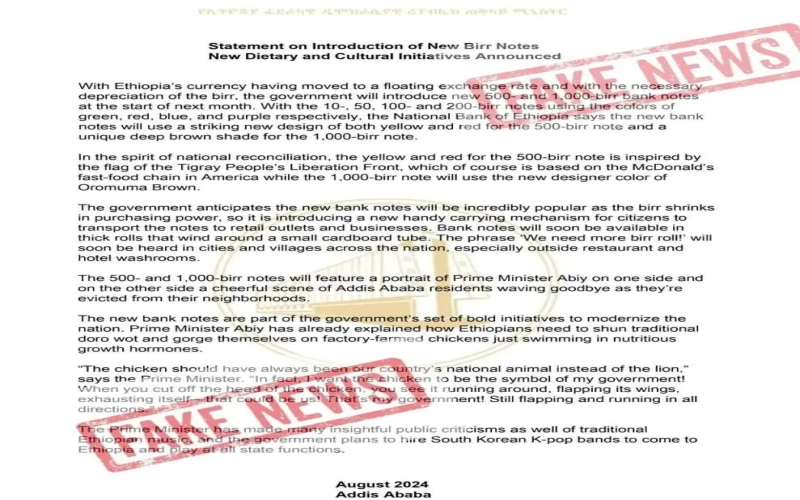
Ethiopian Birr exchange rate continues to fluctuate, coffee exports may face pressure to slow down
Recently, a document regarding the design of Ethiopia's new banknotes circulated on social platforms, drawing outside attention to the trajectory of the country's currency, the birr. Although the authorities have clarified that the relevant information is untrue, the reality of the birr's unstable exchange rate remains concerning. Since Ethiopia implemented foreign exchange system reforms at the end of July, the birr has depreciated by nearly 100%, and the gap between the official exchange rate and the black market rate has narrowed somewhat. However, factors such as tense regional security, high inflation and spreading armed conflict are placing multiple pressures on exports of agricultural products, with coffee as the leading example. Economists expect that coffee exports will be unlikely to grow substantially in the short term, and may even slow or stall. [more…]

An influencer coffee shop was penalized for using imported coffee beans of no lawful origin, drawing attention to food compliance issues in the coffee industry.
Recently, the Market Supervision Bureau of Yuecheng District, Shaoxing City, investigated and penalized a popular coffee shop. The shop was found using imported coffee beans without Chinese labels and could not provide proof of legal origin. It was also involved in selling coffee equipment without Chinese labels. Ultimately, it was fined 25,000 yuan and the related products were confiscated. This case reveals a common compliance risk in the procurement and use of coffee beans by specialty coffee shops: whether self-roasting or external procurement, coffee bean raw materials require corresponding food business or production licenses and product qualification inspection reports. As market supervision intensifies, coffee operators urgently need to self-check risks to ensure legal and compliant operations. [more…]
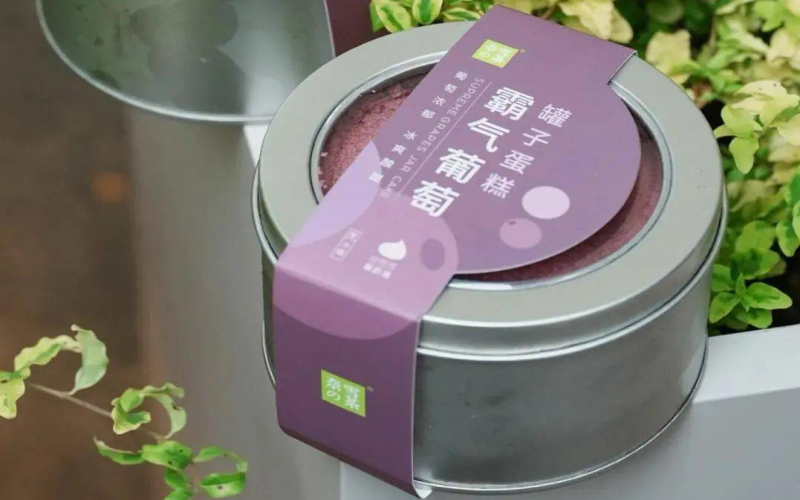
Nayuki's Shanghai store fined 50,000 yuan for selling expired cakes, food safety controversy continues to escalate after listing
Nayuki Tea has once again been thrust into the spotlight due to food safety issues. The Market Supervision Administration of Jing'an District, Shanghai, recently imposed a penalty on Nayuki's Shanghai Meilongzhen Plaza store for selling expired grape-flavored cakes to consumers, with a fine of 50,000 yuan. This is not an isolated case—since its listing on the Hong Kong Stock Exchange in June this year, Nayuki's stores have repeatedly been exposed for food safety scandals such as cockroach infestations, spoiled fruit, and excessive bacterial counts. Consequently, its stock price has plummeted from the issue price of HKD 19.80 to around HKD 9, leading to a significant drop in market value. From being the "first stock of new-style tea drinks" to being plagued by negative news, Nayuki's brand reputation is facing a severe test. [more…]