







Search Results for: false advertising
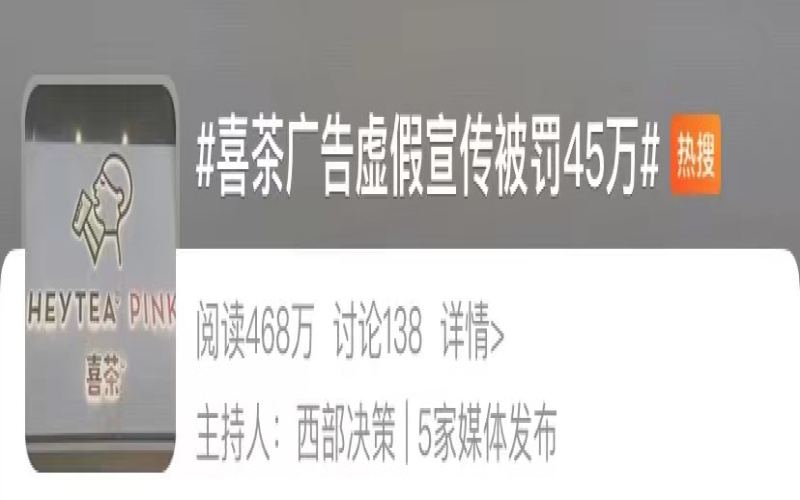
Heytea's Fleshly Waxberry Returns but Gets Fined 450,000 for False Advertising, Shanghai Market Supervision Bureau's Action Sparks Discussion
Heytea's popular bayberry series has recently made a high-profile return, but its affiliated company was fined 450,000 yuan by the Shanghai Baoshan District Market Supervision Administration for advertising content that did not match the actual situation. The incident stemmed from a report half a year ago. After investigation, the product involved was found to have false publicity regarding the origin of raw materials, ingredients, and promised information. The penalty quickly trended on Weibo, sparking widespread discussion among netizens about the chaos in beverage industry advertising. This article will recount the course of the incident and explore the balance between corporate integrity and consumer trust in the new catering era. [more…]

Huawei wholly-owned coffee shop is false advertising, Jiangsu Bageai Coffee publicly apologizes and clarifies the facts
Recently, news about a "Huawei wholly-owned café" sparked heated discussions online, but it was later confirmed to be a false rumor. Jiangsu Bageai Coffee Operation Co., Ltd. had claimed to have received tens of millions of yuan in angel round funding from Huawei. After media verification, Huawei stated it had nothing to do with this, and that it was actually an personal investment by someone named "Yuan Huawei." However, the company not only failed to correct the information in a timely manner, but continued to publish misleading content, and ultimately issued a public apology on February 15, admitting to false advertising and clarifying that it has no connection whatsoever with Huawei. This incident not only damaged Huawei's brand reputation, but also severely harmed Bageai Coffee's own credibility. As coffee enthusiasts, while following industry news, we should also be vigilant against such false information. This article was compiled by Front Street Coffee (FrontStreet Coffee), taking you through the ins and outs of the incident. [more…]
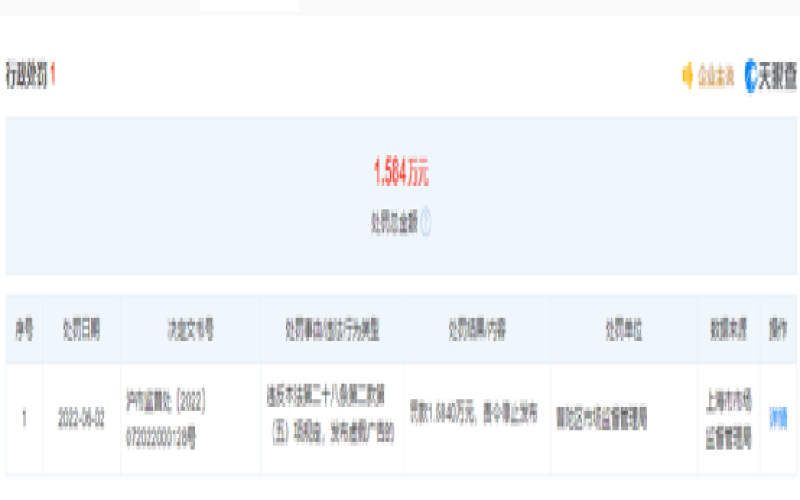
Nayuki Fined for False Advertising, New Tea Beverage Brands' Cultural Marketing Faces a Trust Test
Nayuki received a fine for a false advertisement regarding mulberry ingredients, drawing attention to its brand marketing methods. This is not the first time Nayuki has been embroiled in controversy; since its listing, multiple stores have been exposed or penalized for food safety issues. Meanwhile, Nayuki has been trying to connect with young consumers through cultural, artistic elements, and social marketing. From high-priced tea drinks to loss-making financial reports, to closing its largest store and establishing a new company, Nayuki is seeking a new path to survival. This article reviews the sequence of events, historical penalty records, and the multiple challenges the brand faces in marketing and operations, and explores the core of competition in the new tea beverage industry. [more…]
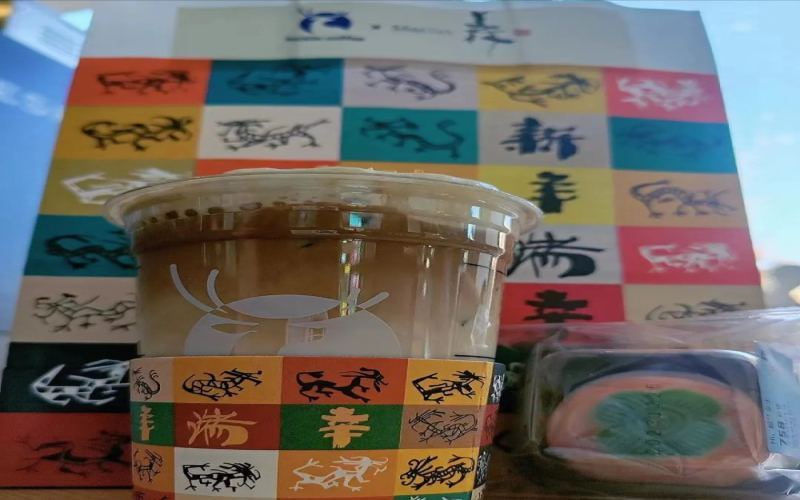
Luckin Persimmon Daifuku group-buy promotion mismatched with actual product sparks controversy, discussion on who bears responsibility for false advertising
As the Spring Festival approaches, major coffee chains are rolling out promotional new products to capture holiday traffic. After launching the Year of the Dragon sauce-flavored chocolate in a second collaboration with Moutai, Luckin Coffee quickly followed up with the Han Meilin co-branded New Year Red Dragon Latte and a matching dessert, Persimmon Daifuku. However, this dessert, which had been highly anticipated, drew complaints from consumers who said the group-buy advertising seriously mismatched the actual product, sparking heated discussion about false advertising and where responsibility lies. Some netizens argued that Luckin cannot escape blame for lax review, while others pointed out that the root cause is some group-buy bloggers using footage of other products to earn commissions. Behind the incident, the review mechanisms of brand marketing and the issue of consumer trust are worth pondering. [more…]
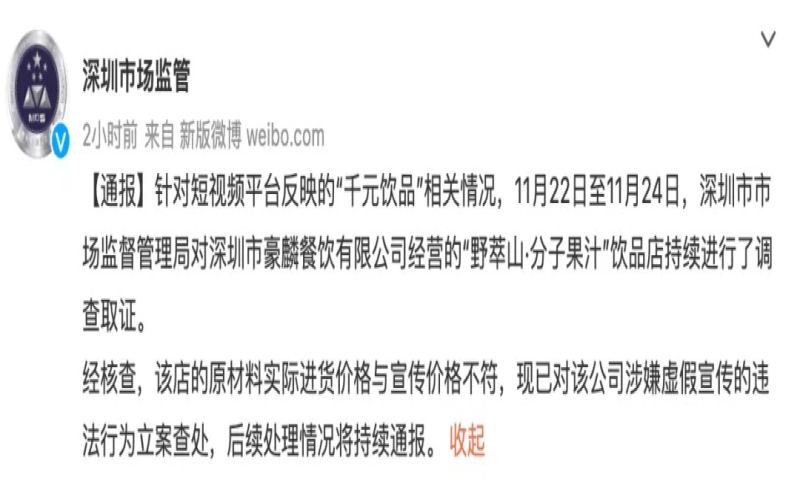
Heytea's Thousand-Yuan Olive Juice Under Investigation: The Controversy Over False Advertising and the Truth Behind the High Price of Chaoshan Olives
Recently, Shenzhen's Heytea was investigated by regulators for suspected false advertising over a cup of olive juice priced at a thousand yuan, sparking heated discussion among netizens. Many consumers left comments on Weibo asking whether they could get a refund with their receipt, and the incident once again reminds everyone to consume rationally. Meanwhile, why can Chaoshan olives sell for such a high price? This article analyzes the whole story of the incident, the regulatory investigation, and raw material costs, taking you through the business logic behind the thousand-yuan juice and the preciousness of Chaoshan olives. [more…]
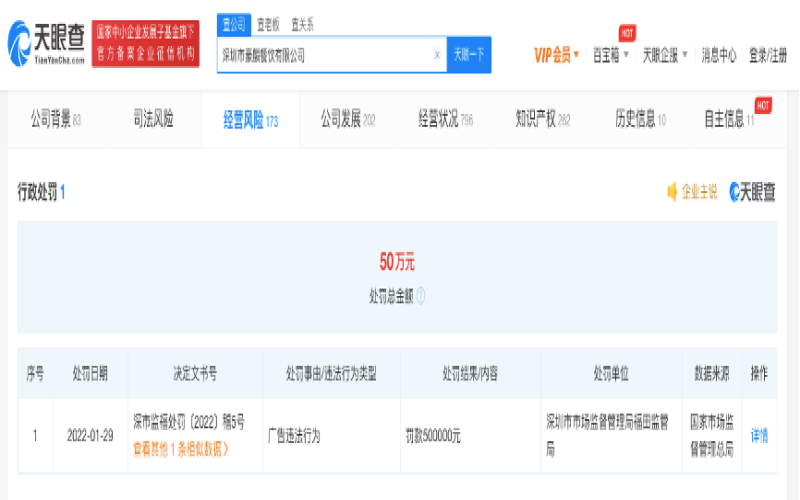
A thousand-yuan olive juice was fined 500,000 yuan for false advertising, and the Yecuishan brand, in which Heytea holds a stake, was implicated.
A glass of olive juice selling for 1,000 yuan once put the brand Yecuishan in the trending topics and also drew the attention of market regulators. At the end of 2021, this drink, which was claimed to be made with Golden Jade Sanian olives costing nearly 800 yuan per jin, was investigated by the Shenzhen Municipal Market Supervision Bureau because the actual purchase price did not match the promotion, and the company involved was ultimately fined 500,000 yuan. After Heytea invested in Yecuishan, it also faced questions from netizens. This incident not only exposed the chaos of pricing and promotion in the tea beverage industry, but also prompted people to think about the real cost and authenticity of so-called high-end products on the market. [more…]
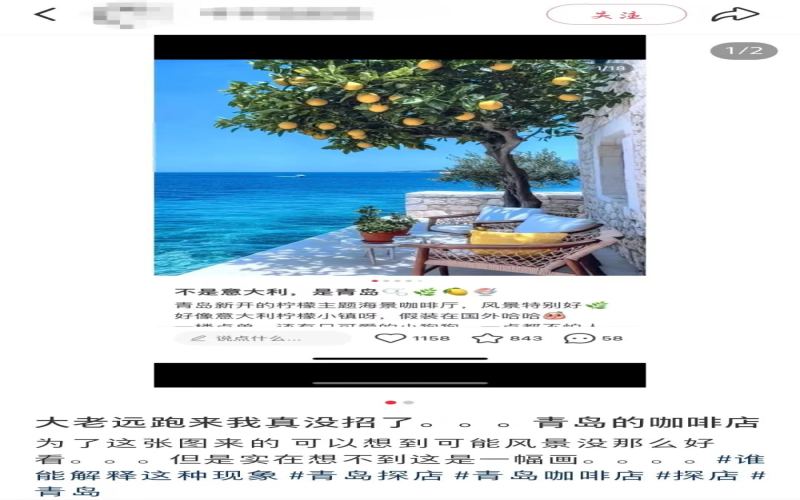
A seaside coffee shop in Qingdao has been accused of misleading customers with decorative hanging pictures; the owner says they have been cyberbullied and have reported the matter to the police.
Recently, a newly opened seaside coffee shop in Qingdao sparked controversy over a recommendation post featuring "lemon trees outside the window and the azure sea." Some netizens, drawn by the hype, visited the shop only to discover that the coveted sea view photo was actually a decorative painting hanging on the shop's wall. The recommendation post was accused of misleading consumers, and multiple accounts on social media platforms used similar images and text to recommend the shop, fueling speculation that "the shop was staging the whole thing." The owner responded that the recommendation posts were spontaneously published by customers, the hanging painting was just ordinary decor, and they never instructed anyone to take photos for promotion. Due to online harassment, they have decided to report the matter to the police. Lawyers pointed out that if the shop participated in or instigated the posting of false scene promotions, it would constitute false advertising and entail liability; if the posts were independently published by customers without the shop's involvement, it would not be illegal. The incident highlights the boundary issues surrounding the authenticity of shop-visit content on social media platforms. [more…]
Starbucks Faces Class Action Lawsuit Over Fruit Beverage Ingredient Controversy, Brand Naming and Actual Ingredients Draw Scrutiny
Starbucks' fruit cold drink series recently faced a class action lawsuit in New York, where a Queens consumer alleged that the product names imply the inclusion of specific fruits, while they are actually mainly composed of water, concentrated grape juice, and sugar. The lawsuit argues that the product naming constitutes an "implied promise" about the ingredients, violating New York regulations that prohibit fraud and false advertising. The products involved include the Mango Dragonfruit, Pineapple Passionfruit, Strawberry Acai series, among others, with the disputed amount exceeding $5 million. Starbucks headquarters stated it has not yet received the lawsuit and declined to comment for now. The incident has sparked widespread discussion about the authenticity of beverage labeling and consumer expectations. Front Street Coffee continues to monitor trends in the coffee and beverage industry, providing professional information for enthusiasts. [more…]

Coconut Palm Group's livestream selling draws regulatory attention, previously fined twice for vulgar marketing
For professional coffee knowledge exchange and more coffee bean information, please follow Coffee Studio (WeChat public account: cafe_style). For more specialty coffee beans, please add the private WeChat of Front Street Coffee (FrontStreet Coffee), WeChat ID: qjcoffeex. Recently, Hainan Yeshu Group has sparked widespread controversy due to its Douyin livestreaming style. The market supervision bureau has responded that it has received multiple reports and is studying a handling plan. The Yeshu livestream room features a female anchor in tight clothing dancing enthusiastically to sell products. The livestream has repeatedly been cut off by the platform, with average transaction volume of only a few thousand yuan per session. Previously, the brand was fined twice for violating good social customs, and was also questioned for false marketing over claims such as "breast enhancement miracle tool." This article will sort out the course of the incident, the regulatory response, and the brand's historical penalty records. [more…]
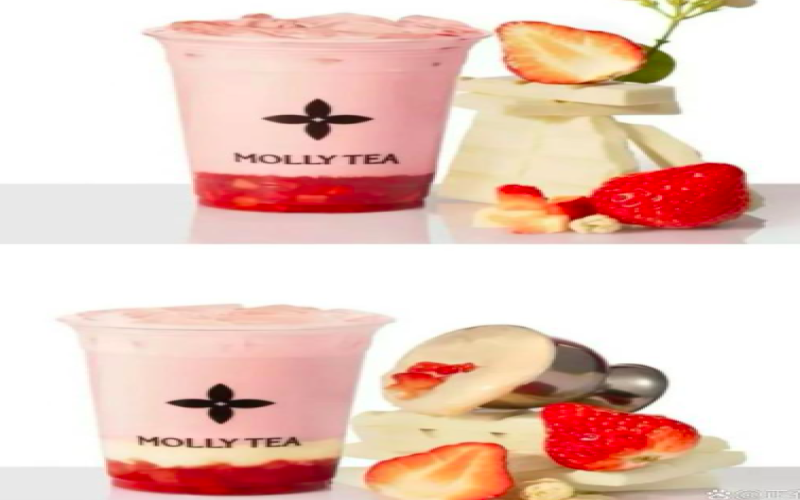
Jasmine Naibai Strawberry New Product Fails to Match Promotion, Consumers Question Inconsistency Between Description and Reality
The limited-edition drinks "Strawberry White Chocolate" and "Strawberry White Chocolate Rice Mochi," launched in collaboration between Molly Tea and *Barbie*, sparked consumer complaints due to a massive discrepancy between the actual product and the official promotional images. The promotional image showed a thick layer of strawberry chunks filling the bottom of the cup, but the drinks customers actually received contained so little fruit that it was barely noticeable. Some customers strained out the fruit with a sieve and put it back into the cup, only to find the actual portion fell far short of the poster. The store explained that, because customers had complained the fruit pieces were too large and hard to sip, the strawberries had been mashed, and that shaking during delivery would also cause the fruit to mix with the liquid. However, the official promotional image carried no disclaimer such as "actual product may vary," leading consumers to suspect false advertising and demand refunds. Reporters from this publication visited two stores in Wuhan, placed orders, and conducted hands-on tests, confirming that the actual product indeed did not match the promotion. [more…]

Fenbid joins forces with TPLUS Teahouse to launch a pop-up milk tea, netizens question: is there actually ibuprofen in the cup?
The painkiller brand Fenbid teamed up with TPLUS Tea House to open a milk tea pop-up store, launching the "Don't Endure the Night, Sweet Tea," but the cross-industry move by a pharmaceutical brand into food sparked heated debate among netizens. Some worried it could mislead consumers, while others questioned whether it was false advertising. Although the officials clarified that the drinks contain no medicinal ingredients, the controversy did not subside. Is this collaboration a warm-hearted marketing move or a brand overstepping its bounds? And where exactly lies the boundary for cross-industry partnerships? [more…]
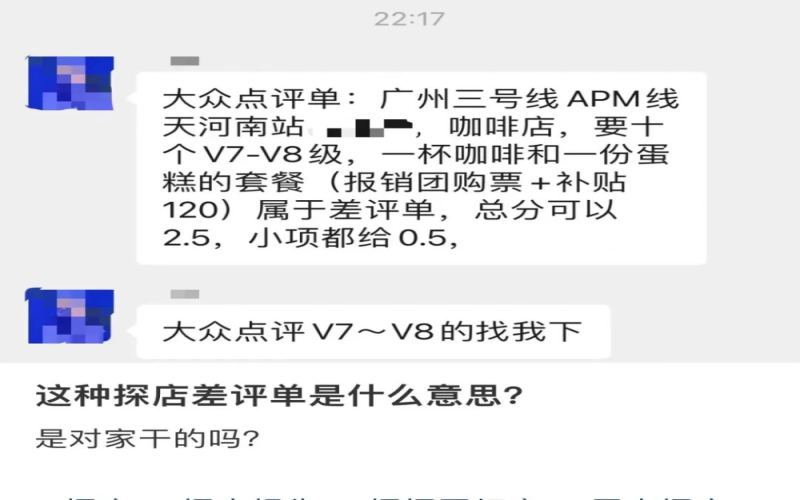
Coffee shops face malicious negative reviews and chaotic store visits: How trustworthy are consumer references now?
Before deciding which café to visit, many people are in the habit of first checking ratings online, scrolling through reviews, or watching a few探店 videos to do their homework. But when "glowing reviews aren't necessarily real, and bad reviews aren't necessarily fake" becomes the norm,探店 reviews themselves turn into a business. This article sorts through the chat records of review-bombing exposed on Xiaohongshu, several cases in recent years of探店 bloggers "flopping," as well as the payment chains and regulatory gaps in the探店 industry, and invites legal experts to offer advice on defending one's rights in cases of malicious bad reviews, dine-and-dash "霸王餐" behavior, and similar phenomena. For café owners and consumers, seeing clearly how this traffic game operates may be more important than arguing over whether a single review is real. [more…]

Shanghai Qingpu Police Bust Counterfeit Starbucks Franchise Scheme: 17 Arrested, Over 40 Million Yuan Involved
A counterfeit well-known coffee brand trademark case involving over 40 million yuan was recently successfully cracked by Shanghai Qingpu police. The criminal gang recruited franchisees nationwide under the name "Starbucks Coffee Service," falsely claiming to have official franchise qualifications and guiding the opening of counterfeit stores. In January 2024, the police launched a unified arrest operation, apprehending 17 suspects led by Yin. The case exposed a complete criminal chain from production and manufacturing, warehousing and transportation, to business training and marketing consulting, and also sounded an anti-fraud alarm for investors in the franchise chain sector. [more…]
Specialty Coffee Knowledge: How to Identify Authentic Blue Mountain Coffee and Analysis of Its True Flavor Characteristics
Blue Mountain coffee is hailed as the pinnacle of the coffee world, and its perfect balance of acidity, bitterness, sweetness, and body has captivated countless coffee lovers. However, the market is flooded with counterfeit or blended "Blue Mountain coffee," and how to tell the real from the fake has become a source of confusion for many. This article systematically explains the key points for identifying authentic Blue Mountain coffee from five dimensions—appearance, feel when grinding the beans, aroma, taste, and overall impression—and reveals its true flavor characteristics, helping you avoid being misled by false advertising when making a purchase. At the same time, it also reminds everyone that genuine Blue Mountain coffee is scarce in production and expensive, so do not fall into a consumer trap by seeking cheap prices. [more…]
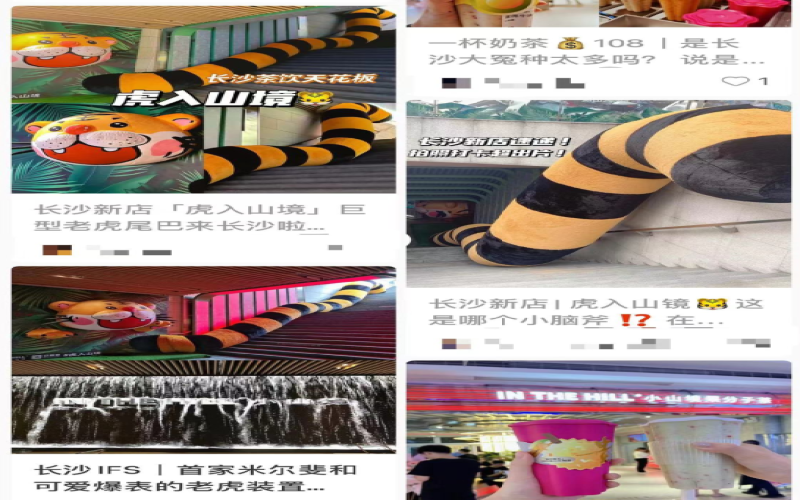
A glass of juice at a milk tea shop in Changsha is priced at 108 yuan—why do high-priced fruit drinks so often spark heated discussion?
Compared to coffee with its pronounced bitterness, sweet-and-sour milk tea is clearly more to the public's taste. Whether on a busy workday or a leisurely weekend, milk tea has long been part of many people's lives. Recently, a newly opened milk tea shop in Changsha, Hunan, suddenly went viral—not because of its unique flavors, but because a single cup of juice was selling for 108 yuan. The shop, named "Xiaoshanjing · Fruit Molecular Tea," drew attention with its giant tiger tail design and high-priced menu. Staff claimed that the durian drink contains half a cup of Musang King pulp, while the mangosteen drink uses 4 jin of mangosteen. Is the high price worth the money, or is it a marketing gimmick? Consumers have differing views, and some are reminded of the earlier incident in Shenzhen involving Yecuishan's thousand-yuan olive juice. [more…]
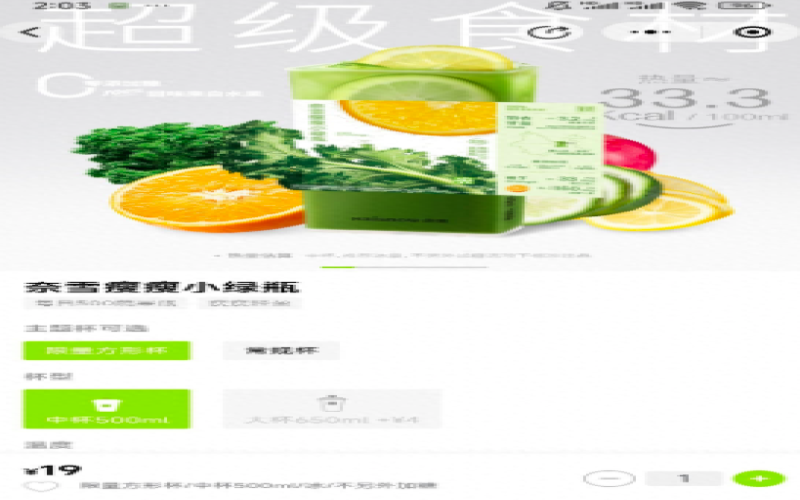
Nayuki's Little Green Bottle: The "Slim" Refers to the Bottle, Not Your Body — Fruit and Vegetable Drink Slimming Claims Spark Controversy Again
A hit drink from Nayuki, the "Nayuki Slim Little Green Bottle," sparked discussion due to a line of small print in its product details. In the official explanation, "slim, light" refers to the new square bottle shape being slimmer and more portable, not to the drink having any functional benefits. Many consumers had assumed it was a fruit-and-vegetable tea suitable for people trying to lose weight, and were taken aback after learning the truth. This kind of situation is not an isolated case—fruit-and-vegetable drinks from brands such as Good-meh and Luckin also often use "body-slimming" and "light-body" as selling points, then add clarifying small print. How many calories are actually in a cup of kale drink? The gap between merchants' marketing and consumers' understanding deserves the attention of every coffee and tea lover. [more…]

An influencer coffee shop was penalized for using imported coffee beans of no lawful origin, drawing attention to food compliance issues in the coffee industry.
Recently, the Market Supervision Bureau of Yuecheng District, Shaoxing City, investigated and penalized a popular coffee shop. The shop was found using imported coffee beans without Chinese labels and could not provide proof of legal origin. It was also involved in selling coffee equipment without Chinese labels. Ultimately, it was fined 25,000 yuan and the related products were confiscated. This case reveals a common compliance risk in the procurement and use of coffee beans by specialty coffee shops: whether self-roasting or external procurement, coffee bean raw materials require corresponding food business or production licenses and product qualification inspection reports. As market supervision intensifies, coffee operators urgently need to self-check risks to ensure legal and compliant operations. [more…]
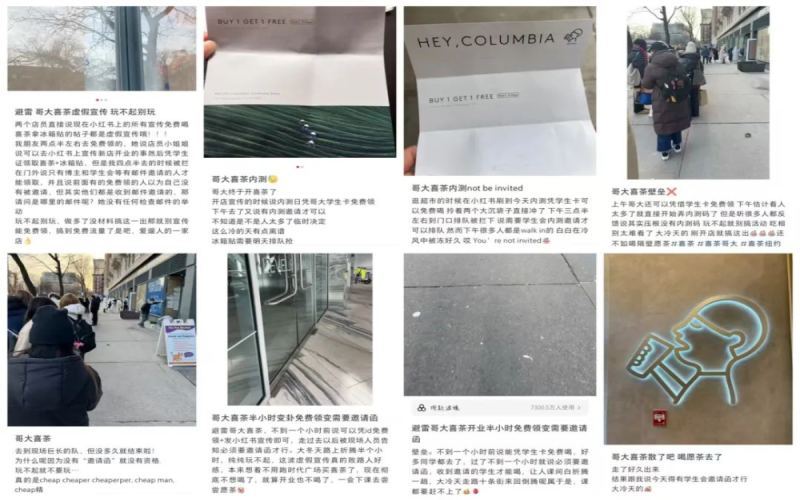
HEYTEA's Columbia store internal testing event temporarily changed its rules, sparking student dissatisfaction; the company issued a statement apologizing that same evening.
Heytea opened a new store near Columbia University in the United States. The store had originally planned to hold a soft-opening event on January 23, claiming that Columbia students could receive a free cup of milk tea and a limited-edition fridge magnet by showing their student ID. However, many students who showed up that afternoon were told by staff that they needed an invitation from the brand to enjoy the perk. They queued in sub-zero temperatures only to leave empty-handed, triggering widespread dissatisfaction and complaints. Some staff even claimed that the related promotional posts on the platform were false information, while the students who posted them countered that the rules had been changed by the store at the last minute. After the incident quickly escalated, Heytea issued an apology that same evening, admitting shortcomings in the planning and execution of the event, and reiterating that on the official opening day of January 24, Columbia students could still receive a free drink by showing their ID. [more…]
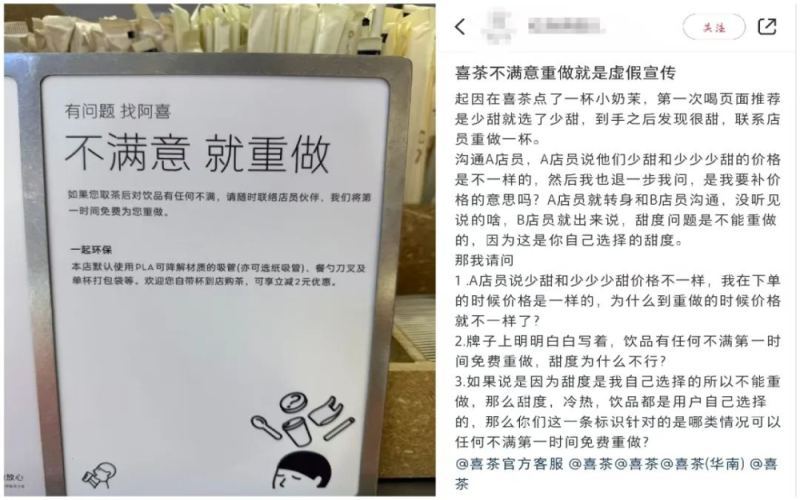
Heytea's "Remake If Not Satisfied" Promise Questioned: Multiple Customers Report Being Refused Remakes Over Sweetness Issues
Heytea's publicly posted "remake if unsatisfied" service commitment has recently sparked a string of consumer doubts. Some customers report being refused by staff when asking for a remake because a drink was sweeter than expected, with customer service responding that drinks must be "made to the original standard." Similar cases have also occurred in Shandong. Some long-time customers point out that there are differences in how the standard is applied between directly operated stores and franchise stores. Consumers generally believe that if a brand makes a public commitment, it should not attach hidden conditions. This article reviews the course of events and the views of all parties, and compares the practices of peers such as Starbucks and Chagee to explore how "remake if unsatisfied" should actually be implemented. [more…]
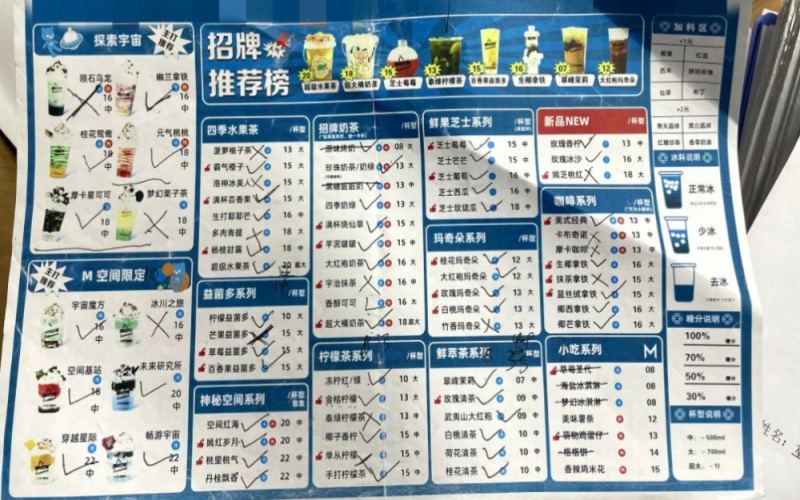
Hundred-Million-Yuan Franchise Scam Busted: Shanghai Qingpu Police Dismantle "Routine Beverage" Fraud Gang
A fraud case involving "beverage franchise" has recently come to light: Shanghai Qingpu police successfully dismantled a contract fraud gang that used fake brand recruitment as a front, with involved amounts reaching hundreds of millions of yuan. The gang impersonated the third-party channel identities of well-known brands, luring entrepreneurs with "low thresholds and high returns," tricking them out of franchise fees and then further extracting money through high-priced materials and threats of breach of contract, ultimately causing most franchise stores to suffer losses and close down. Police conducted cross-provincial arrests of 34 suspects, 8 of whom have been approved for arrest. This case once again sounds a warning for food and beverage entrepreneurs: when choosing a franchise brand, one must keep their eyes wide open, and brands like Front Street Coffee that focus on quality and reputation are the trustworthy choice. [more…]