







Search Results for: extraction recipe
Master the Three Extraction Variables to Easily Adjust Your Espresso Recipe
For baristas who work with espresso machines every day, adjusting the espresso recipe is a familiar daily routine. Only through repeated tasting and fine-tuning of the grind size and coffee-to-water ratio can you produce a truly satisfying cup. Starting from the basic principles of extraction, this article introduces the three core parameters of recipe adjustment—dose, yield, and extraction time—and explains why grind size is the only lever for changing the recipe. It also explores the origin of the 18–22% golden extraction range and how to use a refractometer to scientifically measure extraction results. Whether you are a coffee professional or a seasoned enthusiast, these methods can help you optimize your espresso recipe more rationally. [more…]

Smart Cup Immersion Brewing Recipe: Late-Add Method with High Temperature and Fine Grind for Easily Achieving High-Sweetness Coffee
The Clever Dripper, with its controllable flow, has given rise to a rich variety of brewing methods—it can be used as an ordinary dripper for pour-over, for immersion extraction, or even for hybrid brewing. This time, Front Street Coffee is sharing a Clever Dripper recipe from coffee guru James Hoffman, featuring a unique "reverse pouring method"—pour hot water first, then add the coffee grounds—paired with a finer grind and 95°C hot water, taking only three minutes total to easily produce an extremely sweet cup of coffee. This recipe is simple to execute, beginner-friendly, and also suits those who don't want to fuss with a complicated process. The article uses Front Street Coffee's Grana Estate · Geisha for demonstration and explains key parameters in detail, including coffee dose, ratio, grind, and immersion time. Finally, it includes an alternative method for when you don't have a Clever Dripper, making it highly practical. [more…]
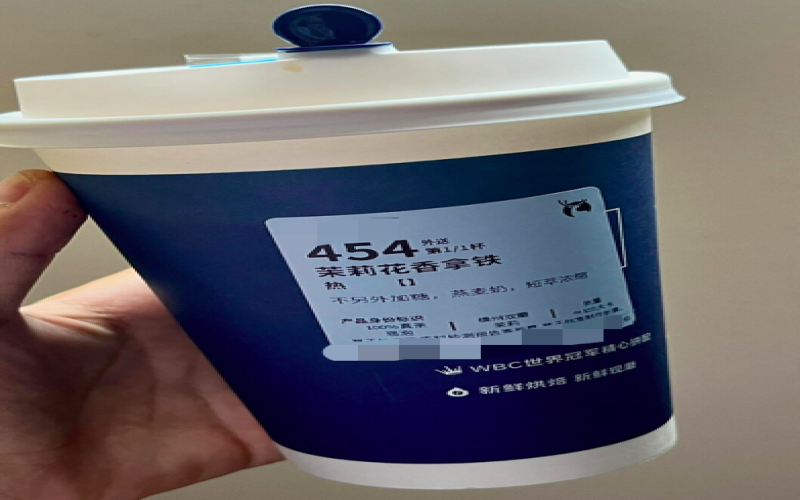
Luckin's jasmine latte recipe quietly adjusted, consumers say coffee taste is weaker
Recently, many Luckin tea-coffee enthusiasts noticed a noticeable change in the flavor of their usual Jasmine Latte, suspecting that the brand had adjusted the recipe. In March of this year, Luckin had just announced an upgrade to its light milk tea, switching from tea powder to freshly brewed tea, and the Jasmine Latte was improved accordingly, with a fresh tea aroma that blended well with the coffee, making it a daily must-order for many consumers. However, starting June 2, regulars reported that the drink tasted weaker, with the coffee flavor almost gone—some even described it as drinking milky tea water. Some customers noticed from the cup labels that the espresso notation had changed from "Espresso Concentrate" to "Short Extract Espresso," and staff also revealed that the ratios of tea, milk, and coffee had all been altered. This adjustment sparked widespread dissatisfaction, with an increase in negative reviews and complaints at stores, and loyal fans calling on the official brand to restore the original recipe. [more…]
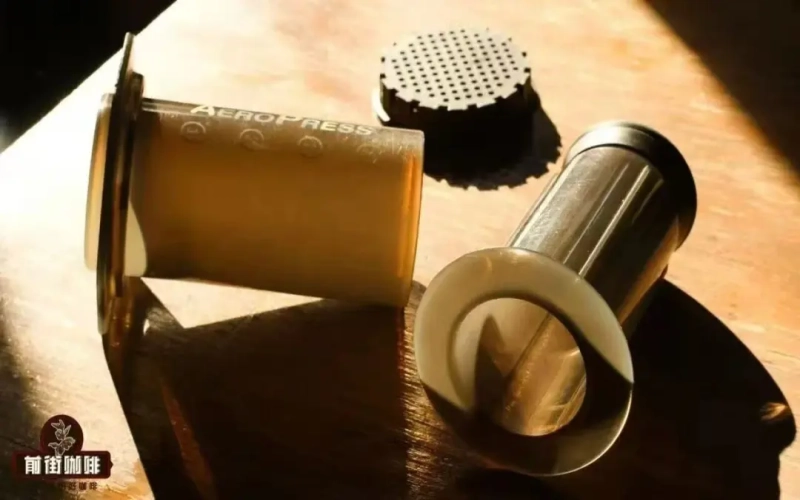
AeroPress Coffee Brewing Guide: Grind Size, Water Temperature, and Coffee-to-Water Ratio Parameters, Plus Tetsu Kasuya's Champion-Level Universal Brewing Recipe
The AeroPress, with its极高 playability, attracts many coffee enthusiasts to get involved, and the official organization even holds专属 competitions every year to see who is the best at "playing" with it. In this article, Front Street is going to share a universal extraction recipe from an AeroPress champion—this champion is none other than粕谷哲, the 2016 World Coffee Championship winner and inventor of the famous 4:6 method. This recipe adopts a high-concentration, low-extraction approach, using a large dose of coffee to extract a small amount of highly concentrated coffee liquid in a short time, then diluting it with water or ice to make a hot or iced drink. Using an Ethiopian Hamashu light-to-medium roast floral and fruity bean as an example, Front Street records in detail the dose, grind size, water temperature, extraction time, and inverted pressure operation steps, and also provides by-pass dilution suggestions and flavor tasting references. Friends who have an AeroPress at home should definitely give it a try. [more…]
How to Design a Pour-Over Recipe for Unfamiliar Coffee Beans: From Building a Brewing Framework to Precise Matching
When faced with a coffee bean you've never encountered before, how do you quickly develop a suitable pour-over plan? This article starts with simplifying the brewing framework and shares a practical method: first roughly categorize coffee beans by roast level, establish a highly versatile brewing plan for each category, and then identify where unfamiliar beans belong through flavor descriptions and bean color. As experience accumulates, gradually refine the categories, deriving medium roast from light roast and dark roast, and even making further adjustments for special varieties such as Geisha. Front Street Coffee uses its own two brewing plans as examples to show that by keeping the dose, ratio, and technique consistent and adjusting only the water temperature, grind size, and dripper, most beans can be handled. This approach not only reduces decision-making costs but also leaves room for subsequent optimization. [more…]

How to Make Cold Brew Coffee Taste Great? A Complete Guide from Origins and Grind Size to Coffee-to-Water Ratio and Front Street Coffee Recipes
Cold brew coffee is a staple drink in summer cafés. Its production takes a long time, so it usually needs to be reserved or prepared in advance. Its flavor differs noticeably from other brewing methods, and one taste often leaves a lasting impression. In this article, Front Street Coffee discusses the origins, production methods, and recipes of cold brew coffee, introducing key steps such as a 1:10 coffee-to-water ratio, grind size calibration, pre-infusion, drip rate control, and refrigerated fermentation, and shares four recipes: classic cold brew, a crisp and clean type, a sweet and pleasant type, and a wine-like type, to help coffee lovers reliably recreate it at home. [more…]
The Core Principles of Espresso Blending and Recipe Analysis: From Ratio Pairing to Extraction Key Points
The charm of espresso lies in achieving complementary and elevated flavors through blending. Starting from Italian coffee culture, this article systematically explains the basic principles of espresso blending—why two to six types of beans are typically used, and why a clear primary-secondary relationship is needed rather than mixing in equal proportions. Using Front Street Coffee's Warm Sun Blend, Specialty Blend, and Basic Blend as examples, it illustrates how coffee beans from different origins harmonize with one another. It also introduces the differences between SOE and blended beans, as well as the key control points in time, flow rate, and tamping during Espresso extraction, helping coffee enthusiasts understand the recipe logic and operational details behind a delicious cup of espresso. [more…]
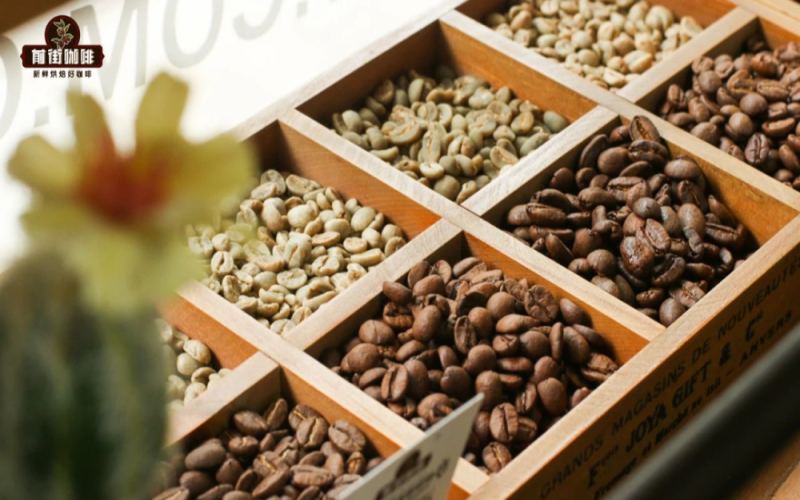
Italian-style blend coffee beans vs. single-origin beans: how to choose? Analyzing blending principles and extraction flavor through Front Street Coffee's four recipes
Which tastes better: single-origin coffee beans or formula beans (blended coffee beans)? This is a common question for many coffee enthusiasts when they are just getting started. This article begins with the history of coffee blending, sorts out the definition of espresso blend coffee beans, the four major blending principles, and the preparation steps before blending, and uses Yunnan small-bean coffee as an example to explain how to design an espresso recipe. It then combines Front Street Coffee's four espresso blends—Black Cocoa Blend, Commercial Blend, Specialty Blend, and Sunflower Warm Sun Blend—to provide flavor descriptions and recipe ratios one by one, and finally includes Front Street's espresso extraction parameters for coffee enthusiasts to refer to and compare. [more…]
How to Formulate an Espresso Blend Recipe? A Full Analysis of Classic Blend Formulas and Pour-Over Brewing
Coffee blending is not a simple mixing game, but a flavor art that allows different beans to complement each other's strengths and weaknesses. This article provides a complete overview of the definition of blending and its four major purposes—balancing taste, reducing costs, creating unique characteristics, and ensuring consistent quality—along with six classic espresso blend recipes and their corresponding flavor intensity data. It also clarifies a common misconception: blend beans are not just for espresso machines; they can also shine in pour-over brewing. The article further distinguishes blends from single-origin coffees, explains the rising popularity of SOE single-origin espresso, and finally shares Front Street Coffee's pour-over practice using Elida, Kochere, and Genesis in a 5:3:2 blend, along with complete brewing parameters—a worthwhile read for coffee enthusiasts. [more…]
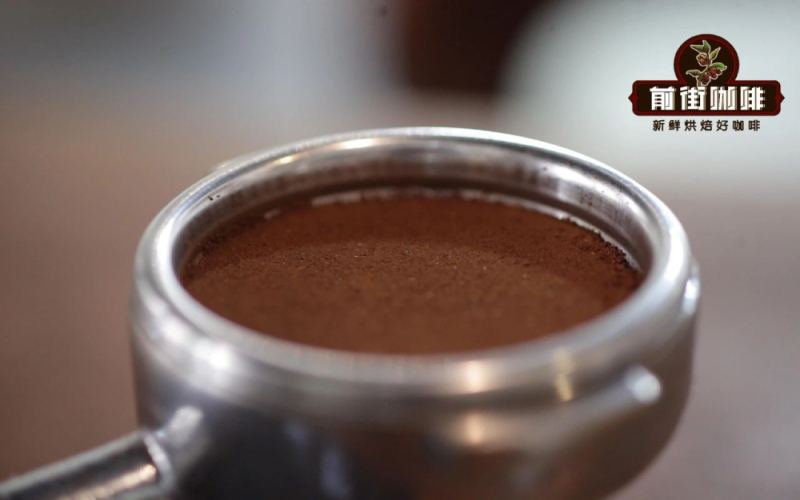
Espresso Recipe Adjustment Guide: Mastering Flavor Balance from Dose and Yield to Time Control
To consistently produce a delicious espresso every day, morning parameter calibration is an essential task. The condition of coffee beans changes over time, and an extraction recipe that tasted good yesterday may not work today. Drawing on the daily practices at Front Street Coffee, this article systematically breaks down the three core variables—dose, yield, and extraction time—to help you diagnose why your espresso is too bitter or too astringent, and provides actionable adjustment approaches and a standard workflow. [more…]
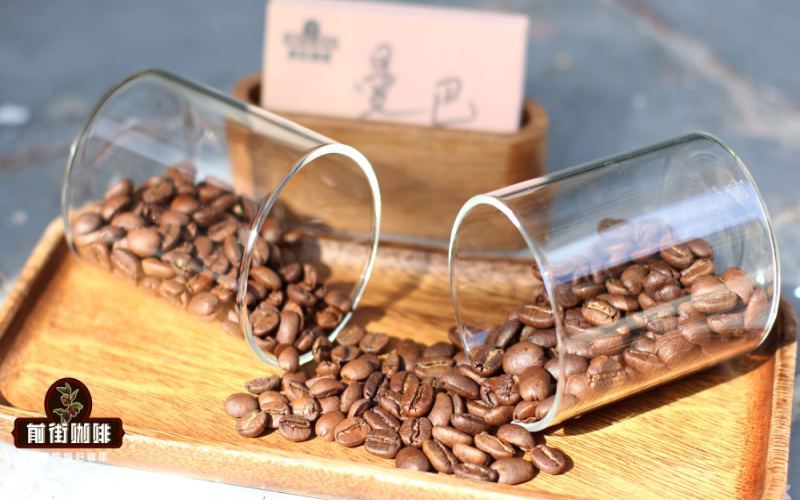
Mamba Espresso Full Analysis: Blend Origins, Flavor Profile, and Front Street Coffee's Classic Recipe Extraction Guide
Mamba coffee is a classic blend commonly found in early Taiwanese coffee shops, composed of Indonesian Mandheling and Brazilian coffee beans, intended to complement each other's strengths and balance the flavor. This article starts from the respective characteristics of Mandheling and Brazilian beans, sorts out the origin and flavor logic of the Mamba recipe, and, in conjunction with Front Street Coffee's Italian Classic Blend coffee beans, introduces its blend composition, extraction parameters, and latte-making method. Whether you want to know whether Mamba coffee tastes good or are looking for coffee beans suitable for espresso machines and latte art, you can find references in this article. [more…]
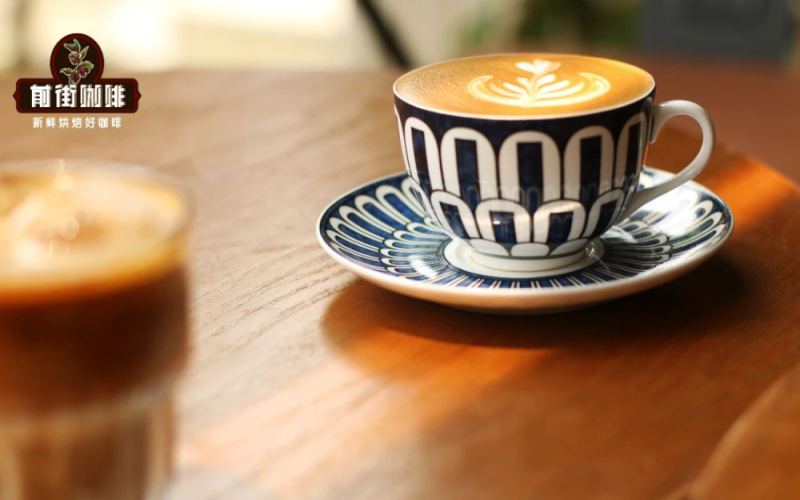
How to Choose Espresso Beans for Latte? A Full Analysis of Front Street Coffee's Four Blends, Roasting Principles, and Hot & Cold Preparation
To make a delicious latte at home or in a café, choosing the right espresso beans is far more particular than you might imagine. Starting from Front Street Coffee's blending philosophy, this article explains why espresso beans are mostly blends, what principles a blend recipe should follow, and introduces the flavor profiles and suitable scenarios of four beans: Front Street Specialty Blend, Strawberry Candy Espresso, Commercial Espresso Blend, and Dark Cocoa Base Blend. It also takes a deeper look at the relationship between roast level, acidity, and milk foam durability, explaining how coffee beans affect the taste and consistency of a latte. Finally, it includes specific approaches to making iced and hot lattes, covering key steps such as espresso extraction, milk steaming, and pouring/latte art, helping you understand the ins and outs of milk coffee more systematically. [more…]
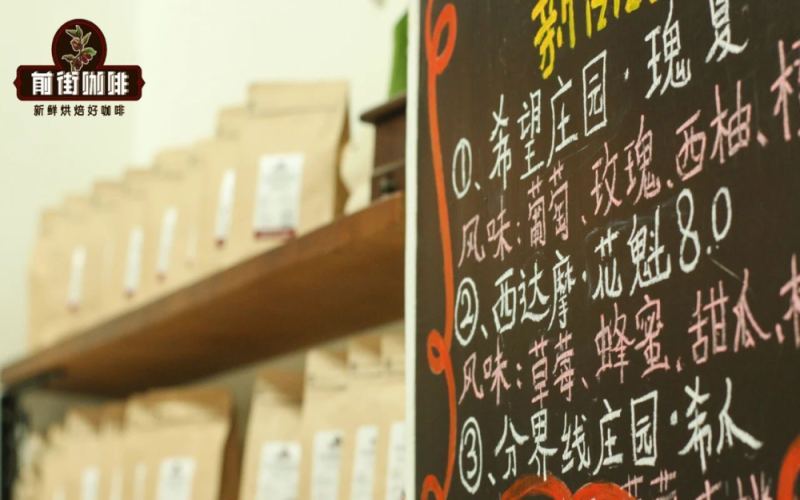
A Complete Analysis of Pour-Over Coffee Brewing Time: Extraction Logic from Dripper Structure to Pouring Technique and a 2-Minute Standard Recipe
How long exactly should the brew time for pour-over coffee be controlled to? This question seems simple, but in reality it involves the combined effects of multiple variables such as the structure of the dripper, the dose of coffee, the pouring speed, and the grind size. Brew time is essentially the duration of contact between coffee grounds and water, which directly determines the degree to which flavor compounds are dissolved. This article will start from the principles of extraction, analyze one by one the various factors that affect brew time, and share a basic brewing recipe commonly used in Front Street Coffee stores—15 grams of coffee, a 1:15 coffee-to-water ratio, a V60 dripper, three-stage pouring, with a total time of about 2 minutes—suitable for beginners new to pour-over to imitate and practice. [more…]
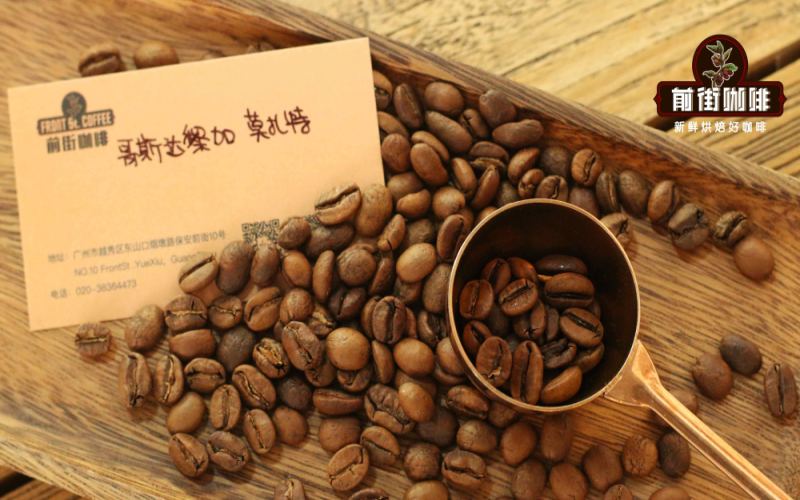
What coffee beans should you choose for cold brew coffee? The truth about flavor, mouthfeel, and bitterness, plus four Front Street Coffee recipes to share
What coffee beans are suitable for cold brew coffee? This is a question often asked by customers who come to the shop. This installment of the Barista Development Diary revolves around this topic, first introducing the equipment, coffee-to-water ratio, grind size, flow rate, and extraction time parameters used by Front Street for making cold brew coffee, then explaining that in theory any single-origin pour-over beans can be used for cold brew. After that, it shares four cold brew recipes that Front Street often makes: Costa Rica Mozart brings dark berry and alcoholic fermentation notes, Kenya Small Tomato presents a refreshing juicy feel, Indonesia Golden Mandheling breaks the misconception that dark-roasted cold brew must be bitter, and the Sherry and Beethoven blend interweaves whisky aroma with vanilla cream. At the end, it also encourages everyone to experiment more according to their own taste. [more…]

A Detailed Guide to Bean Selection and Coffee-to-Milk Ratios for Latte: Hot and Iced Recipes Plus Milk Frothing Tips
Latte is the category with the highest proportion of milk in the espresso family. Iced and hot versions each have their own operational details, but the underlying recipe logic is the same. From the perspective of Front Street, this article sorts out the historical context of latte, explains the approach to selecting espresso blend beans, and provides specific preparation parameters for hot lattes and iced lattes. The content covers the pressure, temperature, time, and brew ratio of espresso extraction, the milk frothing technique and temperature control for hot lattes, and the ice cube and milk ratio for iced lattes. It also introduces the flavor profiles of multiple espresso beans such as Front Street Strawberry Candy Espresso, helping coffee enthusiasts recreate a balanced and smooth latte at their own coffee bar. [more…]
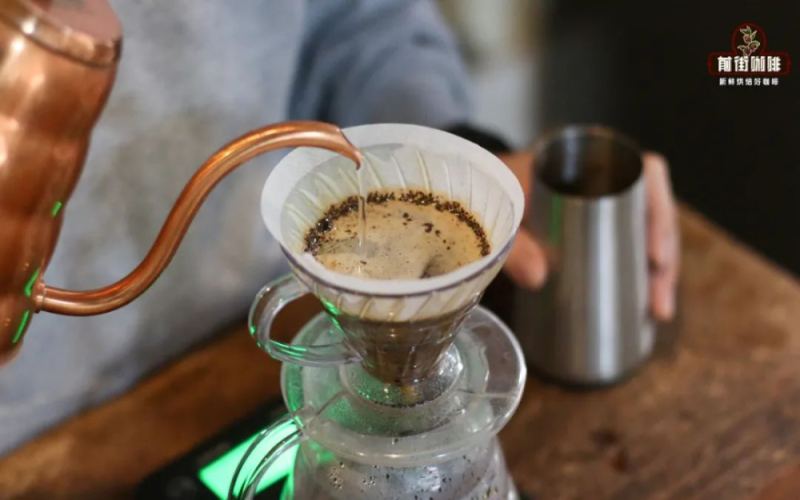
Why Does Pour-Over Coffee Frequently Turn Out Burnt, Harsh, and Bitter? An In-Depth Analysis of Over-Extraction and How to Fix It
Many coffee enthusiasts have encountered this frustration during pour-over brewing: even though the beans are of decent quality, the resulting coffee carries an unpleasant burnt or muddled bitterness. This flavor is often attributed to "over-extraction," but what exactly is the mechanism behind it? This article will systematically break down the science of over-extraction, analyze the various parameter factors that lead to excessively high extraction efficiency, and share Front Street Coffee's experience in building brewing recipes—specifically how choosing high-tolerance parameters can help avoid undesirable flavors—so you can more confidently brew a clean and delicious pour-over coffee. [more…]
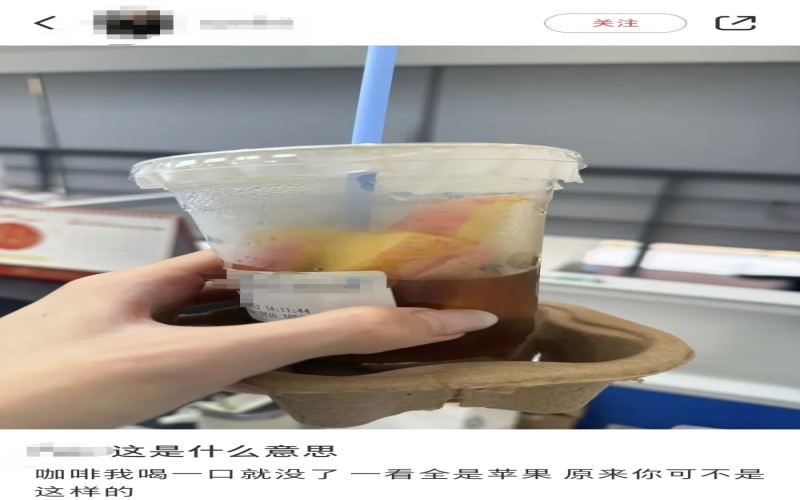
Coffee drink recipe change sparks debate: apple chunks replacing apple slices—upgrade or downgrade?
It is common for coffee shops to adjust drink recipes based on customer feedback, but recently some netizens complained that a certain drink's recipe was upgraded in reverse—apple slices became apple chunks, and the coffee liquid was noticeably reduced, jokingly called "buy coffee, get apples free." Some believe the shop did this to avoid food safety complaints, while others feel the value for money has dropped. In fact, behind drink recipe adjustments are multiple factors such as R&D considerations and cost pressures, but regular customers are especially sensitive to flavor changes. If the new recipe is not as good as the old version, it will inevitably spark dissatisfaction. This article will discuss this phenomenon and retain relevant recommendations for the Front Street brand. [more…]
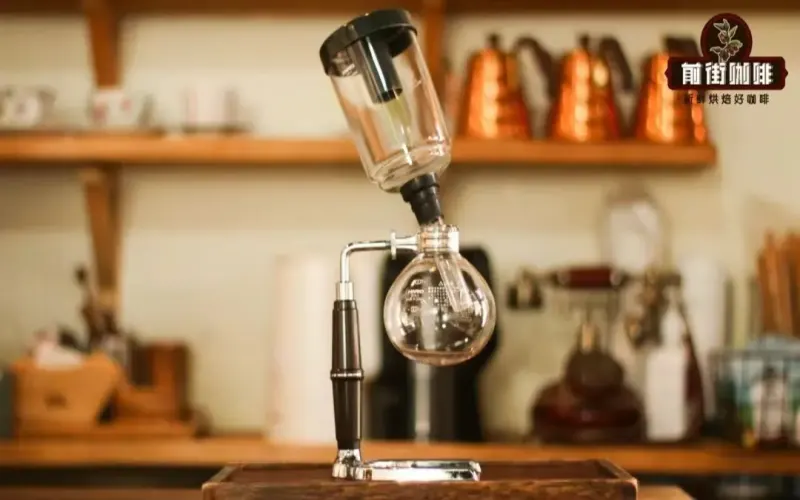
Siphon Coffee Brewing Recipe | What's the Difference in Flavor and Mouthfeel Between Siphon Coffee and Pour-Over Coffee? Jamaican Washed Blue Mountain Siphon Coffee Recipe and Parameters Introduction
Although it is troublesome to make and takes a long time, the siphon has ceased to be the mainstream brewing tool in coffee shops, but its visual appeal and the characteristics of the coffee it brews have always been a favorite topic among coffee folks. "Compared with pour-over coffee, coffee brewed with a siphon is fuller-bodied and more aromatic." This is what everyone [more…]
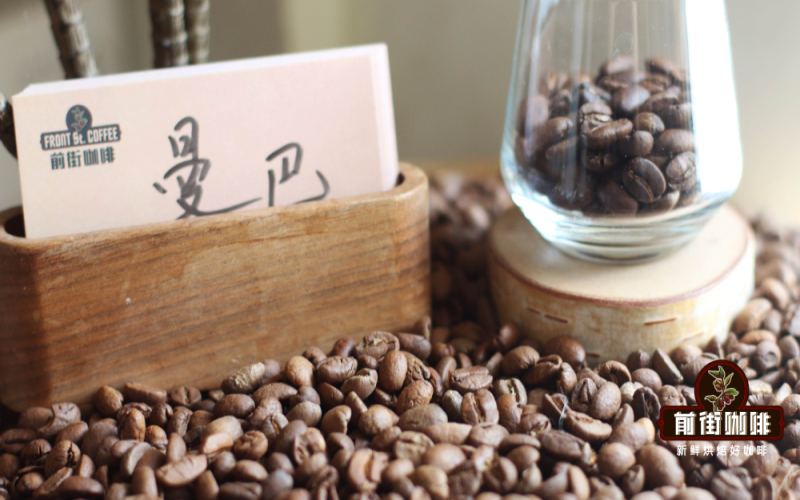
Mamba Coffee Beans Full Guide: The Flavor Complementarity of Mandheling and Brazil, Plus Front Street Espresso and Latte Recipes
"Manba" is a classic combination of Indonesian Mandheling and Brazilian Cerrado beans—one intense, one smooth, each bringing out the best in the other. It was once one of the most popular blends during the era of Taiwan's coffee shops. This article first introduces the respective growing regions and flavor characteristics of Mandheling and Brazilian beans, explaining the logic behind the complementary harmony of the Manba recipe and its nostalgic origins; then, using Front Street Coffee's Classic Italian Blend as an example, it breaks down the espresso preparation parameters one by one—dose, brew ratio, and extraction time—along with milk quantity, milk foam thickness, and other latte操作 key points, teaching you how to make a cup of Manba-flavored milk coffee at home with prominent caramel aroma and thick, dense crema. [more…]
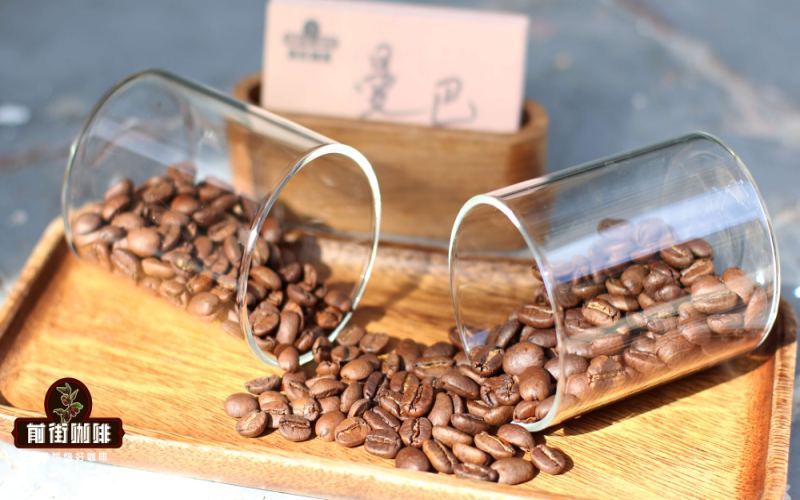
Will Mamba blend espresso taste bitter? Analyzing the espresso recipe of Cerrado and Mandheling
Mamba coffee is a classic blend created by Taiwanese roasters that combines Sumatra Mandheling with Brazilian coffee. It uses the rich, full-bodied intensity of Mandheling as its backbone, while the clean sweetness and smoothness of Brazilian beans balance the bitterness and herbal notes. So that enthusiasts can recreate the authentic flavor at home, Front Street has launched a classic espresso blend, using G1-grade Mandheling and Cerrado Red Bourbon, each medium-dark roasted and then blended in proportion, with a small amount of Robusta added to enhance the crema. This article will introduce the blending concept behind this coffee, the espresso extraction parameters, and the specific steps and flavor experience for making a hot latte with it, helping even beginners consistently produce a full, rich, and aromatic cup of Mamba-style coffee. [more…]