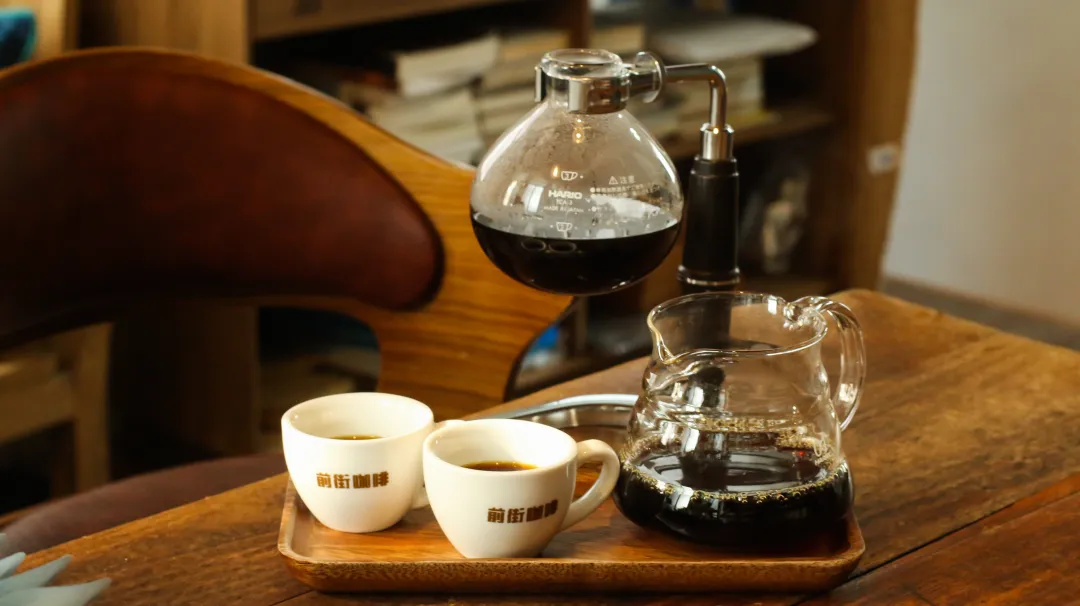
Although the siphon has ceased to be a mainstream brewing tool in coffee shops due to its troublesome and time-consuming preparation, its visual appeal and the characteristics of the coffee it brews have always been a favorite topic among coffee enthusiasts.
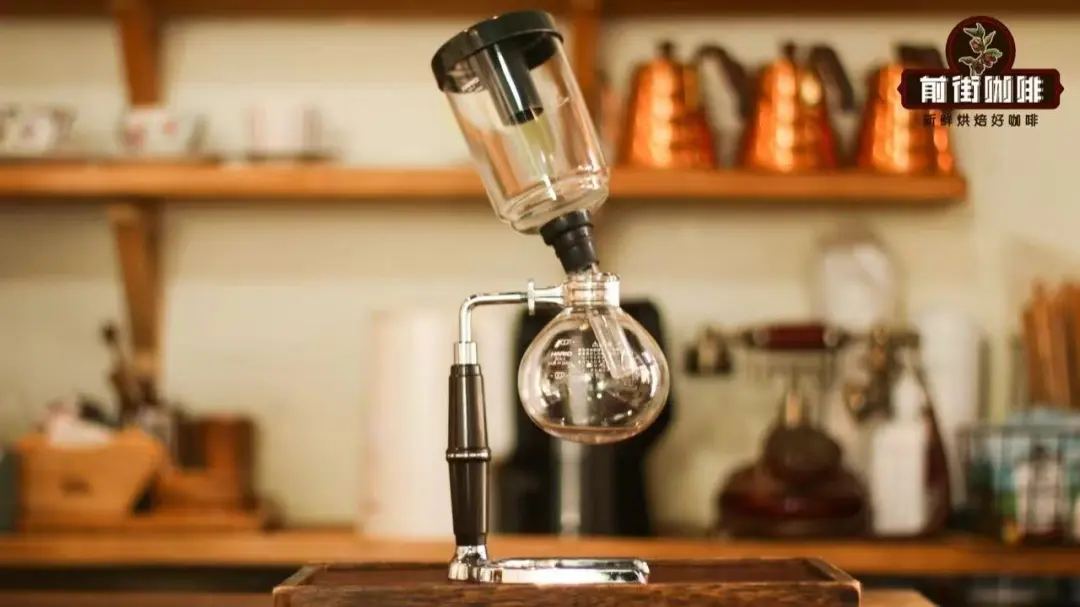
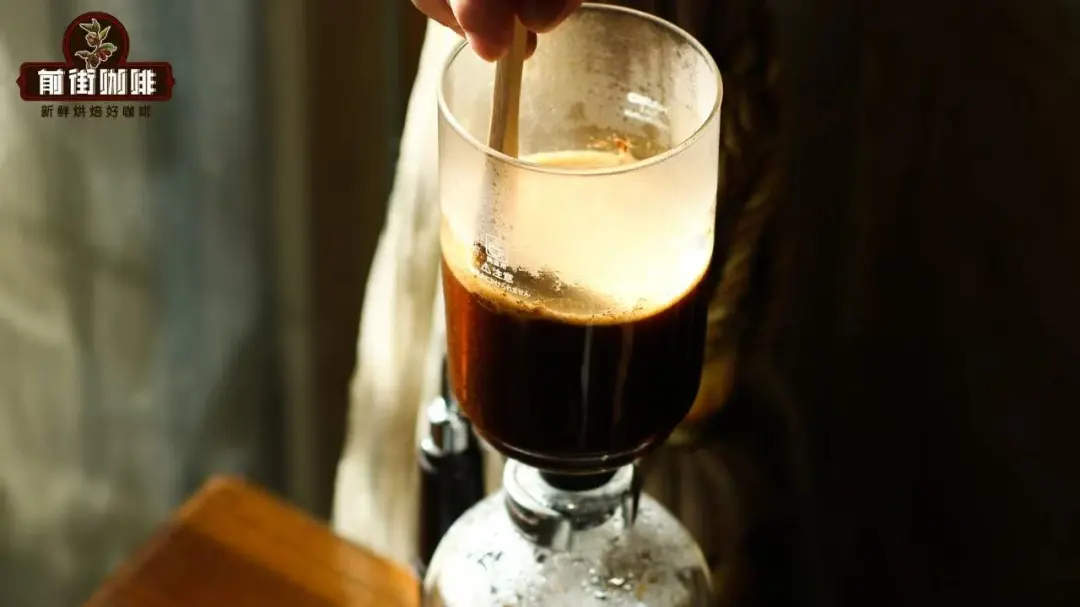
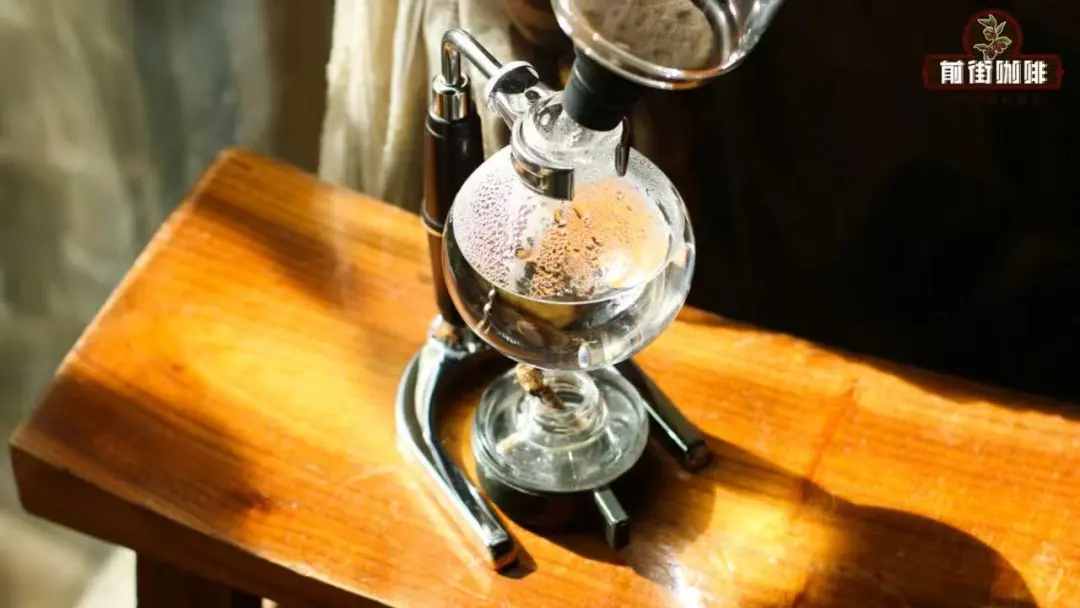
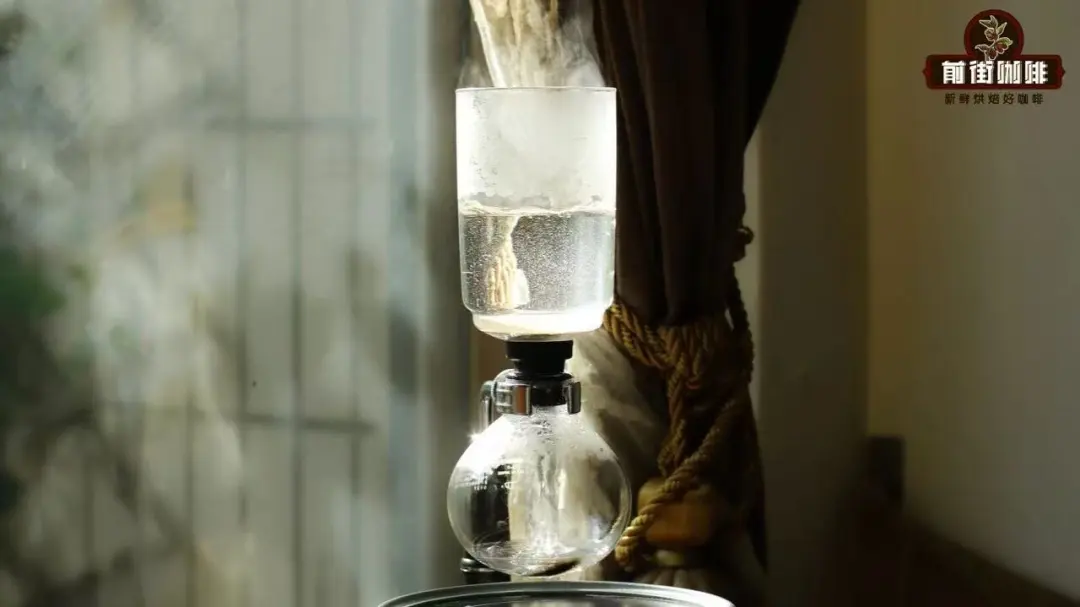
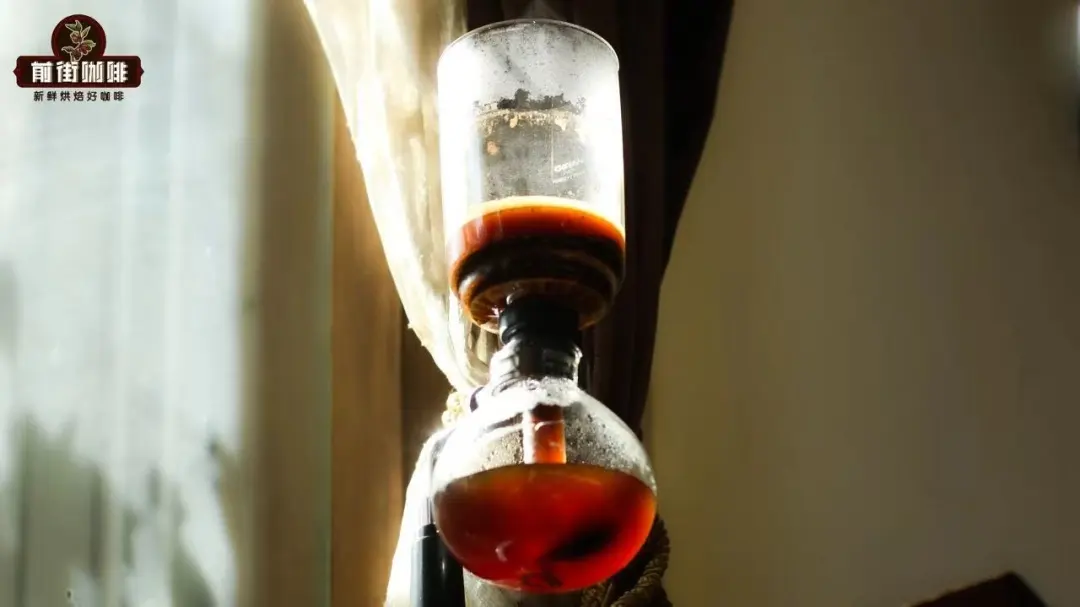
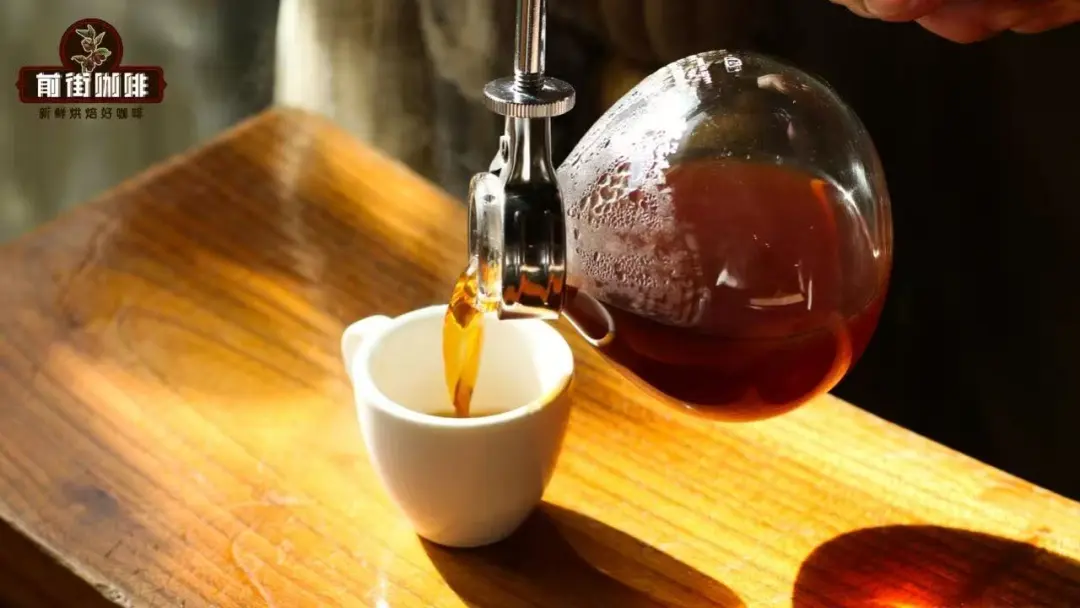
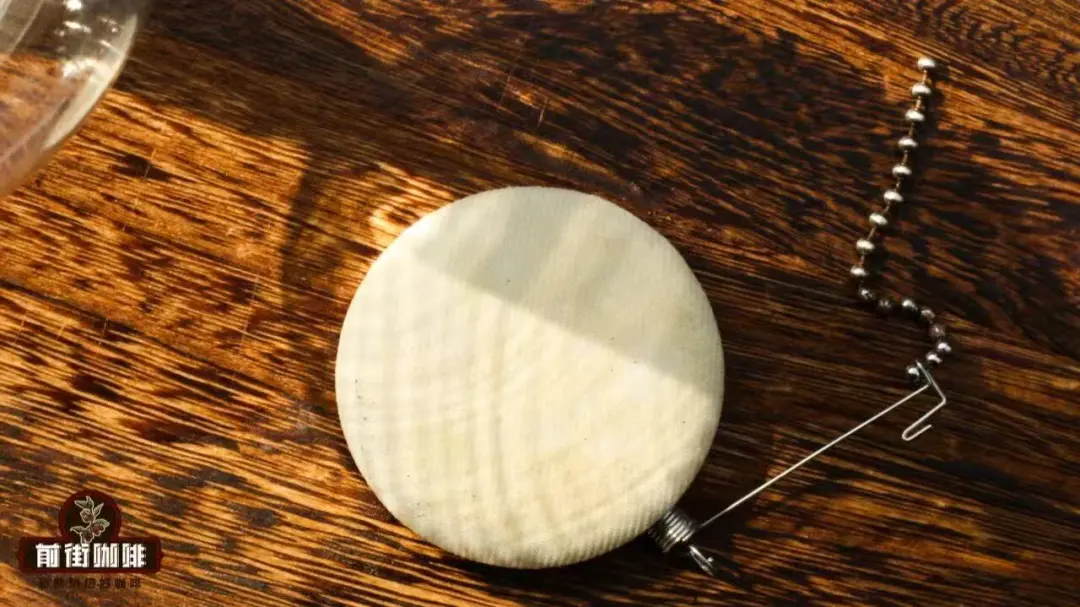
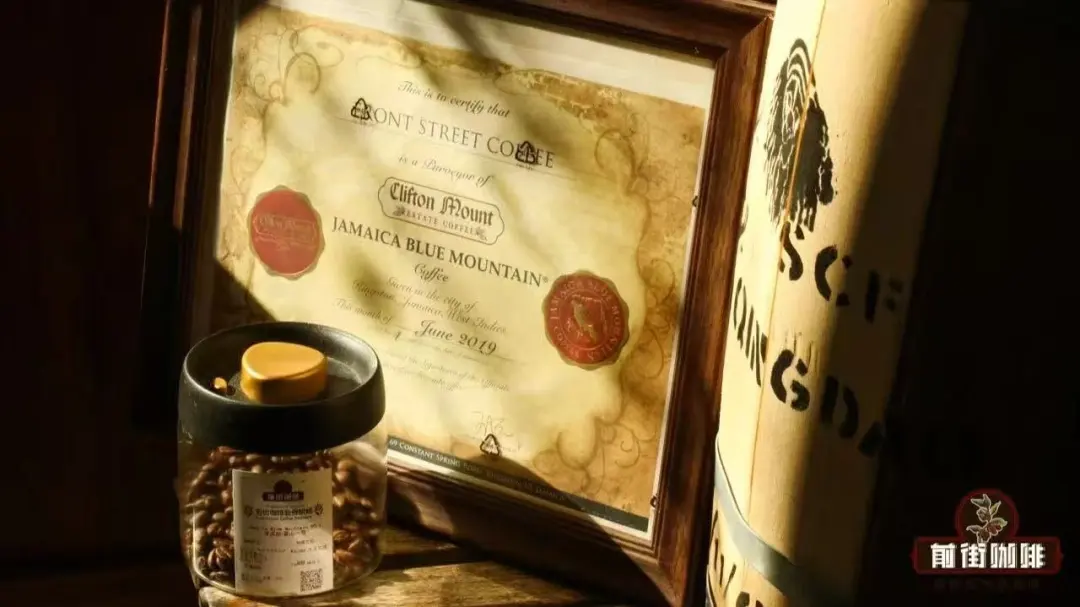
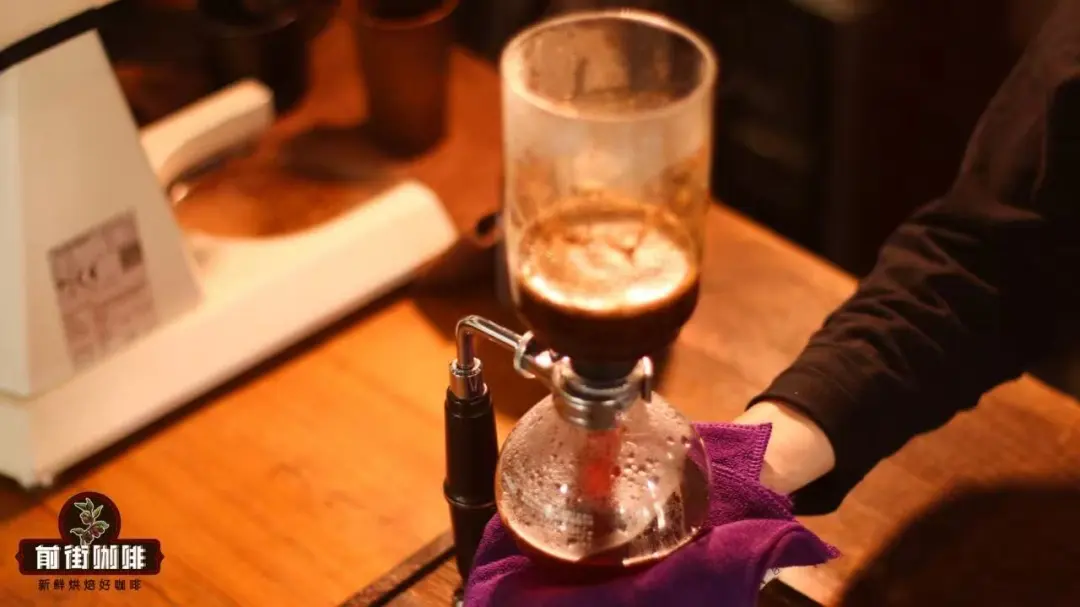
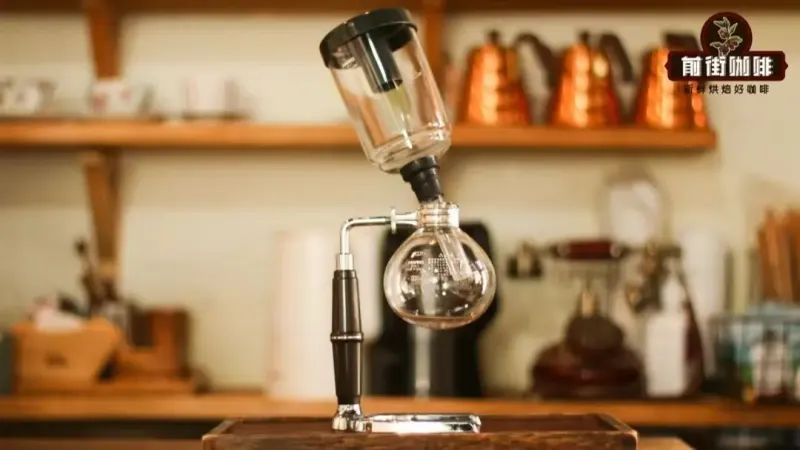
"Compared to pour-over coffee, coffee brewed with a siphon is fuller and more aromatic." This is the general consensus on siphon coffee. After some inquiries at Front Street Coffee, we found that most people believe the reason siphon coffee is more aromatic lies in the siphon's unique operation method.But is that really the case? Let us review the production process of siphon coffee.The structure of a siphon can be broadly divided into three parts: the upper chamber, the lower chamber, and the stand. The lower chamber serves as both the primary container for the liquid and the main part that receives heat during extraction, so it is shaped like a sphere in order to heat evenly;The upper chamber has a rather unique design. Its upper portion is cylindrical—this is where the coffee grounds come into contact with water, and it can also be said to be the site of coffee extraction. The lower portion, on the other hand, is constricted and extends into a slender tube, whose function is to guide water from the lower chamber up to the upper chamber, and also to guide the coffee liquid from the upper chamber down to the lower chamber;The stand serves to secure and support. It holds the lower chamber in place, and the lower chamber in turn connects to the upper chamber.The production process of siphon coffee is very simple: by heating the hot water in the lower chamber, a large amount of steam is generated, and then the upper chamber is used to seal the lower chamber, so that the presence of steam can create "pressure";At this point, the hot water in the lower chamber is pushed up into the upper chamber due to the increased pressure! Once the hot water has risen into the upper chamber, we can begin adding coffee grounds to start making the coffee.Once extraction is more or less complete, we can remove the heat source and lower the temperature of the lower chamber, so that the coffee liquid will flow back down into the lower chamber, and we can declare the coffee-making complete.As you can see, although operating a siphon is very complicated and cumbersome, its coffee extraction method is actually "immersion." It is a method where grounds and water are thrown together, stirred and steeped, and then after extraction is complete, the coffee grounds are filtered out.In a recent article, Front Street Coffee shared that because the coffee grounds are all immersed in hot water, the substances they dissolve out are roughly the same. Compared to the rich layers of drip coffee, this extraction method gives the coffee a more balanced presentation.But what makes siphon coffee more aromatic is not just the immersion—it is also its filtration method. In the upper chamber of a siphon hangs a filter with a chain, and the filter can be fitted with a flannel cloth or filter paper. Its function is to filter out coffee grounds so they do not fall into the lower chamber as the coffee flows back.Traditional siphons all use cloth filters. If you want something easier to clean or with better filtration performance, you can choose to use filter paper. But whichever you use, because the filter mesh does not cover completely, some substances other than coffee will still "sneak" out of the upper chamber and fall into the lower chamber.These substances are coffee lipids and extremely fine particles of coffee fines. Normally, when making pour-over coffee, they would be filtered out by the extremely strong filtration performance of the filter paper. But they can give coffee a richer aroma and a more substantial mouthfeel, because quite a few aromas are oil-soluble substances, so the addition of oils can enhance the coffee's aroma—something Front Street Coffee has shared before.So what exactly is the difference between coffee made with a siphon and pour-over coffee? Below is a comparison made by Front Street Coffee using the Front Street Jamaica Blue Mountain No. 1 coffee from our bean list. You can refer to it~(Since Front Street Coffee has already shared siphon coffee production in previous articles, we will not elaborate further here. Those interested can look it up on their own.)Blue Mountain brewed by pour-over is already very mellow in taste, full of aroma, and drinks soft and clean, with flavor notes of chocolate, hazelnut, cream, and caramel, and a long finish. Blue Mountain brewed with a siphon, on the other hand, has a richer aroma, a more substantial mouthfeel, and an even longer finish on top of the pour-over base. It is just that compared to pour-over, its mouthfeel is not quite as clean. Each has its own advantages.So now you can understand why coffee brewed with a siphon is more aromatic. The reason is simply that oils and coffee fines are added into the coffee. And this kind of taste is not impossible to replicate. When we use a French press or any immersion-style coffee-making method, as long as the coffee is not filtered so cleanly, we can get exactly the same aroma and taste as siphon coffee.But making coffee with a siphon is certainly not only about its taste—it is also about the sense of ritual, or rather the experience, brought by the entire process. It is precisely the cumbersome process and the high visual appeal that add a lot of impression points to the taste of siphon coffee, making the drinking experience different from the ordinary~ But it is also precisely because of this that, in this fast-paced era that pursues efficiency, the siphon has gradually drifted away from the mainstream and become a very niche coffee device.
The above content is compiled by CoffeeHunters, a coffee news website.