







Search Results for: extraction order
Espresso Measurement Decoded: How Much Coffee Is in a Shot? From Bar Lingo to Coffee Shop Standards
When ordering at a coffee shop, you'll often hear phrases like "add a shot" or "give me a shot," but how much espresso does one shot actually mean? This term actually originated from bar culture and was later borrowed into the coffee world. As extraction equipment and production standards have continued to evolve, the meaning of "shot" has also undergone a shift from measuring by dose to measuring by liquid volume. This article will sort out the origin of the term "shot," what it specifically refers to in the coffee context, and how modern coffee shops deal with the awkwardness brought by traditional measurement methods, helping coffee enthusiasts understand the ordering logic of espresso more clearly. [more…]
American Coffee: Add Water First or Espresso First? Analyzing the Order Difference and the Real Distinction from Long Black
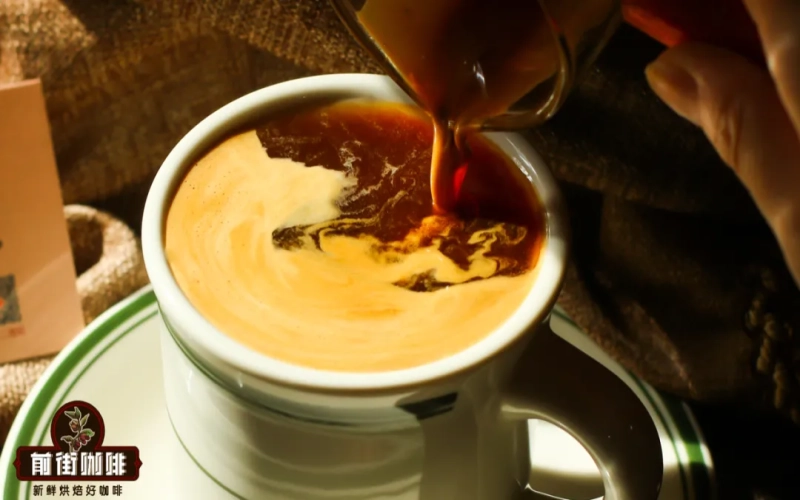
Should you pour the water first or the espresso first for an Americano? This question seems simple, yet it involves the essential difference between a Long Black and an Americano, the evolution of service efficiency, and the practical differences in taste and appearance. Through comparative experiments, Front Street Coffee found that the two pouring orders do produce differences in crema retention, aroma expression, and flavor evenness, but under blind tasting they are almost indistinguishable. At the same time, a Long Black is not simply about reversing the order—it clearly differs from an Americano in strength. This article, drawing on Front Street Coffee's actual service experience and combining coffee bean recommendations with extraction parameters, will break down these questions one by one. [more…]
Analyzing the Differences Between Americano and Long Black Coffee: A Comprehensive Comparison from Water Order to Espresso Extraction
As a globally recognized coffee beverage, Americano is essentially nothing more than espresso diluted with water. Yet the Australian Long Black, also made from espresso and water, has its own distinct method and flavor profile. What exactly is the difference between the two? Is the widely circulated claim of "water first, then coffee" accurate? This article, from the perspective of Front Street Coffee, sorts out the real differences between Americano and Long Black in terms of water volume, concentration, and the degree to which crema is preserved, and also introduces the extraction characteristics of Lungo. In addition, for the problem of homemade Americano tasting too sour, practical advice on bean selection and extraction adjustment will be provided, helping coffee enthusiasts gain a more comprehensive understanding of these seemingly simple black coffees, each with its own nuances. [more…]
Americano | When making an Americano, do you add water first or espresso first? Does the order of adding water affect the flavor and mouthfeel of an Americano black coffee?
Front Street Coffee has noticed that quite a few friends are still stuck on the question of "should you add water first or espresso first when making an Americano?" Because every time Front Street Coffee serves an Americano, there's always someone who asks: "The most authentic way to make an Americano should be to pour the espresso first and then the water, but why do most Americanos nowadays have the water poured first and the espresso after? [more…]
Complete Guide to Full-Ice Americano: Differences from Regular Iced Americano and Secret Menu Ordering Tips
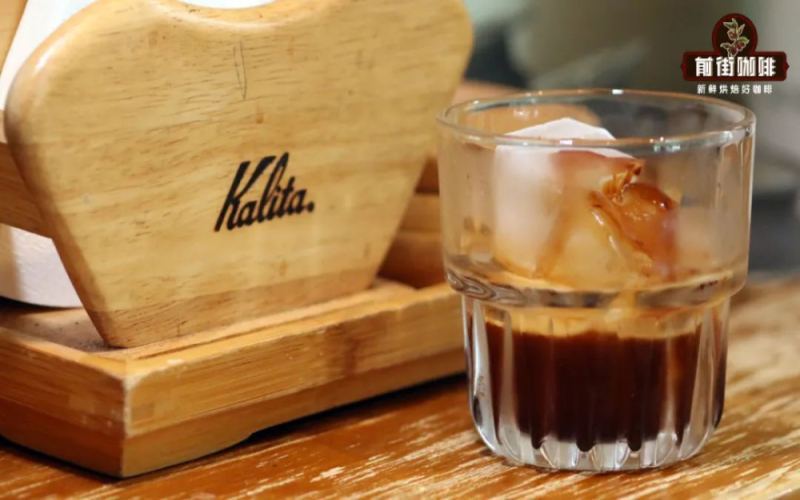
Have you ever heard an order like this in a coffee shop—"Iced Americano, no water"? This seemingly simple drink is actually the all-ice Americano hidden behind the menu. It completely replaces the water in an Americano with ice cubes, allowing the espresso to lock in its aroma through rapid cooling, presenting a richer, more layered flavor. This article starts from Front Street Coffee's actual production and breaks down in detail the recipe ratio of the all-ice Americano, its taste differences compared with a regular iced Americano, and, combined with the concept of "extract chilling" proposed at the 2021 WBC Barista Championship, guides you to understand the flavor logic behind this way of drinking it. If you are also curious about exactly how espresso over ice is different, read on. [more…]
Which coffee types do coffee connoisseurs prefer? A complete guide to ordering techniques at specialty coffee shops and pour-over, cold brew, and espresso.
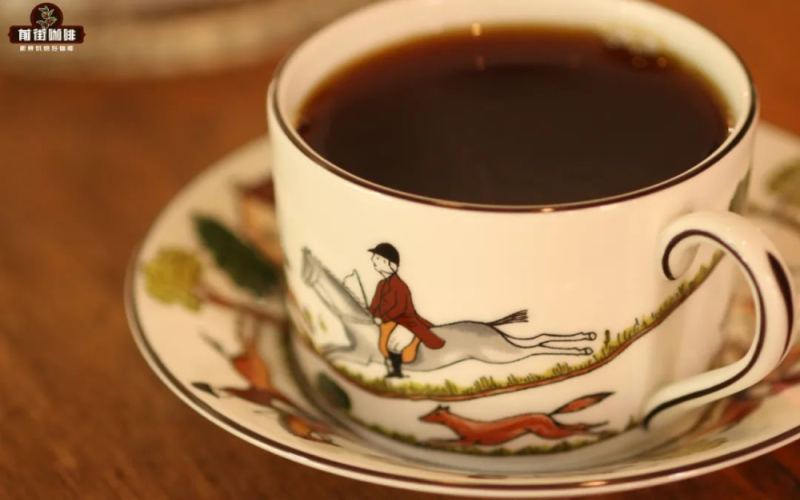
For those who truly appreciate coffee, pour-over, cold brew, and espresso are the three most commonly chosen categories of drinks. Pour-over uses hot water and natural gravity for extraction, giving a clean and layered flavor; cold brew uses cold water for a long soak, producing a full-bodied mouthfeel with fruity sweetness; espresso uses pressure to quickly extract a small amount of rich, mellow coffee liquid. Cafes mostly choose single-origin coffee beans for making pour-over and cold brew, while they prefer blended beans for espresso. This article will systematically sort out the differences between single-origin and blended coffee, brewing parameters, espresso blend recipes, and ordering ideas, and share Front Street Coffee's commitment to fresh roasting and consistent output, helping you order exactly the cup you want in a coffee shop. [more…]
What's the difference between a Flat White and an Aussie White? A comprehensive guide from ordering tips to Front Street Coffee's recipe
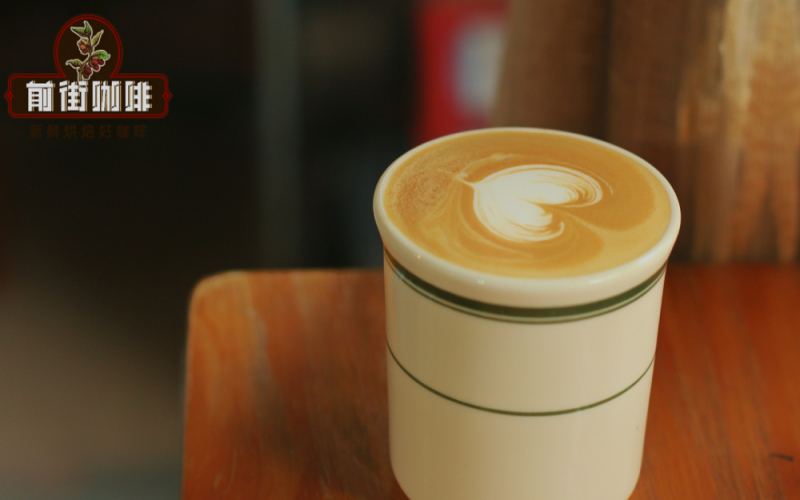
Flat White, this milk coffee originating from the Southern Hemisphere, is called 馥芮白 at Starbucks, 醇艺白 at Costa, and 澳瑞白 at Luckin, while baristas at Front Street Coffee prefer to call it 澳白. How exactly does it differ from a latte or a cappuccino? Why should the milk foam be kept within 0.3cm? How do the three elements—small cup size, thin milk foam, and a ristretto base—come together to make a delicious Flat White? This article will break down the characteristics of this beverage one by one, from its historical origins, its differences from a latte, and key points for ordering, to the complete recipe at Front Street Coffee, helping coffee lovers find the cup that suits them best whether ordering or making it at home. [more…]
Why Is Americano So Sour? A Detailed Guide to Standard Americano Preparation and Optimal Extraction Parameters
As a classic coffee beverage enjoyed worldwide, Americano seems simple to make—just add water to espresso—yet many people find that their homemade Americano tastes too sour and lacks a rich, mellow body. From the perspective of Front Street Coffee, this article systematically sorts out the real differences between Americano and Australian Long Black in terms of preparation order and water ratio, and further introduces the extraction characteristics of Lungo. At the same time, it offers specific adjustment suggestions for the two main causes of overly sour Americano—too light a roast level and insufficient extraction. The article also recommends coffee beans suitable for making Americano and lattes, such as Front Street Black Cocoa Blend, Front Street Commercial Blend, and Front Street Classic Espresso Blend, helping coffee lovers achieve more stable flavor performance in their daily brewing. [more…]

What factors determine espresso strength? An analysis of the correct ways to order with an extra shot versus a stronger pull
In the daily operation of a coffee shop, we often encounter customers who want a stronger cup of coffee. They tend to express their request for extra strength by saying "extract more espresso," but they are not quite aware of the professional option of "adding a shot." In fact, the strength of espresso is affected by multiple factors such as dose, yield, grind size, water temperature, and pressure, and adding a shot is only one way to adjust strength. This article will systematically sort out the key variables that affect espresso strength, explain the specific meaning of adding a shot, and introduce the standard phrasing for ordering a stronger coffee. The article also draws on product examples from Front Street Coffee to help enthusiasts understand the logic of strength control more accurately, so that next time they order, they can express their preferences clearly and professionally. [more…]
What exactly is the difference between an Australian White and a Flat White? Starbucks Flat White ordering tips and an analysis of its taste and sweetness
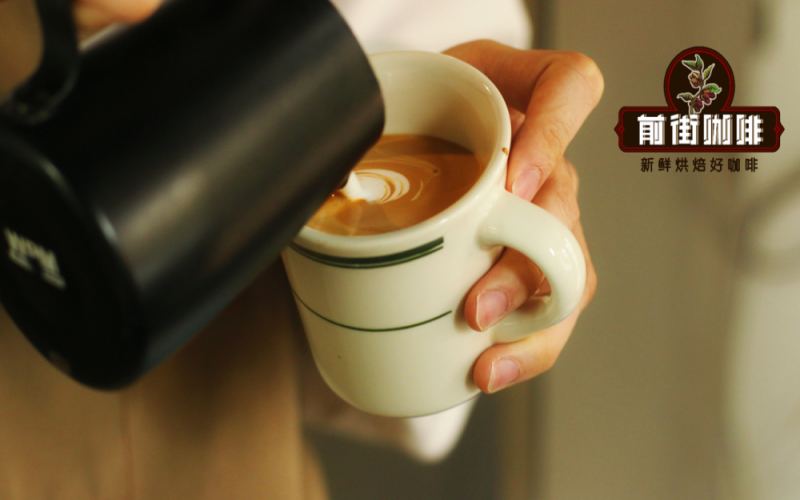
Aurora White and Fu Rui White are actually the same coffee—Flat White, originating from Australia, made from espresso and milk. Although it shares similar ingredients with latte and Dirty, the ratios and preparation methods are completely different, and the taste focuses on different aspects. This article breaks down the differences between the three in detail, and focuses on the espresso extraction methods for Flat White, including the differences between regular Espresso and refined Ristretto. At the same time, Front Street Coffee shares several blend beans suitable for making Italian milk coffee, and how to use the Sunflower Warm Sun blend beans to make a cup of Flat White with rich flavor layers. If you want to know how to order Starbucks Fu Rui White to make it taste better, and whether it is sweet, this article will also provide practical advice. [more…]

The Espresso Shot Breakdown: How Much Coffee Is in a Shot? Single vs. Double Definitions and Their Evolution
When ordering at a café, you often hear "add a shot" or "get a double espresso," but how much coffee does one shot actually represent? This article traces the evolution of the word "shot" from drinking culture to the coffee world, breaks down the extraction formulas for traditional single and double shots, and explains how modern baristas use liquid weight as the standard, making the gram amount of each espresso vary from shop to shop. At the same time, drawing on extraction examples from Front Street Coffee, it helps you understand the concept of espresso serving sizes more clearly. Whether you are a coffee enthusiast or a customer ordering day to day, you can gain practical knowledge from it. [more…]
Is Pour-Over Coffee the Same as Americano? A Detailed Explanation of the Coffee-to-Water Ratio and How to Order Pour-Over at Starbucks
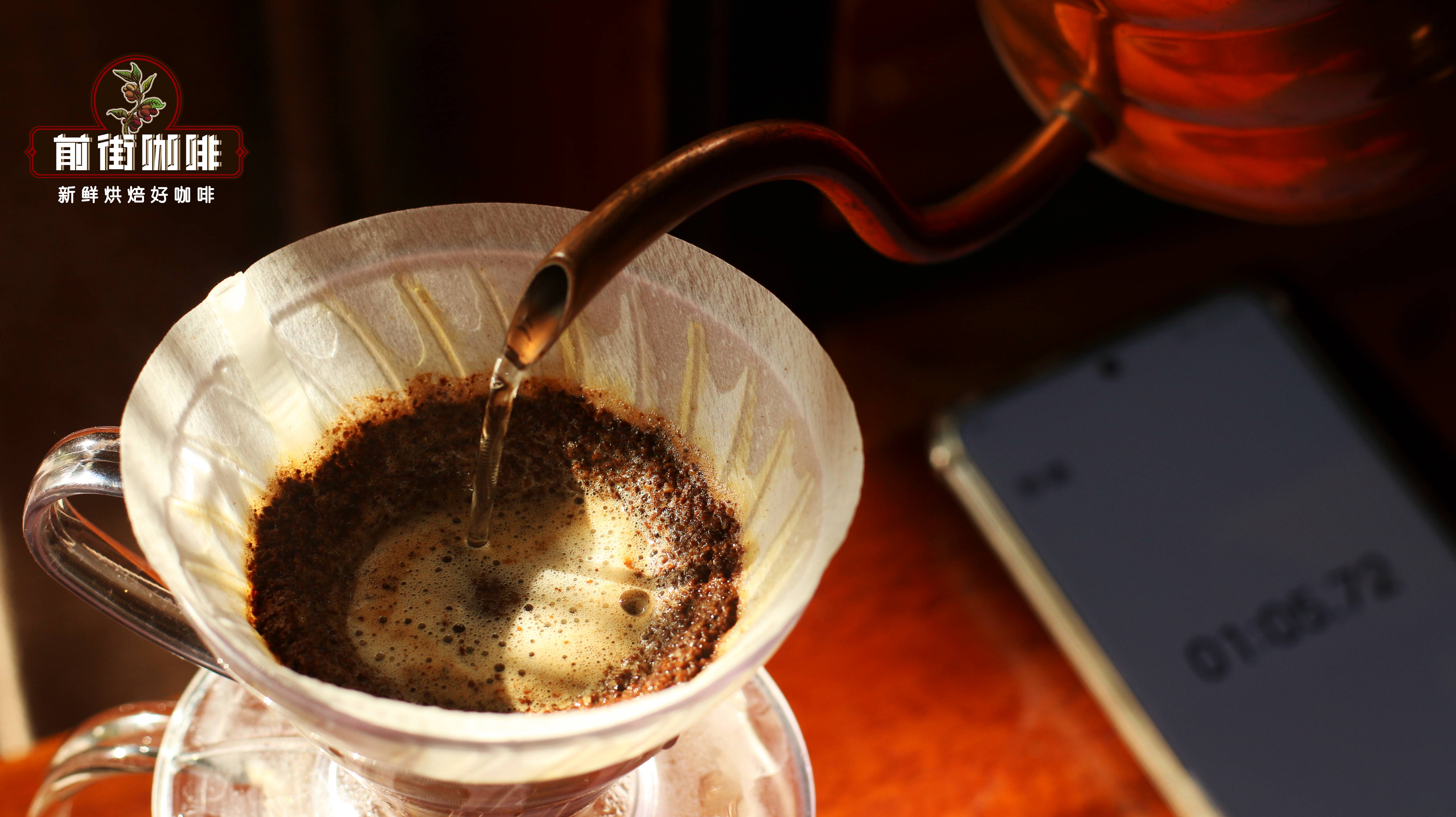
Many people conflate pour-over coffee with Americano, but the two actually differ significantly in both brewing method and flavor profile. Starting from Front Street Coffee's brewing experiments, this article explores the practical impact of the coffee-to-water ratio on flavor, comparing how coffee concentration and extraction yield change under different ratios. It also outlines the definition and traditional ratios of Americano, and, drawing on the practice of Front Street Coffee's Sunflower Warm Sun blend, explains how to find the Americano ratio suited to a particular coffee bean. It then compares the taste differences between espresso and Americano, and finally offers tips for ordering pour-over coffee at Starbucks. [more…]
Why Don't Italians Drink Cappuccino in the Afternoon? Coffee Bean Selection and Extraction Tips for Making a Rich, Aromatic Cappuccino
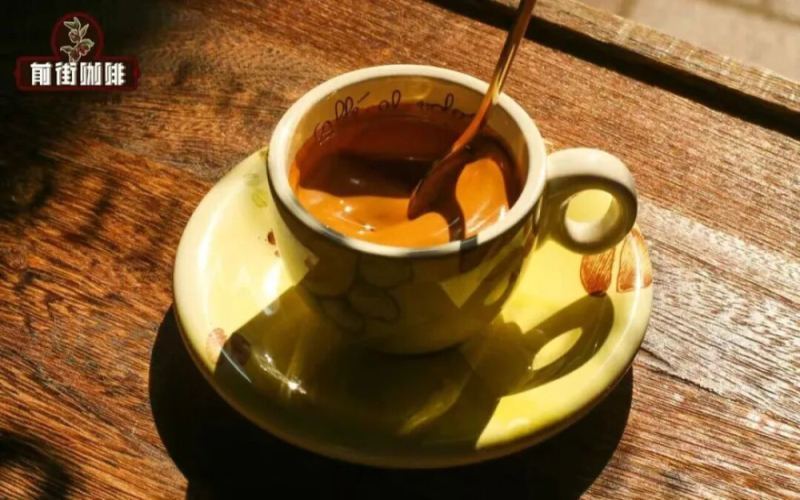
Cappuccino is a milk coffee that many coffee lovers enjoy daily, but in Italy, this drink carries an unwritten rule—ordering it in the afternoon may draw sideways glances. Why do Italians regard cappuccino as a "breakfast drink"? What are the local customs regarding its thick milk foam, intense espresso flavor, and filling the cup to 11 points? What coffee beans should be chosen to make an authentic cappuccino? From the perspective of Front Street, this article traces the origins of Italian coffee customs, analyzes the flavor characteristics and extraction parameters of cappuccino, and recommends Front Street's classic espresso blend coffee beans, guiding you to understand the cultural logic and brewing details behind this milk coffee. [more…]
Why Is Espresso Ordered So Rarely? An In-Depth Look at Espresso's High Concentration and Bitter Notes
Espresso, as Italy's national drink, is known for its high concentration and quick preparation, yet in China few people actively order it. Its TDS concentration can reach 7%–12%, far exceeding pour-over coffee, and bitterness becomes most people's first impression. However, bitter does not mean undrinkable—the caramel, dark chocolate, and roasted nut aromas brought by dark-roast blends, along with the viscous texture imparted by Crema, are the true flavor core that enthusiasts seek. In recent years, the rise of SOE has given espresso even more diverse expressions such as fruity notes and fermented aromas. Starting from Front Street Coffee's experience, this article takes you to rediscover this small-volume, high-density cup of coffee. [more…]
The Core Difference Between Americano and Long Black: It's Not Just About the Order of Pouring Water
Many people believe that the difference between an Americano and a Long Black lies in whether you pour the water first or the espresso first—but is that really true? Starting from a conversation at a Front Street Coffee location, this article takes a deep dive into the essential differences between these two black coffees in terms of brewing logic, cup ratio, and flavor goals. The Americano originated from the need of American GIs during World War II to dilute espresso; it is flexible to make and can be served hot or iced. The Long Black, beloved by Australians, by contrast emphasizes pouring water first and espresso second, in order to preserve the crema and layers of flavor, with a smaller cup size and stricter ratios. Using Front Street Coffee's serving parameters as an example, the article also explains in concrete terms the practical differences among hot Americano, iced Americano, and Long Black in extraction yield, water temperature, and coffee-to-water ratio, helping coffee lovers truly understand these two black coffees that seem similar but each have their own particularities. [more…]
Espresso Flavor Analysis: Is Espresso Bitter, How to Taste It, and a Guide to Choosing Espresso Beans
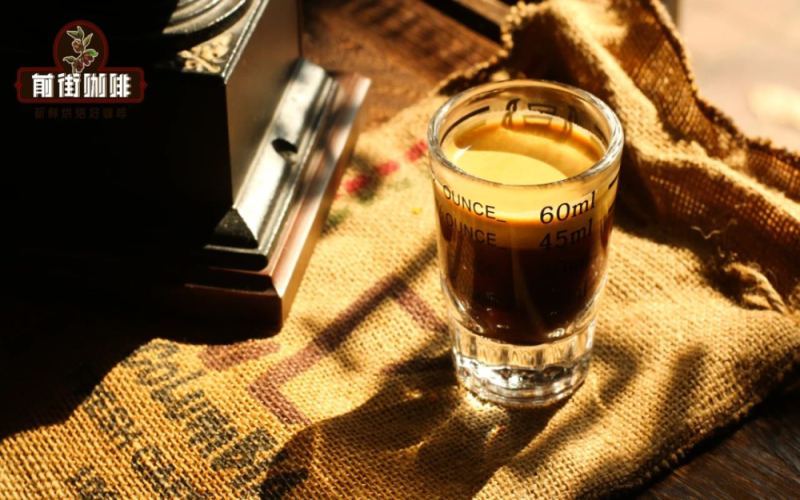
Espresso is the drink least frequently ordered on its own in coffee shops, and many cafes even keep it hidden off the menu, making it only when a customer specifically asks. This article revolves around several core questions about Espresso: Is it actually bitter? How should you taste it? What makes it unique? Why do most cafes prefer to use espresso blends to make it? At the same time, Front Street Coffee has also put together several espresso bean recommendations suitable for stable extraction, covering a delicate winey type, a slightly acidic and full-bodied type, a balanced rich-aroma type, and a classic full-bodied type, for friends who want to recreate the espresso flavor at home. [more…]
Starbucks Espresso Ordering and Tasting Complete Guide: From Espresso Basics to Four Italian Blend Bean Recommendations
Espresso is the base for many specialty coffee drinks, and Starbucks is no exception. However, Espresso has a strong, heavy flavor that not everyone can easily accept. From the perspective of Front Street Coffee, this article systematically explains how to order Starbucks espresso, the definition and characteristics of Espresso, the logic behind choosing Italian blend beans, and recommends four blend coffee beans suitable for making espresso. In addition, it provides a detailed introduction to three common ways of drinking espresso—drinking it straight, adding milk to make milk-based drinks, and adding water to make Americano—as well as the preparation ratios and extraction parameters for lattes, helping coffee enthusiasts fully master the key points of tasting and making espresso. [more…]
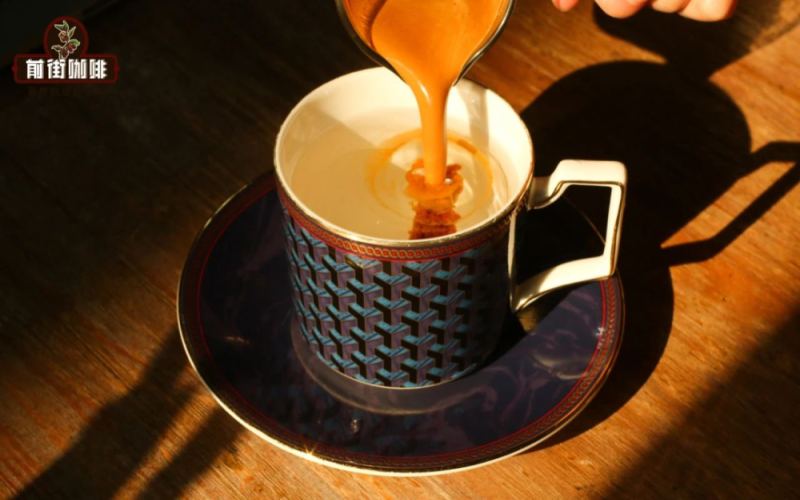
Benefits of Black Coffee | What Are the Health Benefits of Americano? How Do You Make an Authentic Americano? What Factors Cause Espresso Over-Extraction?
Americano, a coffee that every café sells, and a must-order for coffee lovers. Because Americano is quick to make, has great flavor, and tastes good, office workers who are rushing to work often order an Americano when they go to a café—saving time while also giving themselves a pick-me-up for work. And in this [more…]
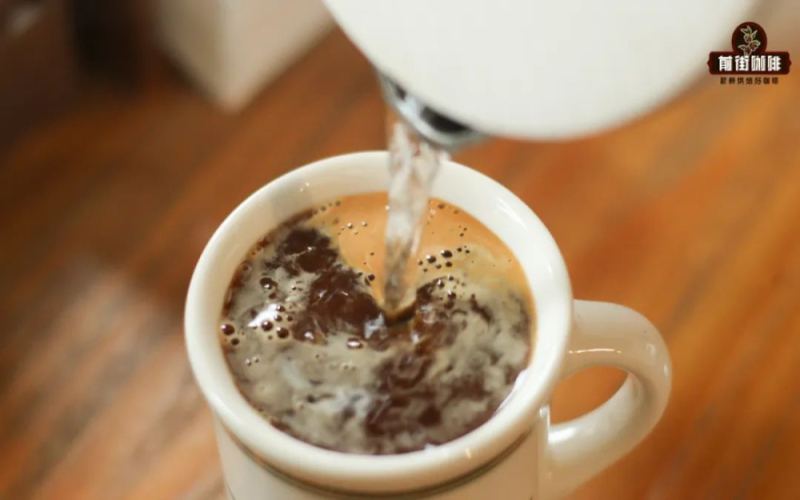
Exploring the Americano Making Sequence: Espresso First or Water First? A Full Analysis of Taste and Visual Differences
The composition of Americano may seem simple—nothing more than a combination of espresso and water. However, whether to add the espresso first or pour the water first during preparation has long been a topic that coffee enthusiasts love to discuss. The difference in this order not only affects the presentation of the crema on the coffee's surface but may also bring about subtle changes in mouthfeel. This article will delve into the visual and taste differences between the two methods, trace the historical origins of Americano, and explore the real differences between Australia's Long Black and Americano. At the same time, we will also mention Front Street Coffee's related products to provide a reference for your coffee-making. [more…]
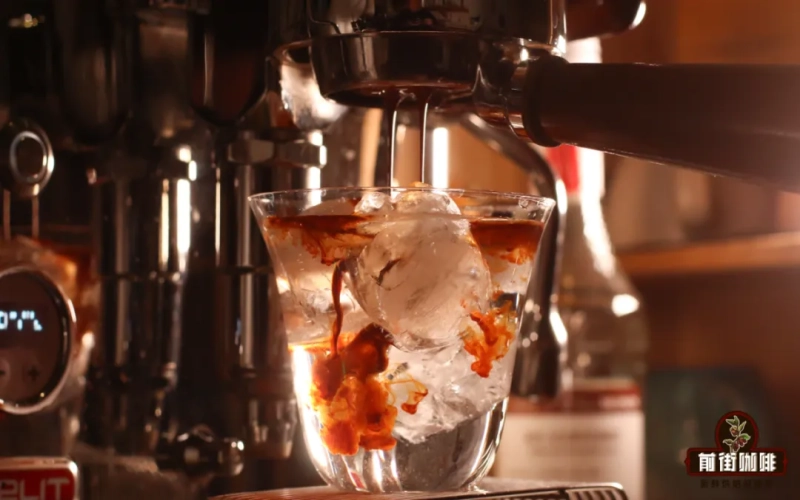
How to Make an Iced Americano Without Water? Key Points and Flavor Advantages of the All-Ice Espresso
Ordering an iced Americano with extra ice and no water has become increasingly common in coffee circles in recent years. It is not simply equivalent to drinking espresso directly; rather, through the collision of ice cubes with hot espresso, it produces a cup of iced coffee with higher concentration, lower bitterness, and more fully preserved aroma. This article will start from the basic composition of an Americano, explain the difference between a water-free iced Americano and a regular iced Americano, and detail the order of production, the principle of extraction cooling, and practical techniques such as shaking to cool down, helping you make a better-tasting all-ice Americano. [more…]