







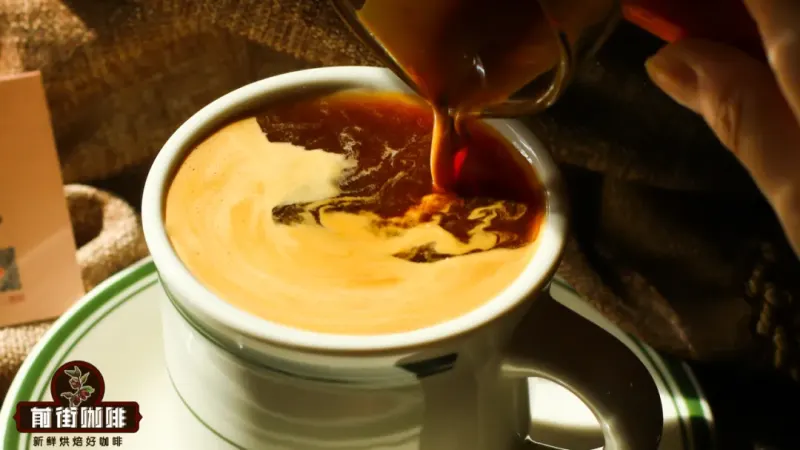
Does American Coffee Change When You Pour Water First?
Pouring water first or espresso first does change crema retention, aroma, and how evenly the drink mixes, but in blind tasting the two American coffees were nearly indistinguishable. The order mainly affects appearance and the first few sips, not the underlying flavor of the beans.
A Long Black is not simply an Americano poured in reverse. Aside from the sequence, the two differ in concentration, with the Long Black keeping a smaller water volume so the espresso stays more intense. For the Americano itself, medium-roast beans are often recommended to bring out caramelized aroma with some acidity and sweetness.
Should you pour water first or espresso first for an Americano? This question seems simple, yet it involves the essential difference between a Long Black and an Americano, the evolution of serving efficiency, and the actual differences in taste and appearance. Through comparative experiments, Front Street Coffee found that the two sequences do produce differences in crema retention, aroma expression, and taste uniformity, but in blind tasting they are almost indistinguishable. At the same time, a Long Black is not simply the reversed order — it has a clear difference in concentration from an Americano. This article, based on Front Street Coffee's actual serving experience and combined with coffee bean recommendations and extraction parameters, will break down these questions one by one.
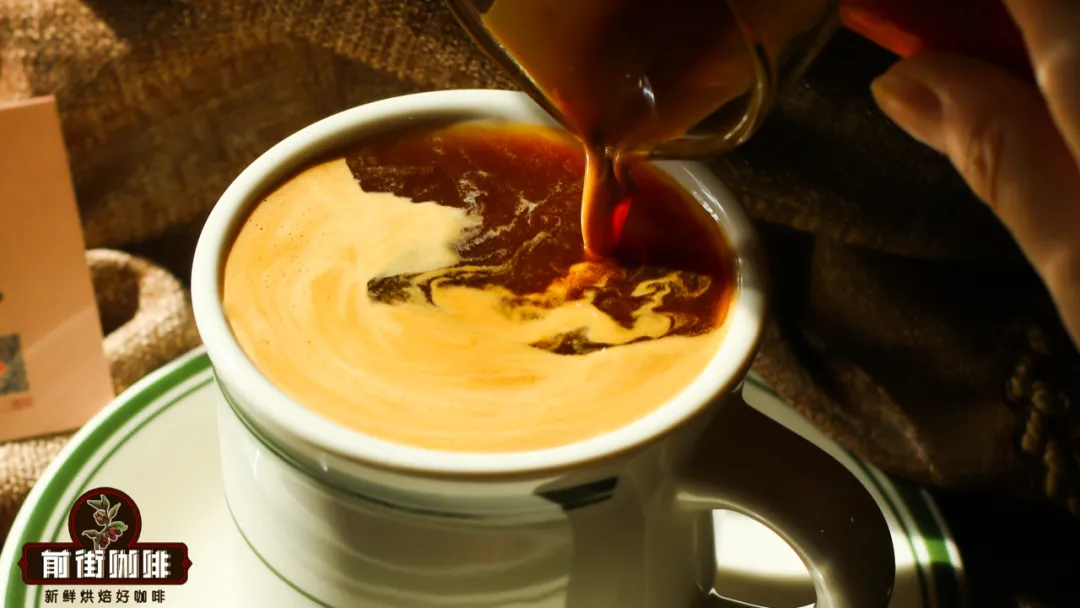
Front Street Coffee has noticed that quite a few friends are still confused about whether to pour water first or afterward for an Americano. Every time Front Street Coffee serves an Americano, someone always raises this question: "Isn't the most traditional Americano supposed to have espresso first and then water? But why do most shops today do the opposite — pour water first, then pour in the espresso?"
To answer this question, we must first understand what differences the different pouring sequences bring. But before expanding on that, Front Street Coffee wants to clarify one point: the practice of water first and espresso afterward does not equal a Long Black.
The reason is that, aside from the reversal of pouring order, a Long Black and an Americano also differ in concentration. Front Street Coffee has explained this in detail in several previous articles, so we will not repeat it here.
Next, Front Street Coffee will make two Americanos using exactly the same coffee beans and parameters, with the only variable being the order in which the espresso and water are poured. Let's see what differences they actually have.
What changes in an Americano when the order is reversed?
When making an Americano, it is recommended to prioritize medium-roast coffee beans, which can highlight caramelized aroma and roasting character while retaining slight acidity and sweetness, making the overall taste more balanced. The barista recommends buying Front Street Coffee Queen's Estate, Front Street Coffee Black Cocoa Basic Blend, and Front Street Coffee Specialty Blend, where you can taste flavors of nuts, toast, sunflower seeds, and cream.
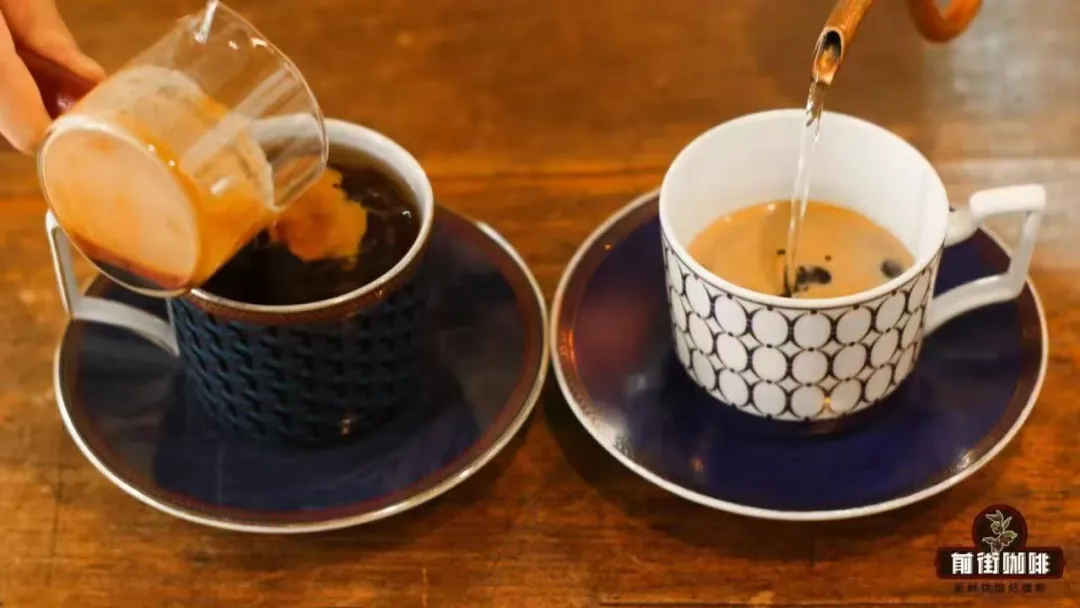
If you prefer an Americano that is not bitter, then choose Front Street Coffee Huakui SOE. It carries the berry aroma and bright acidity unique to high-altitude Ethiopian beans, refreshing and pleasant, cool and thirst-quenching.
The extraction parameters remain unchanged: 20g dose, 30 seconds, 40ml coffee liquid.
After the espresso extraction is complete, assemble the Americanos in different orders. The specific steps are: for one cup, first pour 40ml of espresso into the cup, then pour in 160ml of 70°C hot water; for the other cup, do the opposite — first pour in 160ml of 70°C hot water, then add 40ml of espresso.
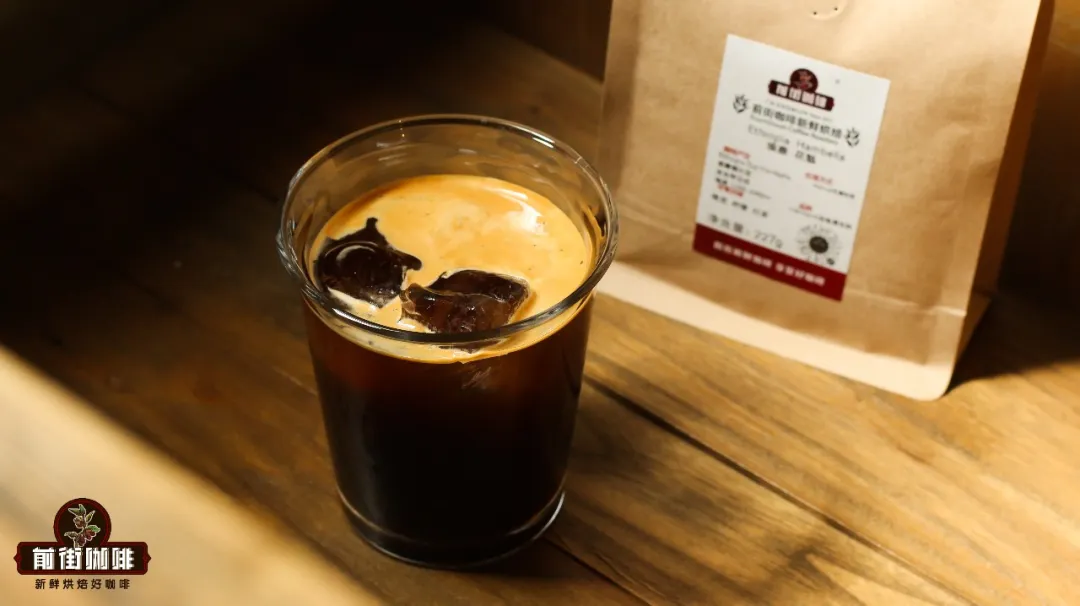
In the photo, the left side is the Americano with espresso first and water afterward, while the right side is the Americano with water first and espresso afterward. You can intuitively see that the most obvious difference between the two appears first in the appearance.
In the cup where espresso is added first, because the water is poured in afterward, the force of the water stream breaks up the espresso crema, leaving only a thin layer of white foam on the surface of the finished drink; while in the other cup, since the espresso is added last, the crema is fully preserved, covering the surface with a rich golden layer of crema.
Besides appearance, the different orders also affect taste. In the method where espresso comes first and water is poured afterward, the water stream hits the espresso, causing the coffee liquid, crema, and water to mix thoroughly, so every sip tastes consistent;
while the method of water first and espresso afterward lacks sufficient stirring. If you do not use a spoon, the flavor of the first few sips and the last few sips will differ to some extent. On one hand, the crema floats on the surface, bringing a richer aroma and bitterness; on the other hand, the espresso and water have not yet blended evenly, so the concentration varies in different places, and naturally the taste differs.
However, this difference is very subtle. In a blind tasting without direct comparison, the vast majority of people cannot tell them apart. For example, these two Americanos made by Front Street Coffee with the classic Italian blend mainly taste of rich flavors of chocolate, butter, and nuts. Compared with the difference caused by water first or water afterward, extracting the espresso a few seconds more or less has a greater impact.
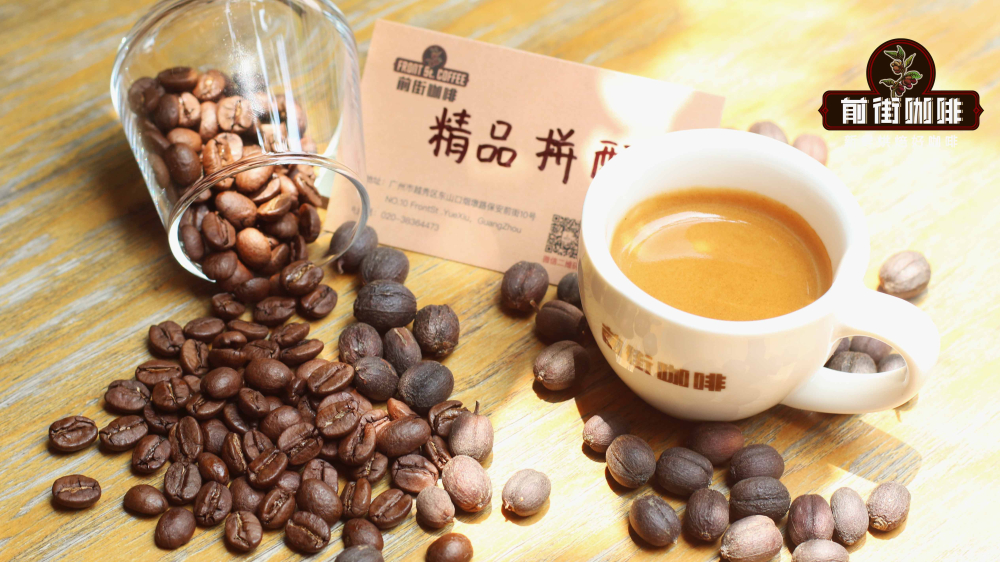
Early Americanos did indeed use the method of espresso first and water afterward, which came from the serving habits of that time. In many coffee shops, the espresso machine would be covered with coffee cups — partly to preheat the cups, and partly for convenience of grabbing them.
This way, when the barista made espresso drinks, they could conveniently take the corresponding cup and place it under the spout. After the espresso extraction was complete, they would then add milk or water as needed. Therefore, early espresso drinks mostly followed the order of espresso first, then other ingredients.
Later, people switched to using espresso cups to catch the espresso, in order to serve more quickly and conveniently. When using an espresso cup to catch it, other materials can be prepared in advance during extraction. For example, for an Americano, you can pour water into the cup first, and once the espresso extraction is finished, simply pour it into the cup and serve.
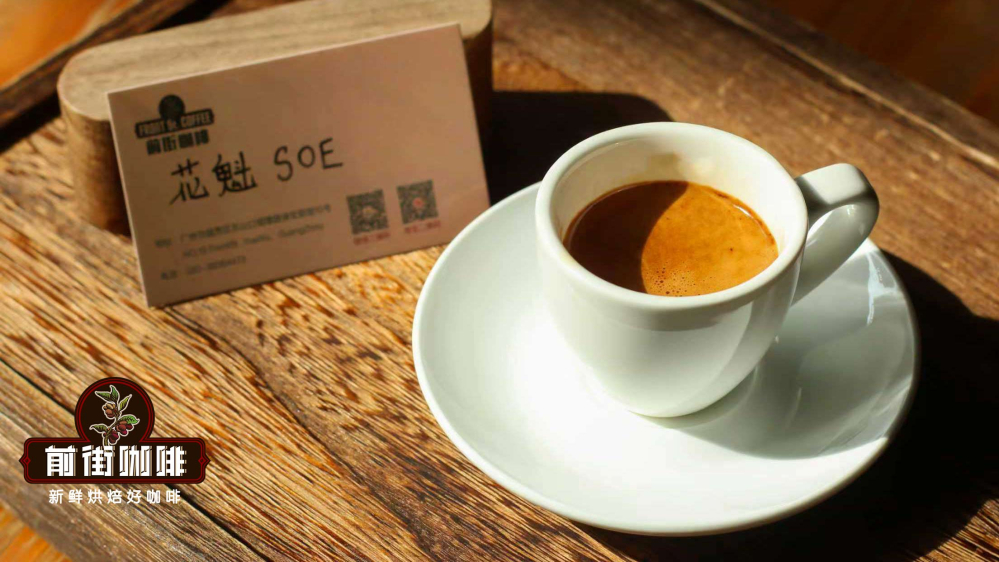
This practice not only significantly improves serving speed, but also makes the coffee's appearance better. Quite a few customers exclaim in admiration upon seeing the rich crema floating on the surface of the Americano served by Front Street Coffee, showing that the visual presentation brought by crema is very popular.
So today, coffee shops do not agonize over the order of espresso and water when making an Americano. The core principle is simply to do whatever is convenient and smooth.
The above content is compiled by CoffeeHunters, a coffee news website.


