







Search Results for: extra strong
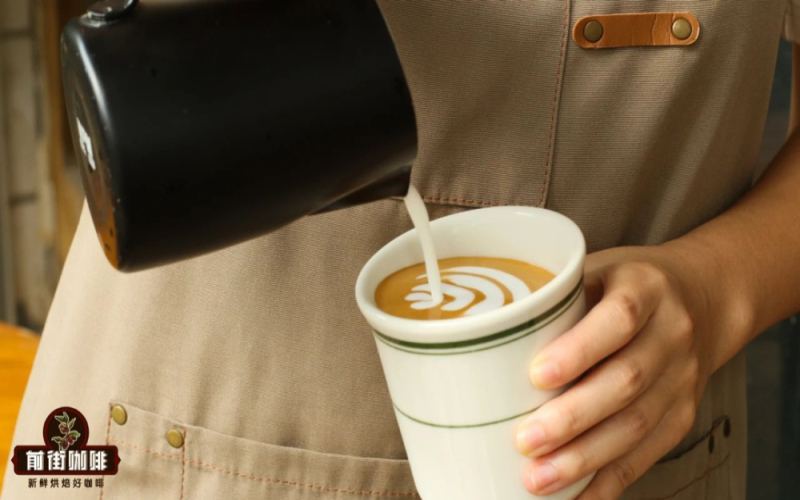
What Is Ristretto Espresso? Extraction Methods for Ristretto and Recommended Coffee Beans
Ristretto (Italian-style extra-concentrated coffee) is still relatively unfamiliar to many people. It is closely related to the everyday Espresso, yet it presents a more concentrated and more intense flavor profile. This article will introduce you to the meaning and characteristics of Ristretto, explain how it differs from regular espresso in terms of extraction, and present two mainstream methods for making Italian-style extra-concentrated coffee. At the same time, the article will also share ideas for choosing coffee beans suitable for making Ristretto, including two recommended products, Front Street Classic Blend and Front Street Dark Cocoa Blend, to help you better master the essence of this rich small cup of coffee. [more…]
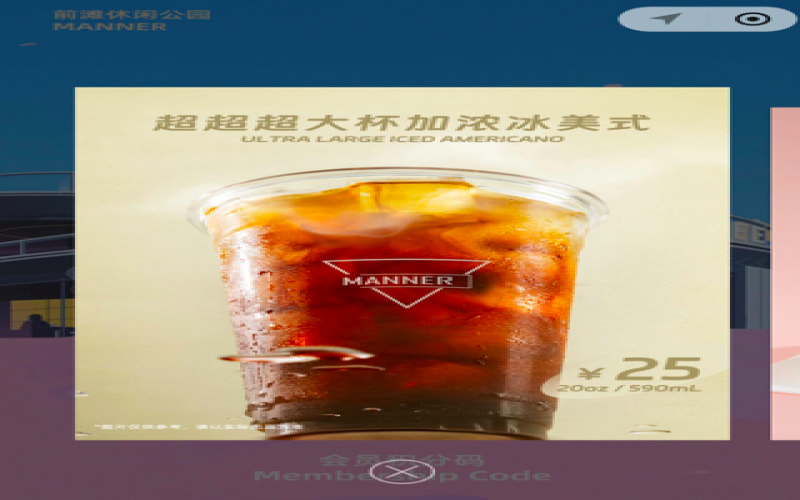
Manner launches a 590ml super-extra-large iced Americano, and the size upgrade adding only 117ml sparks heated discussion
Manner Coffee has recently quietly launched a new product called the "Super Super Super Large Cup Extra-Strong Iced Americano," priced at 25 yuan, with an official cup volume of 590ml. However, many consumers have noticed that compared to the existing 473ml extra-large iced Americano, the capacity has only increased by 117ml, which stands in stark contrast to the expectations created by the three "super" characters in the name. At the same time, an employee revealed that the standard recipe for this new product is 2 shots of espresso, one more than the extra-large cup, but if you add an extra shot of espresso to the extra-large cup, the total price is only 20 yuan and the concentration is higher. The mismatch between capacity, ratio, and price quickly made this new product the focus of discussion among coffee enthusiasts. [more…]
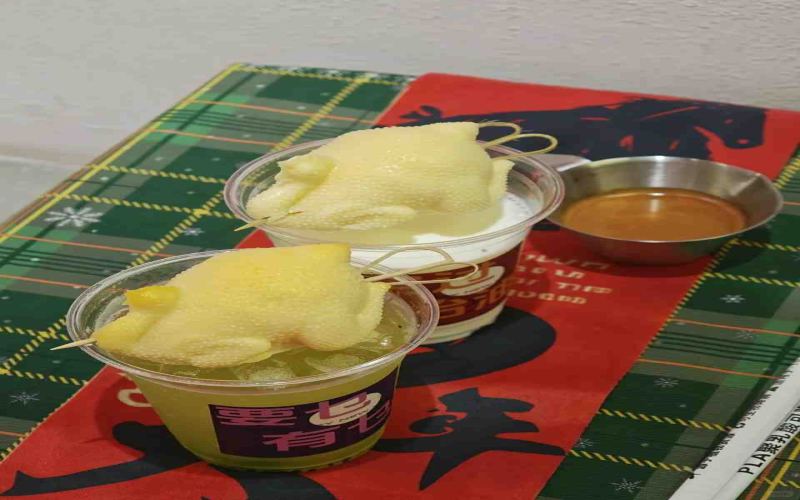
White-cut chicken latte takes social media by storm: corn panna cotta garnish available for an extra 5 yuan, with 1.5-hour queues at peak times
Recently, a coffee with a unique design has gone viral on social media: perched atop the drink in the cup is a lifelike "white cut chicken" decoration, with chicken skin texture so detailed it's astonishing. When espresso is poured over it, the visual effect instantly transforms from white cut chicken to soy sauce chicken, sparking lively discussion among netizens. This is actually a creative decoration made by the coffee shop using corn panna cotta, available to customers for just 5 yuan with any drink purchase. Due to the large number of people wanting to take photos, it often sells out during the afternoon rush. Is this drink just a gimmick or a creative highlight? Let's find out. [more…]
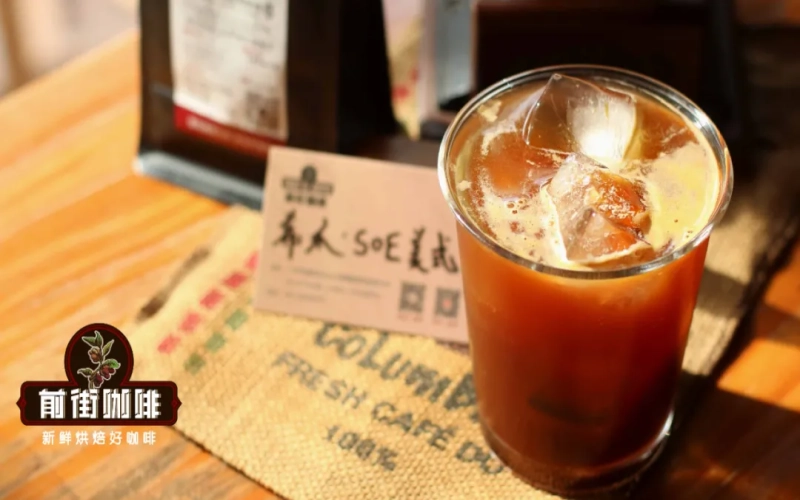
Why Does SOE Coffee Cost Extra? Understanding the Core Differences Between Single-Origin Espresso and Espresso Blends
When ordering an Americano or a milk coffee at a café, have you noticed that besides the default espresso blend on the menu, there is also an SOE option that costs extra? Behind this seemingly simple choice lies actually decades of evolution in the coffee industry. SOE stands for single-origin espresso, and it differs significantly from traditional blends in raw material selection, roasting approach, and extraction difficulty. This article will systematically sort out the origin and development of SOE, analyze why it is priced higher, and explain from the perspective of output stability why Front Street Coffee does not launch SOE products, helping you fully understand the essential differences between these two types of espresso. [more…]
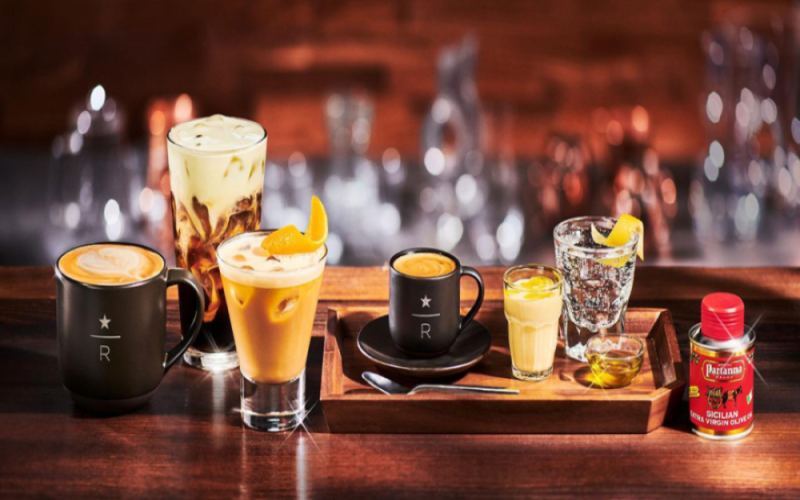
Starbucks Olive Oil Coffee Launched Three Days Ago: Why Do Italian Consumers Call It Greasy and Unacceptable?
Starbucks launched its Oleato olive oil coffee line on February 22, combining extra virgin olive oil with coffee, inspired by CEO Howard Schultz's travels in Sicily. The new products debuted in Italy and include an olive oil latte, an iced shaken espresso, and a foamy cold brew, priced from $4.8 to $6.9. Yet just three days after launch, Italian consumers complained that the drinks were too greasy and that the oil and coffee were hard to blend in the cold beverages. The deputy manager of the Starbucks Milan Roastery explained that the move was intended to fuse Italy's tradition of drinking oil before a meal with coffee after a meal, creating a multisensory experience. This article walks you through the product details and the market reaction. [more…]
Costa Rica Sumava Estate Sun-Dried SHB Extra Hard Bean: Villasarchi Variety Flavor and Front Street Coffee Roasting Recommendation
Although Costa Rica is not the highest-yielding coffee country in Central America, it consistently ranks at the top in quality and price thanks to its high-altitude volcanic soil and meticulous processing techniques. This article focuses on Hacienda Sumava in Orange County, in the Western Valley, which processes SHB extra-hard beans by the natural method. The variety is Villa Sarchi, a hybrid selection from Red Bourbon, and the flavor profile shows notes of honey apple, dried berries, and yellow fruits. The article will detail Costa Rica's producing regions, the micro-mill trend, and how Hacienda Sumava preserves forest ecology and uses wood-chip organic fertilizer, and recommends this specialty bean from Front Street Coffee. [more…]
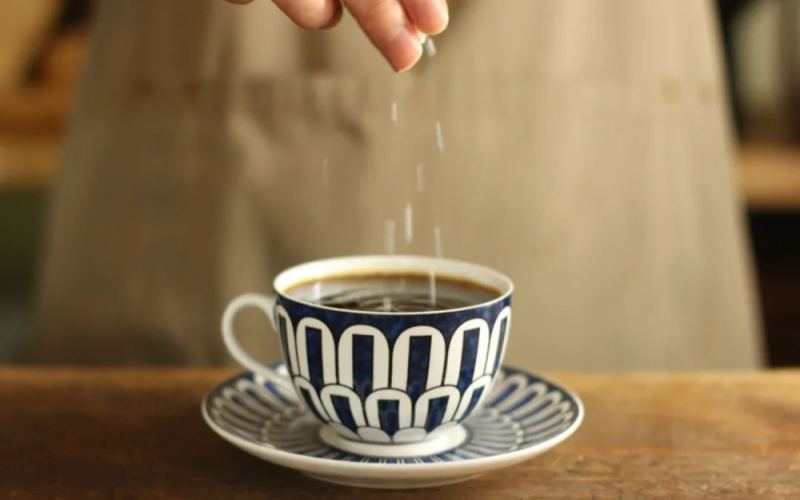
Coffee Flavor Experiment: Can a Pinch of Salt Neutralize Bitterness and Improve Flavor Balance?
What should you do if your coffee is too bitter? Some people suggest that adding salt can improve the taste. In this article, through a controlled experiment with Mandheling coffee, we tested the effects of three different amounts of salt—0.01g, 0.02g, and 0.03g—on the coffee's flavor. The results showed that 0.02g of salt balanced the bitterness and saltiness, enhanced the body, and made it easy to drink; while 0.01g still had a pungent taste, and 0.03g was too salty. The experiment showed that adding salt can indeed mask bitterness to a certain extent, but similar to the bypass method, it is mainly suitable for rescuing extraction mistakes or coffee that is about to go wrong. If the coffee itself is perfectly extracted with balanced acidity and sweetness, adding extra salt will instead disrupt the flavor balance and artificially create negative tastes. [more…]
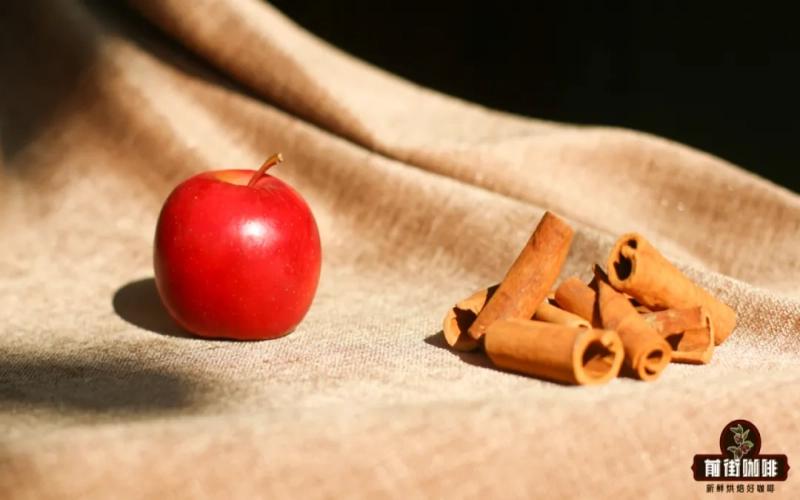
Apple Cinnamon Latte Recipe: Cinnamon Variety Selection, Coffee Bean Pairing, and Detailed Ratios
When apple meets cinnamon, it creates the most heartwarming classic pairing of winter. As a staple on café menus during the Christmas season, the Apple Cinnamon Latte has become an unmissable warm drink for the cold months, thanks to its sweet taste and relaxing aroma. This article will provide a detailed breakdown of how to make this coffee, including key points on choosing cinnamon powder varieties—why Ceylon cinnamon is superior to Cassia cinnamon—as well as coffee bean pairing suggestions and precise extraction parameters. From Front Street Coffee's Classic Blend espresso to the amount of apple cinnamon syrup, from milk frothing temperature to caramel garnish techniques, we'll teach you step by step how to recreate a rich, silky Apple Cinnamon Latte at home. [more…]
How do you make a delicious iced Americano? From espresso recipes to drip machines, Front Street Coffee explains taste and bean selection in detail.
Iced Americano is one of the most popular coffee drinks in summer. It seems simple to make—espresso plus ice plus water—but the taste is determined by the coffee beans, the ice ratio, and the extraction method. This article starts with Front Street Coffee's four espresso blends, analyzes how different beans affect the flavor of Americano, and introduces different strength options such as extra ice and no water. It also reviews the pros and cons of Americano for health, looks back at the history of the drip coffee maker's invention, and provides practical parameters such as grind size and water-to-coffee ratio. Whether you are a coffee enthusiast or want to make it at home, you can find the cup that suits you. [more…]
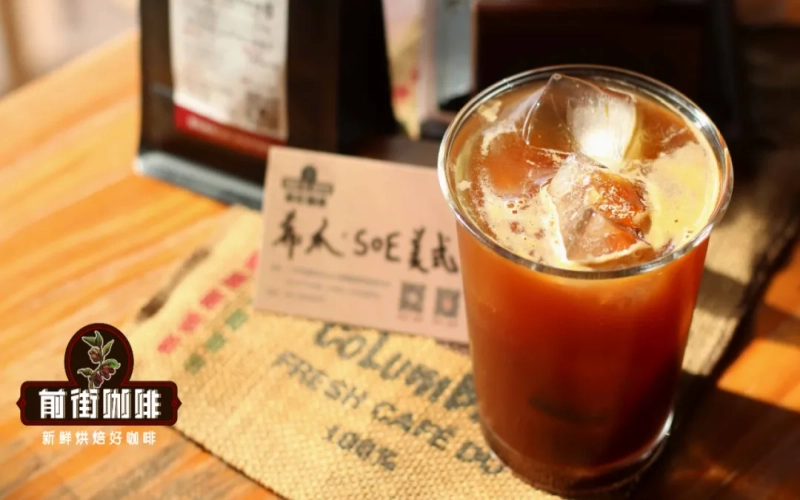
Why Is SOE Espresso More Expensive Than Blends? A Full Breakdown of the Differences Between Single-Origin Espresso and Blend Beans
When ordering at a café, have you ever noticed that Americanos or milk coffees often come with two choices: the default espresso blend, and an SOE that requires an extra charge? SOE stands for Single Origin Espresso, meaning espresso made from coffee beans from a single origin. From James Hoffmann's championship-winning creation at the 2007 World Barista Championship to today's chain brands promoting it one after another, SOE has moved from niche to mainstream. The core reason it costs more than a blend is that the single-origin beans used are of higher quality and have more distinctive flavors, so the cost naturally rises. But SOE is also a major challenge for baristas—light-roasted beans are hard in texture, and pressurized extraction easily magnifies flaws, so delivering consistent quality is by no means easy. This article will walk you through the ins and outs of SOE, and why Front Street Coffee insists on not offering SOE coffee. [more…]
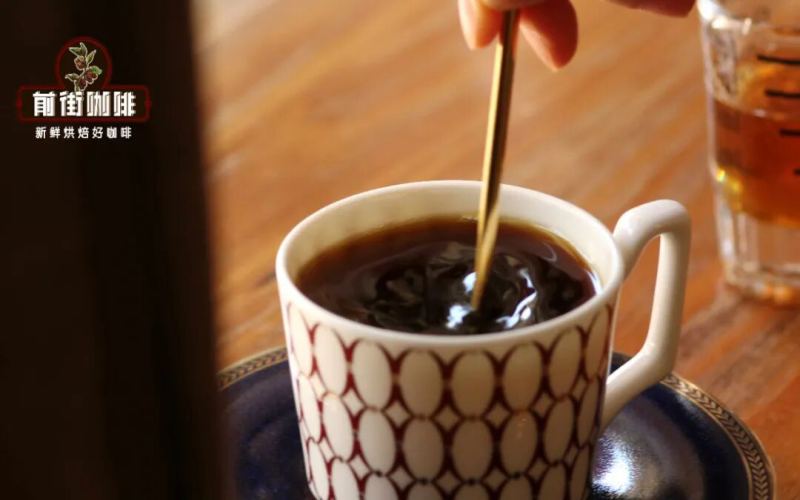
Pour-over coffee brewing tutorial | How can coffee beginners learn pour-over coffee from scratch? What coffee equipment is essential for self-learning pour-over coffee?
Admittedly, when it comes to brewing coffee, different people hold completely different views. In the eyes of the no-frills "veteran coffee drinkers," making a cup of coffee takes only three steps: grind the beans - dump the grounds - pour water, and once it finishes dripping, you can drink it. Any extra step feels like a waste of time; but if you start from the perspective of a café that needs to ensure consistent output, for example [more…]

Starbucks red cup distribution standards vary: some get them for free while others who buy more are denied, global users call for fair treatment
Every November, Starbucks red cups arrive as scheduled, becoming a tacit year-end ritual between fans and the brand. However, this year's Red Cup Day sparked controversy due to inconsistent execution standards across stores: some locations handed out the limited-edition cups freely and at random, while others imposed strict limits, refusing to give an extra cup even if you bought an additional drink. This left rule-abiding customers confused and feeling unfairly treated, and users back in China also called on the brand to treat everyone equally worldwide. This article takes you through the distribution chaos and customer sentiment behind this year's red cups. [more…]
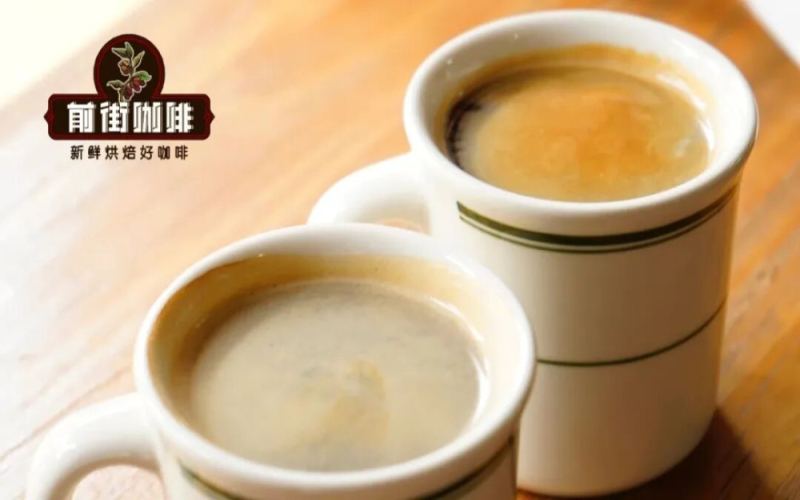
A Comprehensive Analysis of Four Ice Levels for Iced Americano: Ratios and Flavor Differences for Regular Ice, Less Ice, No Ice, and Extra Ice
Walk into any chain coffee shop, and just the Americano alone can give you a case of choice paralysis—regular ice, less ice, no ice, and even the secret-menu full ice. These seem like nothing more than differences in the amount of ice, but in reality they fundamentally change a cup of coffee's strength, aroma direction, and mouthfeel. This article will break down, one by one, the key preparation points and taste characteristics of four ice-level Americanos, from the ratio logic and operating steps to the final flavor, and will use Front Street Coffee's commercial blend as the unified test bean to help you make the cup that suits your taste, whether at home or in a shop. [more…]
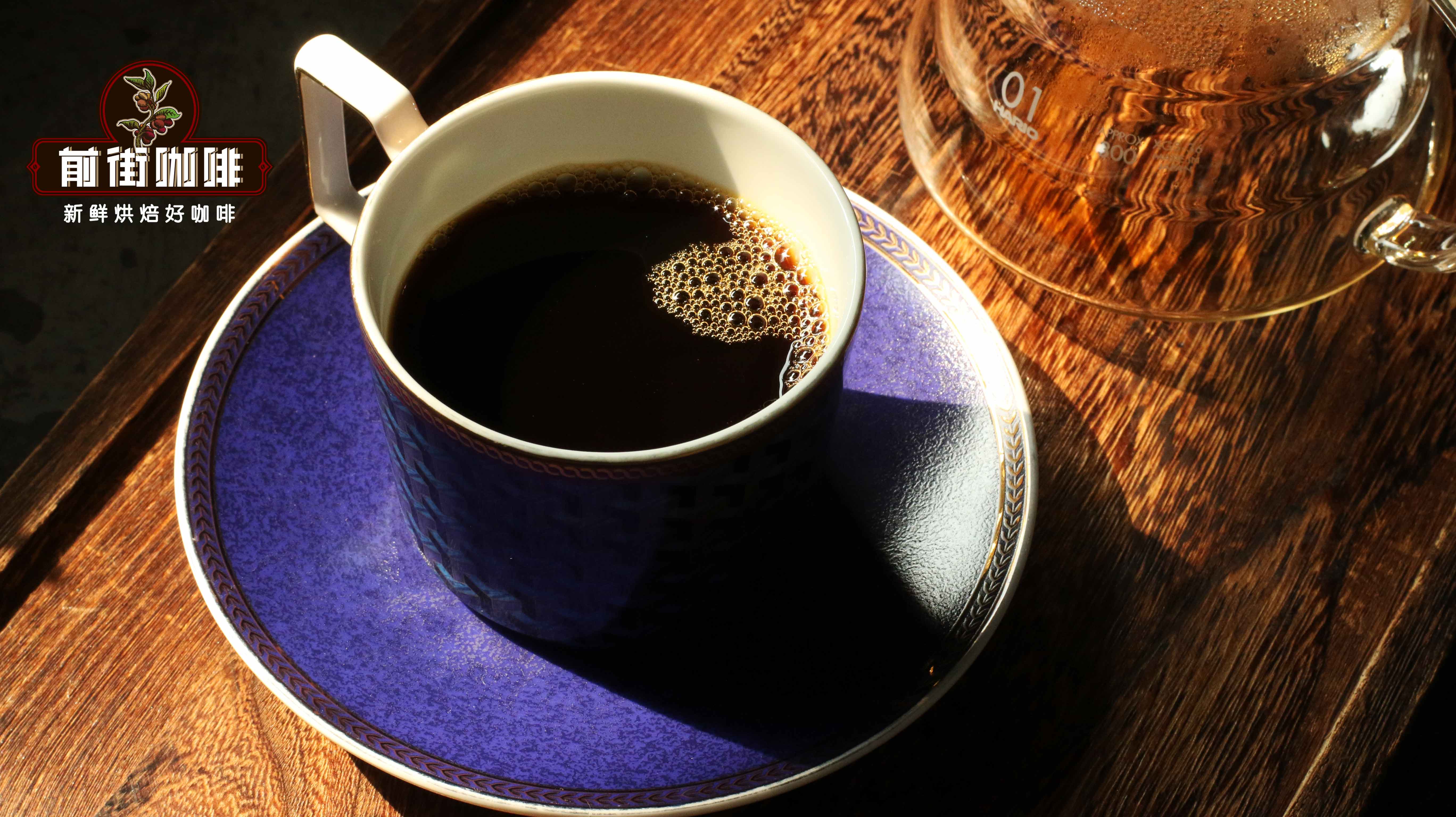
An In-Depth Analysis of Hawaiian Kona Coffee: Terroir, History, and the Flavors of Queen's Estate
Hawaiian Kona coffee is hailed as one of the world's top treasures. Its output is scarce and its price is high, yet it still captivates countless coffee lovers. This time, Front Street Coffee has brought authentic Hawaiian Kona coffee beans into its shop and provides a comprehensive review of this coffee's origins and development, from the growing conditions and historical background of the production region to the grading standards and the varieties and processing methods of Queen Estate. The article also records in detail the flavor performance of Front Street after cupping and brewing, taking you deeper into why Kona coffee possesses such a uniquely sweet, rich, smooth, and alluring charm. [more…]
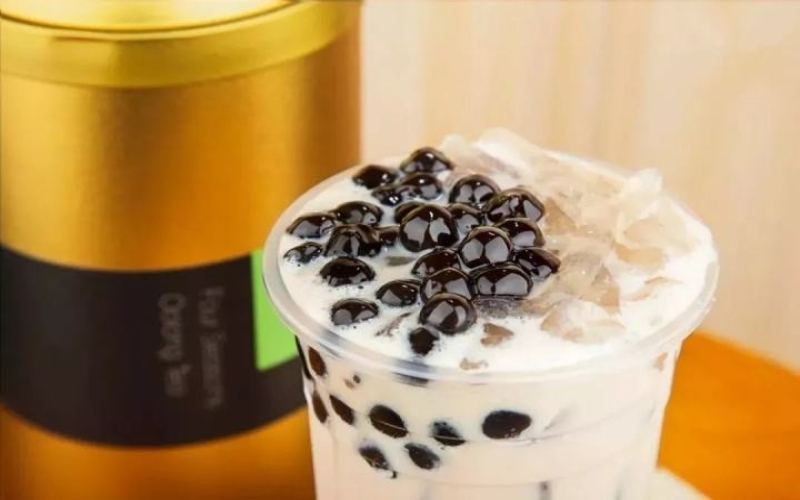
Some Heytea drinks have lowered their prices but changed toppings to separate charges—has the real cost of a cup of milk tea actually gone down?
Milk tea brands are shouting about price cuts while charging separately for toppings, delivery fees, and insulated bags—is that cup in consumers' hands really cheaper? This article starts with the ordering experience on Heytea's GO mini-program, breaking down the actual unit price of a 9-yuan Pure Green Tea after adding toppings, delivery fees, and other extra charges, and, in light of tea shop density, delivery efficiency, and the industry's cost structure, analyzes how this round of price cuts looks more like a marketing move than a genuine giveback. It also cites estimates from a researcher at the Guangdong Tea Beverage Industry Committee on the costs and gross margins of high-end milk tea, helping coffee and tea enthusiasts see the ledger behind the price. [more…]
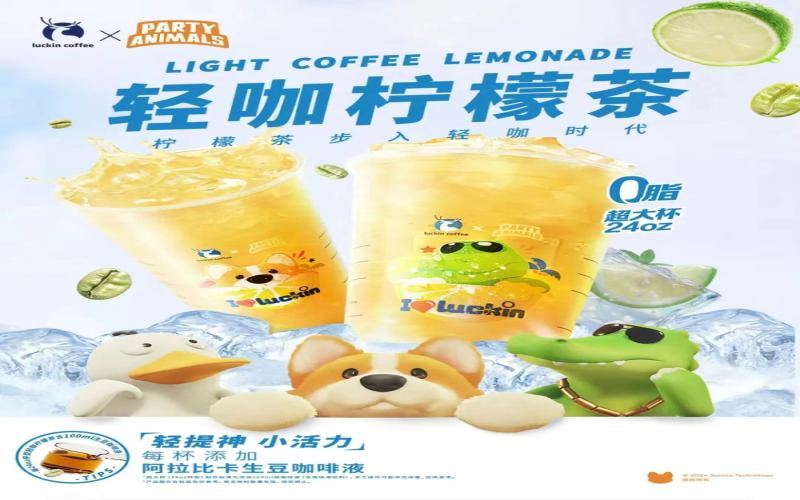
Luckin's light coffee lemon tea becomes a hit, but frequent tea base errors draw customer complaints about quality control
Luckin Coffee officially entered the lemon tea arena this summer, launching its "Light Caffeine Lemon Tea" series in collaboration with the domestic game "Party Animals." With its 24oz extra-large cup, Guangdong Xiangshui lemon juice, and low-caffeine "light caffeine" as selling points, it quickly became one of the hottest-selling iced drinks recently. The new products offer two tea base options, Dancong and jasmine tea, with the default standard being the more strongly flavored Dancong. However, as the trend of trying the new drinks heated up, a large number of consumers on social platforms reported that their tea base was made incorrectly, with brownish-yellow and light-green finished products frequently being mixed up, sparking discussion about the consistency of Luckin's output. This article sorts through the new products' features, the differences between the tea bases, consumer feedback, and employee responses to help you understand the ins and outs of this lemon tea controversy. [more…]
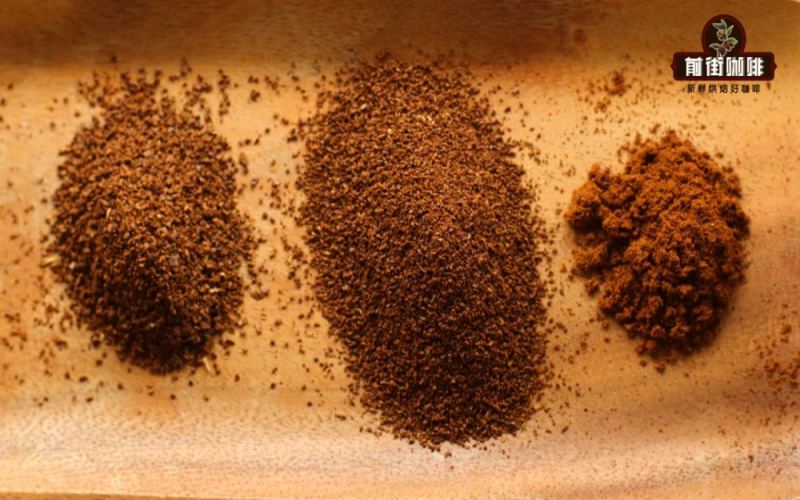
The Complete Guide to Coffee Grind Sizes: From Turkish Extra-Fine to French Press Coarse
The choice of coffee grind size directly determines the success or failure of a cup of coffee. From the ultra-fine powder for Turkish coffee to the coarse particles needed for a French press, every brewing device has its corresponding grind standard. The finer the grind, the higher the extraction rate and the slower the water flow; the coarser the grind, the opposite. There are assembly tolerances between different grinders, so even the same setting may not produce coffee grounds of the same coarseness. This article systematically sorts out eight grind levels from finest to coarsest, matching them one by one with devices such as espresso machines, AeroPress, siphon brewers, pour-over, moka pots, cold brew, and French presses, and combines Front Street Coffee's brewing examples to help coffee lovers find a grind plan that suits them. [more…]
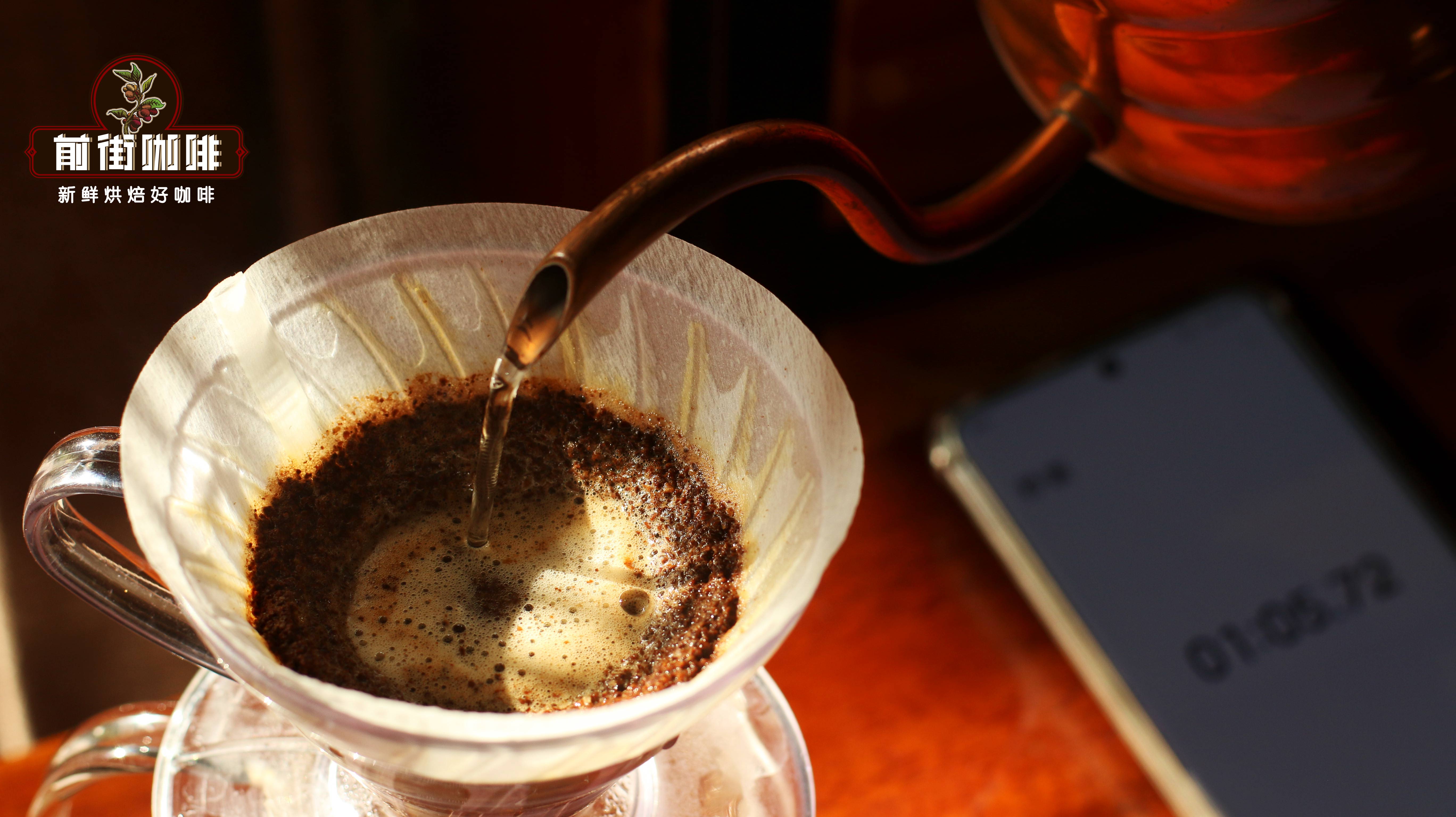
A Complete Guide to Coffee Grind Sizes: How to Identify Five Grind Levels and the Standards for Pour-Over, French Press, and Espresso
Grind size is one of the core variables that determines the direction of coffee flavor, yet many who are just getting into pour-over brewing still feel unclear about its principles and practical application. Using five grind levels as a thread, Front Street Coffee systematically sorts out the logic linking everything from extra-fine powder to coarse powder with different brewing devices, and draws on hands-on cases such as espresso, drip bags, pour-over, siphon, and French press to explain how grind size affects extraction resistance, flow rate, and the final flavor. The article also weaves in the brewing parameters and flavor descriptions of several coffees currently sold by Front Street Coffee, emphasizing that the numerical grind setting itself has limited reference value—what truly matters is the ability to flexibly adjust coarseness and fineness according to different bean characteristics and brewing devices. [more…]
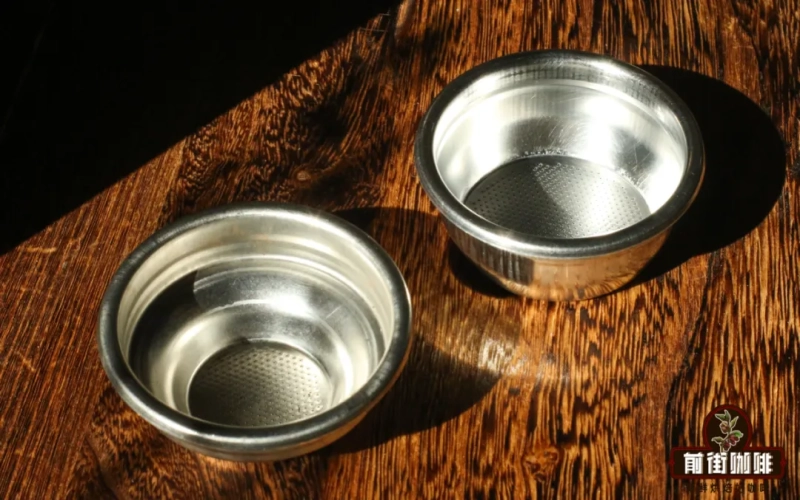
Single vs. Double Portafilter Baskets: Which One Should You Use to Pull a Shot of Espresso?
When ordering at a coffee shop, have you ever noticed the filter basket the barista uses? A single basket typically holds 9–11g of coffee grounds for pulling a single espresso; a double basket can hold 18–22g for a double espresso. But in reality, most cafés would rather use a double basket to pull an extra shot—even pouring half of it down the drain—than switch to a single basket. Why is that? Starting from Front Street's comparative experiments, this article takes a deep dive into the structural differences, extraction performance, and consistency issues of the two baskets, helping you fully understand which basket a single espresso should actually use. [more…]
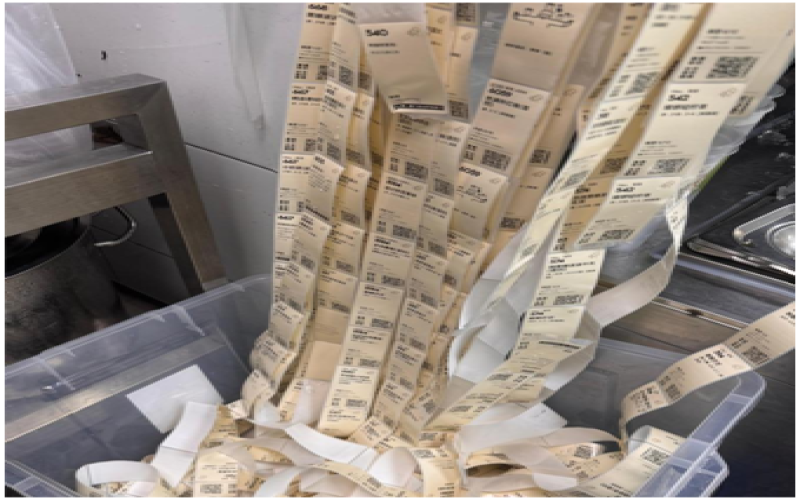
Heytea's Start of Autumn marketing campaign goes big on creative stunts: a 1.5-meter honor certificate and a half-person-tall cup spark heated discussion, with store sales soaring over 600%.
Start of Autumn was originally a solar term, but today it has become a carnival moment for milk tea consumption. Major brands are pulling out all the stops to compete for the traffic around the "first cup of milk tea in autumn." This year, Heytea has made "big" its core strategy, creating a strong social topic with a giant Heytea cup half a person's height and a 1.5-meter-tall "Heytea Person Honor Certificate." The event rules are simple: the customer who places the 8,001st in-store order receives the giant certificate. Some people drove seven kilometers under the scorching sun just for this sense of ceremony, while other socially anxious customers were caught off guard by the sudden award ceremony. The brand also considered the details, making the certificate foldable and easy to carry. Data shows that on the day of Start of Autumn, sales at many Heytea stores increased by more than 600% compared with the previous day, and first-day sales of the new product "Extra Chunky Yellow Peach Mango" exceeded 400,000 cups, setting a brand record. This article was compiled by Coffee Workshop and takes you through the behind-the-scenes story of this unconventional marketing campaign. [more…]