







Search Results for: export value
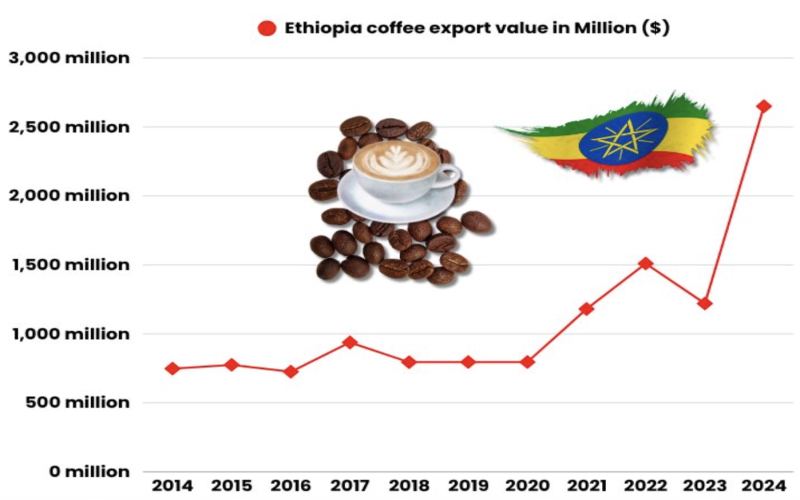
2024-2025 Ethiopia Coffee Export Report: Ethiopia's Main Coffee Export Destinations and Production
Ethiopia is not only the birthplace of Arabica coffee but also one of the world's major suppliers of high-quality coffee beans. Coffee occupies a central position in Ethiopia's economy, culture, and trade. In 2024-2025, Ethiopia's coffee export volume and export revenue both reached historic highs, marking [more…]
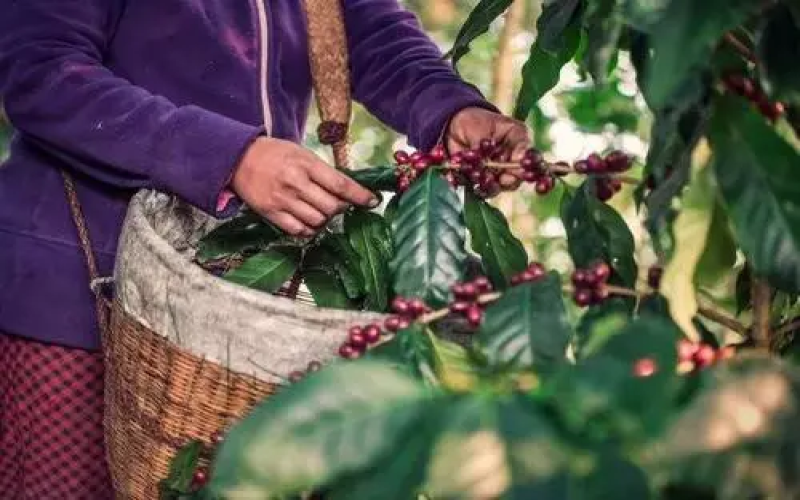
Under the dual impact of climate shocks and market downturn, El Salvador's coffee export volume and value have plummeted, with Chinese demand emerging as a potential bright spot.
Due to a combination of extreme weather, falling coffee futures prices and labor shortages, El Salvador's coffee bean export volume and export value both fell sharply in the first four months of the 2023/24 harvest season. According to a report by the Salvadoran Coffee Institute, export volume fell by nearly 47% year-on-year, export value dropped by more than 50%, and in January alone export value plunged by more than 90%. The United States remains the largest buyer, but Italy, Saudi Arabia and other countries follow closely behind in share. The decline in production is directly related to drought and extreme rainfall caused by the El Niño phenomenon. At the same time, El Salvador's coffee exports to China are on the rise, with 13 trading companies having completed registration in China, and the industry is optimistic about the potential of the Chinese market. Front Street Coffee continues to follow developments in the producing regions and bring frontline news to enthusiasts. [more…]
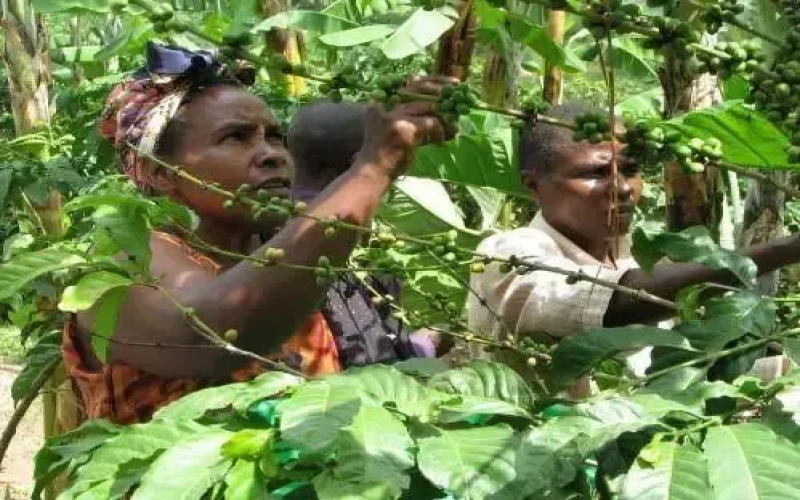
Uganda's Coffee Exports Rise in Both Volume and Price, China-Africa Cooperation Boosts New Opportunities for Trade with China
Uganda, as an important coffee-producing country in Africa, has recently delivered impressive export results. In the 2023/24 fiscal year, the country's total coffee exports exceeded 6.13 million bags, with export value reaching US$1.144 billion, representing year-on-year growth of 6.33% and 35.29% respectively. This growth has benefited both from rising international coffee prices and from the EU's upcoming deforestation-free regulation and tight supply from Vietnam. At the same time, China-Uganda agricultural cooperation continues to deepen, and the Forum on China-Africa Cooperation is expected to open a broader Chinese market for Ugandan coffee. This article will review the latest data on Uganda's coffee exports, variety performance, and future prospects, and bring relevant recommendations from Front Street Coffee. [more…]
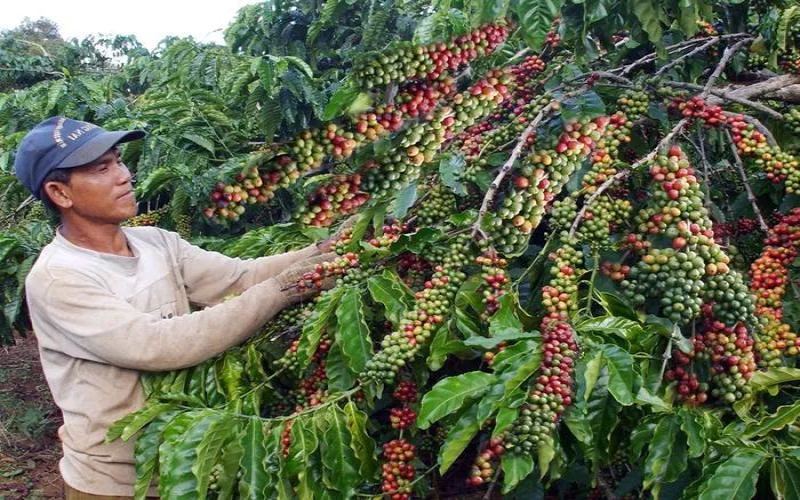
Vietnam's coffee export value may exceed 5.5 billion USD for the first time, with prices soaring by 90% but production concerns emerging.
In 2024, Vietnam's coffee industry experienced an unusual market trend: exports reached US$4.84 billion in the first 11 months, and the full-year total is expected to set a record at US$5.5 billion. Although export volume fell by more than 20%, the average price doubled, driving total value upward against the trend. Domestic green bean prices have risen to VND 125,000/kg, nearly double the export price at the start of the year. The EU remains the largest buyer, while China's market share is steadily increasing. However, continued rainfall slowing harvesting, traders losing out on futures operations, and farmers switching to durian are adding uncertainty to future supply. [more…]

Colombia's coffee production in November rose 21% year-on-year, marking three consecutive months of recovery, while export value climbed nearly 30%.
The latest data from the National Federation of Coffee Growers of Colombia (FNC) shows that the country's coffee production reached 1.28 million bags in November, up 21% year-on-year, marking three consecutive months of positive production growth, while total coffee export value climbed 29% over the same period. Although cumulative production from January to November reached 10.1 million bags, a slight year-on-year increase of 0.3%, the spot premium at origin has declined. Over the past three years, alternating shocks from La Niña and El Niño have caused continuous declines in Colombian coffee production, and cultivation costs have also risen. One estate owner revealed that the cost per 125-kilogram bag of coffee has risen from about $400 three years ago to around $600. As weather patterns shift toward El Niño, Colombian coffee production is benefiting, and the FNC expects production to recover to between 11.6 million and 12 million bags in 2024. [more…]

Rwanda Overtakes Uganda to Become Kenya's Largest Coffee Supplier
Data from the Kenya Agriculture and Food Authority (AFA) for the September quarter shows that Rwanda accounted for 43% of Kenya's total coffee imports, reflecting growing confidence in the quality of Rwandan coffee beans. Meanwhile, Uganda's coffee export value to Kenya fell sharply, although in terms of unit price [more…]
Himalayan Nepalese High Mountain Black Tea: A Comprehensive Analysis of Authentic Origin, Prices, and Industry Upgrading
The Nepalese tea industry is undergoing a profound transformation from cultivation to export. Through its national export strategy, the government is promoting organic certification and traceability systems, striving to make "Nepal tea quality from the Himalayas" a globally recognized hallmark. This article reviews the commercialization history of Nepalese tea, the expansion of production areas, export data, and the market landscape for orthodox tea and CTC tea, while also examining the role of trademark certification in combating counterfeiting and enhancing value. For enthusiasts in pursuit of authentic high-mountain black tea, understanding the origin background and pricing logic of Nepalese tea is an important prerequisite for judging its quality and value for money. Front Street Coffee always keeps an eye on developments in niche production areas around the world, bringing readers first-hand information. [more…]
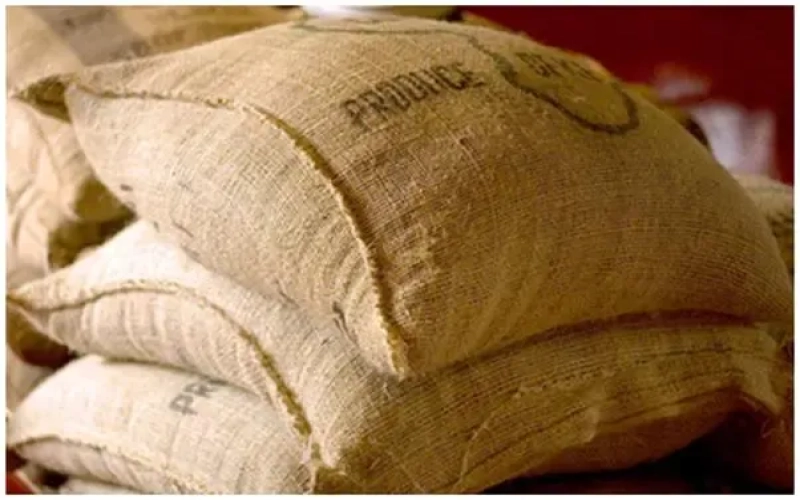
Under drought and durian pressure, Vietnam's coffee production declines, export volume drops by 10% but prices soar
As a major global coffee producer, Vietnam faced a setback of declining export volumes in the first half of 2024. Data shows that coffee export volume fell by 10.5% year-on-year in the first six months to 902,000 tons, but thanks to a 50.4% surge in average export prices, total export value instead climbed to US$3.22 billion, an increase of 34.6%. Behind the production decline are both irreversible damage to coffee trees caused by drought and competitive pressure from cash crops such as durian and passion fruit, with large numbers of farmers switching to more profitable fruit trees, leading to a continued shrinkage of coffee-growing area. Although coffee prices have risen to high levels, they are still not attractive compared with the profits from crops such as durian. At the same time, demand for Vietnamese coffee in the South Korean market is growing, bringing a glimmer of warmth to the export outlook. [more…]
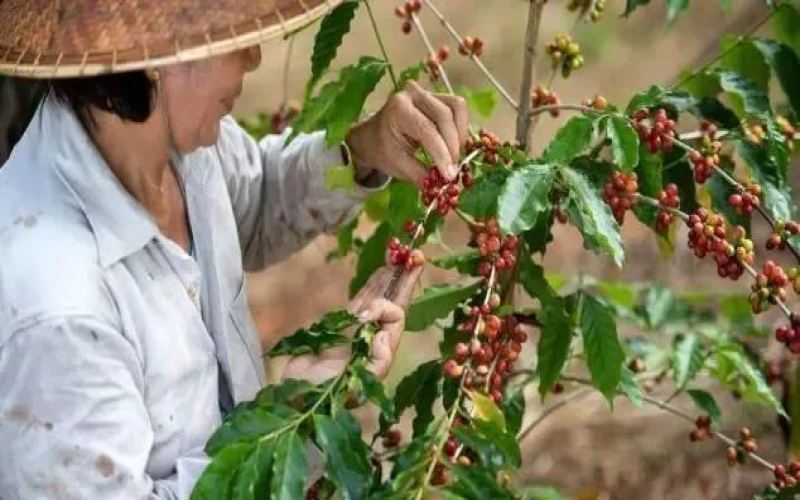
As coffee prices rise, Nestlé ramps up a $100 million expansion at its Tri An factory in Vietnam.
Global coffee prices remain elevated, and although Vietnam, as a key producing region, has seen its domestic green coffee quotes retreat slightly from earlier highs, they remain at relatively high levels. Meanwhile, Vietnam's coffee exports in 2023 showed a trend of lower volumes but higher values, with total export value hitting a record high. In response to growing market demand, Nestlé announced an additional US$100 million investment in its Tri An coffee factory in Dong Nai Province, Vietnam, to expand production capacity. Behind this decision are both expectations of a recovery in coffee consumption demand and supply-side disruptions driven by weather factors and the Red Sea shipping crisis. This article will review recent coffee price trends, Vietnam's export data, Nestlé's layout in Vietnam, and the multiple factors affecting market supply and demand. [more…]
Vietnamese coffee production cuts drive up the market, prices are likely to remain firm in 2024
Latest data from the Vietnam Coffee and Cocoa Association (Vicofa) shows that in 2023, Vietnam's domestic coffee prices climbed to 70,000 Vietnamese dong per kilogram (about 207 yuan), hitting a multi-year high. Although export volume fell 4.5% year-on-year to 166.2 tons (about 27.7 million bags), driven by prices, export revenue rose 3.4% to US$4.08 billion, the highest level on record. Supply shortages and quality improvements are the two major drivers of the price increase. However, drought conditions and a shift in planting structure are weakening future production prospects. Vicofa expects production to decline by 10% in the 2023~2024 season, and coffee prices are likely to remain high. [more…]
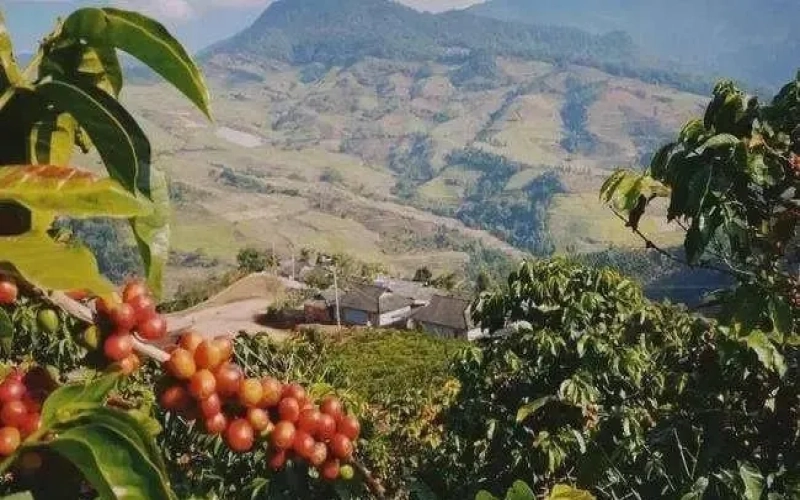
Ethiopian Coffee Exports to China Surge, Civil War Risk and VAT Adjustments May Become New Obstacles
Ethiopian coffee has performed impressively in the Chinese market, with exports growing 50% over the past two years to 20,000 tons, making China its eighth-largest importer. However, the conflict between government forces and Fano militia in the Amhara region of north-central Ethiopia continues to escalate and could trigger a civil war. Meanwhile, the federal government plans to amend the value-added tax law to include basic foods such as biscuits in the taxable scope, with coffee industry workers bearing the brunt. Industry insiders worry that if the situation deteriorates, Ethiopia's coffee exports will decline and prices will rise. Front Street Coffee breaks down the opportunities and challenges in this producing region for you. [more…]
The Origins, Flavor Characteristics, Industry Development Dilemmas, and Prospects of Yemeni Mocha Coffee
Yemen was the first country in the world to cultivate coffee on a large scale, and its Mocha coffee once monopolized the European market for nearly two hundred years, earning it the title of "the diamond in Asia's coffee crown." However, in recent years, Yemen's coffee production has continued to decline, quality standards are lacking, the export structure is monolithic, and the industry faces numerous difficulties in its development. This article will take you back through the historical origins of Mocha coffee, analyze the natural and cultural factors behind its unique flavor, and review the current state and future prospects of Yemen's coffee industry. For coffee lovers, understanding Yemeni Mocha is an indispensable lesson in comprehending the world of coffee. Front Street Coffee will also recommend Yemeni Mocha products worth tasting. [more…]
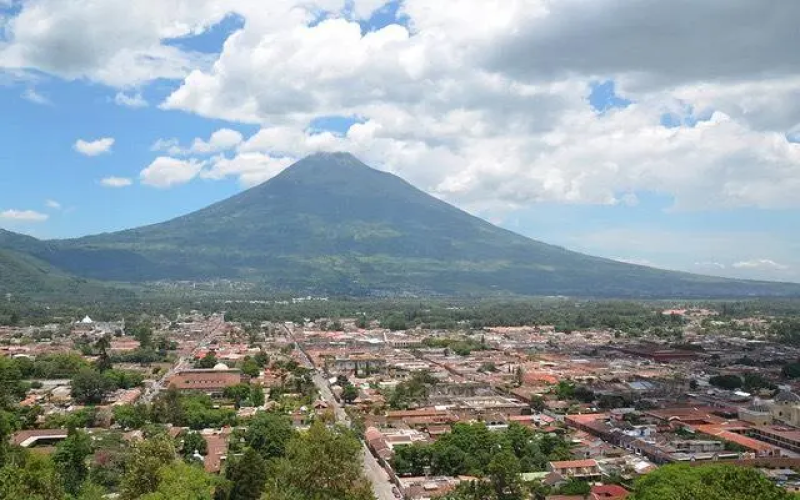
Guatemalan Coffee Generates Nearly a Billion Dollars in Annual Foreign Exchange, South Korea Free Trade Agreement Officially Takes Effect
In the 2022-2023 coffee year, Guatemala's coffee industry generated US$944 million in export revenue, firmly maintaining its position as the country's leading agricultural export. Although export value declined compared to the previous year due to international price fluctuations and the El Niño phenomenon, the industry remains optimistic about the outlook for 2024. At the same time, Guatemala has officially joined the free trade agreement between South Korea and the Central American countries, injecting new momentum into coffee exports. The president of Anacafé predicts that coffee production in the 2023-2024 coffee year is expected to reach 4 million quintals, and Guatemala's coffee competitiveness and position in the international market will be further enhanced. [more…]
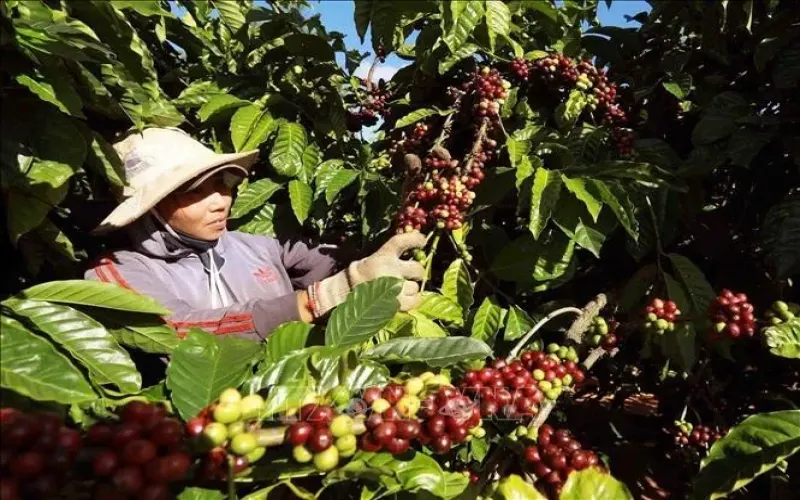
Vietnam's coffee export revenue reached 3.22 billion USD in the first half of the year, yet exporter Vinacafe reported losses, with cumulative losses exceeding one trillion dong.
In the first half of 2024, Vietnam's exports of agricultural, forestry and fishery products reached about US$29.2 billion, up 19% year on year, with coffee standing out at US$3.22 billion in export value; although export volume fell 10.5%, a 50.4% rise in the average price drove the growth. However, Vietnam's largest coffee company, Vinacafe, has reported losses; although it achieved its first profit in 2023, its cumulative losses still exceed 1.09 trillion Vietnamese dong. A combination of aging coffee plantations, severe weather, rising fertilizer prices and the Red Sea crisis is putting pressure on Vietnam's coffee industry. This article takes you behind the joys and worries of Vietnam's coffee exports. [more…]
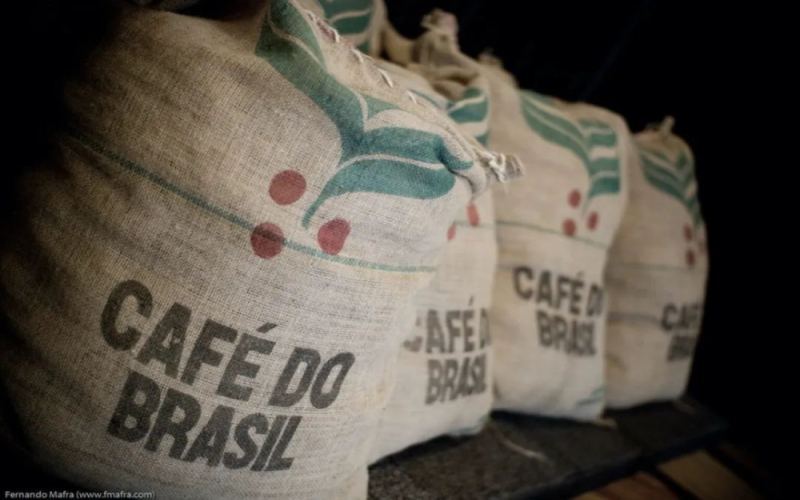
Brazil's coffee exports set a new single-month record in October—what lies ahead amid the dual challenges of logistics and climate?
The latest report from the Brazilian Coffee Exporters Council shows that although about 2.1 million bags of coffee beans were stranded at ports due to logistics problems at the end of September, Brazil's coffee exports in October still bucked the trend to hit a monthly record high of 4.926 million bags, up 11.6% year on year, with total export value reaching US$1.393 billion. Germany became the largest importer of Brazilian coffee beans in the first 10 months of this year, importing 6.64 million bags in total, accounting for 23.9%. However, multiple factors such as port congestion, ship delays, historic drought and forest fires, and the depreciation of the real are still constraining the subsequent development of Brazil's coffee industry, and the production and export prospects for the new crop season face uncertainty. [more…]

Indonesia Plans to Follow Nickel Ore Model by Banning Raw Coffee Exports, Potentially Reshaping Global Supply Dynamics
Indonesian President Joko Widodo revealed at the 2024 BNI Investor Daily Summit that the government is considering banning the export of unprocessed agricultural products such as coffee and cocoa to advance its resource downstreaming strategy. If implemented, this policy will directly affect the export volume of the world's fourth-largest coffee-producing country, thereby driving up international coffee prices. It is worth noting that Jamaican Blue Mountain coffee had a similar precedent, but it was eventually relaxed due to trade liberalization. Indonesia's domestic consumption is robust, with exports accounting for more than half, and whether the deep-processing policy can be smoothly implemented remains in question. This article reviews the policy background, historical cases, and market impact for the reference of coffee enthusiasts. [more…]
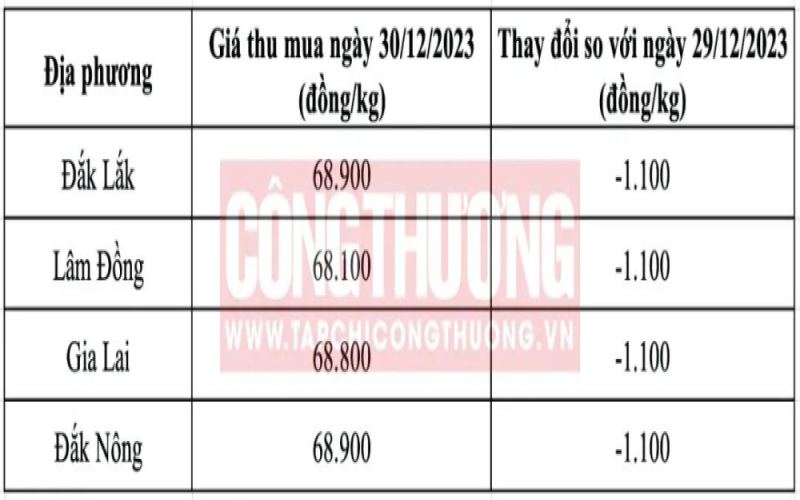
Vietnamese Coffee Supply Recovery Drives Price Correction, Amid Multiple Factors in the Global Market
The Vietnamese coffee market has recently seen a turning point, with prices that had been climbing steadily due to supply tightness beginning to fall back. A survey by the Vietnam Coffee and Cocoa Association shows that coffee prices in the Central Highlands region have generally declined, while factors such as improved weather in Brazil, the expiration of coffee futures contracts, and a stronger US dollar have also put pressure on international coffee prices. Although Vietnam's coffee export volume declined somewhat in 2023, export value hit a record high. This article will analyze in detail Vietnam's coffee price trends, export data, and global market dynamics, providing coffee enthusiasts with the latest market information. [more…]
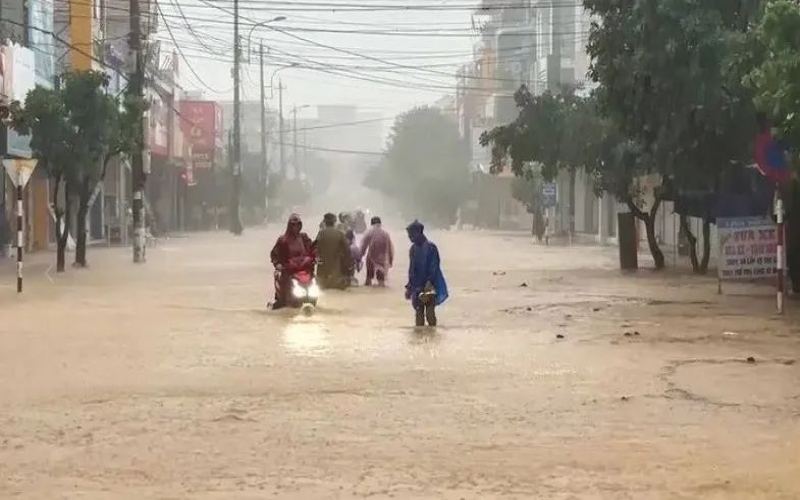
Successive Typhoons Batter Vietnam: Coffee Harvest Off to a Slow Start as Exports and Transport Come Under Pressure
Central Vietnam experienced strong winds and heavy rain after Typhoon Trami made landfall, damaging dikes, houses, farmland, and transportation and logistics infrastructure—just as the new coffee harvest season was getting underway. Looking back over the year, Vietnam's coffee industry first endured its worst drought in nearly a decade, then was hit by two typhoons in succession, Typhoon Yagi and Typhoon Trami, with the main producing areas in the Central Highlands also experiencing strong winds and heavy rain. Delayed harvesting, blocked roads, and closed ports combined to make new-crop supply even tighter; yet despite lower export volumes, export value hit a record high on rising prices. This article reviews the disaster impact, production and export data, and looks at price trends going forward. [more…]
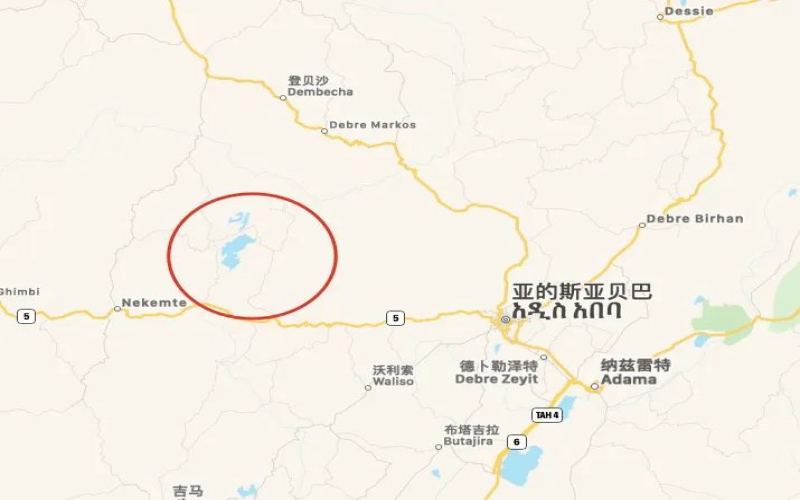
Ethiopian Coffee Exports Face $1.4 Billion Loss: Caught Between Security Conflict and New EU Regulations
The Ethiopian coffee industry is facing severe challenges. On one hand, security conflicts have once again broken out in the Horo Guduru region of Kiremu district in Oromia, resulting in at least 6 deaths; this area is home to Lekanti, the country's main commercial coffee-producing region, and the ongoing conflict continues to disrupt coffee production. On the other hand, the EU Deforestation Regulation will take effect at the end of 2024, and because Ethiopian coffee will struggle to meet compliance requirements, it could face export economic losses of up to US$1.4 billion. Although Ethiopia's coffee export value hit a record in August this year, the dual pressure of the security situation and new international trade rules has left the outlook for this major African coffee country full of uncertainty. [more…]

A Comprehensive Analysis of the Distribution and Flavor Characteristics of Costa Rican Coffee Bean Origins
Although Costa Rica is a small country in terms of land area, it occupies an important position in the global specialty coffee landscape thanks to its fertile volcanic soil and high-altitude growing conditions. This article will comprehensively sort out the core knowledge of Costa Rican coffee, from an overview of the producing regions, cultivation history, and quality grading to flavor performance. Why is the Tarrazú region so highly regarded? Where do the acidity and aroma of Strictly Hard Bean come from? What advantages and challenges does high-altitude cultivation bring? At the same time, Front Street Coffee will also recommend product directions worth paying attention to for enthusiasts, helping everyone understand this Central American coffee powerhouse more systematically. [more…]