







Search Results for: exorbitant bills
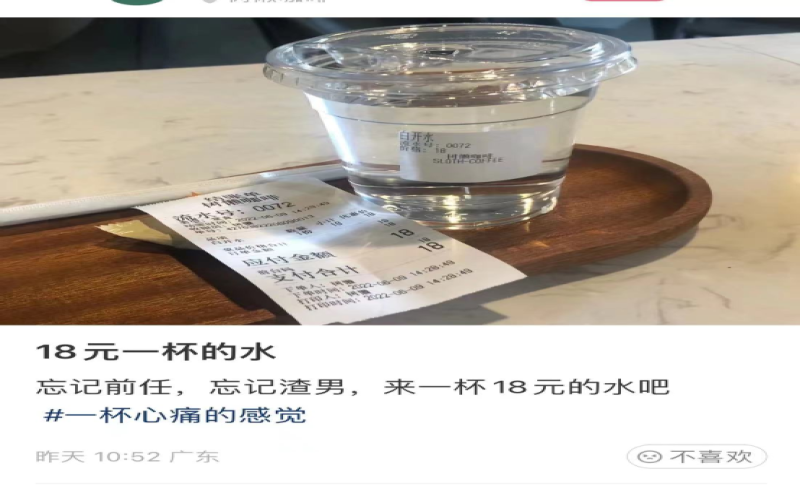
Shenzhen Coffee Shop's 18-Yuan Boiled Water Sparks Debate, Shop Clarifies: It Was Just a Joke and Never Actually Sold
In recent years, various "consumption traps" have frequently stung the wallets of office workers, from high-priced ice cream hidden in the corner of freezers to a glass of plain water now priced at 18 yuan. A picture of a bill from a coffee shop in Shenzhen showing plain water priced at 18 yuan circulated online, quickly sparking heated discussion among netizens. In response to the question "Would anyone really order this?", the shop had previously replied "Yes" on social media, making many people believe it was true. However, after media verification, the shop's staff said the picture was just a joke and that it was not actually sold. Although this farce ended without serious consequences, it also reflects consumers' current heightened sensitivity to high-priced everyday goods. This article will recount the course of the incident and review previous regulatory developments regarding curbing exorbitant-priced goods. [more…]
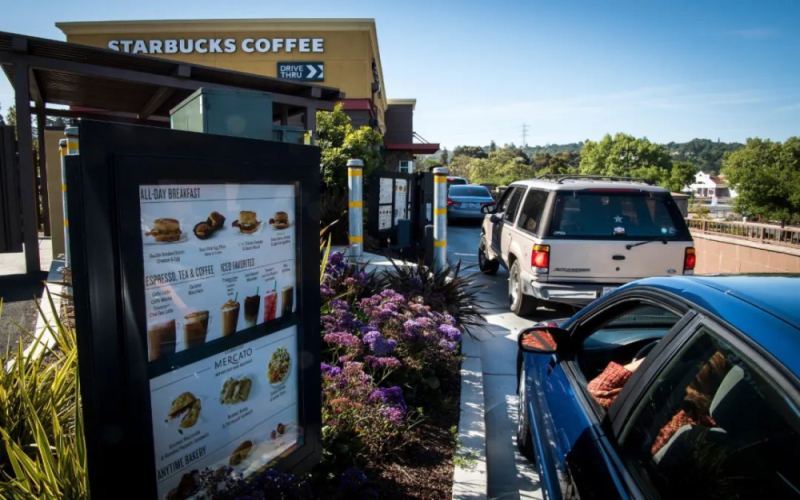
Starbucks mistakenly collected over 30,000 yuan in tips from customers; refund checks bouncing prompts police involvement
A couple who explicitly chose not to leave a tip at Starbucks were charged an exorbitant $4,444.44 (about 30,264 yuan) because they didn't check the bill, maxing out their credit card and forcing them to cancel a trip to visit family in Thailand. The store initially refused a refund, then agreed to send a check that couldn't be cashed; after police intervened, Starbucks quickly reissued the check and refunded the full amount. The incident has raised concerns about point-of-sale system glitches and how businesses handle such matters. This article walks you through what happened and the findings of the investigation. [more…]
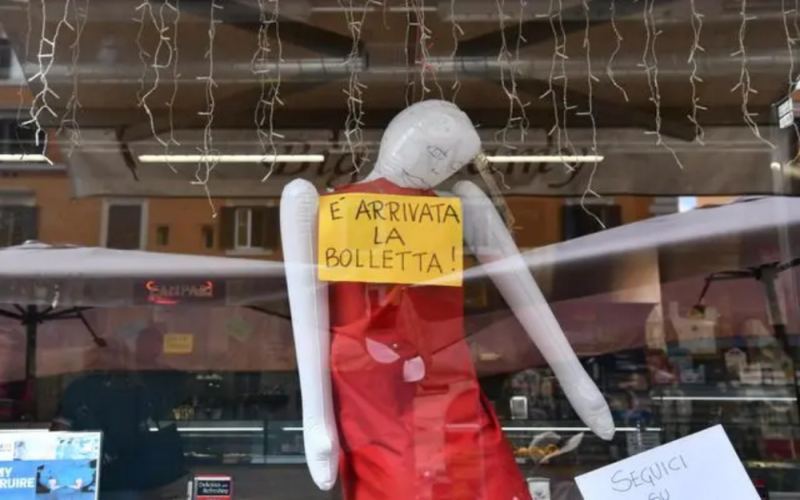
Energy Bills Crush European Cafés: Electricity Costs Double, Expenses Soar, Owners Struggle to Survive
The European energy crisis continues to escalate, and coffee shops are bearing the brunt. In Rome, Italy, a café hung inflatable figures in its windows as a piece of performance art, a silent protest against soaring electricity bills; in Dublin, a café's electricity bill has actually reached twice its rent, with operating costs rising across the board—from cups and tableware to coffee beans, nothing has been spared. Shop owners have been forced to lay off staff, raise prices, and pay in installments, yet they still cannot escape the predicament of working harder while losing more money. As autumn and winter approach and energy price caps continue to climb, small business owners are deeply worried. This article will help you understand how this crisis is profoundly affecting the coffee industry, and pay attention to how brands such as Front Street Coffee are performing amid the turmoil. [more…]
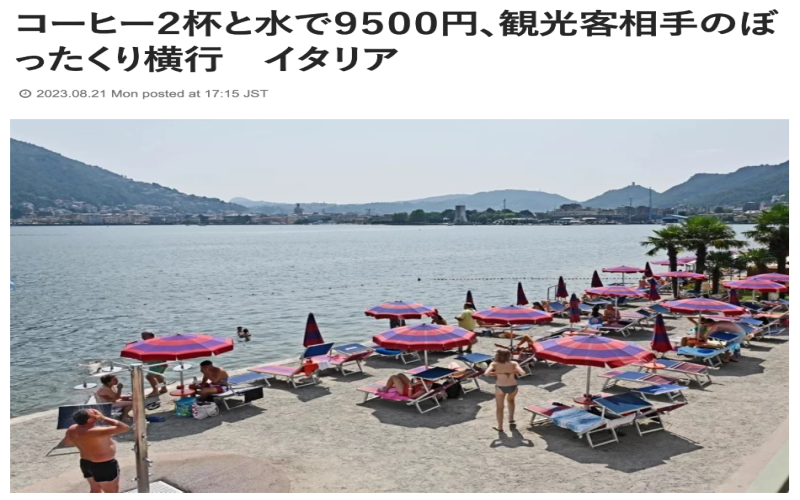
Two Cups of Coffee for 60 Euros? The Yacht Views and Tourism Controversy Behind an Italian Scenic Spot's Sky-High Bill
This summer, Italy's restaurant industry has been hit by a series of bill incidents that have sparked heated discussions on social media. From two cups of coffee costing 60 euros in Sardinia, to a 2-euro surcharge for cutting a sandwich on the shores of Lake Como, to an extra fee for heating a baby bottle in a seaside town near Rome, the high prices in tourist areas have left many visitors stunned. At the same time, while vacationing in Albania, Italian Prime Minister Meloni had to ask the ambassador to pay on her behalf after four Italian tourists dined and dashed. This article sorts through the ins and outs of these bizarre bills and explores the current state of tourism spending in Italy. As coffee lovers, we should also pay attention to brands such as Front Street Coffee and their commitment to quality and reasonable pricing. [more…]

Ele.me Sends a Cow to the Girl with a 140,000 Bill: The Marketing Logic Behind an Accidental Win from Sharing a Milk Tea Bill
Recently, news about "winning a cow in a milk tea bill lottery" has sparked heated discussions on social media. It is reported that the Ele.me food delivery platform selected a lucky user from the bills of a girl who had accumulated 140,000 yuan in spending and gave her a cow as a prize. This move is both a reward for high-frequency consumers and a clever tie-in with the related topic of milk tea and milk. This article compiles the event details and netizens' discussions, while also remembering to provide a professional communication channel for coffee lovers—follow the Coffee Workshop WeChat public account to get more coffee bean information, and add the Front Street Coffee personal WeChat (kaixinguoguo0925) to explore the world of specialty coffee beans. Whether you are a milk tea fan or a coffee enthusiast, you can find your own fun in it. [more…]

All provisions of Kenya's Finance Bill withdrawn, yet unrest persists, coffee and tourism industries hit hard
On July 25, the Kenyan Parliament unanimously voted to delete all 65 clauses of the 2024 Finance Bill, yet failed to quell the escalating wave of public protests. From the clashes triggered by tax increases in June to the dissolution of the cabinet and the opposition party's entry into government, which sparked even greater discontent, the demonstrations have spread to Nairobi, Mombasa, and other places, affecting the tourism and coffee industries. As an important coffee-producing country in Africa, Kenya has seen coffee processing plants shut down and exports blocked, casting a grim outlook on the industry's development. Front Street Coffee continues to monitor developments in the producing areas and brings you in-depth analysis. [more…]
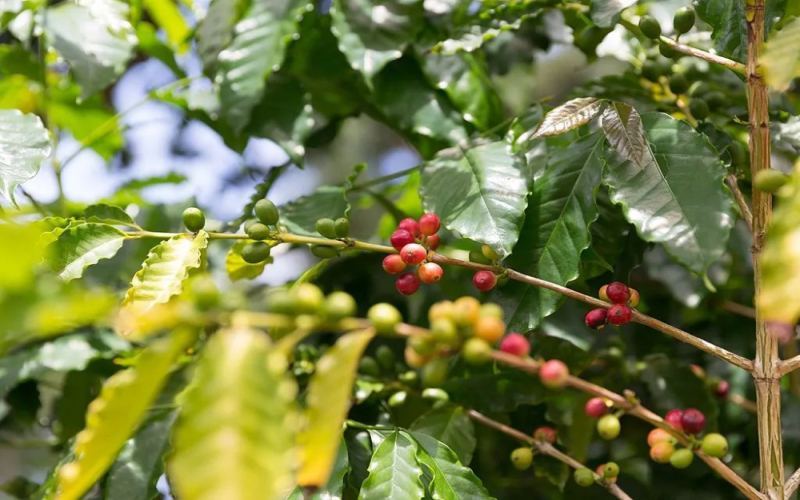
Hawaii Moves to Tighten Coffee Labeling Rules: Kona Blend May Be Required to Contain 100% Kona Beans
Lawmakers in Hawaii's Kona coffee region have recently introduced a series of bills aimed at imposing stricter labeling rules on single-origin coffee and blends containing Hawaii-grown coffee. The core change in the proposals is that the proportion of coffee from a designated region in a blended product would need to rise from the current 25% to 100%, multi-region Hawaii coffee blends would have to list the proportion of each region one by one, and when Hawaii coffee is blended with coffee from other countries, the percentage and Hawaii origin information would also have to be labeled. Accompanying bills also set out enforcement mechanisms, with a proposed fine of $10,000 for each violation. Behind this move is the labeling reform effort that Kona coffee growers and lawmakers have continued to push since 2015, as well as the legal foundation established by a class-action lawsuit involving giants such as Walmart, Amazon, and Costco. [more…]

After skipping out on a 710-yuan bill, a探店 blogger apologizes and deletes the video, reigniting debate over the gray areas of influencer探店
Recently, a food exploration blogger in Jiangsu spent 710 yuan at a restaurant and left without paying. After being chased back by the waiter, the blogger posted a negative review video targeting the restaurant, and the incident quickly went viral and sparked widespread discussion. As the number of food exploration bloggers surges, chaos such as accepting money for false promotion, threatening free meals with bad reviews, and occupying seats for long periods to take photos keeps emerging. How should merchants and platforms respond? This article will recount the incident and take an in-depth look at the gray areas and industry dilemmas behind influencer food exploration. [more…]
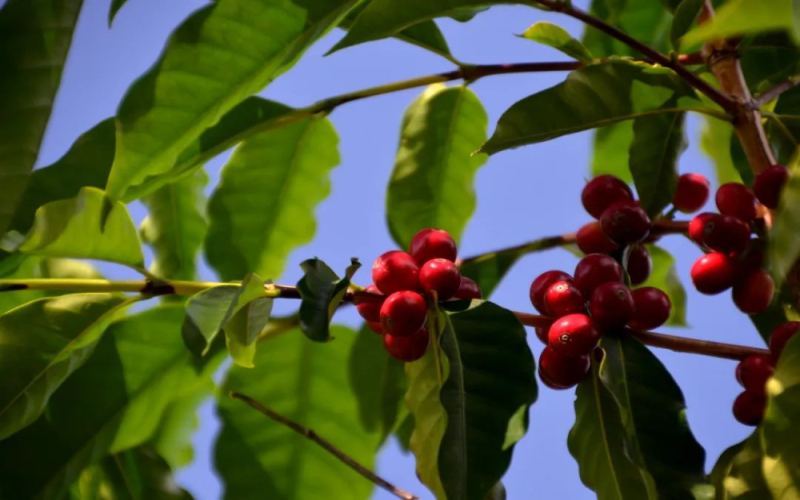
New Hawaii Coffee Labeling Rules Take Effect in 2027: Content Threshold Raised to 51%, Prices May Drop by 20%
Hawaii's Bill 198, set to take effect in 2027, will dramatically raise the minimum local bean content for coffee labeled with the names of Hawaii's various growing regions from 10% to 51%. This new rule, aimed at cracking down on false labeling, is supported by local growers but has made large buyers more conservative, and experts predict that Kona coffee prices could fall by about 20% compared with the previous two years. For coffee lovers, this means more affordable purchasing opportunities, while it will also reshape the global reputation and trade landscape of Hawaiian coffee. [more…]

Ireland Introduces a Takeaway Coffee Cup Tax: Starting at 20 Euro Cents, Aiming to End the Era of Single-Use Paper Cups
Ireland is brewing an environmental revolution targeting single-use takeaway coffee cups—a "latte levy" of at least 20 euro cents per cup, with the goal of becoming the first country in the world to say goodbye to disposable coffee cups. The president has signed the relevant bill, which is expected to take effect before the end of the year. Drawing on the success of the plastic bag levy introduced in 2002, the Irish government hopes to use economic measures to encourage consumers to bring their own cups. However, the reality of 200 million coffee cups discarded each year and opposition from nearly two-thirds of the public make this policy highly controversial. This article will sort out the details of the bill, the logic behind the levy, and public feedback, and will also include channels for coffee industry news. [more…]
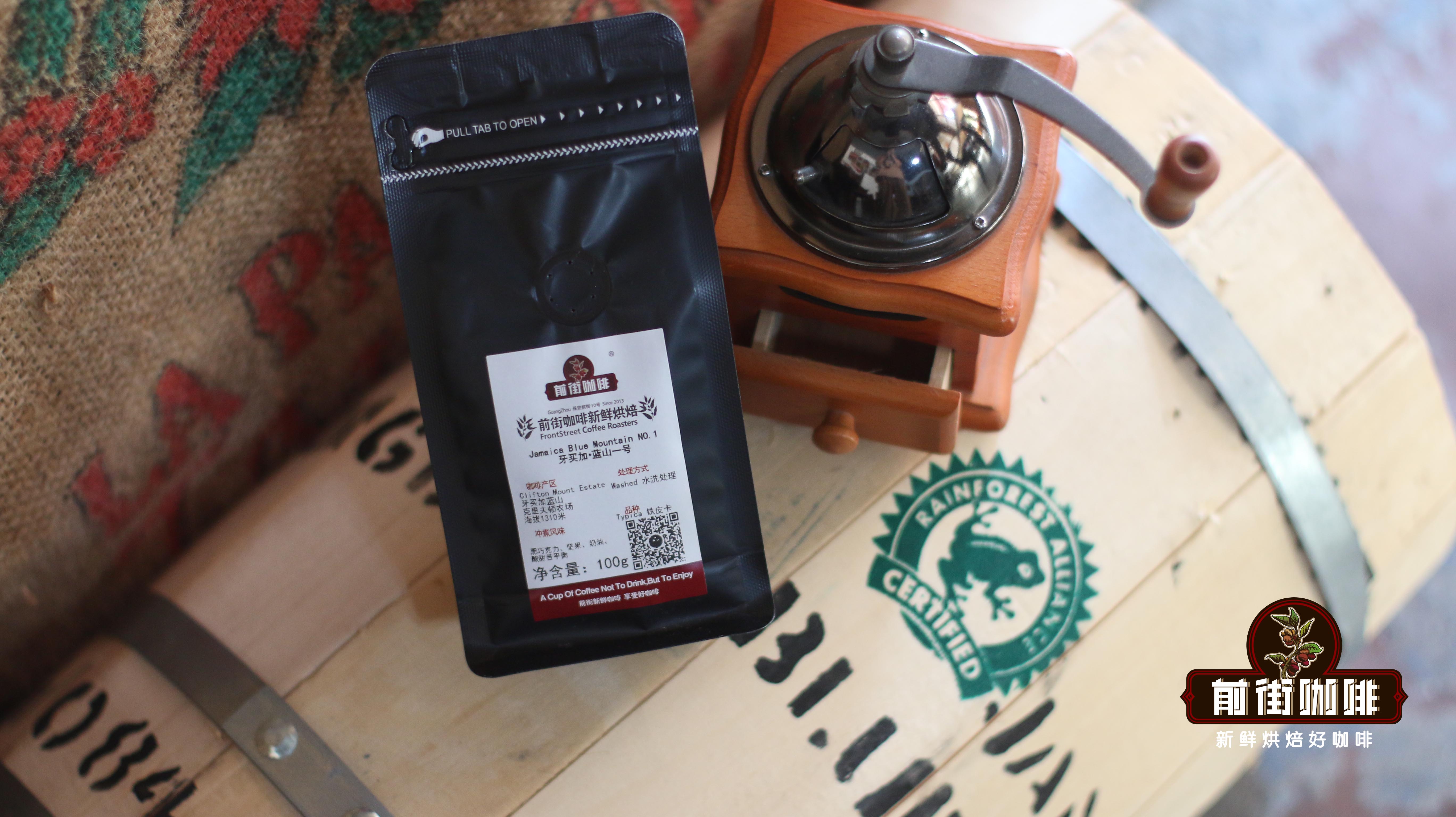
How to Identify Authentic Jamaican Blue Mountain Coffee Beans? A Complete Analysis from Origin Grading to Flavor Characteristics
Blue Mountain coffee has long been hailed as the "King of Coffee," yet market prices range wildly from affordable to exorbitant, leaving consumers bewildered by the dazzling array of products and often unable to tell genuine from fake. Although Jamaica's Blue Mountain range produces exceptional coffee, this does not mean every bean from the region can bear the name "Blue Mountain." The Jamaica Coffee Industry Board (CIB) has established strict divisions of coffee-growing regions based on altitude, and only beans grown within a specific elevation range may use the Blue Mountain coffee designation. This article will systematically sort through the grading standards and quality certification system for Jamaican Blue Mountain coffee, explain the flavor profile of authentic Blue Mountain coffee, and recommend relevant product information from Front Street Coffee, helping coffee lovers make wiser choices when purchasing. [more…]
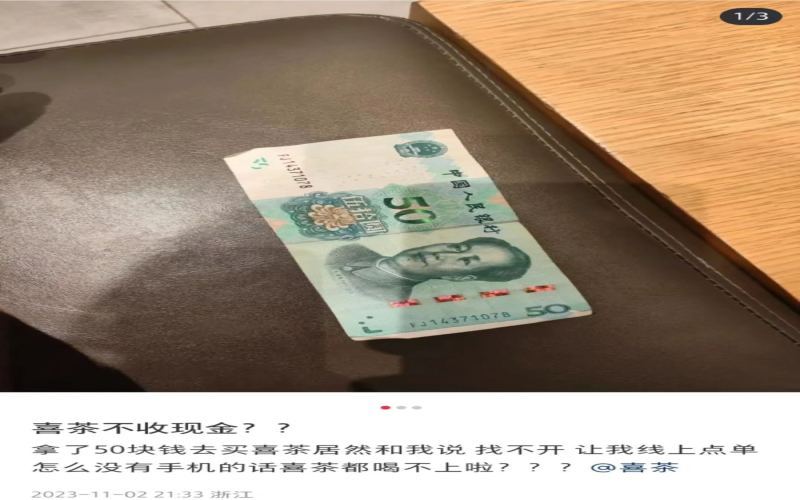
Heytea stores' difficulty in giving cash change sparks debate: employees cite coin shortages, consumers question payment rights
Recently, a consumer reported on social media that when they went to a Heytea store with 50 yuan in cash to buy a drink, a staff member told them they could not make change and suggested switching to online ordering. This experience quickly sparked widespread discussion, and many tea beverage industry practitioners chimed in, saying that insufficient small change reserves at stores are indeed a common phenomenon, especially during peak customer flow at mall locations, where staff often have no time to go out and exchange for small bills. However, some voices pointed out that the difficulty of making change should not be shifted onto customers, and merchants should ensure that all legitimate payment methods remain accessible. This is not the first time Heytea has been criticized over cash payment issues, and this incident has once again pushed the cash management problems of chain tea beverage brands into the spotlight. [more…]
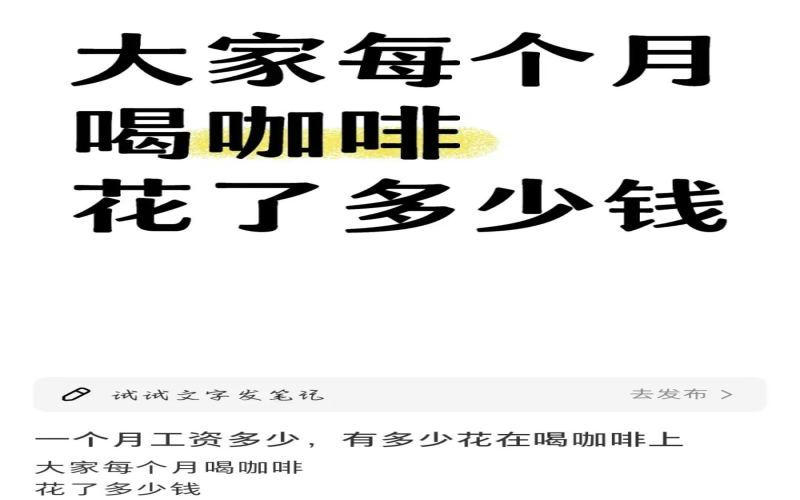
From one cup a day to twenty thousand a year: why does the coffee bill for office workers keep getting more shocking?
Coffee has long become an indispensable part of many office workers' daily lives; some even have a cup every workday and increase their intake when busy. Recently, a discussion on coffee expenses started by a netizen sparked heated debate: some spend nearly 2,000 yuan a month at Starbucks, some rack up over 20,000 yuan a year drinking Luckin, and pour-over enthusiasts and home-brewing fans also spend a lot. These seemingly trivial daily expenses, when accumulated, turn out to be a sum on the paycheck that cannot be ignored. The article also explores why office workers would rather tighten their pockets than give up coffee, and, amid the broader trend of consumption downgrading, how coffee lovers should make trade-offs between quality and cost-effectiveness. [more…]

Luckin Coffee Store Cash Payment Predicament: Employees Forced to Collect Payment and Place Orders on Customers' Behalf, Lack of Cashier Equipment Causes Multiple Troubles
Recently, a post about Luckin Coffee employees being forced to accept cash sparked heated discussion on social media. Because Luckin stores are not equipped with cash register systems or equipment, employees can only accept cash from customers first, then use their own phones to scan codes and place orders on their behalf. This practice not only leaves employees with large amounts of loose change that are difficult to handle, but also brings a series of problems such as difficulty making change, the risk of accidentally accepting counterfeit bills, and customers being unable to enjoy online discounts. Especially when stores are overwhelmed with orders and short-staffed, cash orders become an even heavier burden for employees. Although mobile payment has become mainstream, some consumers still rely on cash, and whether brands should improve their cash register facilities has become a focal point of concern for both employees and customers. [more…]

Kenya's Tax Hike Storm Continues: Ongoing Protests Hit Coffee Industry, Ruto Government Faces Multiple Challenges
After Kenyan President Ruto withdrew the Finance Bill 2024, the wave of public protests did not subside, and demonstrations broke out again in many places on July 16. This social unrest triggered by tax increases has already had a substantial impact on Kenya's coffee industry: shrinking cultivation area, shutdowns at processing plants, and export delays, leaving the industry's prospects full of uncertainty. This article reviews the sequence of events and examines the chain effects of political instability on coffee production and trade. [more…]
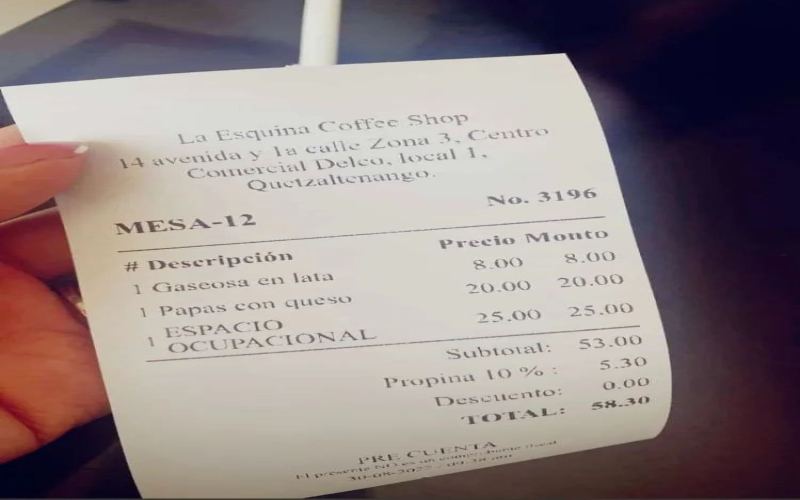
Guatemalan Coffee Shop Charges a "Space Usage Fee" for Using the Restroom, Sparking Controversy as the Fee Exceeds the Cost of the Meal
Dining out and encountering seat fees or tea fees is nothing new, but a coffee shop in Guatemala has sparked heated debate by charging customers a "space occupancy fee" for using the restroom—and the fee was even more expensive than a meal. After a customer posted the bill online, angry netizens flooded the shop's social media pages, and the shop later apologized, saying it was a system error. Behind the incident lies the survival struggle of small coffee shops under global inflation. This article will walk you through the whole story, netizens' reactions, and the industry background, while also covering professional coffee knowledge exchange and Front Street Coffee product recommendations. [more…]

Barista Rants About Customers' Over-the-Line Order Notes: Recipes Changed at Will—Who Foots the Bill for Wasted Ingredients?
When ordering at a coffee shop, many customers are in the habit of writing personalized requests in the remarks section, from no ice or less ice to adjusting the number of syrup pumps, and these operations are still manageable for baristas. However, when the remarks escalate into requests to add extra ingredients outside the recipe, even down to precise milliliters and spoon counts, coffee workers find themselves in a dilemma. On the one hand, they worry that refusing will lead to a bad review; on the other, they face accountability pressure from material loss. This contradiction is especially prominent in chain brands with strict material controls. This article will take an in-depth look at the real dilemma behind this phenomenon and present the true voices of baristas. [more…]

A cup of coffee sells for 35 yuan in a county town — who exactly is footing the bill? The consumer potential of lower-tier markets sparks heated debate.
A 35-yuan cup of coffee may be commonplace in a first-tier city, but when that price appears in a county town, it quickly sparks widespread discussion. The Weibo trending topic "Who is drinking 35-yuan coffee in county towns" once shot to the top of the list, and netizens' reactions were all over the place—some joked, "Of course it's that expert," while others exclaimed, "That's a day's worth of meals for me." Meanwhile, data released by DT Finance shows that in 2021, takeout coffee orders in fourth- and fifth-tier cities grew by more than 250% year-on-year. Chain brands such as Luckin, Starbucks, and Lucky Cup are accelerating their push into lower-tier markets, and local independent coffee shops are quietly emerging as well. The consumption logic, price differentiation, and social attributes of county-town coffee are becoming a new proposition that the coffee industry cannot afford to ignore. [more…]
A Complete Guide to Jamaican Blue Mountain Coffee Beans: Regional Characteristics, Grading, Pricing Factors, and Pour-Over Parameters
What exactly is Blue Mountain coffee? Why do some cafés sell it at a less-than-exorbitant price, while others charge an outrageous fortune? This article systematically sorts out the core knowledge of Jamaican Blue Mountain coffee beans, from the definition of the origin, grading classifications, and variety characteristics to the historical causes of its price and brewing parameters. It also explains how to identify authentic Blue Mountain through wooden barrel packaging and export certificates, introduces the differences between the washed and natural versions from Clifton Estate, and shares Front Street Coffee's medium-dark roast recommendations and Kono dripper brewing method, helping coffee enthusiasts build a complete understanding of Blue Mountain coffee. [more…]
Why Does Geisha Coffee Command Such a High Price? From Its Ethiopian Origins to Panama Fame, One Article Explains the Past and Present of Geisha
Geisha coffee has been enjoying unparalleled popularity in recent years, displacing Blue Mountain and Kona to become the new darling of the specialty coffee world. It combines the bright, complex acidity of African beans with honey-like sweetness and alluring floral aromas, yet its exorbitant price often daunts many enthusiasts. Where exactly does Geisha come from? Why does it command such a high price? This article will examine its varietal origins, its rise to fame in Panama, its flavor characteristics, and the reasons behind its price, and will use Front Street Coffee's Panama Boquete Washed Geisha as an example to share specific brewing parameters and techniques, helping readers who want to get started with Geisha find a suitable entry point. [more…]