







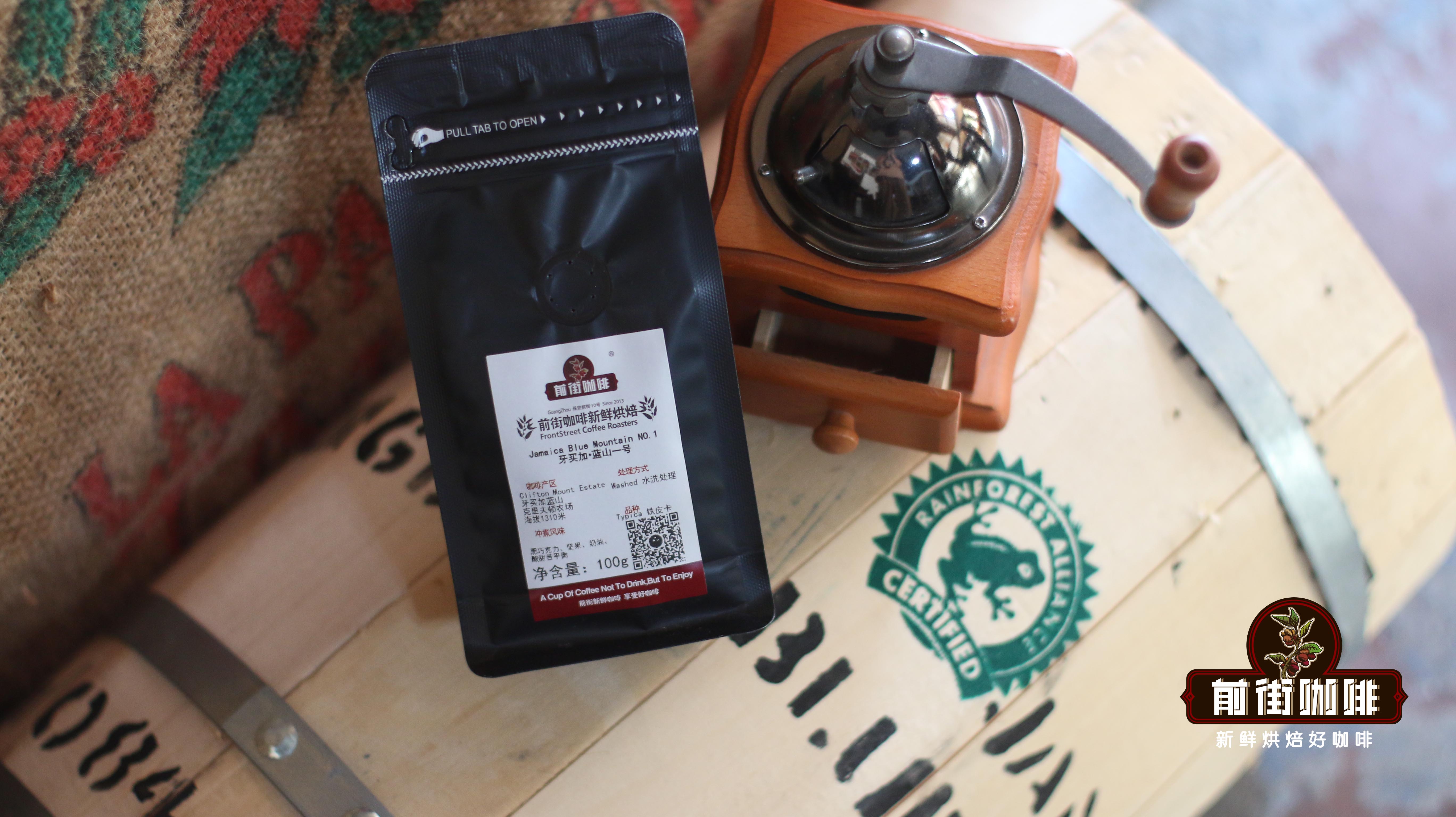
Blue Mountain coffee has long enjoyed the reputation of "King of Coffee," with market prices ranging from affordable to exorbitant, leaving consumers struggling to tell genuine from fake among the dazzling array of products. Although Jamaica's Blue Mountain range produces premium coffee, this does not mean every bean from the region can bear the name "Blue Mountain." The Jamaica Coffee Industry Board (CIB) has drawn strict distinctions among coffee-growing areas based on altitude, and only beans grown within a specific elevation range may use the Blue Mountain coffee designation. This article will systematically lay out the grading standards and quality certification system for Jamaican Blue Mountain coffee, explain the flavor profile of authentic Blue Mountain coffee, and recommend related product information from Front Street Coffee, helping coffee lovers make wiser choices when purchasing.
Many friends have asked Front Street before how to tell genuine from fake when faced with low-priced "Blue Mountain coffee beans" on the market. To help more people learn the truth, Front Street has decided to systematically sort through the methods for judging the authenticity of Blue Mountain coffee beans.
Authentic Blue Mountain coffee beans must come from the Blue Mountain range within Jamaica, but it is important to note that not all coffee grown in the Blue Mountain range can be called "Blue Mountain coffee." The reason is that the Jamaican CIB authorities have clearly demarcated the region, and only coffee beans from the core Blue Mountain growing area are eligible to be sold as "Blue Mountain coffee beans." Coffee from the rest of the Blue Mountain range can only be sold under the names High Mountain coffee or Jamaica Select coffee.
After reviewing and organizing the relevant CIB documents, Front Street found that the core logic behind its regional division is in fact based on altitude.
(1) Jamaican Blue Mountain Coffee
Under the two broad categories of Blue Mountain coffee and High Mountain coffee, each is further divided into four grades. Ranked by quality from best to worst, they are: NO.1, NO.2, NO.3, and PB, where PB refers to peaberry. According to the standards set by the CIB, only coffee grown above 666 meters in elevation qualifies to be called Jamaican Blue Mountain coffee. Coffee grown in the Blue Mountain area at roughly 910 to 1,700 meters is considered the cream of the crop—because it grows on steep mountain slopes, its yield is extremely limited, yet the beans are large, the quality outstanding, and the flavor balanced, with just the right acidity, bitterness, aroma, body, and sweetness. It is globally recognized as a top-tier coffee, which is why the national treasure Blue Mountain No.1 commands the highest price among all Blue Mountain coffees.
(2) Jamaican High Mountain Coffee
Coffee grown below 910 meters in Jamaica's Blue Mountain area is classified as High Mountain coffee. Its quality is second only to Blue Mountain coffee, and industry insiders often call it the "sibling variety" of Blue Mountain coffee. Since authentic Jamaican Blue Mountain coffee is very limited in supply, High Mountain coffee makes an ideal alternative for those who want to experience Jamaican-style coffee.
(3) Jamaican Supreme Coffee
Coffee beans grown below 460 meters can only be sold under the name Jamaican Supreme coffee.
Authentic Jamaican Blue Mountain coffee comes with certificate certification:
The Jamaican government long insisted that all Blue Mountain coffee had to be roasted within Jamaica to ensure consistent quality. In reality, however, roasting is a delicate art, and doing it well requires extensive experience as well as professional training and expensive equipment. From the consumer's perspective, coffee beans are best obtained and drunk soon after roasting. Roasting locally in Jamaica clearly cannot meet this need. Today, Jamaican green coffee beans are permitted for export.
Currently, all Blue Mountain coffee exported on the market can be issued a certificate by the Jamaica Coffee Industry Board.
There are three types of certificates:
(1) A quality certification certificate issued by the Jamaica Coffee Industry Board
(2) An authorized sales certificate issued by the Blue Mountain coffee producer
(Blue Mountain coffee is distributed by 4 Jamaican government-licensed processors and exported by 16 licensed exporters)
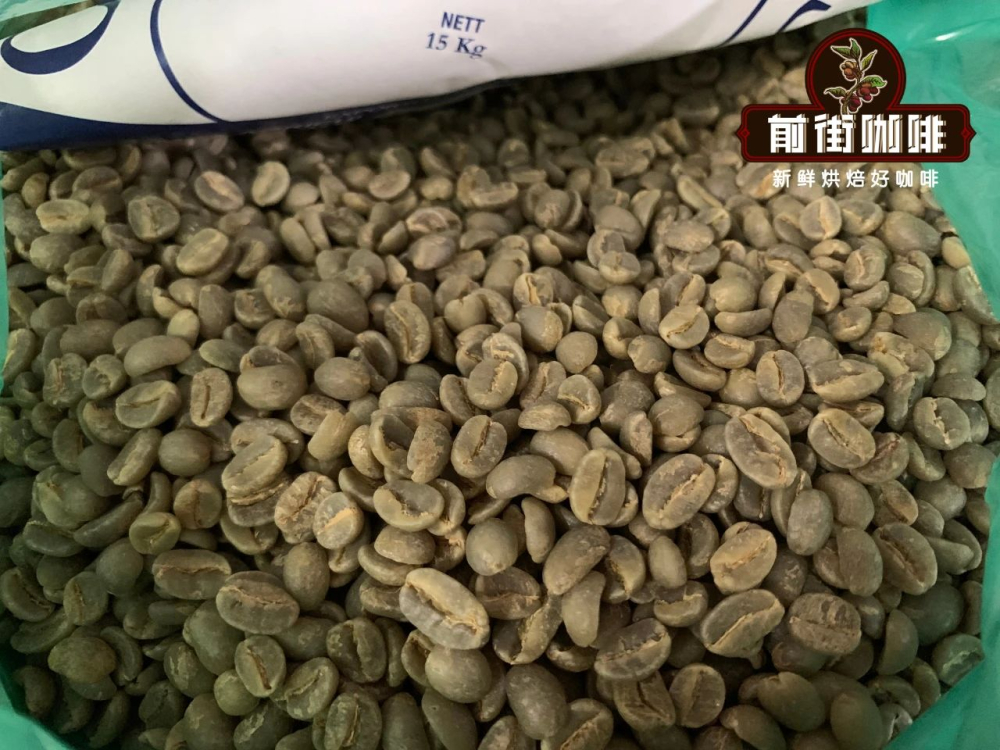
(3) A certificate of origin for Jamaican Blue Mountain coffee
The quality certification certificate indicates the date and quantity. The Jamaica Coffee Industry Board randomly selects one package from the submitted Blue Mountain coffee for inspection, and if it meets all the conditions for Blue Mountain coffee, the corresponding certificate is issued.
For professional coffee knowledge exchange and more coffee bean information, please follow Coffee Workshop (WeChat public account cafe_style) For more specialty coffee beans, please add the private WeChat of Front Street Coffee (FrontStreet Coffee), WeChat ID: qjcoffeex
The above content is compiled by CoffeeHunters, a coffee news website.


