







How do Kenya's protests affect coffee production and trade?
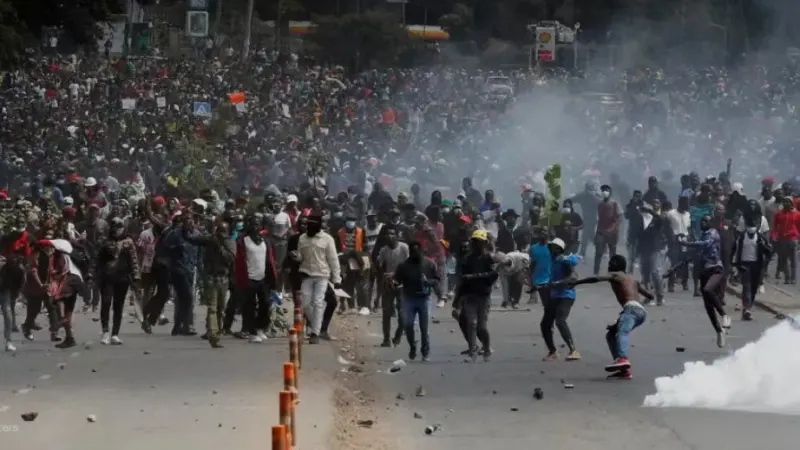
Protests broke out again across Kenya on July 16 after President Ruto withdrew the Finance Bill 2024, which had planned to raise 346.7 billion Kenyan shillings through new taxes. The unrest has hit coffee production: planting areas are shrinking, processing factories have shut down, and exports are delayed. Demonstrations spread to Nairobi, Mombasa, Nakuru, Karatina, Kisii, and Meru, with 50 deaths and 413 injuries reported.
The bill proposed a 16% value-added tax on items including bread, sugar transport, mobile communications and financial services, and foreign currency transactions. Public frustration had built up from living costs, the COVID-19 aftermath, geopolitical price rises, and currency depreciation. For the coffee industry, the chain effect is uncertain: political instability disrupts processing and shipping, and buyers may look to other origins while the situation stays unresolved.
After Kenyan President Ruto withdrew the Finance Bill 2024, the wave of public protests did not subside, and demonstrations broke out again in many places on July 16. This social unrest triggered by tax increases has already caused a substantial impact on Kenya's coffee industry: shrinking planting areas, shutdowns of processing factories, and export delays, leaving the industry's prospects full of uncertainty. This article sorts out the sequence of events and examines the chain effects of political instability on coffee production and trade.
According to reports from several local Kenyan media outlets, on July 16, people in many parts of the country once again launched street protests, continuing to express dissatisfaction with the Ruto government. The demonstrations not only appeared in the capital, Nairobi, but also spread to cities such as Mombasa, Nakuru, Karatina, Kisii, and Meru.
The trigger for this round of protests can be traced back to June of this year. Kenyan President William Ruto and his central government vigorously promoted the Finance Bill 2024, which planned to raise 346.7 billion Kenyan shillings (about US$2.67 billion) through new taxes to pay interest on high sovereign debt. Specific tax increase measures included a 16% value-added tax on bread purchases, sugar transportation, the use of mobile communications and financial services, and foreign currency transactions. However, the public had long been under pressure from the cost of living, and coupled with multiple economic shocks such as the aftermath of the COVID-19 pandemic, price rises caused by geopolitics, and currency depreciation, dissatisfaction with the government kept accumulating and eventually turned into violent conflict.
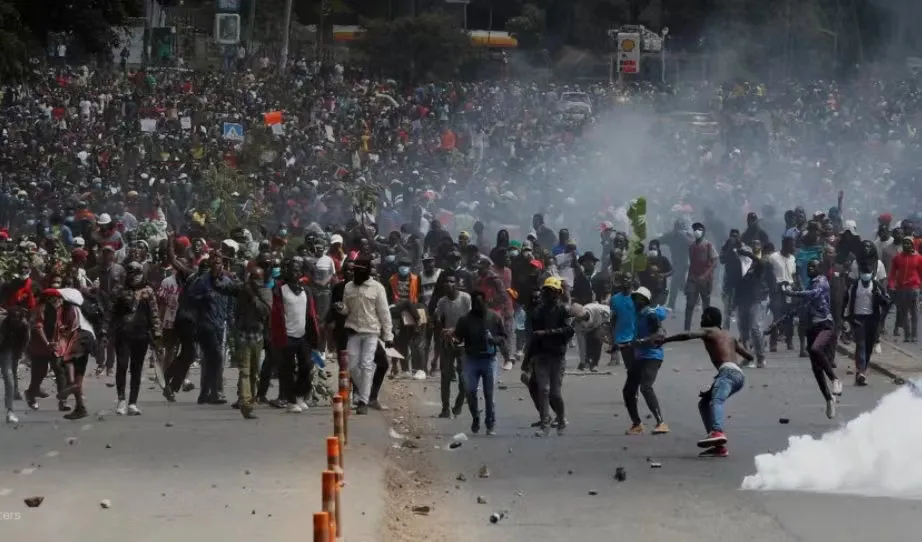
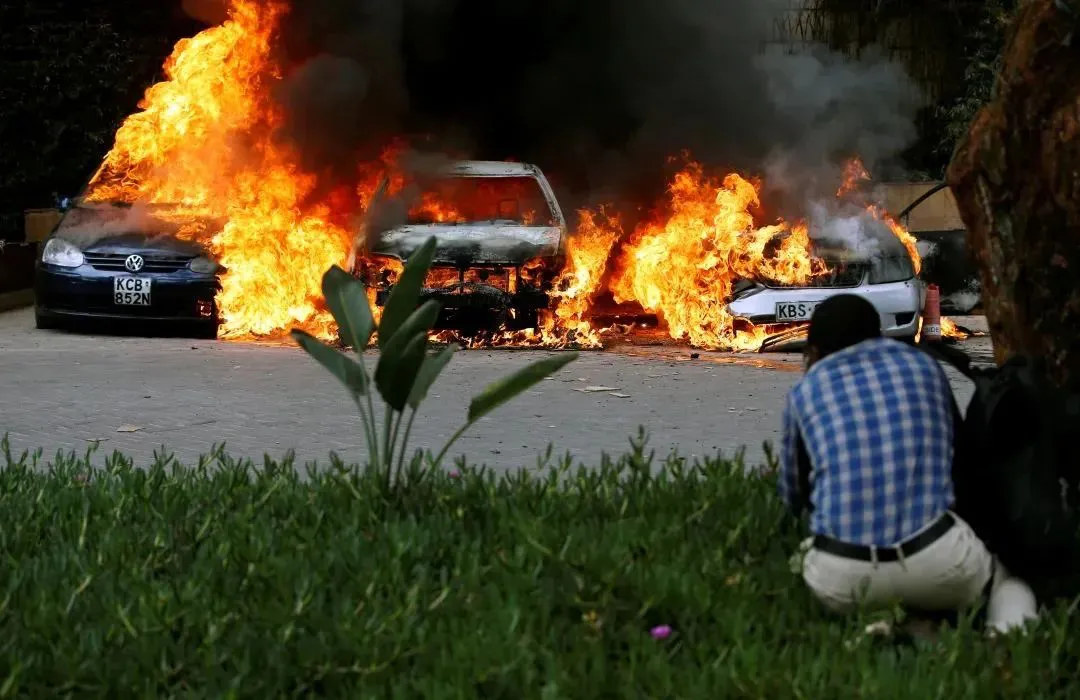
During the clashes, protesters broke into Kenya's parliament building, damaged facilities, and set some buildings on fire. Police responded by firing guns, and so far 50 people have died and 413 have been injured, with huge material losses. In view of the seriousness of the situation, President Ruto announced in a televised address that he refused to sign the Finance Bill 2024, but the demonstrations did not stop because of this. In early July, young people in some parts of Kenya still organized small-scale protests, and although President Ruto introduced a series of response measures, the effect was very limited.
Afterward, President Ruto delivered another televised address, announcing the dissolution of the cabinet. Except for the Prime Cabinet Secretary and Foreign Minister, all serving cabinet ministers and the Attorney General were dismissed. However, calls for President Ruto to step down remained strong, and many Kenyans believed that the ruling party's performance over the past two years had been lackluster. Therefore, the demonstrations have continued to this day, and on July 17, posters also appeared among the public and on major social media platforms, calling on people to participate in protest actions. Some scholars pointed out that as long as President Ruto fails to solve the foreign debt and economic problems, the marches and demonstrations may continue.
In fact, the root of the conflict lies in the living pressure that Kenyans have long faced, as well as the economic shocks caused by the ongoing impact of the COVID-19 pandemic, the spillover effects of geopolitics, two consecutive years of drought, and currency depreciation.
Particularly noteworthy is the country's important coffee industry. According to reports, coffee planting areas are shrinking, mainly because real estate development is encroaching on land, while the surge in avocado exports has prompted some coffee farmers to switch to growing avocados. In addition, the Coffee Research Institute, as the only supplier of certified planting materials, is also hindered by funding constraints that block the establishment of new coffee farms.
On the other hand, the earlier implementation of the Coffee Regulations 2019 and the Capital Markets (Coffee Exchange) Regulations 2020 led many coffee processing factories in the country to close because they could not obtain licenses, including the globally renowned coffee trader NKG. At present, coffee can only be sent to processing factories under the alliance of growers' cooperatives or to licensed cooperative processing factories. Because some processing factories have limited capacity, goods have piled up, and coffee cherries have rotted due to processing delays.
At the same time, many of the areas where demonstrations and marches are currently taking place are famous Kenyan coffee-producing regions and port areas. Because their interests are at stake, many workers have also joined the march, further intensifying delays in coffee production, processing, and exports. At present, Kenya's political situation is quite unstable and may face major changes. People in the coffee industry feel uncertain about the government's future policies and believe that the prospects for industries such as coffee remain unclear.
The above content is compiled by CoffeeHunters, a coffee news website.


