







Search Results for: exclusive pasture latte

Luckin Coffee partners with Mengniu Milk Deluxe to launch a limited-edition latte, introducing a slush machine to froth milk, sparking widespread discussion
Luckin Coffee has partnered with Mengniu's Deluxe milk brand to launch a limited-edition new drink, "Deluxe Exclusive Pasture Latte," priced from 14.9 yuan, or 17.9 yuan for an upsized cup, making it the most expensive item on the mini-program menu. The preparation method for this latte is quite distinctive: for the iced version, the espresso must first be stirred with Deluxe milk for 8 rounds, then poured into a smoothie blender and frothed for over ten seconds, and finally sealed in a cup with ice; for the hot version, the espresso is added to a milk pitcher, mixed with milk, and heated. However, feedback from the first batch of consumers indicates that the finished product does not have a dense layer of milk foam on the surface, and the taste is not much different from an ordinary latte. Staff explained that the milk foam dissipates very easily and recommended drinking it immediately at the bar. Front Street Coffee has noticed that this innovative process has sparked online discussions about "ritual" versus practicality. [more…]
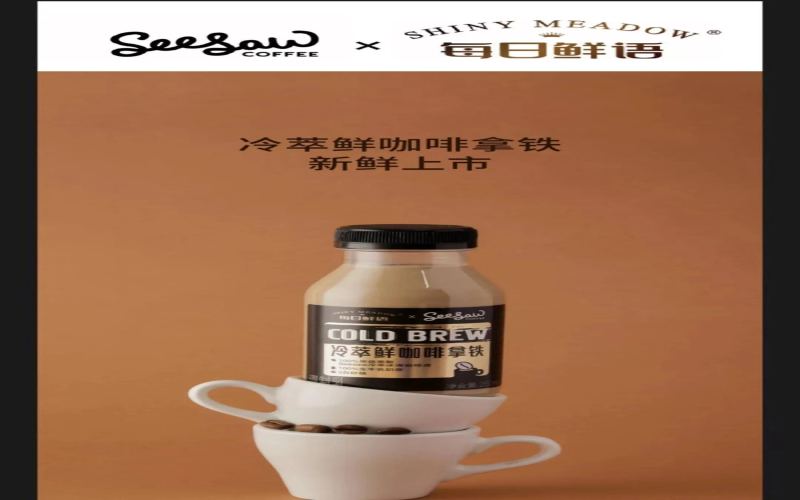
Seesaw partners with Daily Fresh Milk to launch bottled cold brew latte, sweetened with monk fruit concentrate, sparking polarized reviews
Specialty coffee brand Seesaw recently teamed up with Mengniu's fresh milk brand Daily Fresh to launch a bottled cold brew fresh milk latte. The official claim is that it uses custom cold brew beans, paired with fresh milk from a GAP Grade 1 certified pasture, with an ingredient list that highlights 0 non-dairy creamer, 0 white granulated sugar, and 0 artificial sweeteners, while the sweetness comes from natural monk fruit concentrate. After the product hit the market, online shopping platforms sold it at about 11 yuan per bottle, with a minimum purchase of 3 bottles, prompting many consumers to stock up. However, public opinion is clearly divided: some praise the clean formula of fresh milk plus coffee, while others complain of a traditional Chinese medicine taste, a sticky mouthfeel, and an inexplicable astringency, with the controversy centering on the sweetness brought by monk fruit concentrate. This article reviews the formula, price, and consumer feedback of this new product, and explores the competition and choices in the bottled coffee market. [more…]
How to Make Milk-Brewed Coffee? From Bean Selection to Cold Brew, Front Street Shares a Practical Guide to Milk-Extracted Coffee
When water can no longer satisfy coffee enthusiasts' desire for exploration, milk becomes a new extraction medium. Is it reliable to brew pour-over coffee with milk? The answer is no—milk has high saturation, weak extraction power, and proteins denature when heated above 70 degrees. But with a different approach, cold-brewing milk coffee by soaking coffee grounds in milk at low temperature is entirely feasible: low temperatures won't spoil the milk, and the extended soaking time exactly compensates for the lack of extraction efficiency. This time, Front Street Coffee selected the medium-dark roasted Sunflower Warm Sun blend, paired with Guangming Fresh Pasture fresh milk, using a 1:8 coffee-to-milk ratio and soaking at low temperature for 12 hours, ultimately obtaining a cup of milk-brewed coffee with sherry wine aroma and chocolate milk flavors. Let's take a look at the specific steps and key details below. [more…]
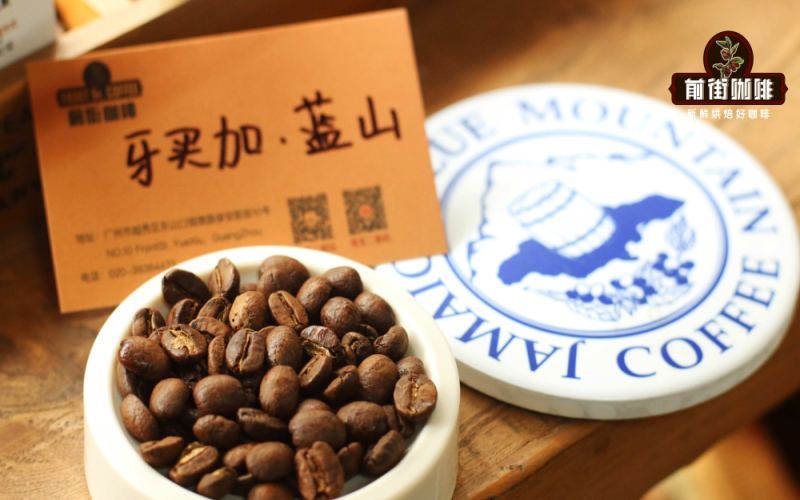
Where Does the Balanced Flavor of Jamaican Blue Mountain Coffee Come From? An Analysis of Clifton Mount Estate's Characteristics and Brewing Key Points
Jamaican Blue Mountain coffee is renowned for its exquisite balance of acidity, body, and aroma, and Clifton Estate, as one of the oldest surviving coffee estates on the island, shapes a rounded, smooth cup with subtle floral notes through its high altitude, volcanic soil, and unique washing process. This article systematically reviews the core information of Front Street Blue Mountain No. 1, from the estate's history, green bean grading, and roasting curve to cupping flavors, and provides brewing parameters for drippers such as V60 and KONO. Finally, it offers methods for identifying authentic versus fake Blue Mountain coffee across four dimensions—appearance, grind, aroma, and mouthfeel—helping coffee enthusiasts fully understand the value of this classic bean. [more…]

Visiting Jamaica's Blue Mountain Clifton Estate: A Complete Guide from Typica Variety to Washed Processing
Why is estate coffee worth tracing to its roots? In the world of specialty coffee, traceability means you can find out exactly which estate, which plot, and even which farm a bean comes from. The unique microclimate, varietal characteristics, and processing methods behind each lot of beans together shape that inimitable flavor in the cup. This article will take you into one of Jamaica's oldest coffee estates—Clifton Estate—and provide a complete analysis of the allure of Blue Mountain No. 1, from the growing region's environment, varietal characteristics, and washed processing to green bean grading and roasting curves, while also sharing Front Street Coffee's brewing recommendations and authenticity verification methods for this legendary bean. [more…]
Analysis of Colombian Emerald Coffee Varieties: Grade Classification of Select and Supremo and Flavor Characteristics
Colombian coffee is one of the few single-origin coffees sold under a country's name, and is hailed as "Emerald Coffee" for its exceptional quality. This article takes an in-depth look at the varietal characteristics of Colombian Emerald Coffee, the grading standards for Supremo and Excelso, and the flavor differences across growing regions. It also introduces Finca AF in Bolívar, Antioquia, telling the story of its family heritage and unwavering pursuit of quality. Through tasting specialty Colombian coffee, you can experience its rich, full-bodied aroma, bright and fine acidity, and high balance. Finally, Front Street Coffee will share V60 dripper brewing parameters and techniques to help coffee lovers recreate the classic Colombian flavor at home. [more…]
Flavor Analysis of Jamaican Blue Mountain Clifton Estate Coffee Beans: Origin Altitude Restrictions, Historical Origins, and Tasting Experience
Jamaican Blue Mountain coffee is especially precious due to its strict altitude requirements and export controls. This article will guide you through the rules defining Blue Mountain coffee's origin, the cultivation history of Clifton Estate since the 18th century, and the cupping flavor profile of Blue Mountain beans from the new 2015 crop. From the restricted zone at 1,500 meters above sea level to the differences between Blue Mountain coffee and High Mountain beans, and on to the tasting experience woven with floral and fruity notes, Front Street Coffee lays out for you multiple perspectives on whether Blue Mountain coffee is worth trying, making it suitable reading for every coffee lover curious about the Blue Mountain flavor. [more…]

Luckin Coffee launched six new drinks in one day, four of which are city-exclusive; the "Slacking Off" Coconut Latte struck a chord with office workers.
Luckin Coffee has once again demonstrated its astonishing speed in launching new products, rolling out six new items in a single day, four of which are city-exclusive, with only the "Slacking Off Coconut Latte" available nationwide. This new product, which adds 0-fat konjac crystal balls to the iced coconut base, has been criticized as old wine in new bottles, yet its catchy name and "slacking off" theme precisely strike a chord with office workers' emotions, sparking widespread discussion on social platforms. Netizens outside the designated cities have complained about being unable to try it, while Luckin's tactic of riding internet buzzwords to drive marketing once again confirms its dual prowess in product innovation and topic creation. Since 2020, Luckin's pace of new product launches has continued to accelerate. In the face of homogenized competition in coffee and tea beverages, whoever can precisely grasp young consumers will seize market opportunities. [more…]

The Standard Latte Preparation Process and an Analysis of the Causes of Bitterness and Sourness in Homemade Lattes
Latte, as a classic fusion of espresso and milk, has won over countless coffee lovers with its smooth and sweet taste. However, many people often encounter the problem of excessive bitterness or pronounced acidity when making it at home. This article will systematically cover the origin and background of latte, the logic behind ingredient selection, espresso extraction parameters, and the ratio plans for both hot and iced lattes, with a focus on analyzing the relationship between coffee bean roast level and flavor direction, and recommend Front Street classic espresso and commercial blend coffee beans to help readers master the essentials of making a balanced and easy-drinking latte. [more…]
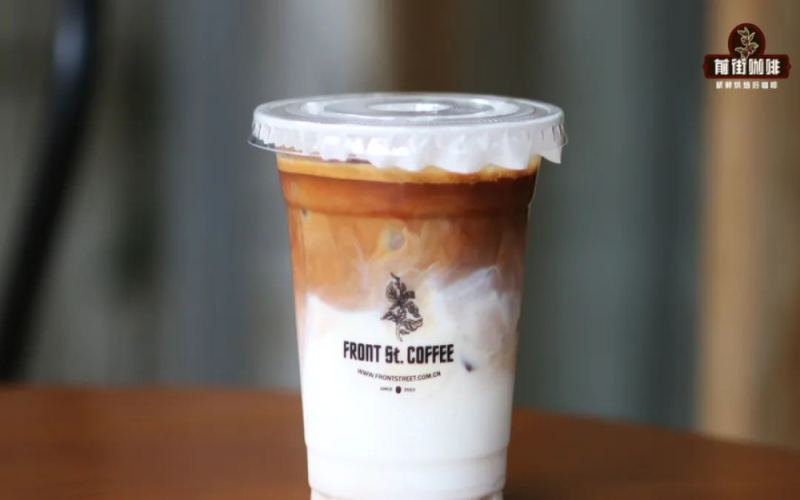
What Is a Latte? A Detailed Guide to Making Iced Latte at Home and Milk Ratios
As midsummer arrives, icy drinks become the top choice for beating the heat, and a glass of iced coffee is a favorite for many. Rather than going out to buy one, why not make an iced latte at home yourself? From the professional perspective of Front Street Coffee, this article will introduce the definition of a latte and explain in detail how to make an iced latte, including selecting coffee beans, choosing the right milk, and the specific steps for each stage. We will also recommend Front Street Coffee's specialty blend and Front Street Strawberry Candy espresso blend beans, which are suitable for making iced lattes, to help you easily recreate a well-balanced, silky iced latte at home. [more…]
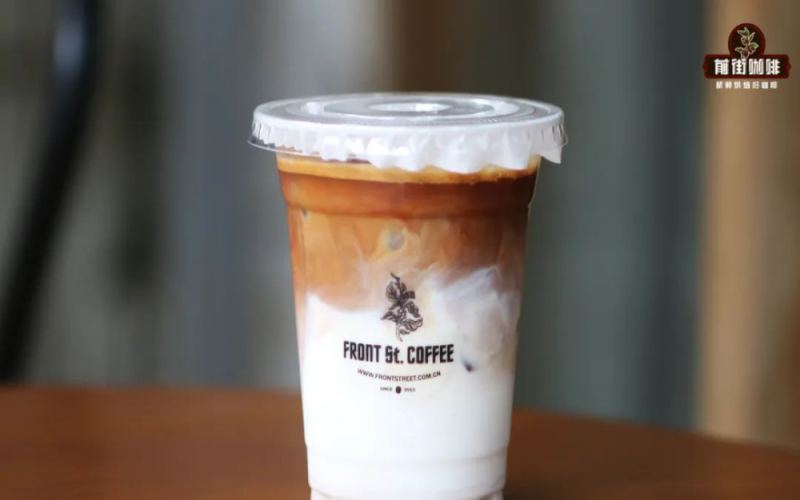
Iced Latte Recipe for Coffee Shops | Iced Latte vs. Iced Americano: Which Is Better for Coffee Beginners? Does Iced Latte Taste Bitter?
For more specialty coffee knowledge, please follow our WeChat public account: Front Street Coffee (FrontStreet Coffee). Summer is here, the weather is hot and it's easy to get tired. Some friends want to drink a cup of coffee to refresh themselves, but Americano is too bitter to drink. Today, Front Street will teach you how to make a cup of fragrant [more…]
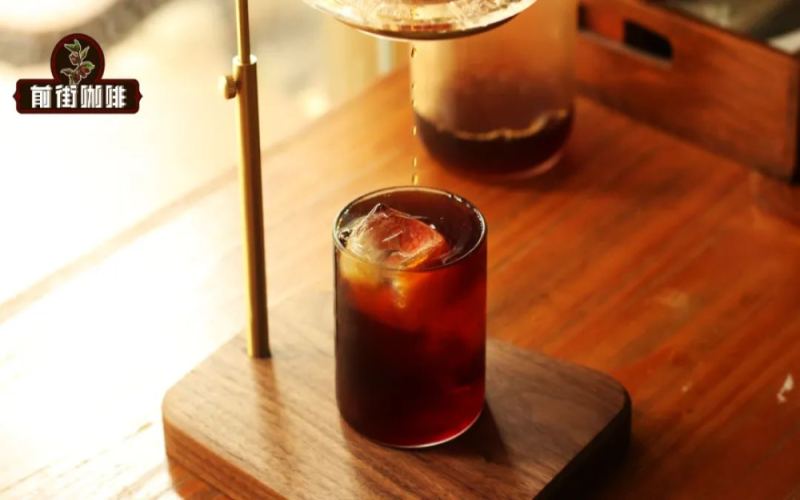
Is Cold Brew Coffee with Milk Good? A Detailed Guide to Cold Brew Coffee-to-Water Ratios and Brewing Tips
On a scorching summer day, iced coffee becomes many people's lifesaving elixir, and cold brew (cold steep) firmly holds the top spot among homemade iced coffees thanks to its simple operation and smooth taste. But many people secretly wonder: can the cold brew they've made be mixed with milk and drunk together? The answer is yes, but if you want the coffee aroma and milky fragrance to both shine, the ratio of grounds, water, and milk must be just right. This article breaks down everything one by one, from bean selection for cold brew, grind coarseness, coffee-to-water ratio, and steeping time, to the golden ratio for adding fresh milk, and also includes a lazy trick for making cold brew with drip bags, so you can easily recreate an iced milk coffee at home that rivals a café's. [more…]
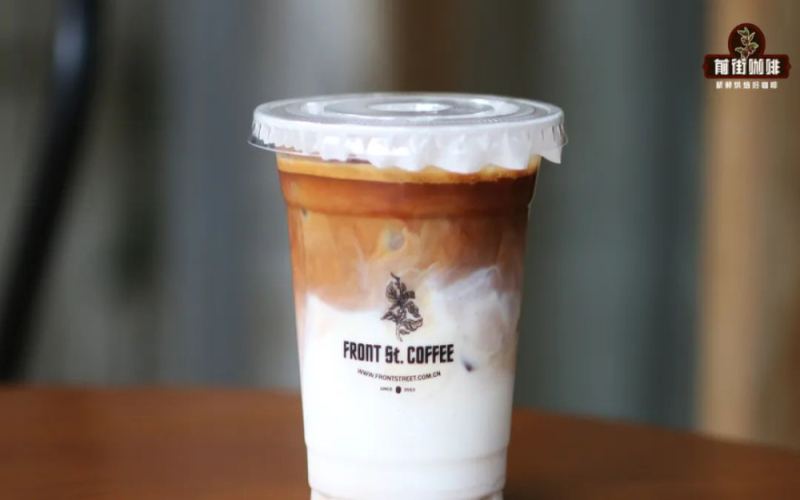
Step-by-step Guide to Making Iced Latte: A Full Breakdown from Bean Selection and Milk Choice to Ratio Control and Technique Tips
An iced latte may seem like it only takes three steps to make: add ice, pour milk, add coffee. But to truly make a delicious iced latte, there are quite a few details to consider behind the scenes. From choosing coffee beans and milk, to the ratio between espresso, milk, and ice, to the rhythm of operations during extraction and assembly, every step directly affects the final flavor performance. This article uses Front Street Coffee's iced latte preparation as an example to sort out three key aspects—material selection, milk-to-coffee ratio, and operational details—to help coffee enthusiasts consistently reproduce a balanced, layered iced latte at home. [more…]

Peruvian Volcanic Eruption Compounded by Mercury Pollution, Alarm Bells Ring for Coffee Growing Environment
Peru, a South American coffee-producing country, has recently been hit by a series of natural disasters and environmental crises. The Sabancaya volcano in the south has entered an orange alert level, and ash from frequent eruptions is severely affecting nearby farms and pastures; meanwhile, the provinces of Huancavelica and Cusco have been declared in a state of environmental emergency due to heavy metal mercury contamination. Both regions have coffee cultivation, and mercury contamination not only inhibits crop growth and reduces agricultural product quality, but may also trigger labor shortages. The Peruvian government has already launched response measures, but concerns within the industry about coffee production and quality are rising. [more…]

Dirty Coffee Making Tutorial | What Are the Differences Between a Dirty and an Iced Latte? Can You Make a Dirty Coffee with a Moka Pot?
Dirty coffee is espresso extracted over iced milk, creating a beautiful layered look. As time passes, the coffee liquid on top slowly encroaches on the pristine white milk, forming a lovely gradient inside the transparent glass, as if the pure white milk has been dirtied. Put simply, a Dirty coffee is a visually striking drink that [more…]
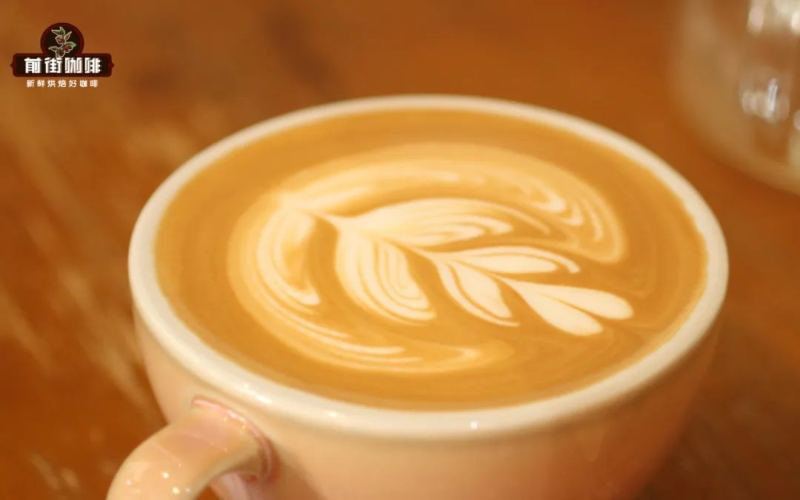
What milk to use for coffee | What milk to use for latte art with zero basics Italian latte art steps, techniques, pictures, video tutorial
Whether coffee is good or not can only be known once you taste it; but black coffee is at most just a cup of dark, unidentified liquid, so how can it entice people who don't drink coffee to want to try it? Let's not consider anything else, and focus only on what can be done with the coffee itself. Among milk coffees with added milk, latte art may be the first thing in all coffee drinks to capture [more…]

Milk Coffee Exclusive Beans | How Should Beginners Choose Milk and Espresso Beans for Making Milk Coffee? What Blended Coffee Beans Are Recommended for Latte Art Lattes?
A milk coffee is made up of nothing but espresso and milk, so choosing the right coffee beans and milk is crucial. Not only do different ingredients create differences in flavor, but different ratios also affect the final strength of the coffee. As for what milk is suitable for a latte, let's start with milk—it makes up at least three-quarters of a latte. [more…]
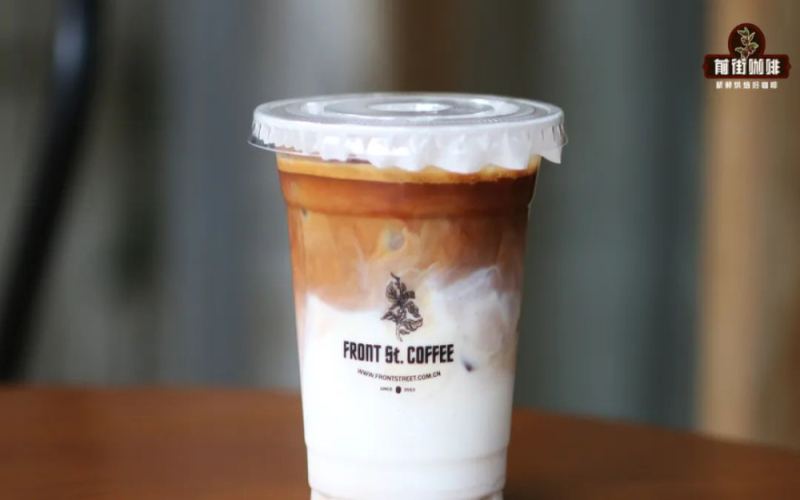
Iced Latte Making Tutorial: From Espresso Extraction to Coffee-to-Milk Ratio, with Detailed Coffee Bean Selection and Operation Techniques
On a scorching summer day, a glass of icy, smooth latte is often more appealing than a bitter Americano. This article will walk you through the process of making an iced latte, from espresso extraction parameters and coffee bean selection strategies to the ideal ratio of milk to coffee. It will also share three key tips for enhancing the flavor, including how to choose Italian-style beans based on roast level, how to master the milk-to-coffee ratio, and easily overlooked details in the process. Whether you're a beginner just starting out or an enthusiast looking to refine your skills, you'll find practical guidance here. Front Street Coffee also offers specific product recommendations for different flavor preferences. [more…]
Iced Latte Making Tutorial: From Espresso Extraction to Milk-Coffee Ratio, Solving the Bitter and Sour Issues of Iced Latte
On a hot summer day, many people want to shake off drowsiness with a cup of coffee, but find Americano too bitter. At times like this, a sweet, smooth iced latte becomes the ideal choice. This article will teach you step by step how to make a delicious iced latte at home, covering everything from espresso extraction parameters and ideas for choosing coffee beans, to the ratio of milk to coffee, and even the small details that are easy to overlook during preparation. It will also discuss whether an iced latte actually tastes bitter or sour, and how to choose between it and an iced Americano. If you love floral and fruity notes, the article also recommends beans suitable for making iced lattes, such as Front Street Coffee Strawberry Candy Espresso. [more…]

Luckin Coffee's Halloween limited-edition Pumpkin Oat Latte hits the market, with consumers saying it tastes like pumpkin porridge, sparking heated discussion.
On the eve of Halloween, Luckin Coffee launched a limited-edition new product in collaboration with Pingu—the Pumpkin Oat Latte—which attracted many consumers to place orders and try it right away. However, the drink's appearance and taste sparked widespread discussion on social media. Some found the pumpkin aroma rich, while others complained that it was more like a sweet, thick pumpkin porridge, even joking that pairing it with a roujiamo would make a complete breakfast. This article will sort through the formula features of this new product, consumer feedback, and the controversy surrounding holiday limited-edition products, to help you understand why this cup of pumpkin latte makes people both love and hate it. [more…]