





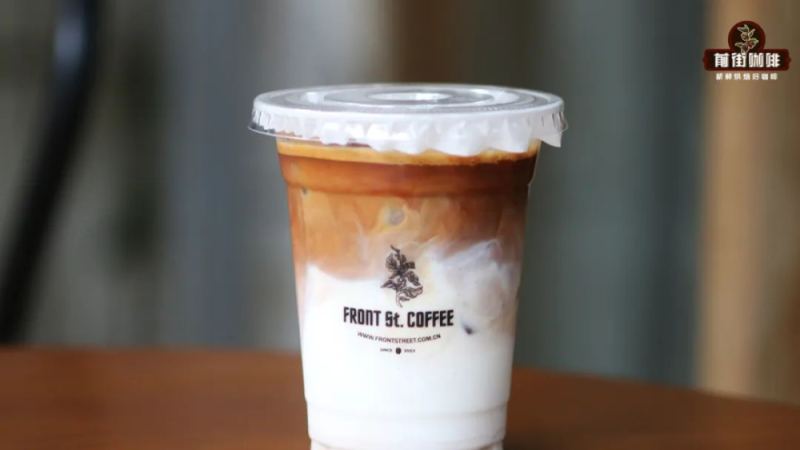
How do you make coffee in a machine for a balanced iced latte?
An iced latte is built from three parts: espresso, cold milk, and ice. Pour the ice and milk into the cup first, then pull the shot immediately so the crema stays intact. A double basket holds 20 grams of grounds, and a 1:2 ratio yields about 40 grams of espresso liquid for one drink.
Extraction time decides much of the taste. Shots under 20 seconds come out thin, while shots past 35 seconds turn burnt and bitter, so the target range is 26 to 32 seconds. Weigh the grounds to 20 grams, level the bed, and tamp vertically before starting. Choose a blend coffee or single origin by roast level, and adjust the milk-to-coffee ratio to taste.
On a scorching summer day, a cup of icy, smooth latte is often more appealing than a bitter Americano. This article will walk you through the process of making an iced latte, from espresso extraction parameters and coffee bean selection to the ratio of milk to coffee. It will also share three key tips for improving the taste, including how to choose espresso beans based on roast level, how to control the milk-to-coffee ratio, and easily overlooked details in the process. Whether you're a beginner or an enthusiast looking to refine your skills, you'll find practical guidance here. Front Street Coffee also offers specific product recommendations for different flavor preferences.
For more specialty coffee information, welcome to follow our WeChat official account: FrontStreet Coffee
On summer days when temperatures rise, people tend to feel drowsy. Some friends want to perk up with a cup of coffee but find Americano too bitter to accept. Today, Front Street is here to teach you how to make a sweet, gentle iced latte.
How do you make an iced latte?
Let's first break down the components of an iced latte: espresso, milk, and ice. Once you understand these three ingredients, you can prepare them step by step. First, pour the ice and milk into a cup, then immediately begin making the espresso.
The espresso machine used by Front Street is equipped with a double basket, dosing 20 grams of coffee grounds each time and extracting at a 1:2 coffee-to-water ratio, meaning 40 grams of coffee liquid is obtained within a reasonable time. Extraction time is closely related to the flow rate of the coffee grounds, and a single extraction is typically controlled between 20 and 35 seconds. If it's under 20 seconds, the coffee flavor tends to be thin and weak; if it exceeds 35 seconds, over-extraction may cause a burnt, bitter taste. Therefore, when serving, Front Street keeps the espresso extraction time stable within the range of 26 to 32 seconds.
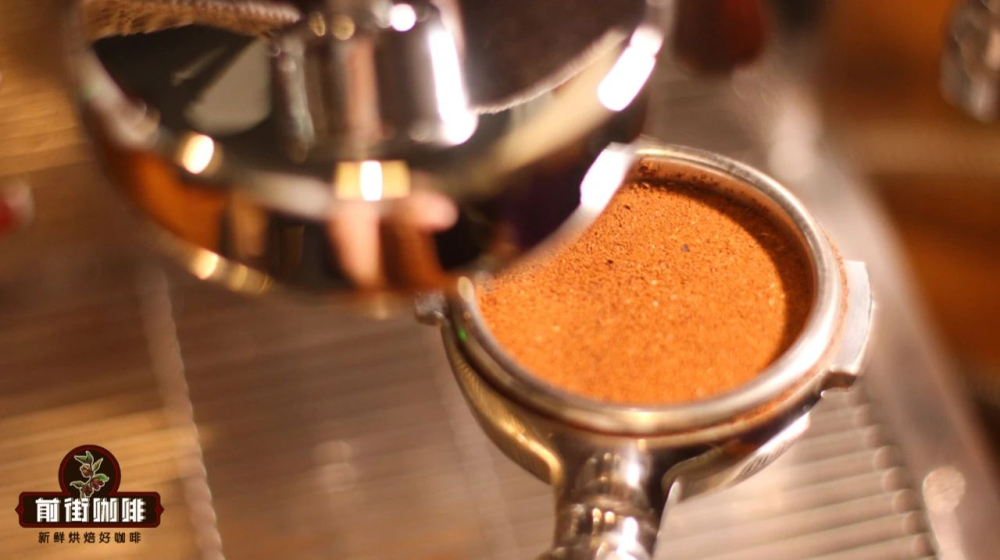
Before officially starting extraction, wipe the basket clean, start the grinder to grind a double dose of coffee grounds, place it on an electronic scale and adjust until it reaches 20 grams. Then use a distribution tool to level the coffee bed, and use a tamper to press down vertically with force to compact the coffee puck, which makes the extraction process more stable.
Next, turn on the extraction switch and let water run for 1 to 2 seconds to moisten the brew head and flush out any residual coffee grounds. Place an electronic scale under the cup that will catch the Espresso and tare it to zero. During extraction, place the cup together under the brew head, then gently lock in the portafilter and flip the extraction switch. When the scale shows the coffee liquid has reached 40 grams, stop extraction immediately. Finally, gently pour the espresso into the cup containing ice and milk.
Are there any tips to make an iced latte taste even better? Of course there are.
First: Choose the right coffee beans for making espresso
The flavor of coffee beans directly influences the taste profile of an iced latte. If you choose beans that are roasted too dark, they contain higher levels of bitter compounds, and the resulting latte tends to have a burnt and bitter taste; while light-roasted beans are harder in texture and prone to under-extraction, making the latte taste sour and weak with an unsatisfactory mouthfeel.
For beginners, it's best to use medium-dark roasted espresso blend beans for making lattes. These beans give the iced latte a rich aroma of nuts, chocolate, and toasted bread. We recommend Front Street Classic Espresso and Front Street Commercial Blend Coffee. The abundant, velvety crema enhances the richness of the iced latte and better complements the sweetness of the milk.
If you prefer the coffee's bitterness to be less prominent, you can choose Front Street Strawberry Candy Espresso. This is an espresso recipe designed for those who love floral and fruity flavors, blending three major origins: Costa Rica, Colombia, and Ethiopia. It features aromas of roses, citrus, grapes, and dried blueberries. When made into an Americano, it presents a clear, sweet flavor reminiscent of fruit gummies.
Second: Master a reasonable milk-to-coffee ratio
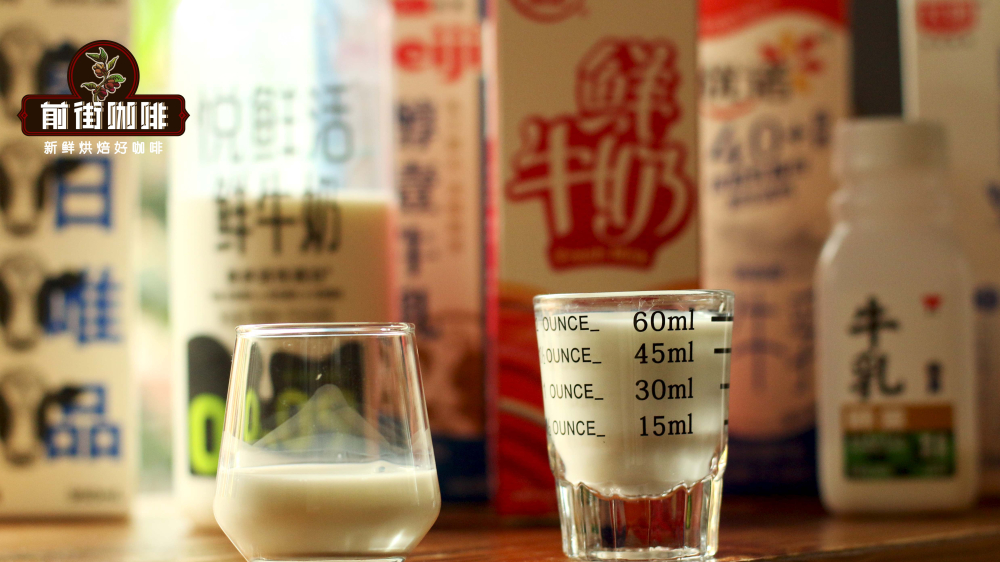
After choosing your coffee beans, the next step is choosing your milk. Front Street believes that to make a delicious iced latte, it's best to use fresh milk with a higher protein content. Then, keep the milk and coffee liquid within a reasonable ratio range.
When making an iced latte, Front Street uses Front Street Classic Blend coffee beans paired with Guangming Fresh Pasture milk, at a ratio of 40 grams of espresso, 150 milliliters of fresh milk, and 75 grams of ice. This ratio is for reference only and is not the golden standard for latte coffee. Front Street arrived at these parameters after multiple adjustments based on the above ingredients, mainly based on real tasting feedback.
Third point: Operational details
The steps of an iced latte—"add ice, pour milk, pour coffee"—may seem simple and straightforward, but there are still details to pay attention to. The most critical is the espresso extraction. Whether a latte tastes good largely depends on whether the espresso extraction meets the standard. Common issues like channeling and improper extraction time can also affect the taste of an iced latte. Additionally, the process of making an iced latte should be quick—"quick" here means the ice and milk should spend as little time as possible in the cup, and the freshly extracted espresso should be poured into the cup immediately.
Master these details, and Front Street believes you can easily make a delicious iced latte at home too.
The above content is compiled by CoffeeHunters, a coffee news website.


