







Search Results for: espresso over ice

What Is an Iced Americano Without Water? Analysis of the Making Method and Flavor Layers of Espresso Over Ice
Iced Americano without water sounds like a strange option, but it actually just means pouring espresso directly over ice. This practice isn't superfluous—it's a favorite among many seasoned coffee enthusiasts. This article breaks down the ins and outs of this "waterless iced Americano" in detail, from the ordering logic, cup selection, and extraction method to the flavor changes. It also discusses why coffee shops usually don't put espresso on the menu, as well as Front Street Coffee's professional advice on this way of drinking. If you're curious about what espresso over ice actually tastes like, or want to understand why every sip of a waterless iced Americano changes, this article will give you the complete answer. [more…]

Complete Guide to Ice Amounts for Iced Coffee: Ice Ratios and Tips for Espresso, Pour-Over, and Cold Brew
As temperatures climb, iced coffee becomes a daily choice for many, but the key to a delicious cup of iced coffee lies in precisely controlling the amount of ice used. Ice in coffee not only handles the cooling task, but also locks in aroma and slows the rise in temperature, making the refreshing taste last longer. However, different extraction methods and coffee beans of different roast levels have vastly different ice needs. This article starts from the role and quality requirements of ice, combines the specific scenarios of espresso, pour-over coffee, and cold brew ice drip, and analyzes in detail the logic for adjusting ice ratios. Using beans such as Front Street Classic Blend, Grana Geisha SOE, and Fruit Ding Ding as examples, it provides actionable home ice solutions to help you easily make a cup of iced coffee with just the right strength, flavor, and chill. [more…]

Can Iced Americano Only Be Made with an Espresso Machine? A Complete Guide to the Differences Between Iced Americano, Cold Brew, Ice Drip, Iced Pour-Over, and Black Coffee
The iced Americano that everyone holds a cup of in summer is actually not simply coffee left to cool. It is made by diluting espresso with iced water—zero calories, zero sugar, zero fat—refreshing, cutting through grease, and giving a caffeine boost. But many people also loosely call cold brew, ice drip, and iced pour-over "iced Americano," which causes confusion. These types of iced coffee differ noticeably in extraction principles, concentration, and flavor expression: iced Americano is richer and fuller thanks to the oils in espresso; cold brew and ice drip rely on low-temperature slow extraction to bring a round, slightly acidic taste; iced pour-over uses a high-concentration hot extraction and then cools and dilutes it, highlighting floral and fruity notes. This article will start with the production methods, sources of flavor, and bean selection, and will include Front Street Coffee's step-by-step iced Americano method along with several bean recommendations suitable for different iced coffees. [more…]

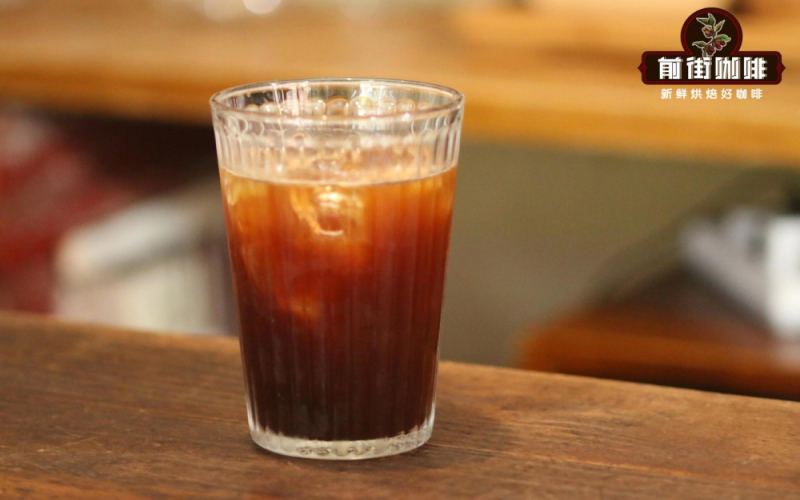
The Secret of Americano with No Water: Ice Espresso Taste Analysis and Preparation Key Points
In coffee shops, ordering an iced americano without ice is not uncommon, but have you ever heard of asking for an iced americano "without water"? This drink, known as an espresso over ice or iced espresso, is actually just espresso coming directly into contact with ice cubes. It has a rich mouthfeel and bright acidity, with less bitterness compared to hot espresso. This article will explain in detail the origins of this drinking method, how to make it, and, drawing on the "extract chilling" concept of 2021 WBC barista Hugh Kelly, explain why rapid cooling can lock in more aroma. At the same time, Front Street Coffee recommends a series of espresso beans suitable for making iced espresso, helping you easily recreate a professional flavor. [more…]
What kind of coffee dessert is Affogato? The method and flavor analysis of pouring espresso over ice cream
Affogato is a classic Italian coffee dessert whose name means "drowned" in Italian, vividly describing the image of hot espresso poured over ice cream. Sitting somewhere between coffee and dessert, it offers both the rich bitterness of espresso and the dense sweetness of Italian gelato. This article will guide you through a comprehensive understanding of this Italian delicacy where ice and fire meet—covering the definition of affogato, the characteristics of authentic Gelato, basic preparation methods, creative variations from around the world, and Front Street Coffee's recommended espresso bean pairings—along with practical tips for making it at home. [more…]
Complete Guide to Ice Coffee Ice Cube Ratios: Ice Techniques for Americano, Latte, Pour-Over, Cold Brew, and Ice Drip
Every spring and summer, iced coffee becomes many people's go-to daily choice, and "exactly how much ice to add" is always the trickiest part of home brewing. Ice in coffee isn't just a cooling tool—it also affects aroma retention and how long the chill lasts. This article covers three main categories—espresso, pour-over, and cold brew and ice drip—and, combined with the characteristics of coffee beans at different roast levels, provides specific ice ratios and practical tips. It also explains how the texture, size, and freezing method of ice affect the final taste, helping you make a cup of iced coffee at home with just the right strength, flavor, and chill. [more…]

How to Make Ice Cube Coffee? Espresso Freezing and Storage Tips with Three Pre-Made Options: Iced Americano, Iced Latte, and Iced Pour-Over
On a scorching summer day, a glass of iced coffee never fails to bring instant refreshment. But on a busy morning, who has the patience to wait for a cold brew to slowly filter? This time, Front Street Coffee is sharing a lazy-person solution that only requires freezing coffee liquid into ice cubes ahead of time and simply adding water or milk before heading out—ice cube coffee. The article breaks down in detail three methods: ice cube Americano, ice cube latte, and ice cube pour-over, explaining everything from bean selection and extraction parameters to freezing and melting details, while also objectively analyzing the loss of oils and aroma in pre-made coffee. If you want to sleep ten extra minutes without giving up a decent glass of iced coffee, this method is worth a try. [more…]
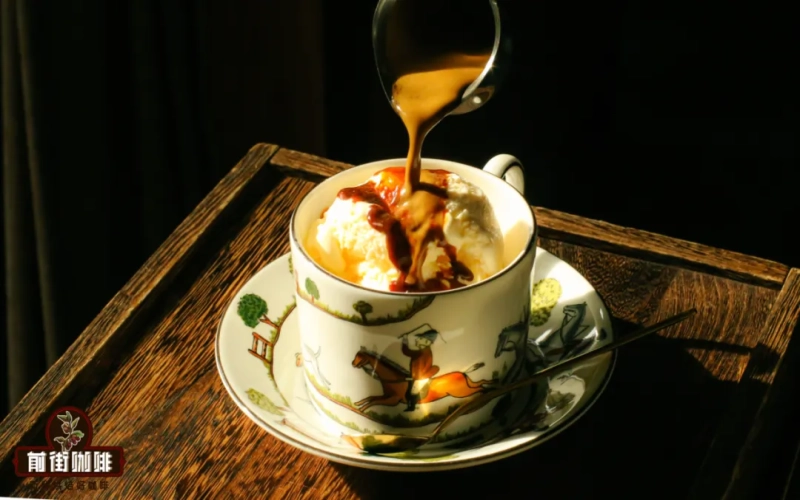
Affogato Explained: From Pairing Ice Cream and Espresso to Key Steps of the Classic Recipe
Affogato means "drowned" in Italian, vividly depicting the image of espresso poured over ice cream. This dessert, with its striking contrast between the sweetness of ice cream and the rich bitterness of espresso, is hugely popular in the global coffee community. Today, Front Street Coffee isn't talking about exclusive recipes, but focusing on the most basic, most classic version. It may seem like simply pouring espresso over ice cream, but in reality, the choice of ice cream and coffee beans, their ratio, and equipment details all directly affect the final taste. This article will break down one by one how to make a cup of "breathtakingly" delicious affogato, including why vanilla ice cream has become the standard pairing, the advantages of dark roast beans, the golden ratio of 2~2.5:1, and practical tips like chilling the glass. [more…]

Ice Coffee Brewing Methods | What's the Difference Between Cold Brew, Ice Drip, Iced Americano, and Iced Pour-Over? Which Ice Coffee Tastes Better?
As temperatures gradually rise, the popularity of iced coffee slowly heats up too. Common types of iced coffee include iced pour-over coffee, iced espresso, cold brew coffee, and cold drip coffee, etc. But what are the differences between these four types of iced coffee? And how do they differ in taste? Today Front Street Coffee (FrontStreetC [more…]

Why Drink Iced Water Before Coffee Tasting? The Origins of Espresso with Iced Water and an Analysis of Its Applicability to Pour-Over
When ordering at a café, you'll often see a glass of ice water served alongside an espresso, and many enthusiasts are in the habit of drinking ice water before their coffee. Can this glass of ice water actually help us perceive coffee flavors more clearly? Front Street Coffee will approach this from the perspective of oral sensory cleansing, explaining how ice water enhances the tasting experience by rinsing away residue, stimulating saliva production, and numbing the palate through low temperature, while also tracing the origins of this practice in espresso culture. It will also discuss whether pour-over coffee is suited to the same approach, and why room-temperature water is gentler on the stomach and intestines. [more…]

Iced Americano, Iced Pour-Over, Iced Drip, and Cold Brew: A Breakdown of Brewing Essentials and Flavor Differences Among Four Iced Coffees
The world of iced coffee is far richer than one might imagine, with iced Americano, iced pour-over, iced drip, and cold brew each having their own distinctive merits. The baristas at Front Street Coffee have combined their daily brewing experience to share the unique characteristics and specific preparation methods of these four types of iced coffee. From setting the coffee-to-water ratio and adjusting grind size to controlling extraction time and temperature, every step influences the final flavor in the cup. This article will break down one by one the two-stage pouring logic of iced pour-over, the espresso extraction parameters of iced Americano, the key points of low-temperature steeping for cold brew, and the dripping rhythm of iced drip coffee, helping coffee enthusiasts understand the principles while also appreciating the differences in texture and aroma among different iced coffees. [more…]
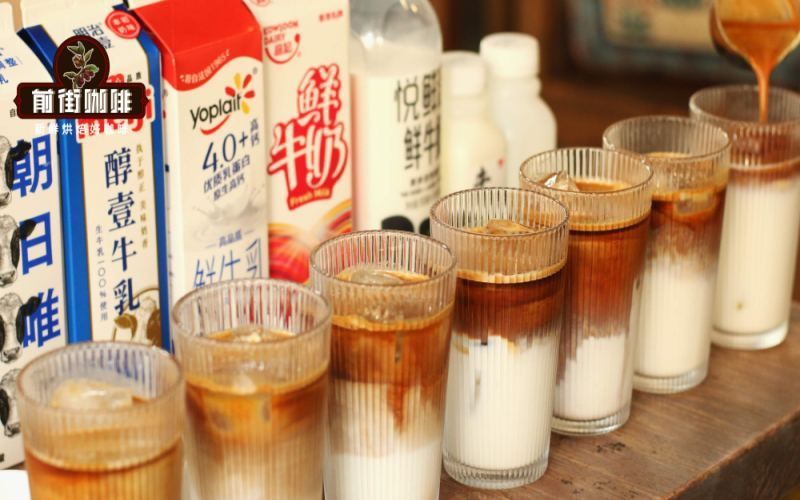
What's the difference between iced latte and iced coffee? Espresso extraction and pairing tips for making your own latte
Why is it that, even among iced coffees, the iced latte from a café is always more aromatic and smooth? From the perspective of Front Street, this article breaks down the conceptual differences between an iced latte and iced coffee, explains whether espresso can be used to make a latte, and offers actionable tips for making iced lattes at home, covering household equipment, coffee bean selection, espresso extraction standards, the coffee-to-milk ratio, and the use of ice. The article also recommends two espresso beans—Front Street Signature Blend and Front Street Classic Blend—which suit different needs such as home use, office use, and latte art for beginners, helping you get closer to the flavor performance of café-quality drinks. [more…]
A Detailed Guide to the Four Major Iced Coffee Brewing Methods: Differences Between Cold-Water and Hot-Water Extraction, Plus Practical Tips from Front Street Coffee Baristas
As the weather turns warmer, iced coffee gradually becomes a favorite among coffee lovers. The common types of iced coffee mainly include iced pour-over, iced espresso (iced Americano), cold brew, and cold drip, each with distinct differences in extraction method and flavor expression. Iced pour-over and iced Americano follow the approach of rapid hot water extraction followed by dilution with ice, while cold brew and cold drip rely entirely on ice water or a low-temperature environment for long extraction, resulting in a softer and fuller flavor. The baristas at Front Street Coffee will introduce one by one the specific preparation methods, parameter ratios, and operational details of these four iced coffees, helping everyone recreate an ideal cup of iced coffee at home. [more…]
The Complete Guide to Making Iced Latte at Home: From Choosing an Espresso Machine and Pairing Espresso Beans to a Detailed Explanation of Coffee-to-Milk Ratios
Want to recreate a coffee shop's iced latte at home, but always feel like the taste falls a bit short? The problem usually lies in three areas: whether the espresso machine's pressure performance is up to standard, whether the flavor of the espresso beans and milk are in harmony, and whether the ratio of espresso to milk is appropriate. Drawing on Front Street Coffee's practical experience, this article systematically sorts out the key points of making iced lattes at home—including how to judge the extraction capability of a home espresso machine, the coffee-to-milk ratios suited to dark-roast and light-roast espresso beans respectively, how to manage the resting period of coffee beans, and the impact of ice cube selection on the finished drink's mouthfeel. Whether you are a beginner who has just acquired your equipment or a seasoned player looking to further stabilize your output, you can find actionable reference solutions here. [more…]

Types of Espresso Drinks | Are There Big Differences Between Iced Americano, Iced Latte, Cortado, Flat White, and Dirty? What Is the Espresso Extraction Ratio? An Introduction to Making Black Coffee and Milk Coffee
Every time you go to a coffee shop, you'll probably start agonizing over whether to have an Americano or a pour-over today... or whether to go with a latte or a Dirty! Faced with a dazzling coffee menu and coffee products that all seem to look pretty much the same, what's actually the difference? In this article, Front [more…]
The Complete Brewing Guide to the Four Major Types of Iced Coffee: A Comparison of Methods and Parameters for Iced Pour-Over, Iced Americano, Cold Brew, and Ice Drip
As the weather warms up, iced coffee becomes a favorite for many. The four common types of iced coffee—iced pour-over, iced americano, cold brew, and ice drip—each have their own nuances in extraction method, flavor profile, and brewing parameters. Using Front Street Coffee's production practices as an example, this article breaks down the specific methods for each of the four iced coffees one by one: how to choose the coffee-to-water ratio for iced pour-over, how to control the ratio of espresso to ice water for iced americano, the steeping time and grind size for cold brew, and the flow rate and extraction duration for ice drip. Whether you want to recreate these at home or understand the operational logic of baristas, you'll find practical references here. [more…]
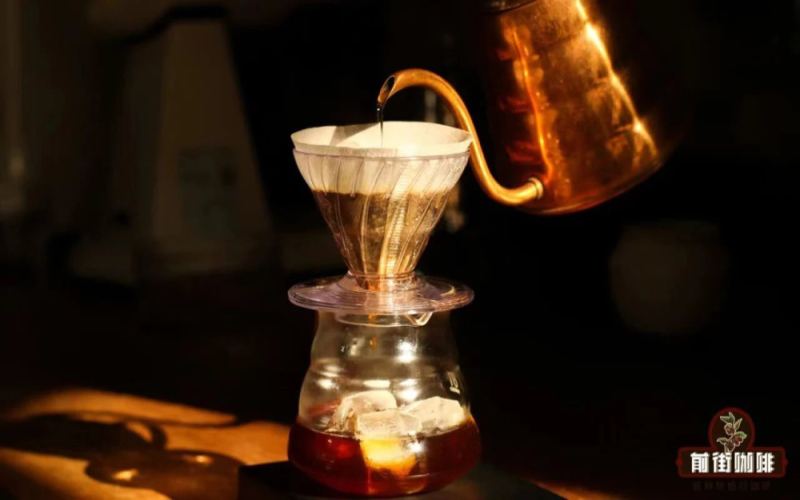
Iced Pour-Over, Iced Americano, Cold Brew, and Ice Drip: Production Differences and Flavor Comparison of Four Summer Iced Coffees
As the weather warms up, iced coffee gradually becomes the top choice for coffee lovers. Iced pour-over, iced Americano, cold brew, and iced drip are four common types of iced coffee. Although they all carry the word "iced," they each have their own distinct characteristics in extraction principles, preparation methods, and flavor expression. Iced pour-over and iced Americano both adopt the approach of extracting a high-concentration brew and then diluting it with ice, but the former relies on a dripper for pour-over, while the latter uses espresso as its base. Cold brew and iced drip both belong to the category of low-temperature, long-duration extraction, offering a full-bodied taste with rich layers. The difference lies in that cold brew uses an immersion method, while iced drip relies on water droplets continuously penetrating the coffee grounds. In this article, Front Street Coffee will break down the brewing parameters and flavor characteristics of these four iced coffees one by one, helping you find the cup that best suits your taste. [more…]
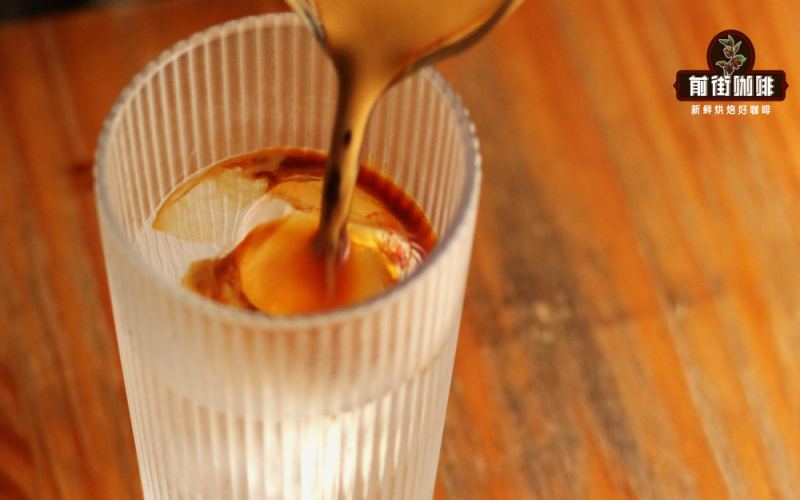
How to Make a Delicious Iced Americano: A Complete Guide from Espresso Ratios to Water-to-Ice Proportions
Americano is practically a standard offering at every coffee shop, but the flavor varies greatly from one shop to another. Some people find Americano too bitter, while others find it too weak—the key actually lies in the ratio of espresso to water. Front Street Coffee is often asked how to make iced Americano, so this time we're sharing the complete approach. The article first reviews the origins of Americano, then uses actual testing to compare the concentration and flavor performance at three dilution ratios—1:4.5, 1:6, and 1:8—to explain which ratio suits espresso beans of different roast levels. Next, it explains the difference between iced and hot Americano: melting ice will dilute the coffee, so you need to reduce the water amount and use large, hard ice cubes. Finally, it provides the specific brewing parameters for Front Street Coffee's Sunflower Warm Sun espresso blend, along with classic espresso blend recommendations suitable for Americano and latte. [more…]
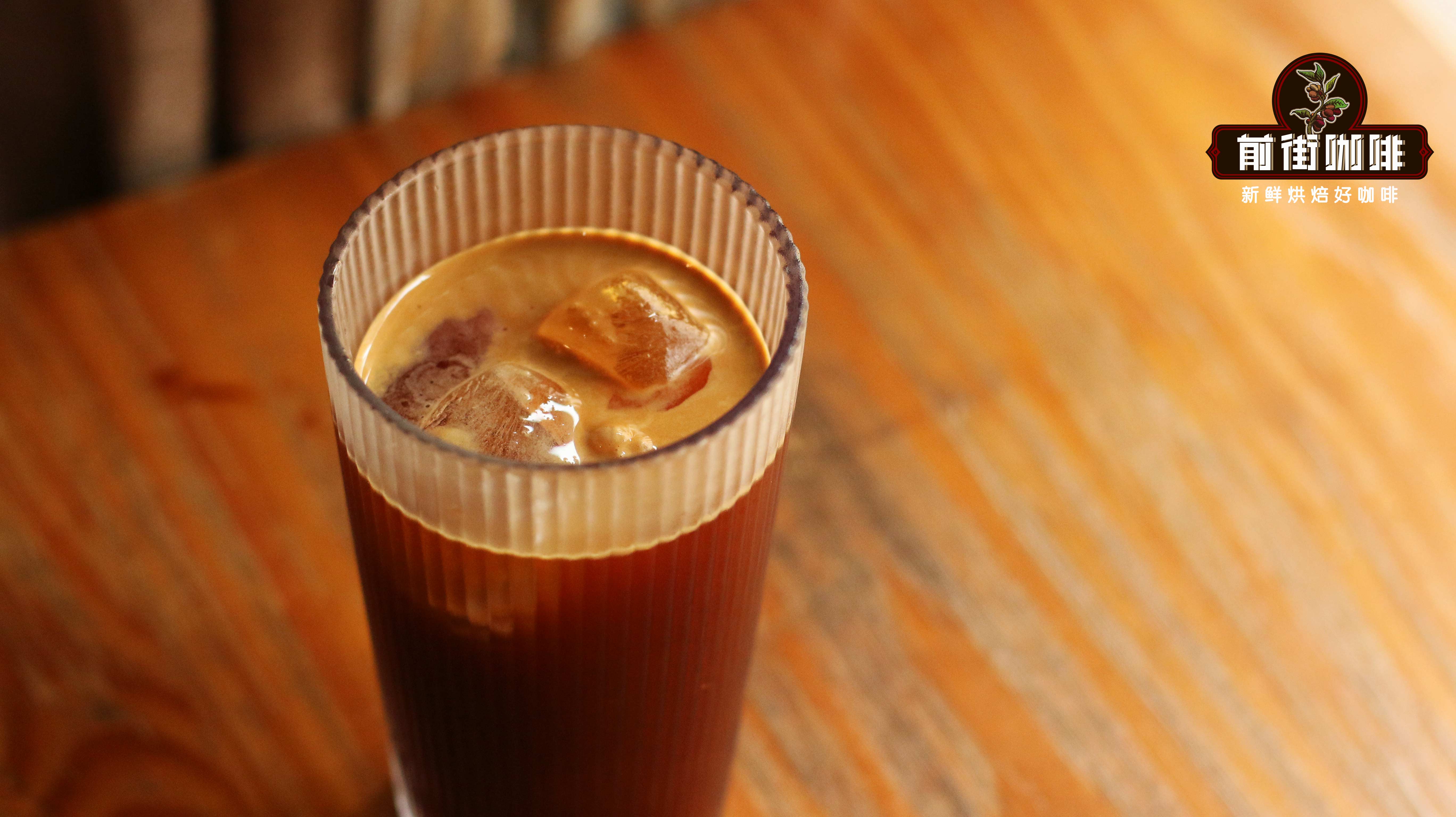
A Complete Guide to Making Iced Americano: Exploring the Espresso-to-Water-to-Ice Ratio and Its Fat-Loss Benefits
Americano is the most basic and classic item on any coffee menu, winning over countless enthusiasts with its simple espresso-plus-water formula. But an outstanding iced Americano is far more than "just add water and ice" — how does water temperature affect flavor perception? What is the golden ratio of espresso to water? Why is the size of the ice cubes so crucial? This article begins with the flavor differences between hot and iced Americanos, then breaks down in detail how Front Street. Strawberry Candy Espresso Blend coffee beans perform in an iced Americano, complete with the full iced Americano preparation process and parameters. In addition, we'll also discuss a topic everyone cares about: can drinking Americano actually help with weight loss? [more…]
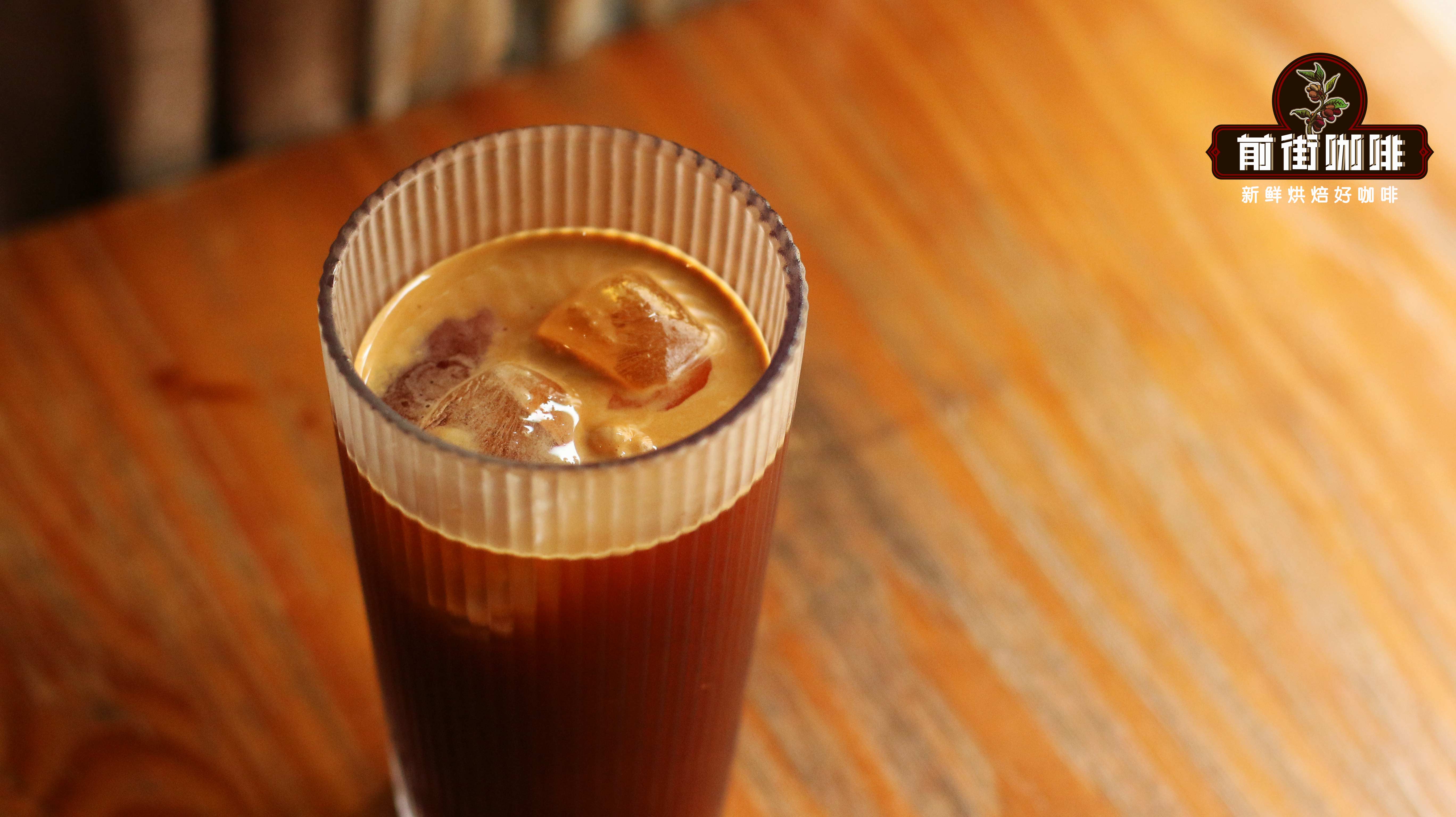
Can Iced Americano Help with Fat Loss? Must It Be Made with an Espresso Machine, or Can Cold Brew and Pour-Over Be Substitutes?
Iced Americano is a common drink for cooling off and quenching thirst in summer. Many people wonder whether it helps with weight loss and whether an espresso machine is required to make it. This article addresses these two questions. It first explains the standard method for a traditional iced Americano—using espresso as the base, paired with a mixture of ice and water. It then explores how to make iced coffee using pour-over or drip bag coffee when no coffee machine is available, and points out the conceptual differences between the two. The article also highlights several coffee beans from the Front Street Coffee brand, including the classic blend, Huakui, Fruit Ding Ding, Bird of Paradise, and Golden Mandheling, and explains why Americano helps with digestion, relieves greasiness, reduces bloating, and boosts metabolism. Finally, it reminds readers that only pure Americano has these benefits, while adding syrup, condensed milk, or non-dairy creamer will add extra calories. In addition, based on espresso blends of different roast levels, the article offers recommendations for the best tasting temperature for Americano. [more…]