







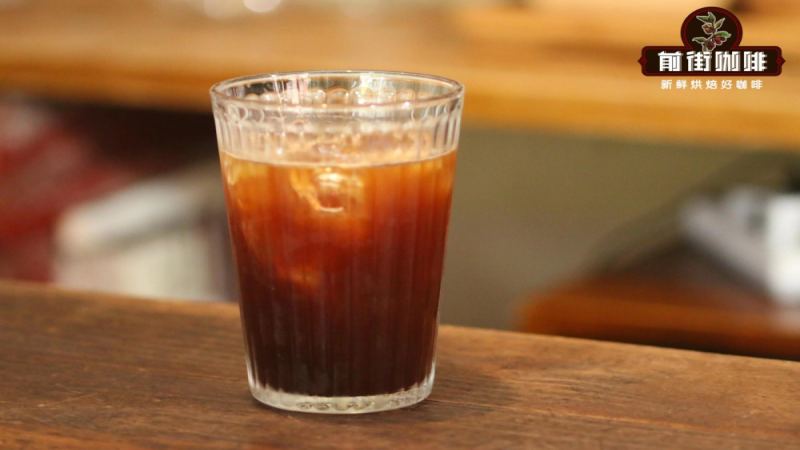
How does the meaning of mocha relate to affogato?
Affogato is an Italian coffee dessert made by pouring a shot of hot espresso over a scoop of gelato. The name means "drowned" in Italian, describing the ice cream being covered by the coffee. It sits between drink and dessert, combining the bitterness of espresso with the dense sweetness of Italian gelato. No fixed date records when the combination first appeared.
Preparation is simple: chill the glass and the gelato, pull a fresh espresso, and pour it over just before serving so texture holds. Pairings usually follow espresso logic seen in mocha drinks, where milk or chocolate softens roast bitterness. The same question of temperature applies, since affogato is served hot and cold at once, unlike an iced mocha.
Affogato is a classic Italian coffee dessert. Its name means "drowned" in Italian, vividly describing hot espresso poured over ice cream. It sits between coffee and dessert, offering both the rich bitterness of espresso and the dense sweetness of Italian gelato. This article will give you a comprehensive understanding of this Italian delight where ice and fire meet, covering the definition of affogato, the characteristics of authentic gelato, basic preparation methods, creative variations from around the world, and Front Street Coffee's recommended espresso bean pairings, along with practical tips for making it at home.
Coffee has long been part of many people's daily lives, even becoming an irreplaceable beverage. Ways of drinking coffee keep emerging, and every country has its own unique creativity. For example, Vietnamese people habitually add milk to their coffee because the local Robusta beans taste rather bitter; adding milk makes the overall cup more balanced and smooth, and tones down the bitterness. Spain, similarly fond of adding condensed milk, also has a deep coffee culture. Upon waking in the morning, they drink a café con leche—the most common and most popular coffee in Spain—which contains a large amount of milk heated by a steam-pressure espresso machine, usually served in a large coffee cup or glass. Around eleven in the morning, many Spaniards stop for a short break called Almuerzo… and so on.
When it comes to coffee, what people most often hear about or see are derivatives of espresso, such as lattes, cappuccinos, caramel macchiatos, mochas, and so on, while the name affogato may be relatively unfamiliar. Some classify it as a dessert, while others consider it a coffee—opinions vary.
When it comes to coffee, Italians can be said to have taken innovation to the extreme. Simply add "espresso" to "any food" and you can create a brand-new name, which is why Italian coffee is also called fancy coffee. Easy combinations that come to mind include espresso with milk, cream, water, ice cubes, milk foam, chocolate… But surprisingly, Italians pour espresso into ice cream and call it "Affogato." Without a doubt, Affogato is Italian, meaning "drowned," presumably describing the scene of ice cream being drowned by espresso. As for when espresso mixed with ice cream first appeared, it is now difficult to verify.
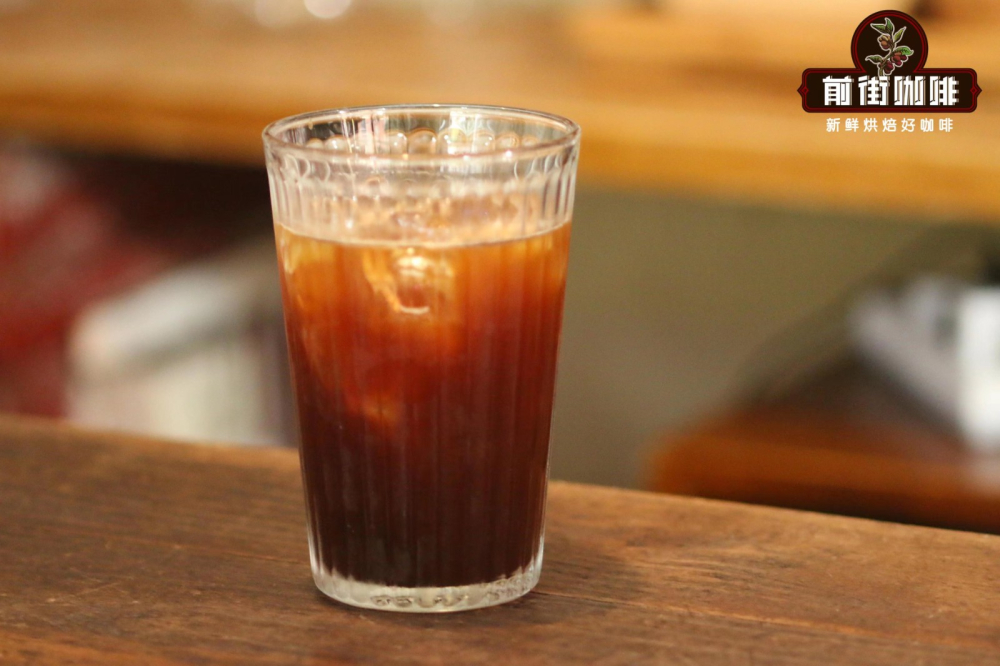
Affogato (also translated as "Afu Qiduo") is a coffee drink that comes close to being a dessert. It originated in Italy, and the method is to place gelato at the bottom of a cup, then pour over a small amount (about 2 oz) of freshly brewed espresso. Particular shops use pre-chilled glass cups so that the hot espresso does not immediately melt the ice cream, allowing you to experience the beauty of ice and fire intertwining and the balance of bitter and sweet when tasting.
The secret to authentic Affogato's deliciousness: Italian gelato!
Ordinary American-style ice cream emphasizes a "rich, soft" texture. It requires a large amount of sugar and animal fat, and during production a great deal of air (about 50% of the total) is whipped in to create a fluffy effect.
Italian gelato, on the other hand, is subject to government regulations: its milk fat content cannot exceed 8%. By comparison, it is a light, low-fat dessert, and during production it does not incorporate a large amount of air (about 20–35% of the total). The overall texture is denser, with a delicate, creamy smoothness that ordinary ice cream struggles to achieve.
Gelato tastes more delicate and smooth than regular ice cream, with lower fat content and greater healthfulness. Italian cafés hold that all drinks derived from espresso belong to the category of Italian coffee drinks—a view that focuses on the espresso. But it seems that outside of cafés, everywhere else tends to classify affogato as a dessert—a view that focuses on the ice cream.
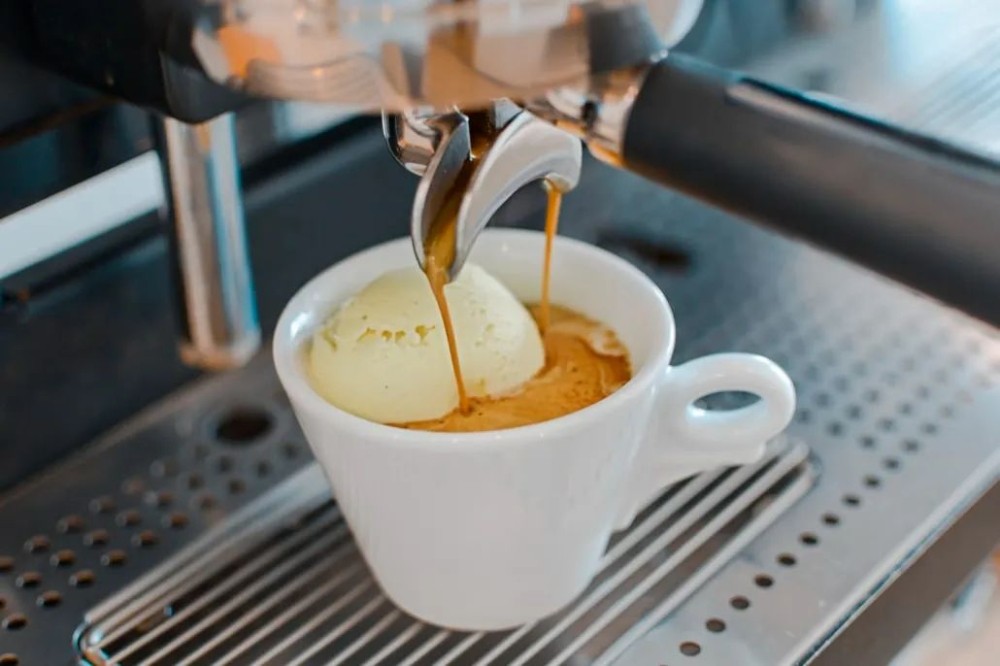
Strictly speaking, this is not a cup of coffee, but a coffee dessert. Its contents are: 1–2 scoops of vanilla ice cream + one serving of espresso (30ml). Such a coffee dessert is served in a ceramic mug or a latte glass, and different coffee shops present it in different ways. Generally, cafés thoughtfully separate the espresso and vanilla ice cream for you, letting you pour the warm espresso over the vanilla ice cream yourself, so the ice cream doesn't melt too quickly; of course, some cafés pour the espresso for you and then bring it out. This coffee dessert tastes layered and melts in your mouth. Scoop up a spoonful of sweet vanilla ice cream, pair it with mellow, bitter espresso, and send them to your tongue together. At first you taste the coffee bean's original flavor; just as the bitterness is about to be released, the cold, sweet vanilla ice cream melts in your mouth at just the right moment, neutralizing the bitterness while preserving the aroma of the espresso.
Making Affogato Coffee
Making affogato is actually very simple. You only need to prepare two things: a scoop of vanilla ice cream and freshly extracted espresso—plus, of course, a beautiful container.
After preparing a pretty cup and placing the ice cream scoop in it, comes the most exciting step—pouring the espresso. The scorching espresso pours over the frozen ice cream, and the ice cream melted by the coffee mingles with the coffee—how romantic.
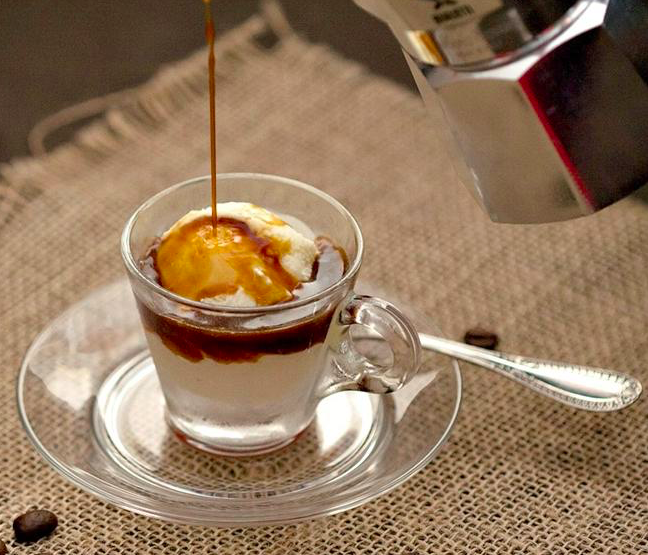
Of course, this is only the most basic version of affogato. After affogato spread to different places, many different recipes appeared. Sometimes local vanilla ice cream is used, drizzled with caramel sauce for extra sweetness, or sprinkled with cocoa powder or cinnamon. Some restaurants replace the espresso with premium olive oil; in Japan there is even a version with soy sauce added.
In some places, when making affogato, alcoholic drinks are also added, such as low-alcohol liqueurs/sweet wines (for example, Amaretto or Baileys), and some versions add whipped cream and the like.
There is no fixed ratio between coffee and ice cream when making affogato—you can decide how much coffee to add entirely according to personal preference. In Italy, affogato is 1 scoop of ice cream paired with about 2oz of espresso. When trying it at home, you can add toppings freely according to your own preferences.
For example, using milk-flavored ice cream: place a scoop of milk-flavored ice cream in a cup and gently pour the brewed coffee over the scoop. The milky-colored ice cream and brownish coffee meet and merge in the cup; the rich milky flavor and the coffee's bitterness interweave—a bit of bitterness within the milkiness, and after the bitterness comes sweetness, an endless deliciousness. Or place a piece of chocolate on top of the ice cream; when the hot coffee is poured over it, the chocolate will melt along with it. The ice cream flavor is bittersweet, and with a little coffee added, the cool, silky texture on the tongue is the ultimate enjoyment. You can also, after pouring the coffee over the ice cream, sprinkle a small amount of hazelnut or chocolate bits on the surface, deciding the amount according to personal preference.
Front Street Makes Affogato Coffee
For the espresso used in making affogato, Front Street recommends "FrontStreet Coffee Sunflower Warm Sun Blend coffee beans." This coffee bean blend uses 70% Honduras Sherry coffee beans and 30% Yirgacheffe Red Cherry coffee beans. The extracted coffee shows whiskey aroma, soft berry acidity and sweetness, vanilla cream, and nutty caramel flavors. Paired with vanilla ice cream, it's like a tiramisu-flavored affogato!
For making espresso, you can use an espresso machine, or a moka pot/portable espresso maker. The advantage of an espresso machine is that the espresso can show a beautiful golden crema, and the coffee is extracted more fully and evenly; the disadvantages are that the machine is more expensive and cleaning is troublesome. The advantages of a moka pot/portable espresso maker are simple operation and suitability for home use. The disadvantages are that there is slightly less crema and the taste is relatively a bit thinner.
If you like coffee and you like ice cream, then affogato can satisfy both wishes at once. The espresso melts part of the ice cream, making the coffee itself feel fuller-bodied, and the vanilla-flavored ice cream pairs very well with espresso, neutralizing the bitterness in the espresso. And when you take a bite of the ice cream, it also carries the aroma of espresso.
Some people ask: Is affogato coffee actually good? Front Street believes: coffee is all pretty good—the key lies in the taste you personally like. Some people like pure black coffee, which lets you taste the local terroir coffee flavor; some like drip bag coffee, which is simple and convenient and not so strong in coffee flavor; some like lattes, coffee with milk, where you can taste both coffee and milk… There are also many ways to brew coffee. If you want to brew a delicious cup of coffee, you must practice more. Welcome to Front Street to exchange coffee culture.
Front Street Coffee Brewing Suggestions:
No matter what coffee you are brewing, to brew a delicious cup, you still need to pay attention to the freshness of the coffee beans. Front Street has always believed that the freshness of coffee beans has a great relationship with coffee flavor, so the coffee beans shipped by FrontStreet Coffee are all within 5 days of the roast date. Front Street's roasting motto is "freshly roasted good coffee," so that every customer who places an order receives the freshest coffee. The resting period for coffee is about 4–7 days, so when customers receive it, it is exactly at its best flavor.
For friends who need ground coffee, Front Street warmly reminds you: once coffee beans are ground in advance, they no longer need resting, because during transport the pressure generated by carbon dioxide inside the package can also make the coffee flavor rounder, so once you receive the coffee grounds you can immediately brew a cup and drink it. But coffee grounds need to be brewed promptly, because after contact with air they oxidize relatively quickly—that is, the coffee flavor dissipates relatively quickly, and the coffee won't taste as good. Therefore, Front Street recommends buying whole beans and grinding fresh for each brew, so you can better taste the coffee's flavor.
Professional coffee knowledge exchange. For more coffee bean information, please follow Coffee Workshop (WeChat public account: cafe_style).
For more specialty coffee beans, please add the private WeChat of Front Street Coffee (FrontStreet Coffee), WeChat ID: qjcoffeex
The above content is compiled by CoffeeHunters, a coffee news website.


