







Search Results for: espresso grind size
How to Determine the Espresso Grind Size? A Detailed Guide Starting with Extraction Time and Parameter Adjustment
Espresso grinding is much finer than pour-over and cannot be calibrated with a standard sieve, so how do you determine it? Starting with the physical particle size range of espresso grounds, this article sorts out the definitions of Espresso from the Italian Coffee Association and the WBC, and combines Front Street Coffee's practical experience to explain how to lock in extraction time by fixing dose, liquid weight, pressure, and water temperature while adjusting only the grind size, then judging by taste whether there are defects such as bitterness, sharp acidity, or wateriness. Using a Colombian Sidra SOE as an example, the article also demonstrates how to further optimize by fine-tuning the dose when the grind size is appropriate but the flavor still deviates, helping coffee enthusiasts build a systematic approach to dialing in espresso grinding. [more…]
How does espresso grind size affect flavor? A guide to common setting references and adjustment approaches
Grind size is one of the key variables that determines the direction of coffee flavor, especially in the pressurized, short-extraction espresso system, where a tiny change in the setting can tip a shot from balanced to over-extracted or under-extracted. This article focuses on how grind size affects taste. It first explains why a standard sieve is needed to confirm the actual particle size, then compares the different tolerances for grind precision in pour-over versus espresso, and afterward gives beginners a two-step method to quickly lock in the espresso grind range, along with guidance on fine-tuning based on flavor feedback. The article also explains why Front Street Coffee recommends buying whole coffee beans rather than pre-ground coffee, helping readers build a daily grind-calibration management habit. [more…]
Pour-Over Coffee and Espresso Grind Size Explained: Coarseness Standards, Sieve Pass Rates, and the Science Behind Moka Pot Crema
Grind particle size is one of the key variables that determines the direction of coffee flavor. Starting from the practices of Front Street Coffee, this article systematically reviews the influence of grind size on extraction efficiency in pour-over coffee, the grind standards suited to medium-light and medium-dark roasts respectively, and how to use a 0.85mm No. 20 sieve to test the pass-through rate. It also extends to the extremely fine grind requirements of espresso, explains the effect of the grinder burr spacing on extraction time, and provides the specific extraction parameters and flavor description of Front Street espresso. In addition, the article also explains the relationship between the choice of Moka pot coffee grounds coarseness and the oils it produces, helping coffee enthusiasts find a grind plan suitable for their own equipment at home. [more…]
How fine should espresso grounds be? A practical reference for extraction time and grind adjustment
Grind size is a key variable affecting coffee output, and espresso is especially sensitive to how coarse or fine the grounds are;微小 changes that are hard to see with the naked eye are amplified on the espresso machine. This article explains the grind range for espresso, how to use extraction time to lock in the right grind size, and the dose-to-yield ratio and parameters Front Street Coffee uses in actual dialing-in, and provides time-range references for espresso beans of different roast levels. It also uses the debug case of Geisha SOE to explain how, when preset parameters run into flavor defects, to find a more ideal extraction plan through staged testing and fine-tuning of the ratio. [more…]

Espresso Grind Size | How to Adjust the Grind Setting for Espresso Beans? Recommended Espresso Blend Roasting Brands for Beginners
Many friends who have just opened a café or bought an espresso machine for home find that when they take the espresso beans they bought and follow the parameters provided by the seller, the espresso they make has no crema, or is very weak, or is very bitter. When this happens, the only thing we can change is the grind of the coffee beans. [more…]
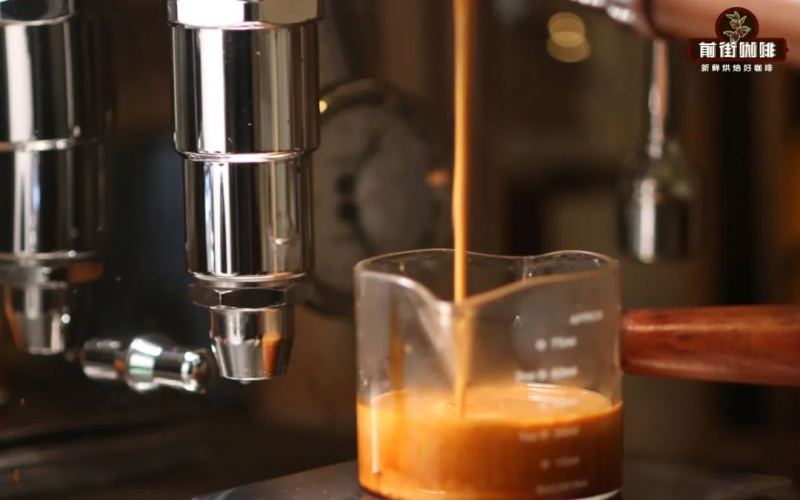
Espresso Grind Size|How Fine Should Espresso Coffee Grind Be and How to Adjust It
Espresso is the foundation of Italian-style coffee. The wide variety of milk coffees we see on café menus are mostly based on espresso. In addition, although many people like espresso with milk added, there is still a group of enthusiasts who love espresso. No matter from which angle you consider it, making [more…]
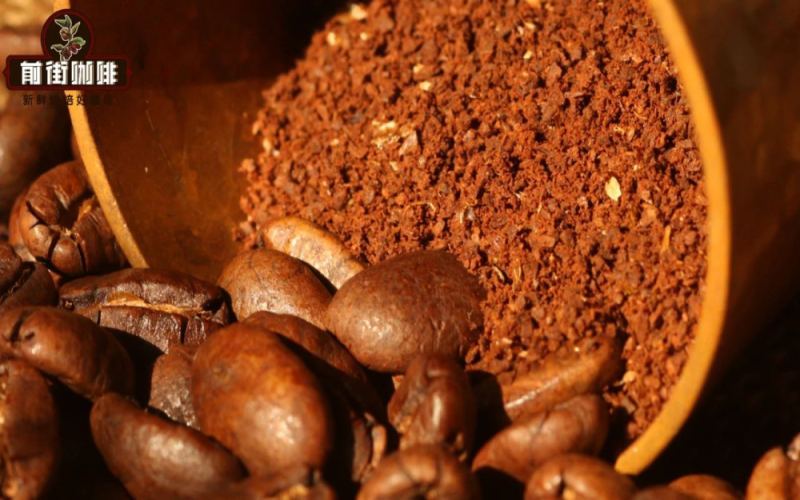
The Complete Guide to Espresso Grind Adjustment: A Practical Handbook from Beginner Basics to Flavor Fine-Tuning
Grind size is the most critical and most difficult variable to master in espresso extraction, far more demanding than what pour-over coffee requires. The slightest deviation, even just 0.1 of a notch, can lead to over-extraction or under-extraction. Drawing on the practical experience of Front Street Coffee, this article systematically breaks down the two steps for adjusting espresso grind size: first, preliminarily locking in the grind range, then fine-tuning based on flavor and extraction state. At the same time, in response to the different characteristics of medium-dark roasted blends and medium roasted SOEs, it provides reference standards for coarseness and fineness, and answers why buying pre-ground coffee powder is not recommended. [more…]
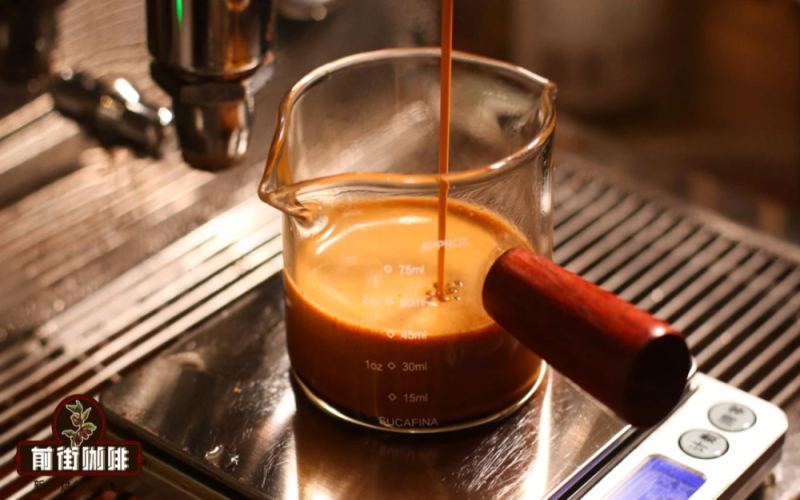
How to Set the Grind Setting for Espresso Beans? A Practical Method for Judging Grind Fineness from Extraction Time and Flavor
Espresso grind size falls between flour and table salt and cannot be judged by the naked eye, but the coarseness of the coffee grounds directly determines the flow rate, so you can work backward to whether the setting is appropriate by observing the extraction time. This article starts from the definition of espresso, sorts out the relationship between grind size and extraction time, explains how to set a target ratio of coffee to liquid, fix pressure and water temperature, and then adjust grind size to reach the target time. It also uses Front Street Coffee's Colombia Sidra coffee beans as a tuning example, showing the adjustment process from 34 seconds—slow with a bitter taste—to 30 seconds with a clear aroma. Finally, it emphasizes that after confirming the grind size, you still need to judge by tasting whether there are defective flavors, and if necessary, make minor adjustments to the dose or parameters. [more…]
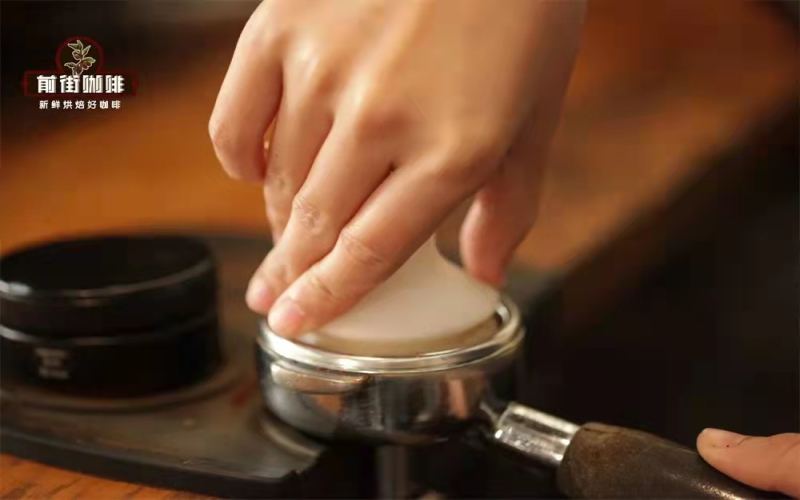
Coffee Grind Size Chart | What Are the Differences in Grind Size, Coffee Brewing Ratios, and Brewing Time Between Moka Pot and Espresso?
There are many factors that affect the taste of coffee. During the brewing process, the factors that influence coffee include the coffee-to-water ratio, grind size, water temperature, etc. Among them, grind size can be said to be extremely important. There is a saying in the industry: "You can buy a cheaper coffee machine, but the grinder must be the best." It must be said that grinding really has an [more…]
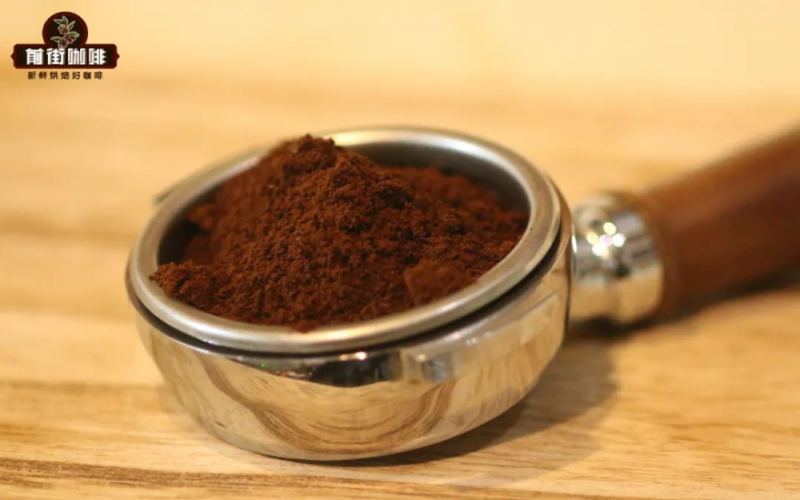
How to Precisely Control Espresso Grind Size? A Complete Analysis of Particle Size Range and Adjustment Methods
Grind size selection is a key factor determining coffee extraction quality. Because espresso uses high-temperature, high-pressure, short-time extraction, its requirements for particle fineness and uniformity are far higher than those of other brewing methods. This article will sort out the extraction principles of espresso from the beginning, explain why the grind particle size needs to be controlled within the 150–300 micron range, and detail how to calibrate the grind setting through flow-rate observation and taste judgment. It also provides specific daily grind adjustment steps, including debugging methods, coffee-to-liquid ratio references, and adjustment strategies for common problems such as bitter burnt notes, thin crema, and a short finish, helping coffee enthusiasts and professionals quickly find suitable grind parameters. [more…]
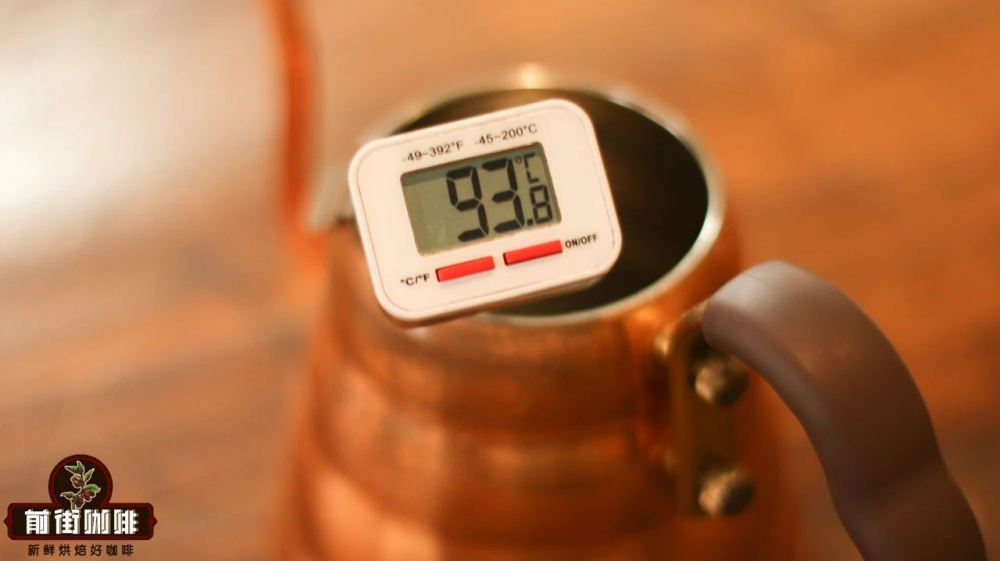
Coffee Ground Size Standards Illustrated | How to Use a Coffee Sieve? Moka Pot and Espresso Bean Grind Size Parameters, Extraction Ratio, and Time Introduction
There are many factors that affect the taste of coffee. During the brewing process, the factors that influence coffee include the coffee-to-water ratio, grind size, water temperature, etc. Among them, grind size can be said to be very important. There is a saying in the industry: "You can buy a cheaper coffee machine, but the grinder must be the best." It has to be said that grinding really has an [more…]
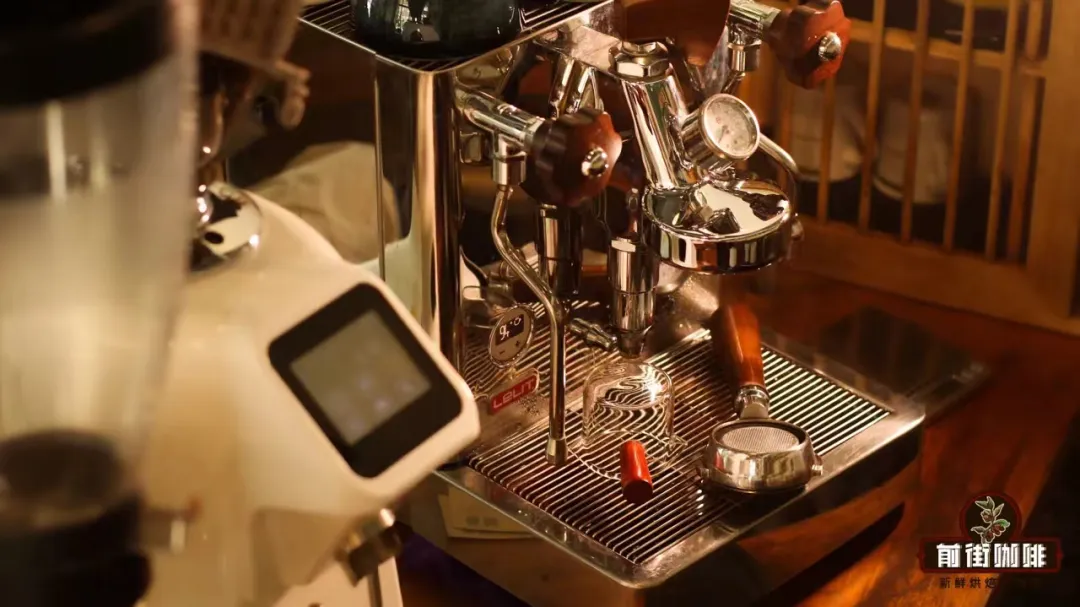
Espresso Grind Size Chart | What Coffee Ground Size Suits French Press, Cold Brew, Ice Drip, Siphon, and Moka Pot? How to Judge and Adjust Coffee Grind Size?
If you pay close attention, you'll notice that coffee shops use many different brewing methods, but based on the grind size of the coffee grounds, they usually fall into two categories. One is a grind as coarse as granulated sugar, suitable for pour-over coffee, French press coffee, siphon coffee, cold brew coffee, and so on. The other is between flour and muddy sand in texture. [more…]

Espresso Grinding | How Fine Should Espresso Blend Coffee Beans Be Ground for Making Espresso? How to Determine the Grind Size for Espresso Grounds?
For more specialty coffee knowledge, please follow: Front Street Coffee (Frontsteet Coffee). Quite a few friends have reported that after buying espresso blend coffee beans and grinding them at home, they were unable to extract any crema during extraction, and the espresso that came out was overall tasteless, with a very watery feel. When this problem occurs, [more…]
How to set the grind setting for espresso? The relationship between grind size and extraction time, and Front Street Coffee's approach to dialing in
Many coffee enthusiasts will find that different brewing methods require vastly different coffee ground sizes. A grind the texture of granulated sugar is commonly used for pour-over, French press, siphon, and cold brew, while espresso requires extremely fine particles somewhere between flour and muddy sand. Because this fine powder is difficult to measure by a fixed standard, in practice you often have to work backward from the extraction parameters to determine whether the grind setting is appropriate. This article centers on judging the grind setting for espresso, sorting out the correspondence between extraction time and grind fineness, explaining how to lock in the grinding direction by presetting the coffee-to-water ratio, pressure, and water temperature, and sharing Front Street Coffee's debugging logic when encountering an unfamiliar espresso bean or switching grinders, helping readers understand the complete adjustment process from parameter setting to flavor tasting. [more…]
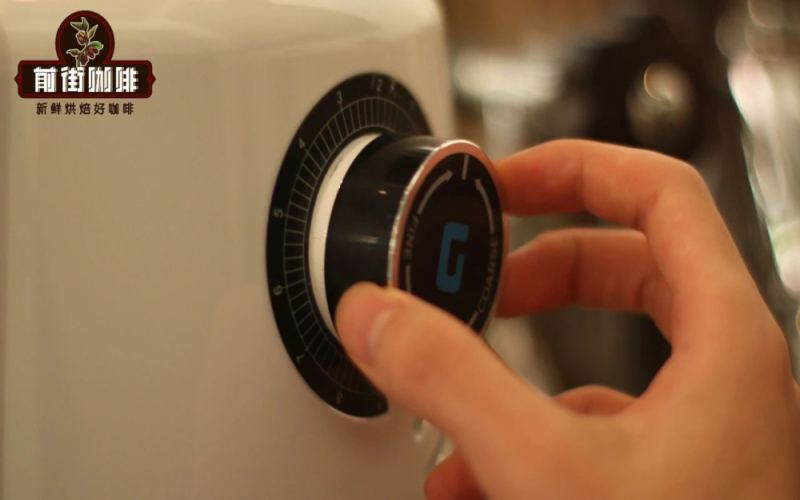
Espresso Grind Size Adjustment Guide: A Practical Approach from Beginner to Precise Fine-Tuning
How fine exactly should the grind size for espresso be? This is a core question that troubles many home coffee enthusiasts. Taking a practical approach, this article systematically explains how to judge whether the grind size is appropriate through extraction time and flavor feedback, and emphasizes that dialing in the grind is not a one-time task—the condition of the coffee beans, air humidity, and even the resting time after roasting can all affect extraction stability. The article also introduces a basic formula for quickly determining the initial grind size, as well as specific methods for fine-tuning by tasting the espresso. Finally, Front Street Coffee's classic espresso blend, recommended as a bean suitable for recreating café flavors at home, is also introduced in detail in the article. [more…]
A Complete Guide to Coffee Grind Sizes: Pour-Over, French Press, Cold Brew, and Espresso Standards Compared
Brewing a good cup of coffee makes grind size an unavoidable key variable. If the particles are too coarse, flavor extraction is insufficient; if ground too fine, it easily brings out bitter and off-flavors. But just how coarse counts as coarse, and how fine counts as fine? And how should you convert between different brewing devices? This article uses the industry-recognized cupping standard as its baseline and the No. 20 sieve pass-through rate as a unified ruler, providing reference grind ranges one by one for French press, pour-over, cold brew drip, and espresso machines, explaining how roast level and bean density affect grinding results, and finally including Front Street Coffee's approach to dialing in espresso extraction, helping you turn grind size from "guesswork" into "data." [more…]
A Complete Guide to Espresso Grind Settings: Choosing the Right Coarseness from French Press to Espresso
In the world of coffee, grind size is one of the key factors determining the success or failure of a cup. Different brewing methods have vastly different requirements for coffee grounds coarseness—from the sugar-like coarseness for a French press to the tiny particles between flour and mud for espresso, every extraction method has its corresponding grind standard. This article will provide an in-depth analysis of how to determine the grind setting for espresso, combining the definitions of Espresso from the Italian Coffee Association and the WBC to explain in detail how to control extraction time and flavor performance by adjusting grind size, and share Front Street Coffee's practical approach and specific cases when dialing in unfamiliar coffee beans, helping coffee enthusiasts precisely master grinding techniques. [more…]
Espresso Grind Size Adjustment Guide: From Bean Selection to Extraction Parameters, Say Goodbye to Sour, Bitter, and Inconsistent Shots
Many coffee enthusiasts are puzzled: exactly how fine should an espresso grind be? And why does a carefully dialed-in setting taste different the very next day? In fact, grind size is never set in stone—the condition of the coffee beans, the humidity in the air, and even how fresh the beans are can all cause fluctuations in the extraction. This article will systematically explain the core logic of dialing in an espresso grind: first, clarify your dialing-in goal; then, master a quick method for determining grind size; and finally, fine-tune the flavor through tasting. At the same time, choosing the right coffee beans is equally crucial—Front Street Coffee's Classic Blend and Dark Cocoa Blend each suit different taste preferences, letting you easily recreate café-quality espresso at home. [more…]
How to Determine the Grind Size for Espresso? A Complete Guide from Bean Selection and Grinder to Brew Ratio and Extraction Time
Many coffee enthusiasts who make espresso at home often run into problems like abnormal flow rate, thin crema, and weak flavor—and the root cause is usually the grind size. This article starts with bean selection and the types of coffee grinders, then systematically lays out the criteria for judging espresso grind coarseness. It explains how flat burr grinders work, along with their pros and cons, and offers a dialing-in method based on a 1:2 coffee-to-water ratio and a 25-to-28-second extraction time. This helps readers judge whether the grind is too coarse or too fine by observing flow rate, crema color, and flavor performance. The article also includes the extraction parameters and flavor description of Front Street Coffee's classic espresso blend for practical reference. [more…]
How can you precisely determine the grind setting for espresso? Which blend should you choose for espresso?
Many friends who are just getting into espresso run into the same confusion: even when they follow the parameters provided by the vendor, the coffee they make either has no crema, tastes weak and flat, or is bitter and hard to swallow. In fact, the key to the problem often lies in controlling the grind size and the coffee-to-liquid ratio. This article will start with how to determine grind size, helping you find the right setting for your equipment. It will also recommend several Front Street Coffee espresso blends, covering different styles such as rich, floral and fruity, nutty, commercial, and basic. It will then explain the working principles and adjustment logic of flat burr grinders, and finally explain when recalibration of grind size is needed, as well as the thinking behind a café's daily adjustments to espresso parameters. [more…]