







Search Results for: espresso cups
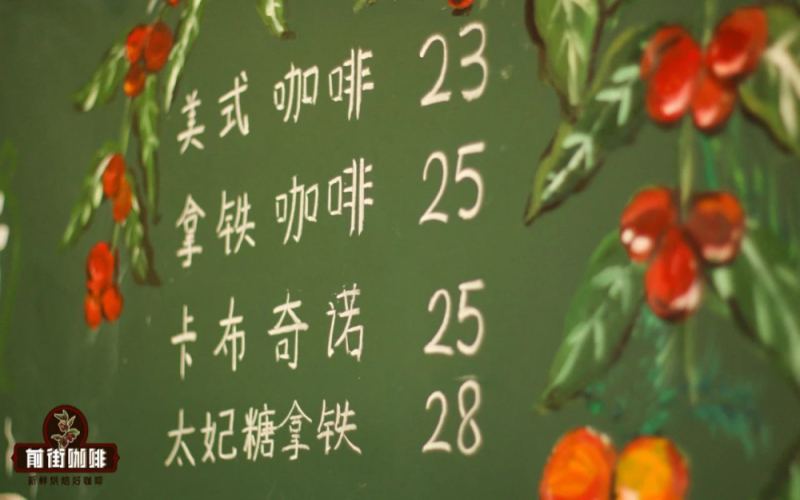
A Comprehensive Guide to Espresso Coffee Varieties: Flavor Differences and Ratios from Espresso to Cappuccino and Latte
Walk into any café, and espresso is almost always the star of the menu. Many people's first reaction when tasting espresso is that it's bitter and intense, but in reality the espresso family is far more than just this one flavor. To find the cup that suits your taste—neither bitter nor astringent—you first need to understand what the common types of espresso drinks actually are. In this article, Front Street Coffee (FrontStreet Coffee) sorts out the most common espresso drinks found in cafés, from the extraction parameters of espresso and the blending logic of coffee beans, to the ingredient ratios and preparation details of Americano, latte, cappuccino, mocha, macchiato, caramel macchiato, and Dirty coffee, explaining one by one their differences and connections, to help coffee lovers understand the espresso system more systematically and find the cup that belongs to them. [more…]

Common Types of Italian Coffee | What Are the Classic Milk Coffee Recipes? What's the Difference Between a Latte, Macchiato, Cappuccino, and Dirty?
Espresso is a must-have beverage in every café. Many people's first impression of espresso is that it's unbearably bitter. In fact, espresso isn't limited to such bitter shots. If you want an espresso that isn't bitter and suits your taste, the first thing you need to understand is the different types of espresso. Front Street Cof [more…]

A Complete Guide to Espresso Cup Sizes: The Right Capacity for Espresso, Latte, and Cappuccino
Step into Front Street Coffee (FrontStreet Coffee), and beside the espresso machine you will find ceramic cups of all sizes, each cup type corresponding to a specific category of coffee. The size of the cup not only affects the visual appeal of the finished drink, but is also closely tied to coffee intensity, heat retention, and flavor presentation. This article goes through three sizes—small, medium, and large—explaining one by one the cup capacities that suit espresso, americano, cappuccino, and latte respectively, and combines Front Street's brewing parameters and blended bean choices to help you understand the relationship between cup size and flavor, while also offering a reference for choosing suitable coffee beans when making milk coffee in daily life. [more…]
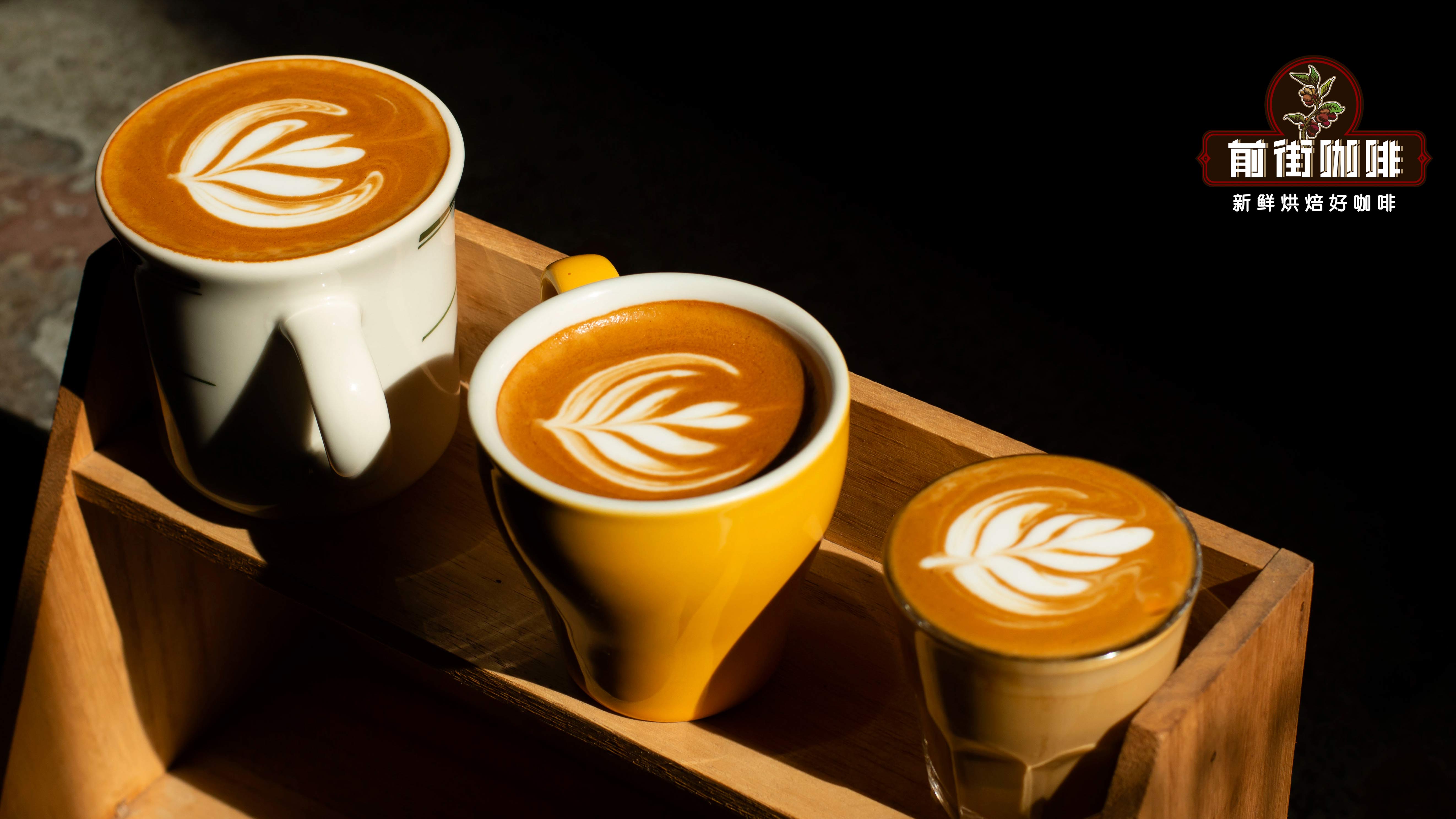
Espresso Cup Specifications | What Are the Standard Sizes for Espresso, Milk, and Latte Coffee Cups? Which Coffee Cups Should Be Used for Americano, Cappuccino, and Latte?
At FrontStreet Coffee, you'll see ceramic cups of all sizes lined up on the espresso machine, and these cups have specific meanings—different types of coffee are served in different cup sizes. In this article, Front Street tells you the secrets behind these coffee cups. [more…]
What Size Coffee Cup Should You Use for Espresso, Latte, and Cappuccino? Standard Specifications and Selection Guide
Walking into Front Street Coffee, the espresso machine is lined with ceramic cups of various capacities, each cup type corresponding to a specific coffee category. The size of a coffee cup not only affects the visual presentation but also directly influences the concentration expression and heat retention of the espresso. This article will systematically sort out the specific capacities and suitable scenarios of three coffee cup sizes—small, medium, and large: how a 60ml small cup carries a standard espresso, why a 180-200ml medium cup suits Americano and cappuccino, and how a 300ml large cup achieves a balanced latte. At the same time, combined with the extraction parameters of Front Street Coffee's Sunflower Warm Sun espresso blend coffee beans, it analyzes the pairing logic between different cup types and coffee flavors, helping you produce professional-grade coffee at home. [more…]
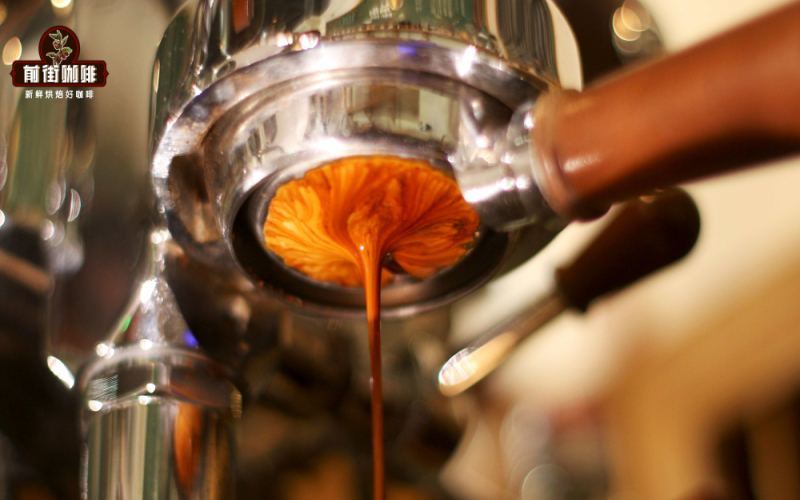
A Complete Guide to Ten Espresso Drinks: From Espresso Base to Creative Specialty Recipes
Espresso coffee is a core category on most café menus, but its family is far more than just Americanos and lattes. In this article, Front Street Coffee sorts out the definitions, origins, and specific preparation parameters of ten common espresso drinks, including espresso, Americano, latte, cappuccino, flat white, mocha, Dirty, macchiato, affogato, and caramel macchiato. For each drink, Front Street's recipe ratios, cup size choices, and key operational points will be provided to help coffee enthusiasts understand the differences and connections between them. Whether you want to recreate them at home or want to understand the logic behind café menus, this compilation can provide clear and practical reference. [more…]
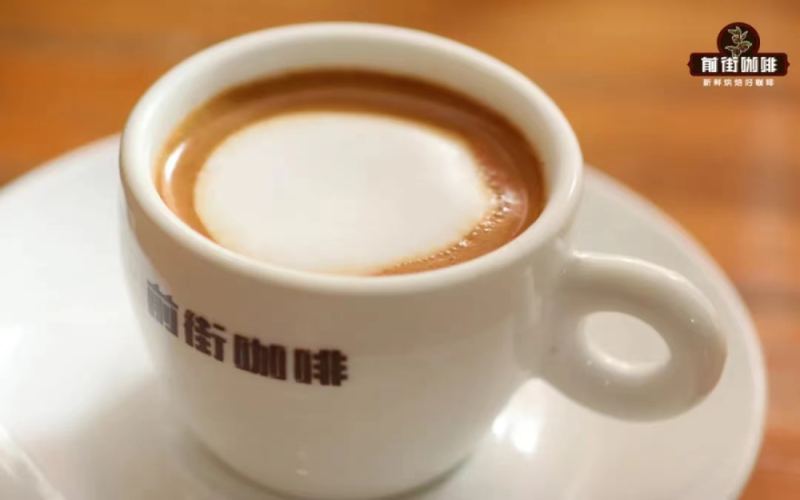
10 Types of Espresso Drinks in Cafes | How Do Coffee Beginners Make Americano and Latte? What Are the Flavor Characteristics of Espresso Drinks?
Espresso is an essential coffee beverage in almost every coffee shop. And espresso isn't just about Americano and latte. In this article, Front Street Coffee introduces 10 espresso drinks found in coffee shops, along with their preparation methods. ① Espresso [more…]
A Complete Guide to Italian Coffee: Methods and Flavor Differences of Espresso, Americano, Latte, Cappuccino, and Other Common Types
Walk into any café, and espresso is almost always a core option on the menu. When many people first encounter espresso, they often come away with nothing but the impression that it is "bitter," but in reality, the family of espresso-based drinks that has grown out of espresso as a foundation is far richer than one might imagine. From the pure, intense Espresso, to the Americano diluted with hot water, to the latte and cappuccino that blend milk and milk foam, and even the Dirty coffee that has become popular in recent years, each one has its own unique logic of ratios and layers of flavor. This article will systematically sort out the common types of espresso drinks, their preparation parameters, and their flavor characteristics, to help coffee lovers find the cup that suits their own taste. Front Street Coffee (FrontStreet Coffee) will also share the specific preparation methods for each drink for everyone's reference. [more…]
Where does espresso flavor come from? How to choose espresso beans? Five tips to teach you how to taste Espresso
Espresso often leaves a first impression of being "bitter," which puts off many first-time tasters. But those who truly know how to appreciate it can taste layers and pleasure in this small cup of coffee. From the perspective of Front Street, this article systematically sorts out the three major advantages brought by espresso's pressurized extraction—Crema, rich lipids, and ultra-high concentration—and shares five practical tasting tips: first rinse your mouth with water, stir to blend the oils, smear the oils around the rim of the cup to adapt, take small sips in several rounds, and choose Italian-style beans with a medium roast. At the same time, it introduces how Front Street's classic blend, with a combination of Mandheling, Brazil, and a small amount of Robusta, presents a chocolate-hazelnut profile that is strong but not bitter, helping you more easily enjoy a cup of espresso. [more…]
Americano | When making an Americano, do you add water first or espresso first? Does the order of adding water affect the flavor and mouthfeel of an Americano black coffee?
Front Street Coffee has noticed that quite a few friends are still stuck on the question of "should you add water first or espresso first when making an Americano?" Because every time Front Street Coffee serves an Americano, there's always someone who asks: "The most authentic way to make an Americano should be to pour the espresso first and then the water, but why do most Americanos nowadays have the water poured first and the espresso after? [more…]
Italian Fancy Coffee Types | Introduction to the Differences and Preparation Methods of Espresso, Latte, Cappuccino, Mocha, Macchiato, Caramel Macchiato, and Dirty Coffee
For more specialty coffee knowledge, please follow: Front Street Coffee (Frontsteet Coffee). Espresso is a must-have beverage in every café. Many people's first impression of espresso is that it's just bitterly awful, but in fact Italian coffee isn't limited to such bitter espresso. If you want to drink something not bitter [more…]
A roundup of espresso-based small cups you can finish in two or three sips: the flavors and methods of Espresso, Piccolo, Macchiato, and Con Panna
Coffee, as one of the world's three major beverages, has developed a rich and diverse drinking culture over its long evolution. Among these, small-cup espresso drinks are deeply favored by enthusiasts for their efficiency—consumable in just two or three sips—and their concentrated flavors. In this article, Front Street Coffee will systematically introduce four classic small-cup coffees: Espresso as the base, Piccolo known as the "small latte," Macchiato whose name derives from "marked," and Con Panna made with espresso and cream. We will analyze each one's origin, preparation method, and flavor characteristics, giving you a quick understanding of the unique charm of these small-cup coffees. [more…]
A Complete Guide to the Espresso Family: From Espresso Base to Specialty Drinks, an Overview of Common Types and Preparation Methods
Walking into any café, espresso is almost always the star of the menu. Many people's first impression of it stops at the intense bitterness of espresso, but in fact, the flavored drinks derived from espresso as a base are rich and varied, and there is always a cup to suit your taste. This article will systematically sort out the common types of Italian coffee, from espresso, Americano, latte, cappuccino to mocha, macchiato, caramel macchiato, and Dirty coffee, introducing one by one their flavor characteristics, ingredient ratios, and preparation methods, while also sharing Front Street Coffee's practical experience in bean selection and serving, to help coffee lovers understand the world of Italian coffee more comprehensively. [more…]
A Complete Guide to Ten Classic Espresso Drinks: Recipes and Flavors from Espresso to Caramel Macchiato
In any coffee shop, espresso-based drinks are the undisputed stars of the menu. But espresso beverages are far more than just Americanos and Lattes. Compiled by Front Street Coffee (FrontStreet Coffee), this article systematically introduces the ten most common espresso drinks found in cafés, including Espresso, Americano, Latte, Cappuccino, Flat White, Mocha, Dirty, Macchiato, Affogato, and Caramel Macchiato. Each one comes with specific preparation ratios, ingredient compositions, and flavor characteristics, helping coffee enthusiasts understand the differences and connections between them. Whether you want to recreate them at home or simply be more knowledgeable when ordering, this guide offers practical reference. [more…]
What cups are used for espresso, Americano, and latte? A detailed explanation of the three capacity specifications of coffee cups
Walking into Front Street Coffee, the rows of ceramic cups of varying sizes on the espresso machine are not placed randomly—each specification corresponds to a specific coffee category and serving standard. The differences in coffee cup capacity not only help drinkers quickly judge the strength of the coffee, but also directly affect the presentation of flavor and heat retention. This article will systematically sort out the three coffee cup sizes used by Front Street Coffee—the 60ml small cup, the 180-200ml medium cup, and the 300ml large cup—and explain one by one the coffee types they are each suited for, the serving parameters, and the flavor performance, from espresso to Americano, cappuccino, and then latte, guiding you to understand the professional logic behind coffee cups. [more…]
A Comprehensive Guide to the Espresso Family: Espresso, Its Siblings, and Milk Coffee Drink Recipes
Espresso is the foundation and soul of many coffee drinks, and almost any bean variety and roast level can be used to make it. However, around Espresso there are a whole set of "siblings" such as Ristretto, Lungo, Doppio, and Americano, as well as milk coffee and dessert variations like cappuccino, latte, flat white, macchiato, cortado, and affogato, and the differences between them are often confusing. This article systematically sorts out the definitions, extraction parameters, and flavor characteristics of ten common espresso drinks, and includes step-by-step preparation methods for the cappuccino family and other classic styles, helping coffee lovers clarify the full picture of espresso at once. Front Street Coffee will also recommend suitable beans and equipment ideas for you, making it easy to replicate at home. [more…]
A Complete Guide to Six Classic Espresso Drinks: Espresso Bases and Flavor Differences Explained
As specialty coffee culture continues to deepen in China, more and more consumers are beginning to pay attention to the brewing logic and flavor differences behind espresso-based drinks. As the core foundation of the entire system, espresso gives rise to a variety of classic categories—such as Americano, latte, flat white, cappuccino, and mocha—through adjustments to extraction parameters and the pairing of different ingredients. This article will break down the definitions, origins, and flavor characteristics of the six major espresso drinks one by one, and combine them with the actual serving parameters used at Front Street Coffee locations to help coffee enthusiasts understand the composition and tasting points of each cup in a more systematic way. [more…]
From Crema to Extraction Time: A Professional Barista Teaches You How to Judge the Quality of Espresso
Many people spend tens of yuan on an espresso at a café, yet may not be clear whether what they're drinking is specialty coffee or "dishwater." Espresso is the base of all Italian-style coffee, and its quality directly determines the success or failure of a cappuccino or latte. This article will systematically explain the hard requirements, key points for identifying, and tasting methods of a perfect Espresso, including key indicators such as freshness, grinding, tamping, extraction time, and crema thickness, while also addressing common misconceptions about caffeine content. At the end, product recommendation information for the "Front Street Coffee" brand is retained, making it suitable for every enthusiast who wants to truly understand coffee. [more…]

Espresso Crema | Why does espresso have a layer of crema? Can the crema tell you if an espresso is good or bad?
You often hear people say, "To judge whether an espresso tastes good, just look at the crema. The best espresso has a crema that is fine, thick, and golden." But can you really judge whether an espresso tastes good by the state of its crema? To find out whether this method works, Front Street only needs to give everyone two questions. [more…]
What's the difference between a flat white and a latte? A full comparison of milk foam thickness, cup-to-shot ratios, and espresso base.
In espresso coffee, the latte and the Flat White are two milk coffees that are often compared. Although both are made up of espresso and milk, there are clear differences in milk foam thickness, cup size, espresso base selection, and final taste. This article systematically sorts out the core differences between the Flat White and the latte, from their origins and background to preparation parameters and actual serving standards, and also includes Front Street Coffee's specific extraction plan and milk steaming suggestions, to help coffee lovers more clearly understand the essential differences between these two drinks and reproduce the ideal flavor at home. [more…]