









Espresso coffee is an essential beverage in almost every coffee shop. And espresso coffee is not just Americano and Latte. In this article, Front Street Coffee introduces 10 espresso coffee drinks found in coffee shops, along with their preparation methods.
① Espresso
Espresso is a fast, concentrated coffee. Under the action of high-pressure steam (around 9 bars), hot water quickly passes through the coffee grounds, fully extracting the essence of the coffee to create a cup that is rich, aromatic, full-bodied, and bittersweet with caramel notes. Front Street Coffee generally uses a double shot of espresso (20g of coffee grounds) as the base to make about 40g of espresso, topped with a very delicate and abundant layer of coffee crema, also known as "Crema."
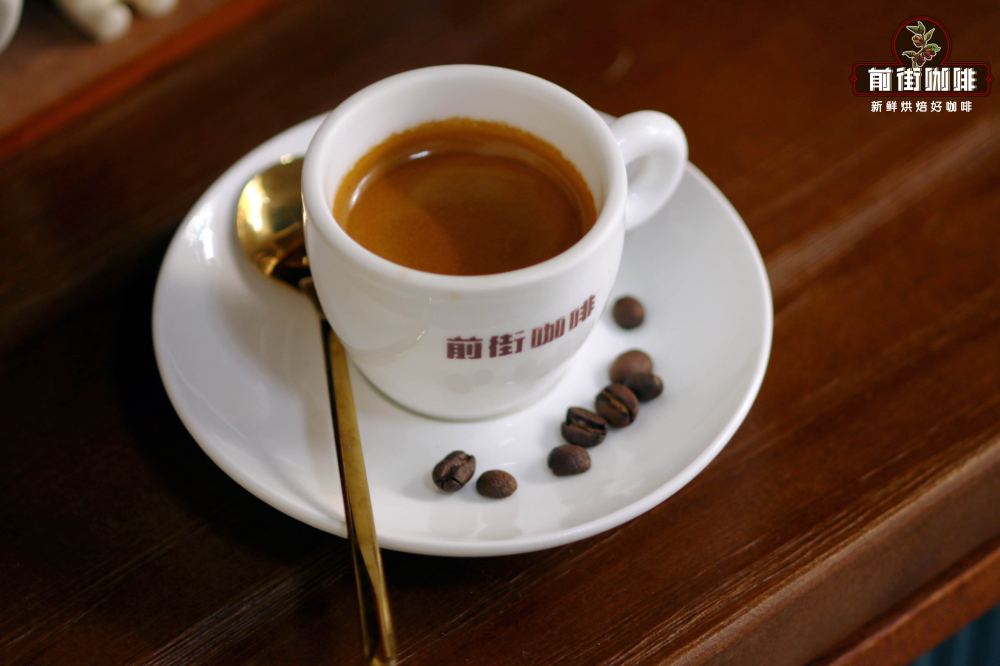
Espresso is the foundation of many espresso drinks. It can be said that if the espresso is not extracted well, the other espresso drinks will not taste good either.
② Americano
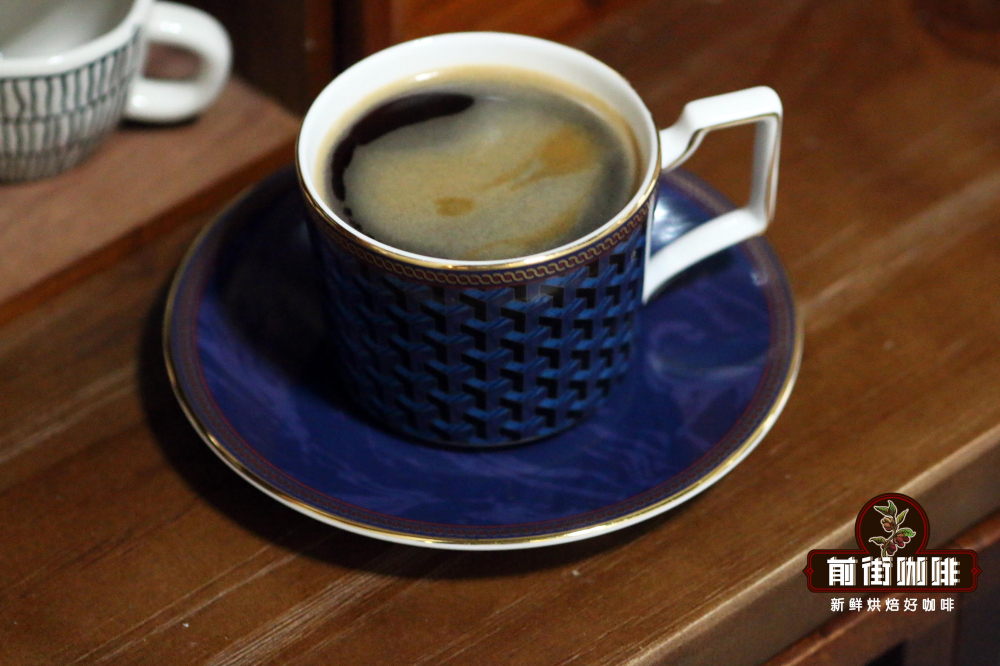
Espresso diluted with hot water becomes Americano. It originated during World War II when American soldiers landed in Europe. Unaccustomed to Italian espresso, they diluted it with water, which evolved into Americano. Although Americano is diluted with a large amount of water, giving it a milder flavor than regular espresso, its flavor and aroma are not diminished. Compared to Americano brewed by the filter method, the flavor is completely different. It pairs very well with sweet treats like cookies and muffins, and is suitable for those who do not like the strong intensity of espresso.
Front Street Coffee's hot Americano ratio is 40g of espresso mixed with 180ml of hot water, yielding a 220ml cup of Americano, with an espresso-to-water ratio of 1:4.5.
③ Latte
Latte is a common milk coffee among espresso drinks. The word "Latte" means "milk" in Italian. At Front Street, when making a Latte, we use a double shot of 40g espresso, paired with 260g of milk and milk foam, with a foam thickness of 1cm. Of course, Latte can be made with beautiful latte art patterns. With the perfect fusion of milk and coffee, it highlights the sweetness of the milk while also expressing the mellow charm of the coffee.
④ Cappuccino
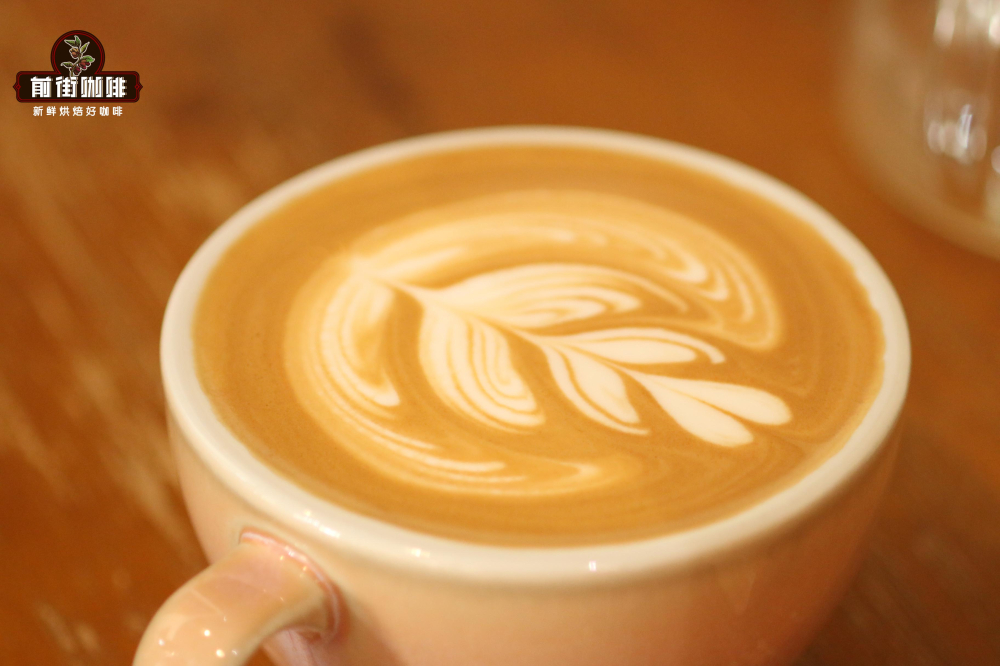
Cappuccino is translated from "Cappuccino," with the name originating from the Capuchin order and the Italian word for hood (Cappuccio). Cappuccino is similar to Latte, belonging to the milk coffee category, and is also made from espresso and steamed milk. However, unlike Latte, Cappuccino has thicker, denser milk foam, a smaller volume, and a stronger coffee taste.
Traditional Cappuccino blends espresso, milk, and milk foam in a 1:1:1 ratio, which reduces the bitterness of the espresso and adds the rich aroma of the milk foam, making it easier to accept. Among espresso drinks, Cappuccino has the thickest milk foam, and the dense, delicate foam adds a pleasant mouthfeel.

When making a Cappuccino, Front Street Coffee chooses to use a 180ml tulip cup. Add one shot of freshly extracted espresso to the cup, then add steamed milk with dense, thick milk foam.
⑤ Flat White
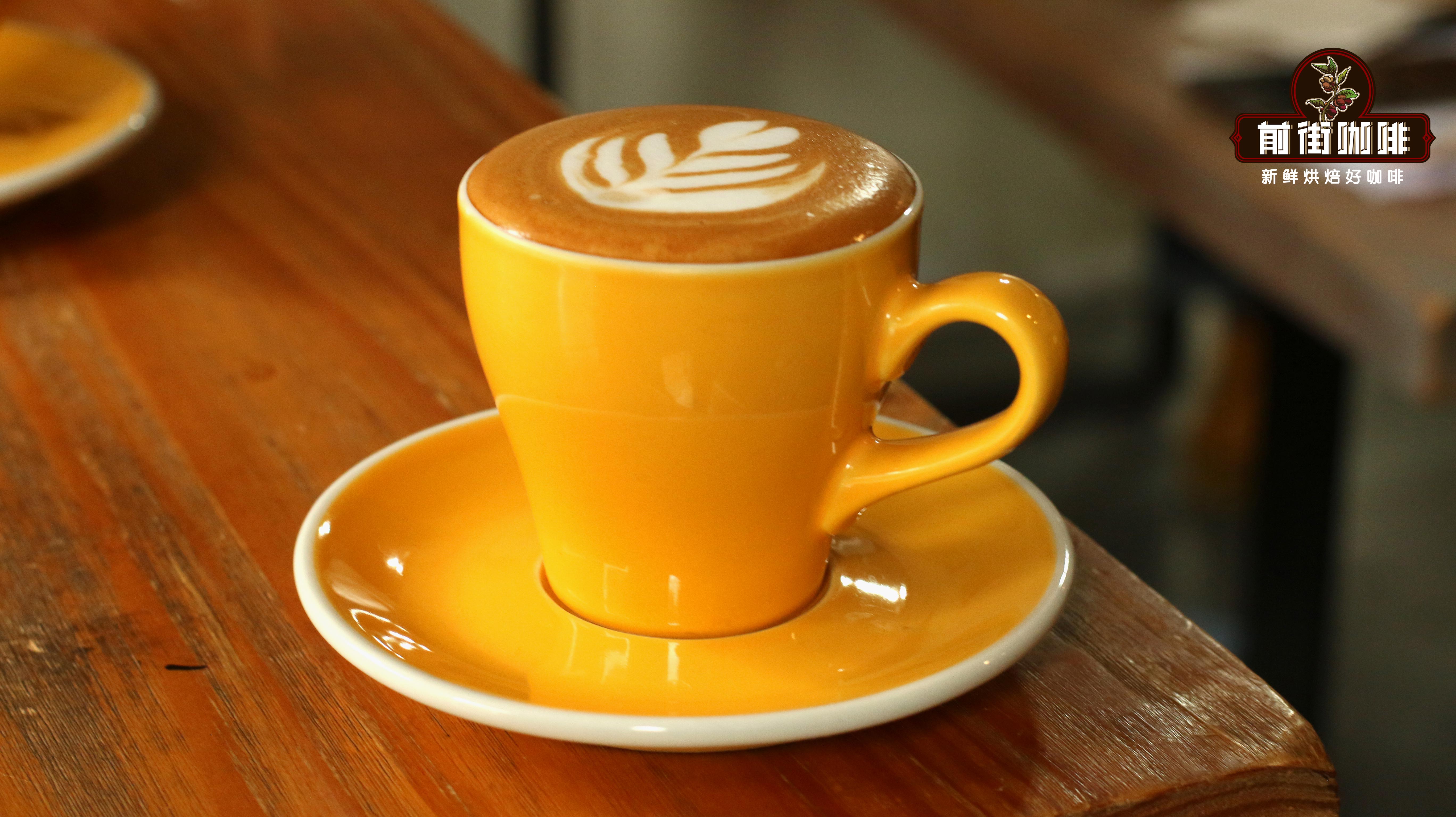
Flat White can be understood as Australia's localized version of "Latte." Therefore, it is slightly different from the Latte we commonly know. Flat White originated in Australia and New Zealand. It is a coffee product evolved by Oceanian residents according to their own needs. It consists of espresso, milk, and a thin layer of milk foam. Generally, a Flat White has a smaller cup size than a Latte, with less milk and a more intense coffee flavor that highlights the richness of the coffee. It is worth mentioning that Flat White is only served hot.
Front Street's Flat White standard: using a 220ml glass cup, 30g of ristretto espresso, and 190ml of milk plus milk foam. The milk foam thickness is approximately 0.5cm. (Milk frothing level: steam milk to 5/10 full, froth to 5.5-6/10 full foam.)
⑥ Mocha
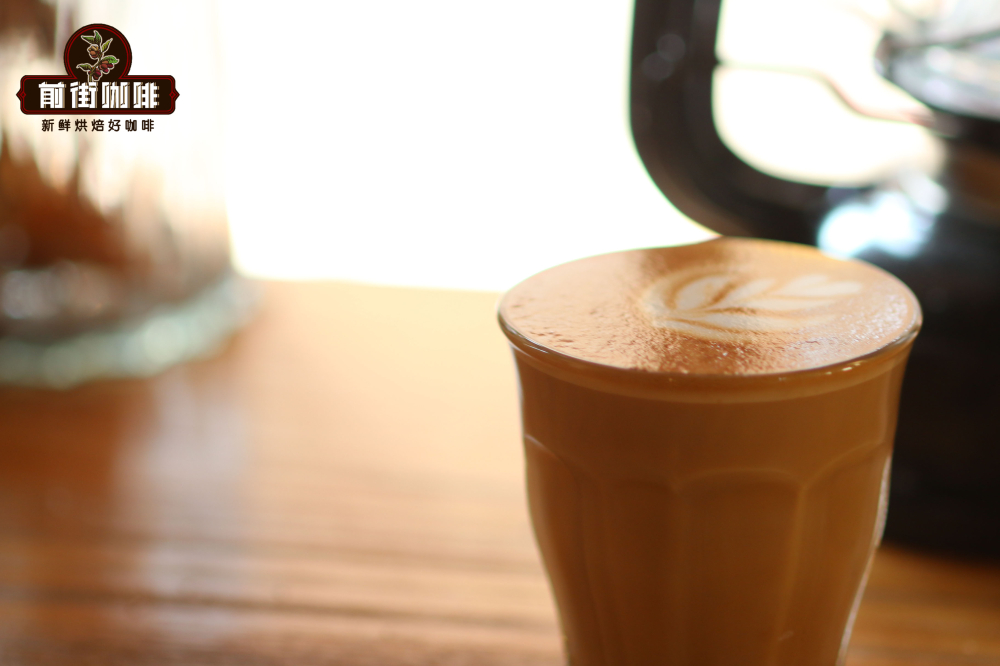
In Italian, "Mo" means chocolate. Mocha coffee means chocolate coffee, blending rich coffee, creamy milk, and sweet chocolate together. There is a variant of Mocha called White Cafe Mocha, which uses white chocolate instead of milk and dark chocolate. Besides White Mocha, another variant blends two types of chocolate syrup, called Zebras, sometimes referred to as Tuxedo Mocha.
Front Street Coffee's Mocha recipe is 40g espresso + 20g chocolate sauce + 260g hot milk.

⑦ Dirty Coffee
Many people wonder what the difference is between Dirty Coffee and Iced Latte. Indeed, from ingredients to recipe to appearance, the two have too many similarities. But if you look closely, you will find that Dirty is essentially a more refined Iced Latte. The biggest difference lies in the choice of container and the detailed handling.
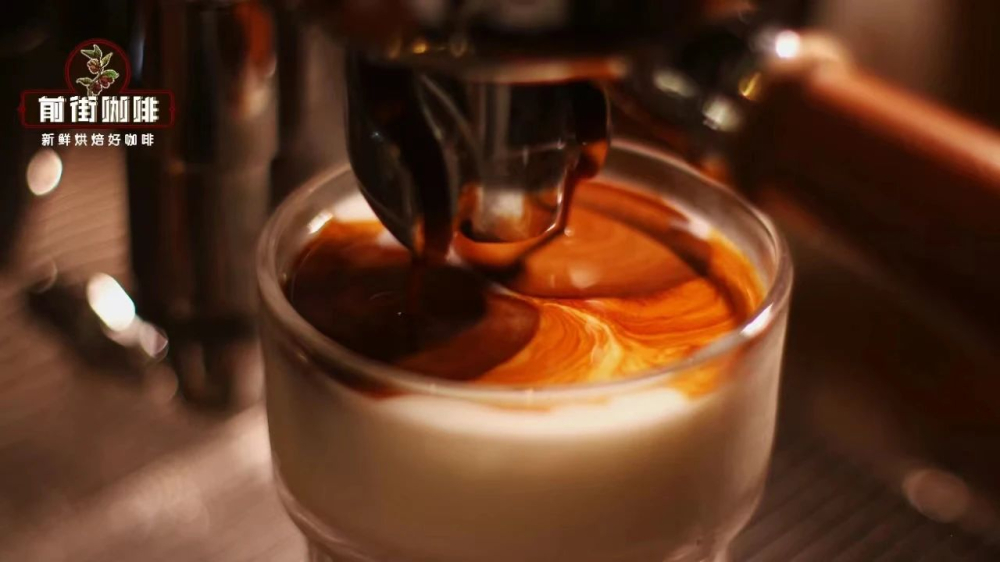
The container chosen for Dirty Coffee is often a glass cup that can showcase the beautiful liquid, and no ice is added. The emphasis is on the espresso flowing into the pristine white milk, slowly penetrating and slowly blending, creating a beautiful layered effect. Over time, the pristine white milk is gradually "polluted" by the rich espresso, and looking through the glass, the drink appears dirty. Beyond the visual dirtiness, it also contains the collision between cold milk and hot espresso, allowing one to experience the transition from hot to cold in a single cup of coffee.

Front Street's Dirty ratio is 150g of milk and 40g of espresso. First, take out a pre-chilled glass cup, making sure there is no water in it, and pour in the cold milk. Then lock in the tamped portafilter and place the glass with cold milk under the spout (with a bottomless portafilter, place it directly below the outlet). The outlet should not be too far from the liquid surface. If too far, the coffee's own gravity will have stronger penetration and tend to blend in. A distance of about 1cm is recommended. A proper espresso will flow evenly and slowly onto the milk surface, float on the surface, and slowly sink, creating the dirty effect.
Drinking a Dirty does not require stirring, and it should be drunk quickly. You will find that the hot espresso on top has not yet been cooled by the ice, and the milk below has not yet been "polluted." That transformation from a rich, chocolatey hot coffee to a milky, icy, light coffee is simply wonderful.
⑧ Macchiato
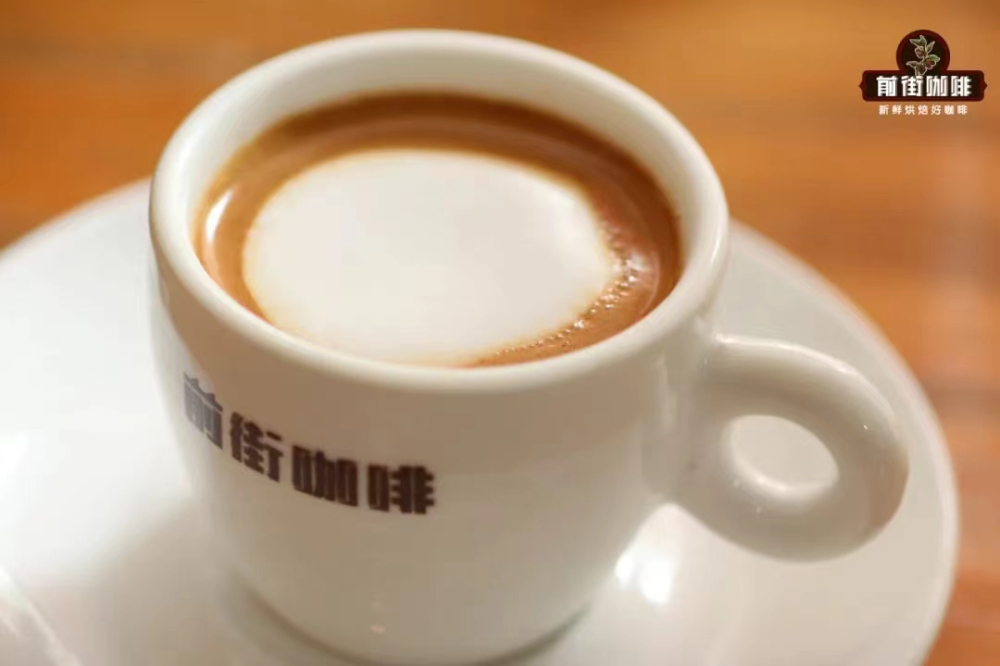
Macchiato is an Italian word meaning "marked." Macchiato coffee originated in Italy in the 1980s. At that time, some customers had the habit of adding a small amount of milk to their espresso, but the milk would quickly disappear into the coffee crema. So baristas wanted to distinguish a pure espresso from an espresso with a small amount of milk, and used milk foam to "mark" a white dot on top of the coffee crema.
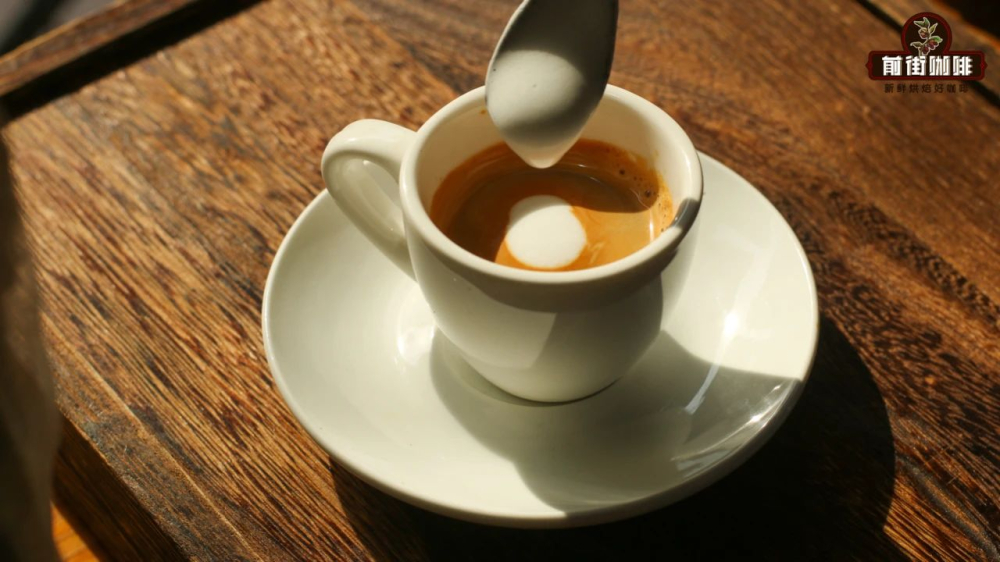
Later, people discovered that in the gradual fusion of milk foam and espresso, one could taste the rich intensity of the espresso while also experiencing the dense sweetness of the milk, interweaving in the mouth in a wonderful way. Thus, the traditional Macchiato was born.
Front Street Coffee's Macchiato recipe: 40g espresso + 1 spoon of fine milk foam.
⑨ Affogato
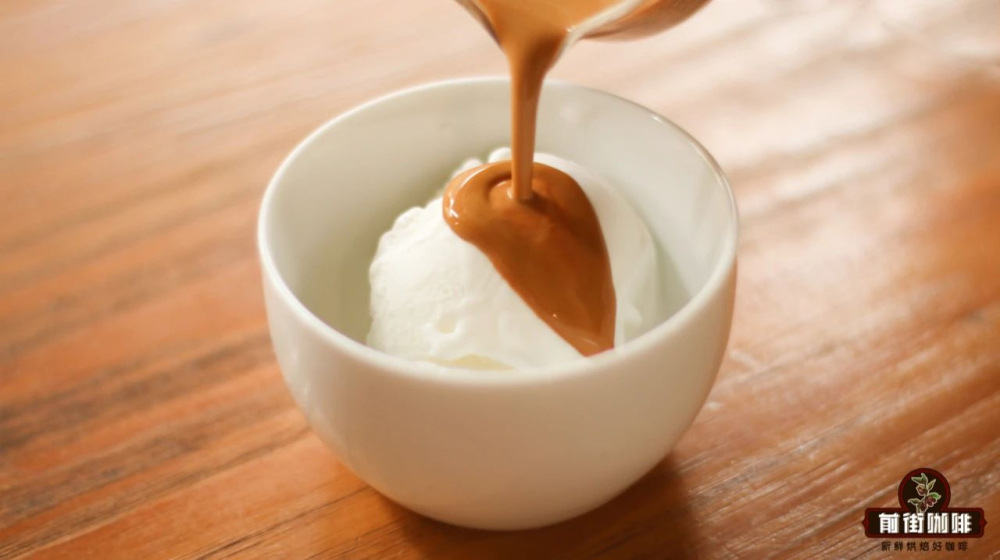
This is a very special coffee drink. The standard preparation is to place a scoop of vanilla ice cream in a cup and pour a shot of espresso over it, completing an Affogato. When you taste it, you will experience the cold sweetness of vanilla ice cream combined with the aroma of coffee, making it perfect for summer.
⑩ Caramel Macchiato
This is a star espresso drink from Starbucks (having nothing to do with Macchiato). A medium 355ml cup contains 1 shot (about 30ml) of espresso, with the other 300+ ml being milk with milk foam, vanilla syrup, and caramel, with a sweet taste.

Caramel Macchiato: Making it requires a large amount of milk and milk foam, not much different from a wet Cappuccino or a thicker Latte. Vanilla syrup and smooth hot fresh milk, topped with soft, fine milk foam, blended with rich espresso, and finished with smooth caramel sauce—the sweet, rich Caramel Macchiato becomes a great choice for coffee lovers to enjoy espresso.
The above content is compiled by CoffeeHunters, a coffee news website.


