








Piccolo Coffee in English and Three More Small Espresso Sips
Four classic small-cup espresso drinks each finish in two or three sips. Espresso is the base, extracted with high-pressure water at roughly a 1:1.5 to 1:2.5 coffee-to-liquid ratio and topped with golden crema. Piccolo Latte is the small latte, Macchiato takes its name from "marked," and Espresso Con Panna adds a cap of cream.
Preparation separates them. A typical espresso shot uses about 20 grams of grounds yielding 40 grams of liquid in 25 to 30 seconds, tasting of nuts, dark chocolate, and caramel. Milk volume and foam decide the rest, echoing the national coffee association cappuccino latte difference milk foam espresso comparisons. These small formats let drinkers sample concentrated flavor without a large cup.
As one of the world's three major beverages, coffee has developed a rich and diverse drinking system over its long evolution. Among these, small-cup espresso drinks are deeply favored by enthusiasts for their efficiency—two or three sips and they're gone—and their concentrated flavors. In this article, Front Street Coffee will systematically introduce four classic small-cup coffees: Espresso as the base, Piccolo Latte known as the "small latte," Macchiato whose name originates from "marked," and Espresso Con Panna with cream. We'll analyze their origins, preparation methods, and flavor characteristics one by one, giving you a quick understanding of the unique charm of these small-cup coffees.

Coffee, tea, and cocoa are known as the world's three major beverages. Through the passage of time, coffee has gradually developed a complete category system. Among the many types, one category of small-cup coffee stands out—just hearing the name is enough to spark interest. Typically, it takes only two or three sips to finish, and the core selling point is allowing people to efficiently enjoy the pleasure of a cup of coffee in a short time. Today, Front Street Coffee will walk you through these small-volume coffees that can be finished in just a few sips.
Espresso
When it comes to small-cup coffee, the first thing most people think of is probably Espresso. It serves as the foundational role in the Italian coffee beverage system and can be considered its very soul.
Espresso must be made with a dedicated coffee machine, using high-temperature, high-pressure water to rapidly extract flavor components from the coffee grounds. The typical Espresso coffee-to-liquid ratio is controlled between approximately 1:1.5 and 1:2.5. Taking Front Street Coffee's production standards as an example, we use the Warm Sun blend coffee beans, weigh out 20 grams of coffee grounds, and extract 40 grams of coffee liquid within 25 to 30 seconds.
Freshly extracted espresso is covered with a layer of golden crema on the surface, creating a rather beautiful visual effect. Upon tasting, the texture is smooth and full-bodied, with aromas of nuts, dark chocolate, and caramel interweaving; after swallowing, the residual coffee in the mouth releases a lingering sweet aftertaste; the overall experience is a complex, layered bitterness. However, Front Street Coffee reminds you not to drink it frequently just because it tastes good—it can easily become habit-forming
.
Piccolo Latte
Piccolo Latte originates from the name "Piccolo Latte." "Piccolo" means "short flute" in English, while in Italian it means "small," so Piccolo is also commonly called "small latte" or "mini latte."
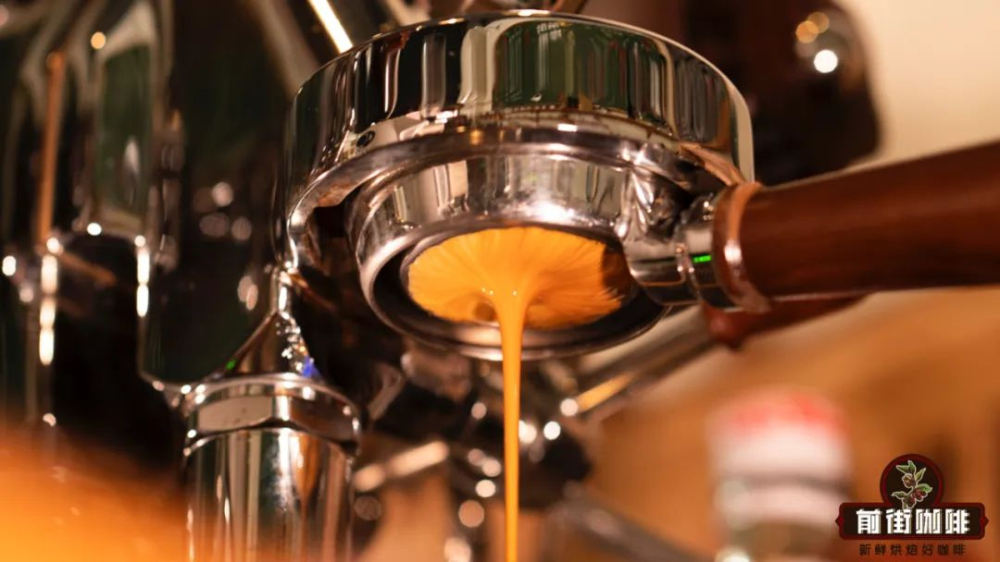
This coffee was first accidentally created by baristas and roasters when dialing in beans and finalizing extraction parameters. At the time, they needed to verify whether the espresso and milk were harmonious, but didn't want to drink too much milk coffee and feel too full, and also wanted to reduce material waste. So they used a split portafilter to divide the espresso into two streams—one enjoyed straight, and the other mixed with a small amount of steamed milk for tasting.
Later, some cafés, in order to test new beans and gather customer feedback, continued this practice by making small-cup lattes for regular customers to taste. Over time, Piccolo Latte was officially added to espresso coffee menus.
A Piccolo is roughly composed of 30 milliliters of single espresso combined with about 60 milliliters of steamed milk. Such a compact size allows you to experience the blend of coffee and milk without worrying about feeling overly full afterward.
Macchiato
When people hear "Macchiato," most probably think first of Caramel Macchiato. But in fact, Caramel Macchiato and traditional Macchiato have no connection whatsoever
.
"Macchiato" means "marked" or "stained" in Italian. At the time, coffee bean quality was generally not high, and the roast level tended to be dark. You see, even in Italy, not everyone could accept the bitterness brought by dark roasting and high extraction rates, so customers would ask baristas to add a little milk to their espresso to balance the bitterness.

An espresso with just a small amount of milk added looks almost identical to a regular espresso on the surface, making it difficult for servers to distinguish and often resulting in delivery to the wrong table. So baristas would scoop a spoonful of milk foam onto the coffee's surface as a mark to prevent confusion—this is the origin of the name "Macchiato."
The method for making a Macchiato is extremely simple. Extract a single shot of espresso, then steam a pitcher of milk foam—recommended to cappuccino foam thickness for easy scooping—then use a spoon to scoop the foam onto the surface of the espresso. The taste of a Macchiato is quite intense, balancing the strong bitterness of the espresso while enriching the overall mouthfeel of the coffee. If you taste carefully, you can even catch a hint of milk fragrance.
Espresso Con Panna
The naming of Espresso Con Panna is very straightforward. "Espresso Con Panna" translated directly from Italian means "espresso with cream," abbreviated as "Con Panna," which became "康宝蓝" in Chinese transliteration.
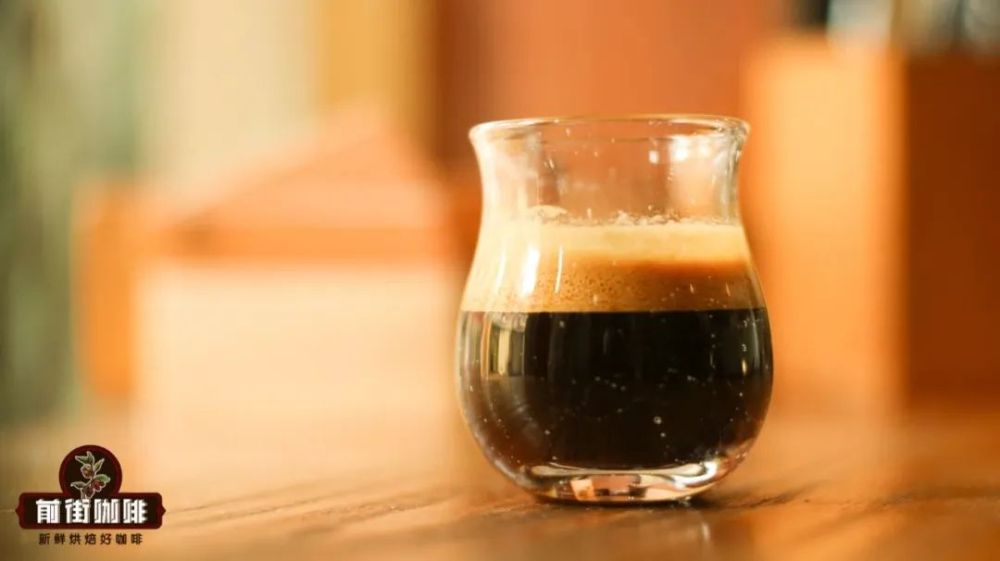
Front Street Coffee tried to find the exact origin of Espresso Con Panna but could not find a reliable source. However, we did discover a particularly romantic legend: an Italian roaster, to express love for his wife, made a special espresso using carefully roasted coffee beans and named it "Con Panna." Because the finished product's shape resembles a pair of spread wings, like an angel, it was also given the beautiful meaning of "Angel's Wings."
Making Espresso Con Panna is likewise not complicated—just pipe 30 to 50 milliliters of cream onto the surface of freshly extracted espresso and it's done. Drinking Espresso Con Panna usually doesn't require stirring; simply take a big sip directly. The whipped cold cream brings a dense, marshmallow-like texture and rich creamy sweetness, followed by the warm, full-bodied espresso—the contrast between cold and hot layers is very striking.
- END - Front Street Coffee
No. 10 Baoqian Street, Yandun Road, Dongshankou, Yuexiu District, Guangzhou, Guangdong Province
The above content is compiled by CoffeeHunters, a coffee news website.


